
 +86 18068001229



0102030405
Industry News
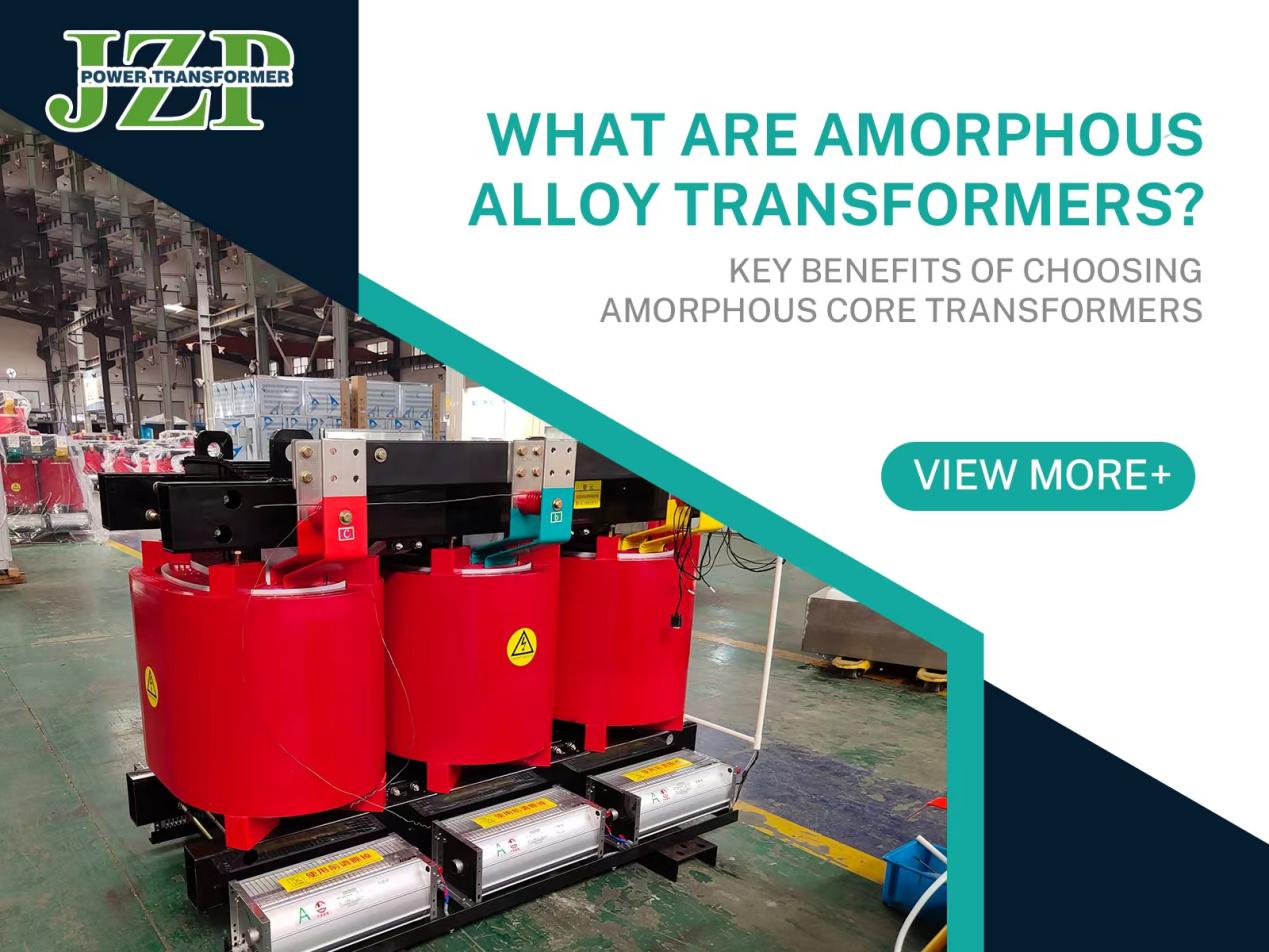
What Are Amorphous Alloy Transformers? Key Benefits of Choosing Amorphous Core Transformers
2025-11-03
Amorphous alloy transformers, with their ultra-low losses and high energy efficiency, have emerged as revolutionary replacements for traditional silicon steel transformers. This article explores their technical principles, advantages, applications, and policy-driven adoption to guide informed decision-making.
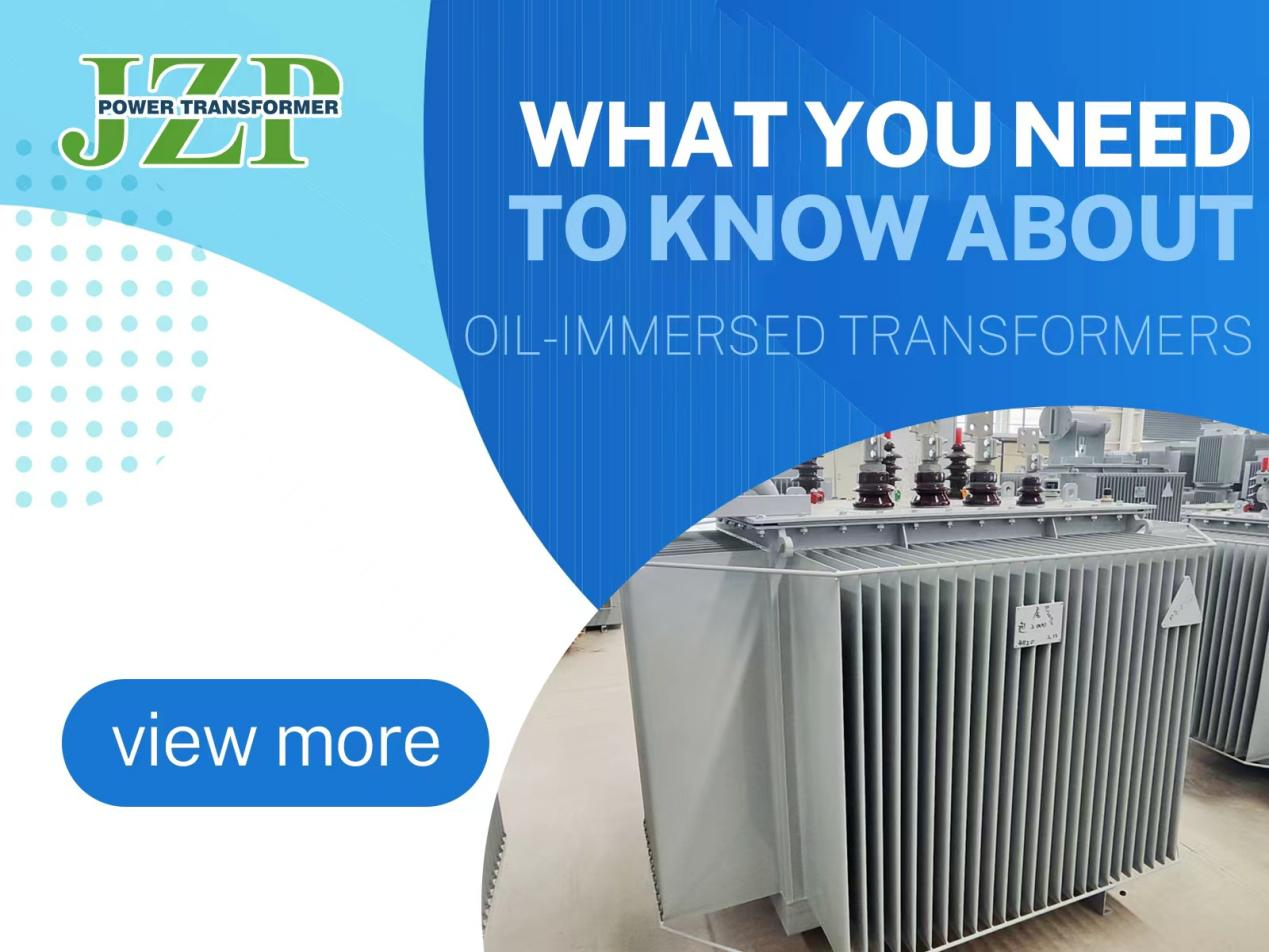
What You Need to Know about Oil-Immersed Transformers
2025-10-31
An oil-immersed transformer is a type of electrical transformer that uses oil as an insulating and cooling medium. This transformer operates by converting alternating current (AC) from one voltage level to another, either increasing (stepping up) or decreasing (stepping down) the voltage. The transformer consists of a magnetic core, windings, and bushings, all submerged in transformer oil, which plays a crucial role in maintaining the device’s functionality.
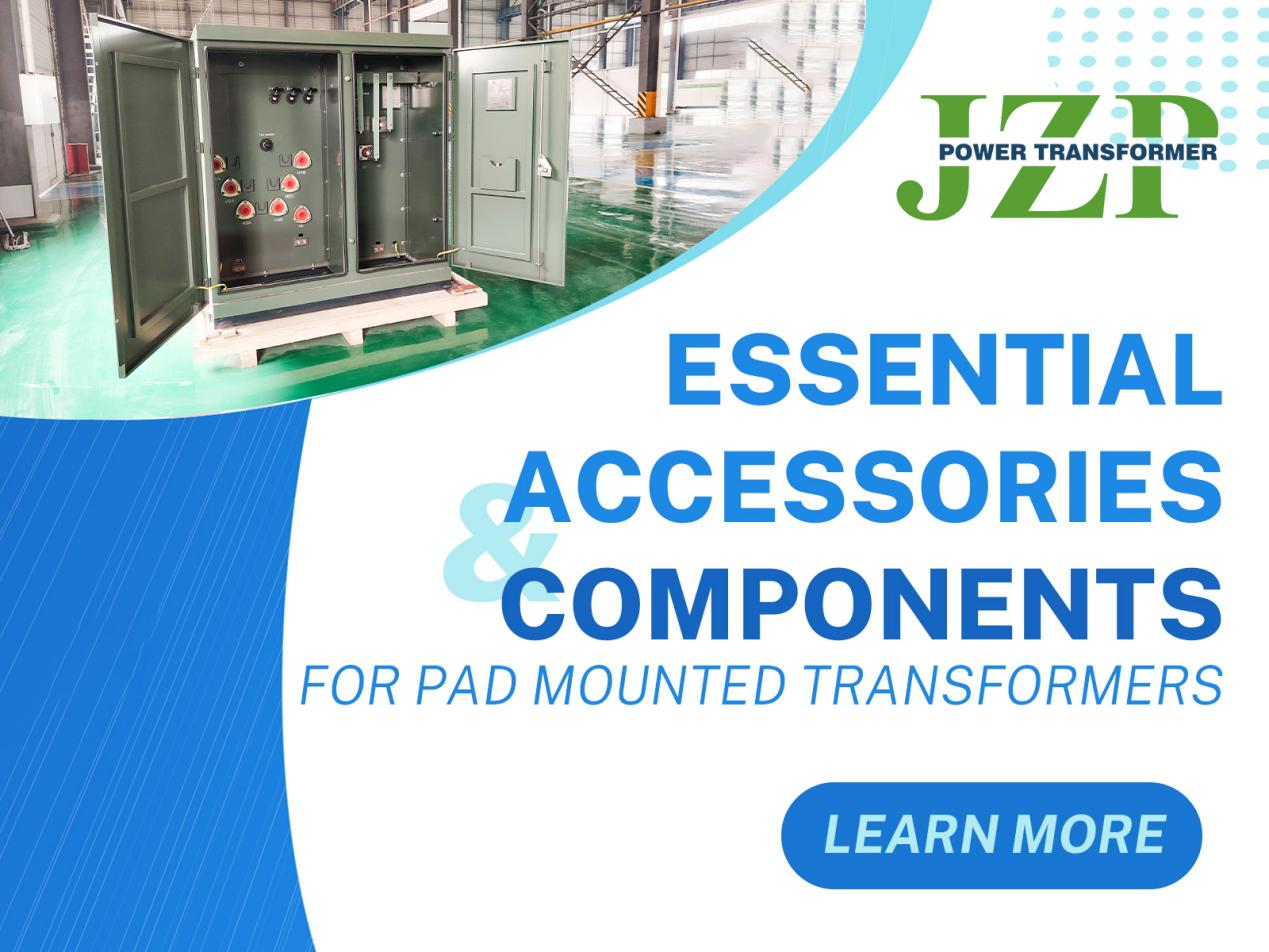
Essential Accessories and Components for Pad Mounted Transformers
2025-10-30
You should know the main accessories and parts that help your pad mounted transformers work safely and efficiently. Bushings allow wires to pass through the transformer box. Tap changers enable you to adjust voltage levels. Fuses and surge arresters protect the pad mounted transformers from issues and lightning strikes. Grounding systems ensure safety for everyone. Monitoring gauges, pressure relief devices, and fault indicators help detect problems early. Mechanical accessories make moving and installing pad mounted transformers easier. Each accessory is essential for pad mounted transformers to operate effectively.
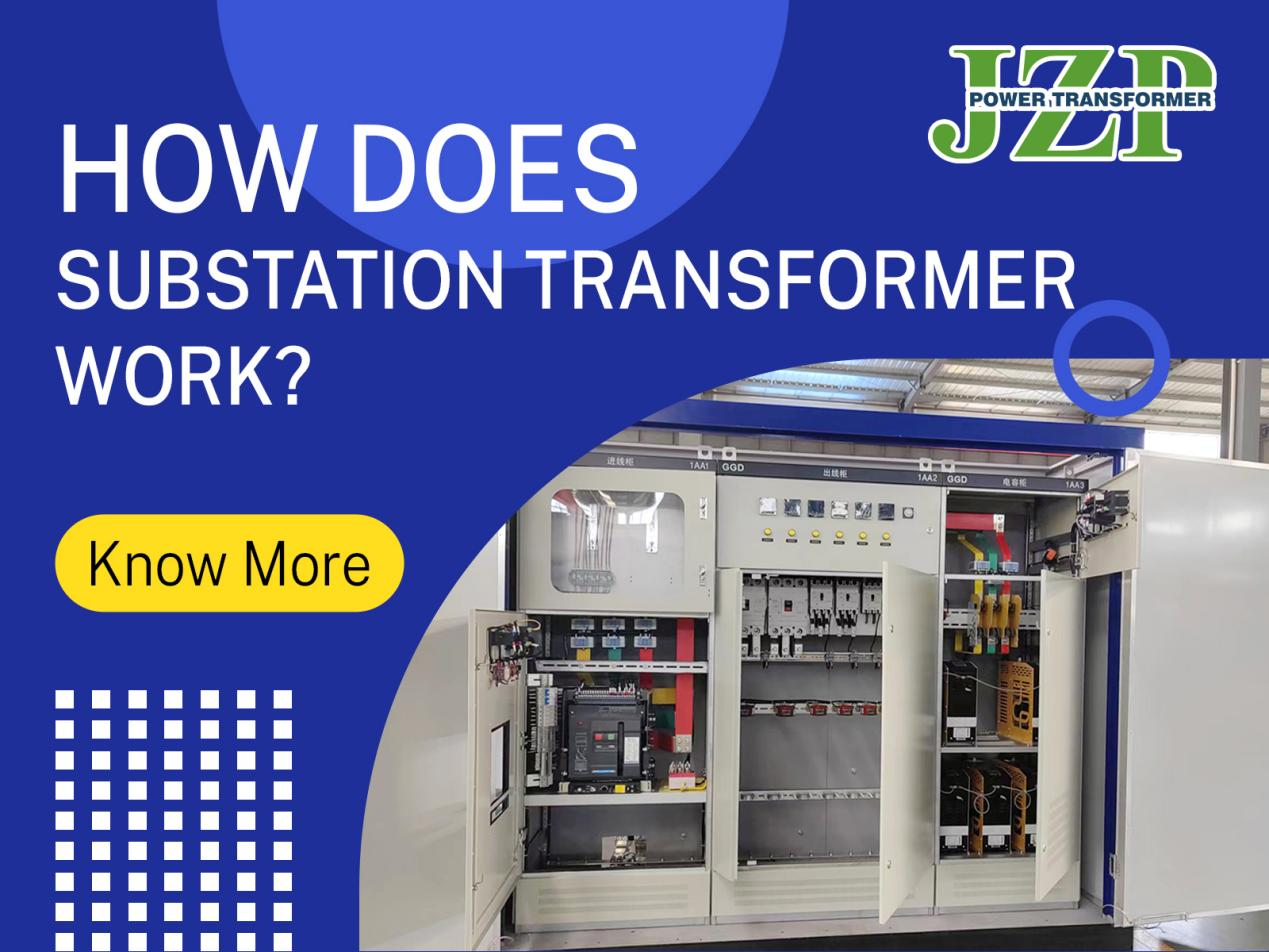
What is a Substation Transformer?
2025-10-30
A substationtransformeris a specific type of transformer that is designed to convert voltage levels within a substation. It facilitates the transmission of electrical energy from high-voltage transmission lines to lower voltage levels suitable for distribution to consumers.
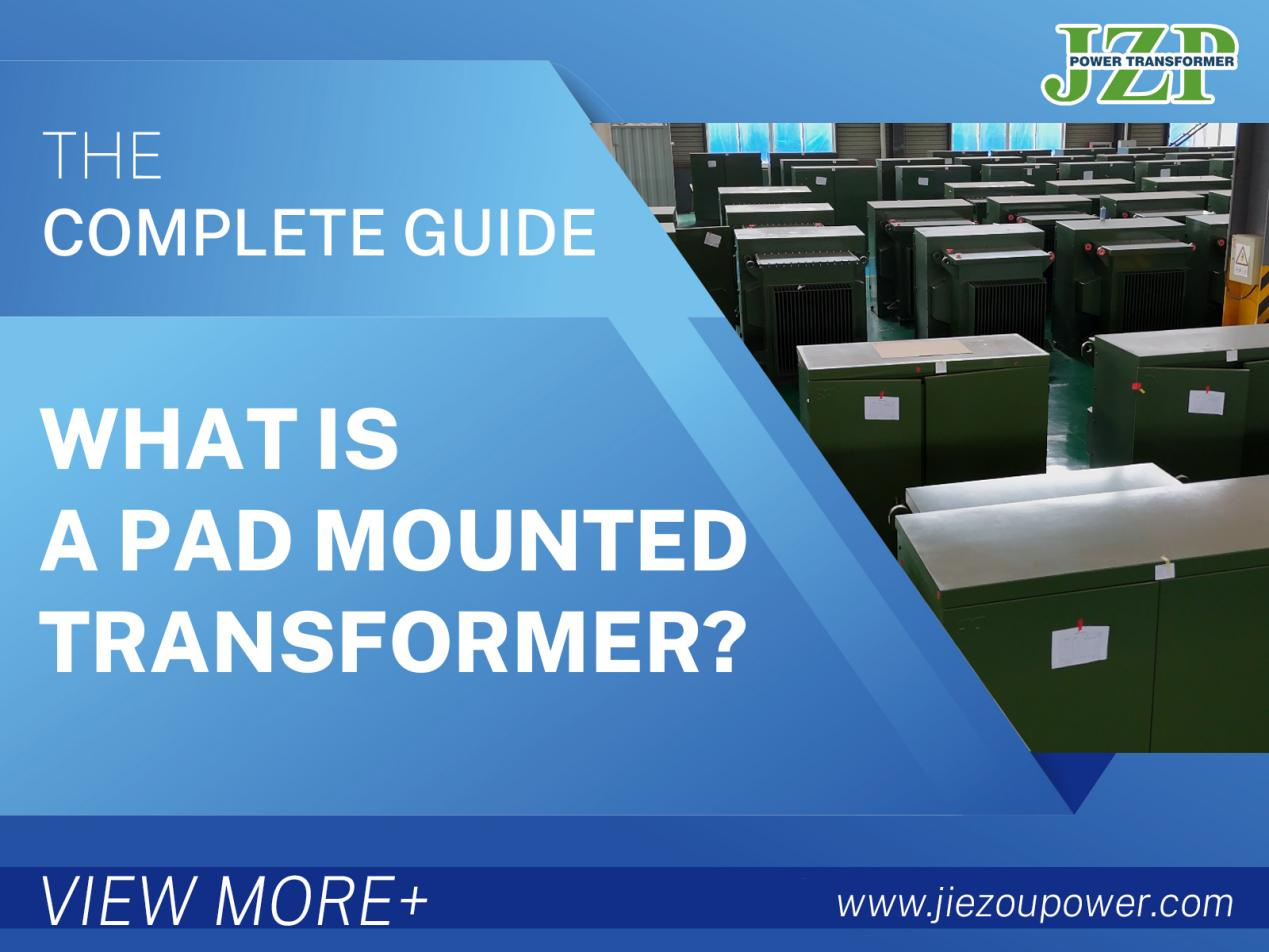
What is a Pad Mounted Transformer? The Complete Guide
2025-10-30
Pad mounted transformers (PMTs) are the unsung heroes of modern electrical distribution. As critical components of urban and suburban power networks, these compact, ground-level units deliver electricity safely to homes, businesses, and public infrastructure. But what exactly makes them indispensable?
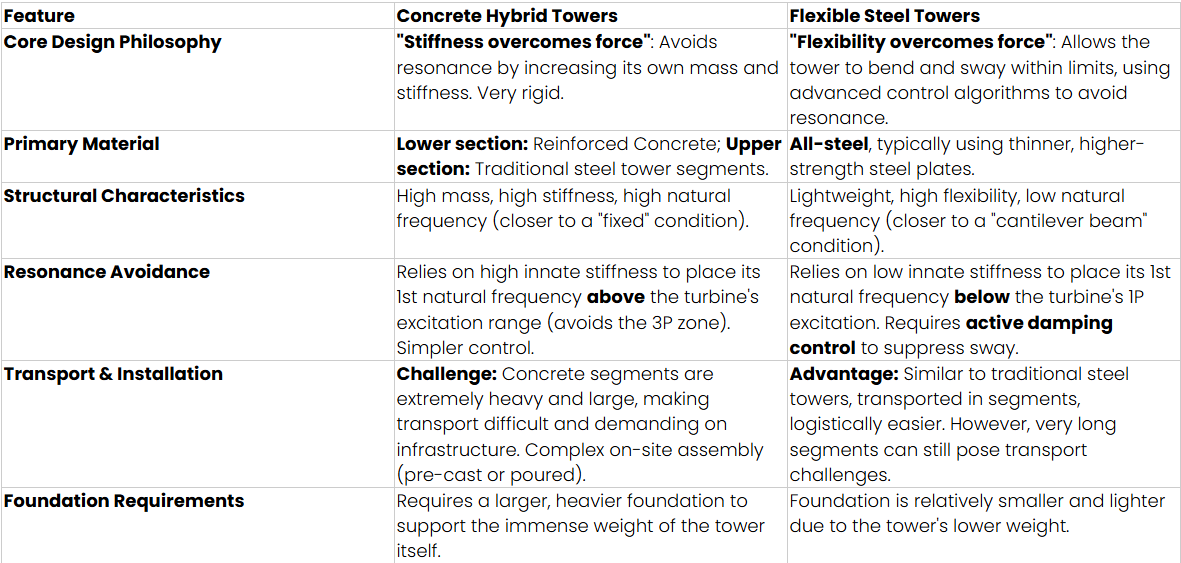
What's The Differences between Hybrid Towers And Flexible Towers in The Wind Power Industry?
2025-10-30
A hybrid tower is a combined structure of "reinforced concrete + steel." Typically, the lower ~2/3 is made of reinforced concrete (using pre-cast segments or slip-forming techniques), while the top section is a traditional steel tower connecting to the nacelle.
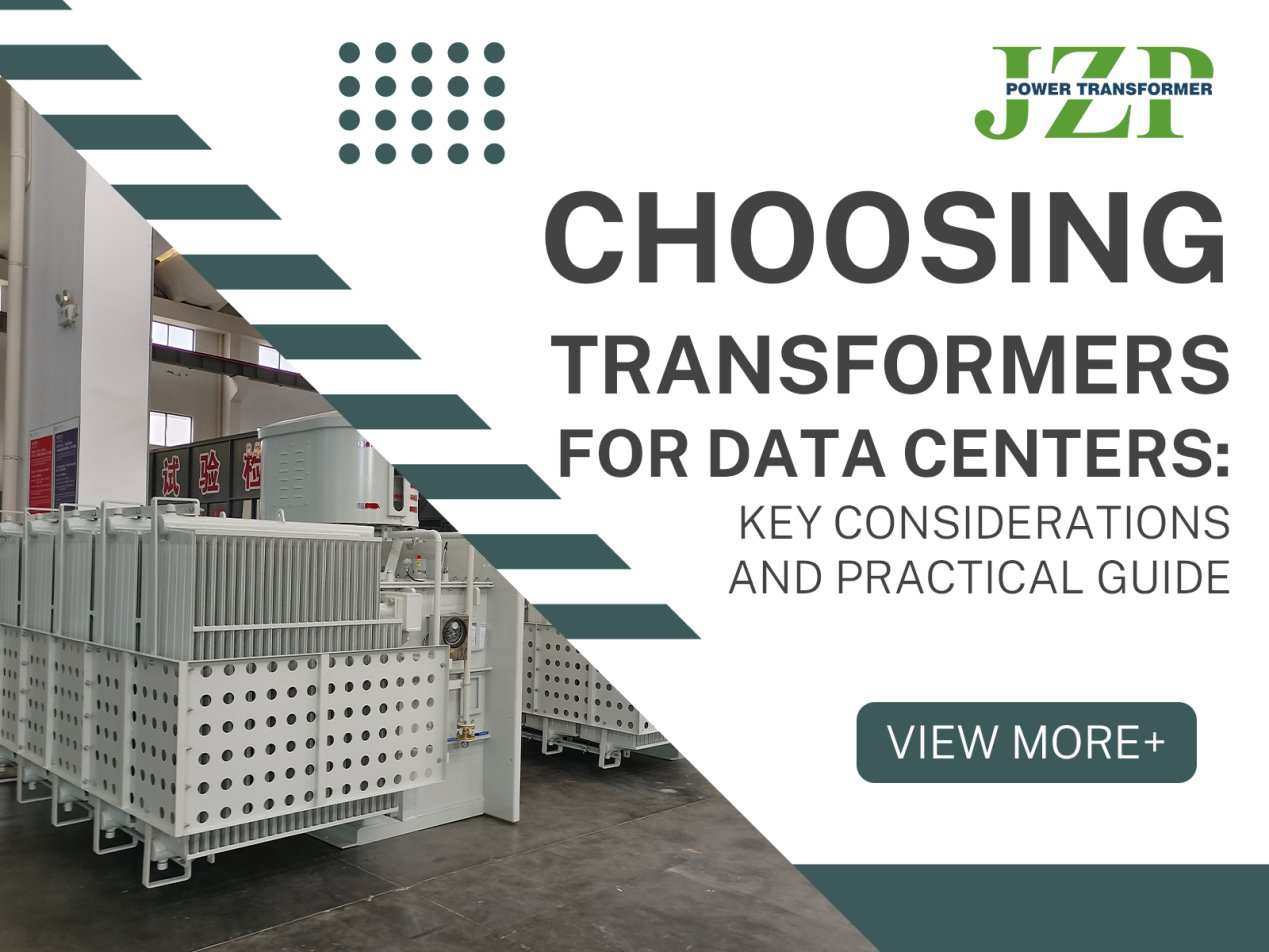
Choosing Transformers for Data Centers: Key Considerations And Practical Guide
2025-10-24
In the era of digital transformation, data centers have become the heart of enterprises, and transformers are the critical equipment that keeps this heart beating. Selecting the right transformer is not only related to the energy efficiency and operational costs of the data center but also directly impacts business continuity and data security.
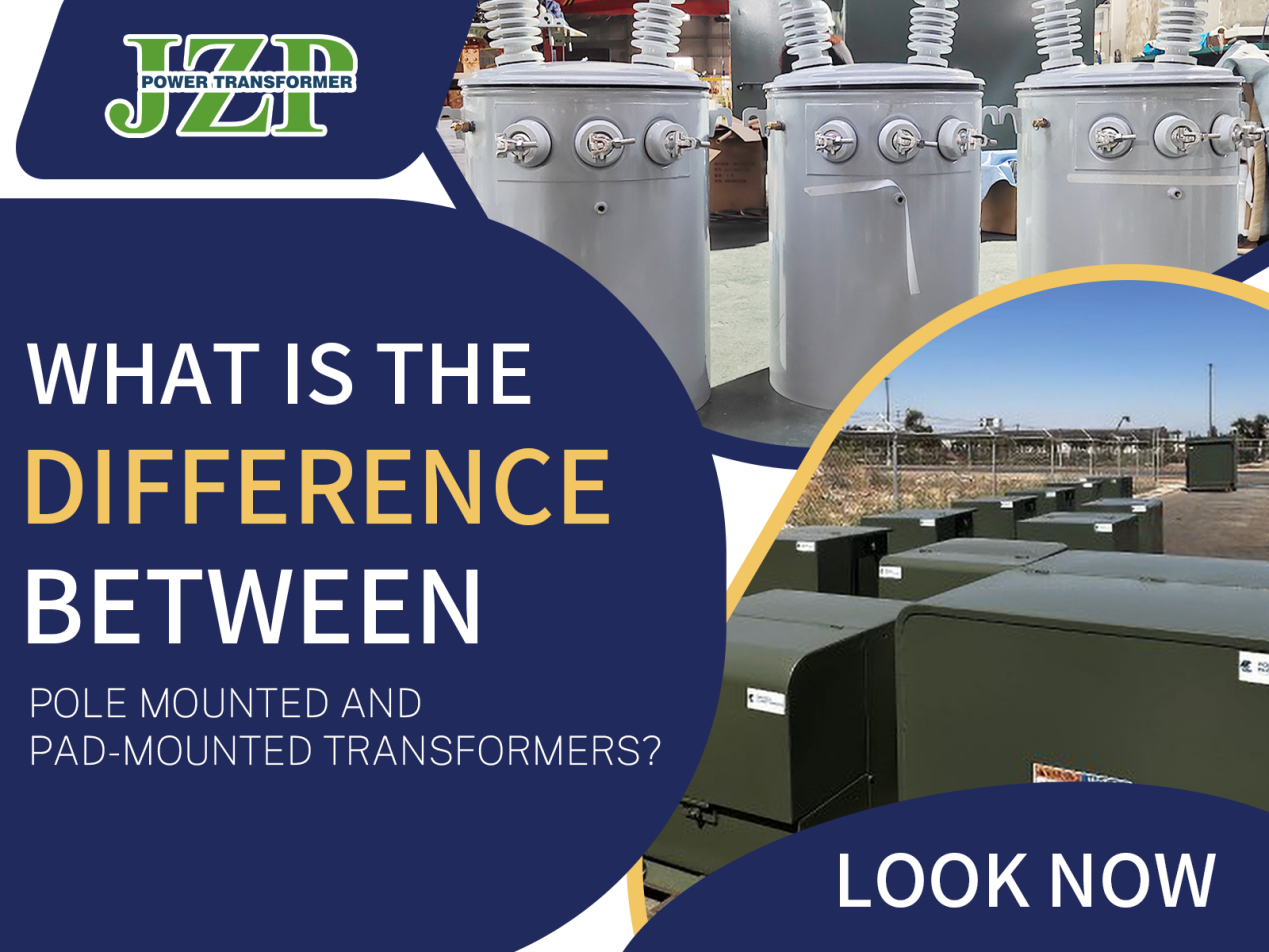
What Is The Difference between Pole Mounted And Pad-mounted Transformers?
2025-10-23
These are the cylindrical tanks you see attached to wooden utility poles, often accompanied by fuse cutouts and other hardware.
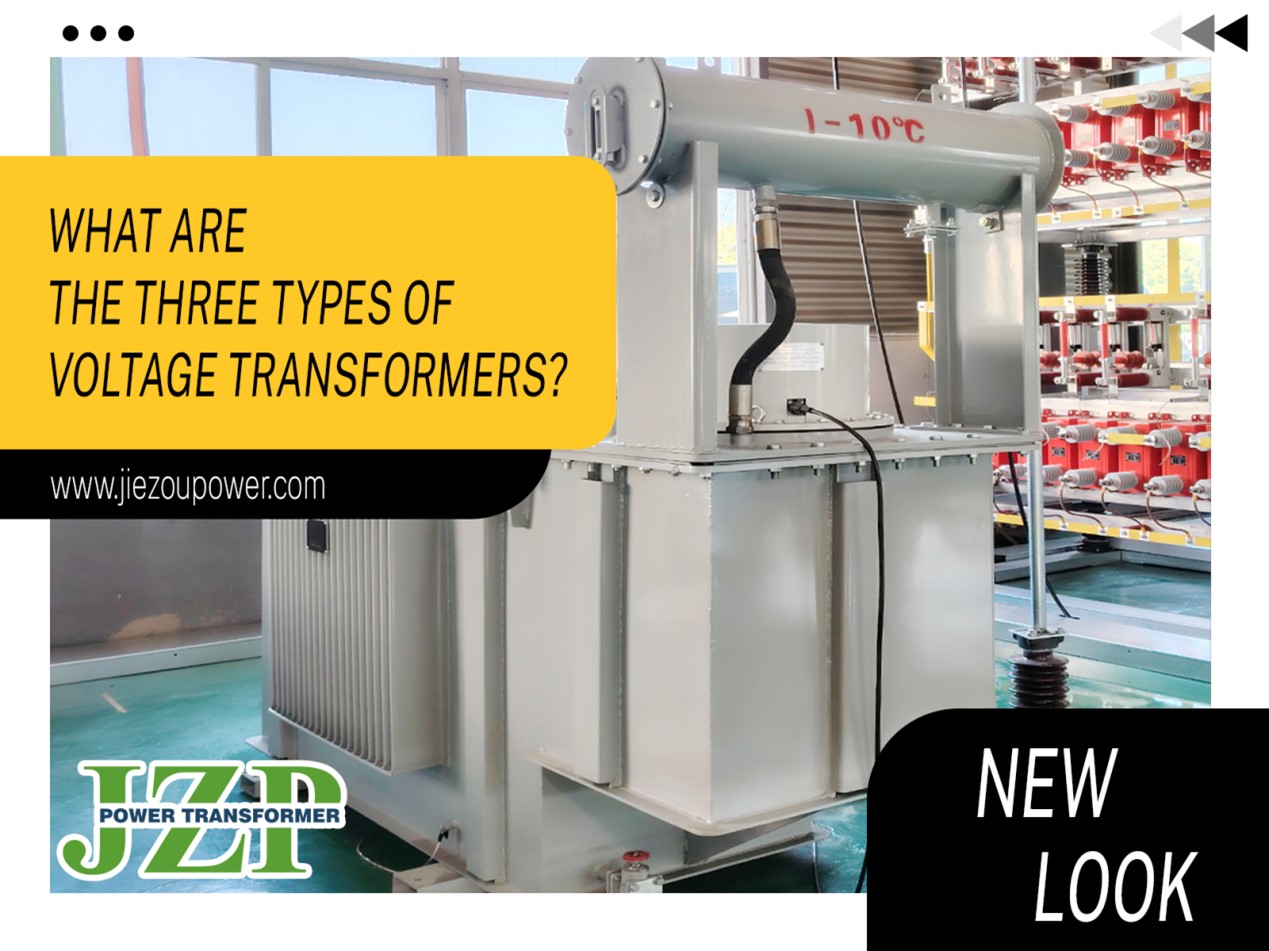
What Are The Three Types of Voltage Transformers?
2025-10-22
Three types of transformers: step-up transformers, step-down transformers, and isolation transformers.
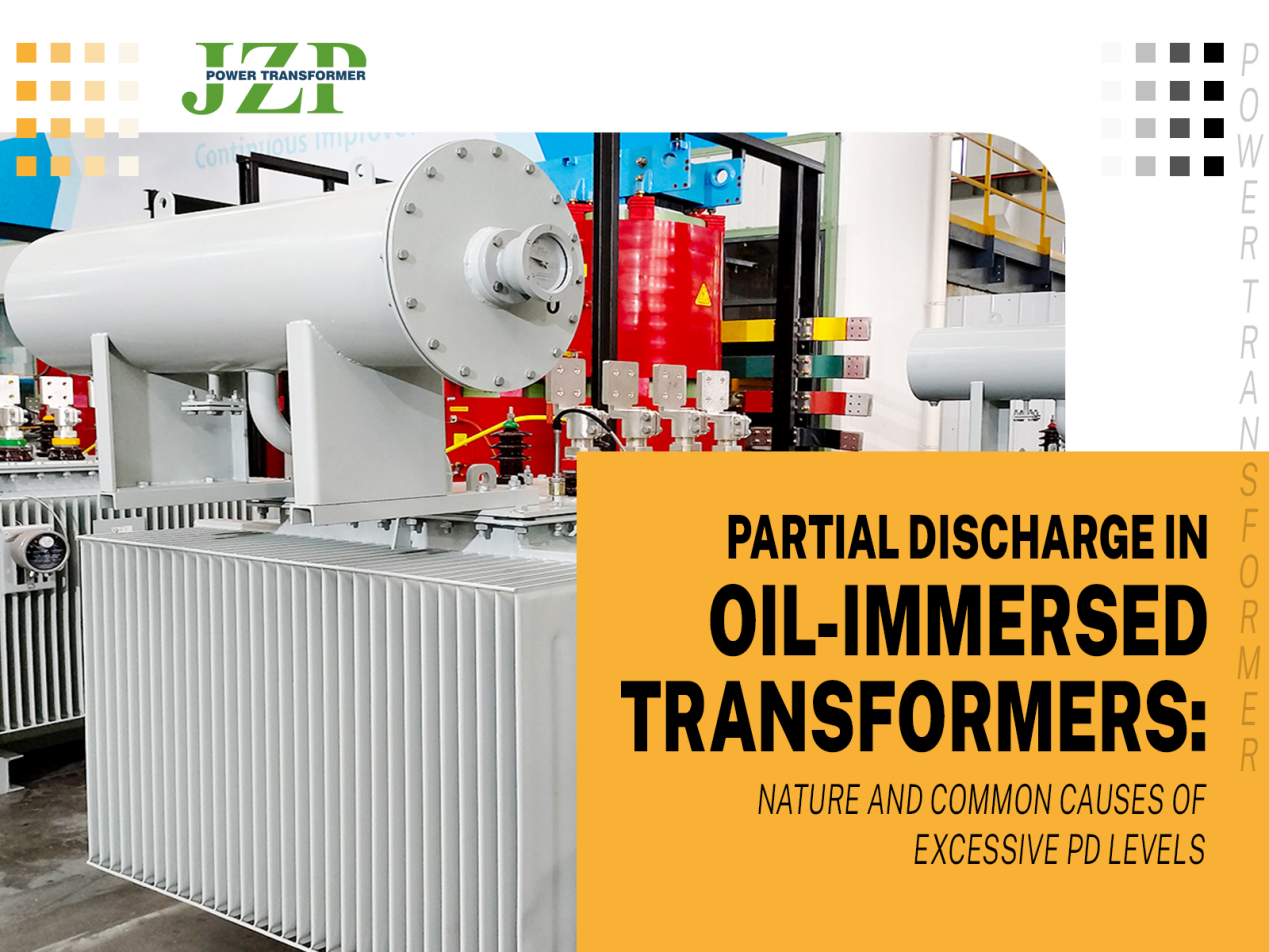
Partial Discharge in Oil-Immersed Transformers: Nature and Common Causes of Excessive PD Levels
2025-10-21
Partial discharge (PD) in oil-immersed power transformers remains a globally recognized challenge in the transformer industry. Numerous manufacturers have suffered significant losses due to PD-related failures.
PD exceedances may occur during factory testing, third-party inspections, or at customer sites. Locating PD sources is often like "finding a needle in a haystack," leading to rework lasting days or even months, causing substantial quality losses for manufacturers or end-users.