
 +86 18068001229


0102030405
News
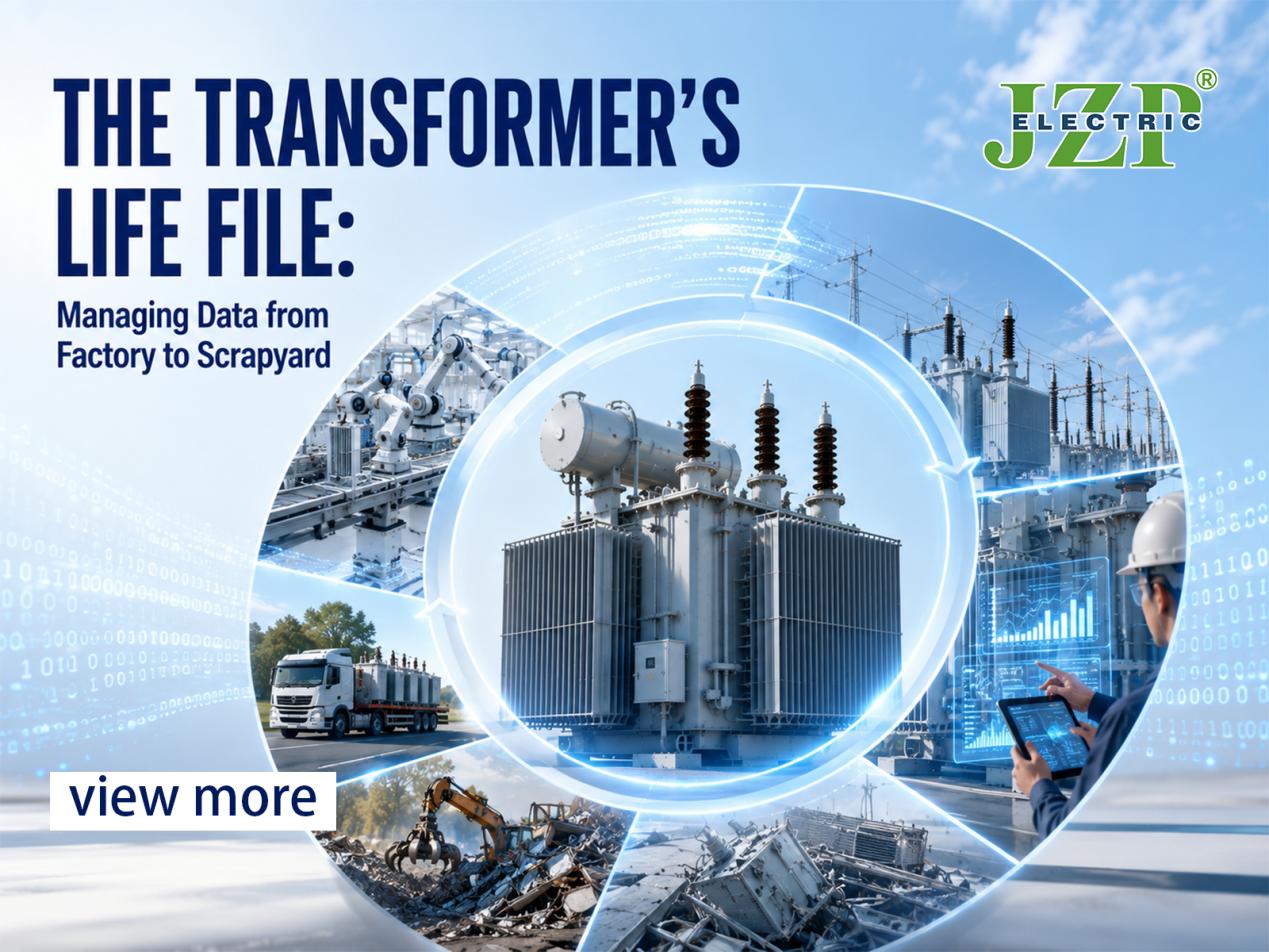
The Transformer’s Life File: Managing Data from Factory to Scrapyard
2026-05-11
A transformer can operate for 30 to 40 years. Over that time, it accumulates a wealth of data: factory test reports, transport impact records, commissioning results, periodic oil analyses, maintenance logs, and finally, endoflife assessments. Without systematic management, this data remains scattered—useful for nothing more than individual compliance checks.
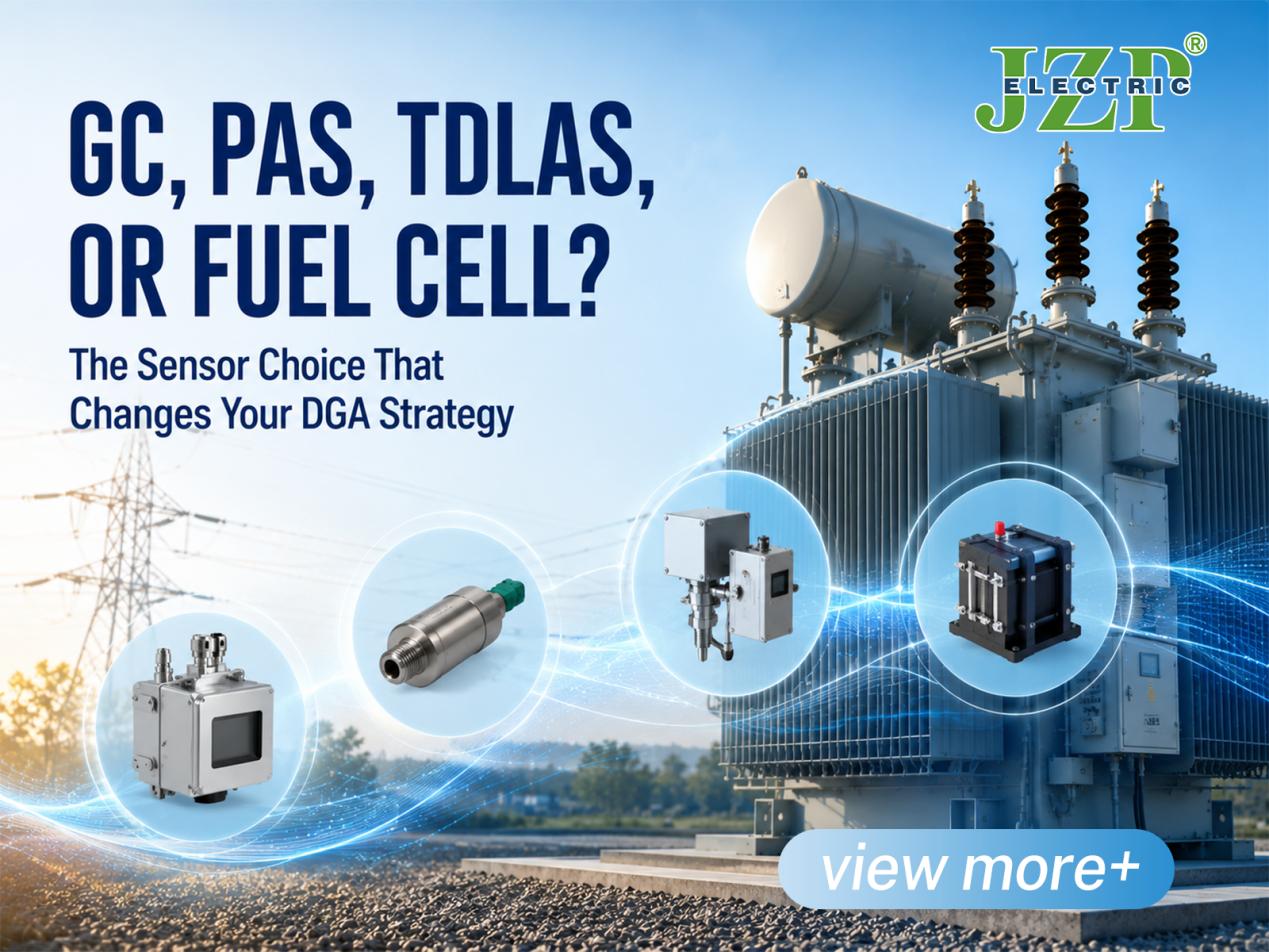
GC, PAS, TDLAS, or Fuel Cell? The Sensor Choice That Changes Your DGA Strategy
2026-05-09
Online DGA closes the gap between lab samples and continuous monitoring. Different sensor technologies determine what gases are detected, how accurately, and at what cost. This article compares the leading options: gas chromatography (GC), photoacoustic spectroscopy (PAS), tunable diode laser absorption spectroscopy (TDLAS), fuel cells, and emerging solidstate sensors.
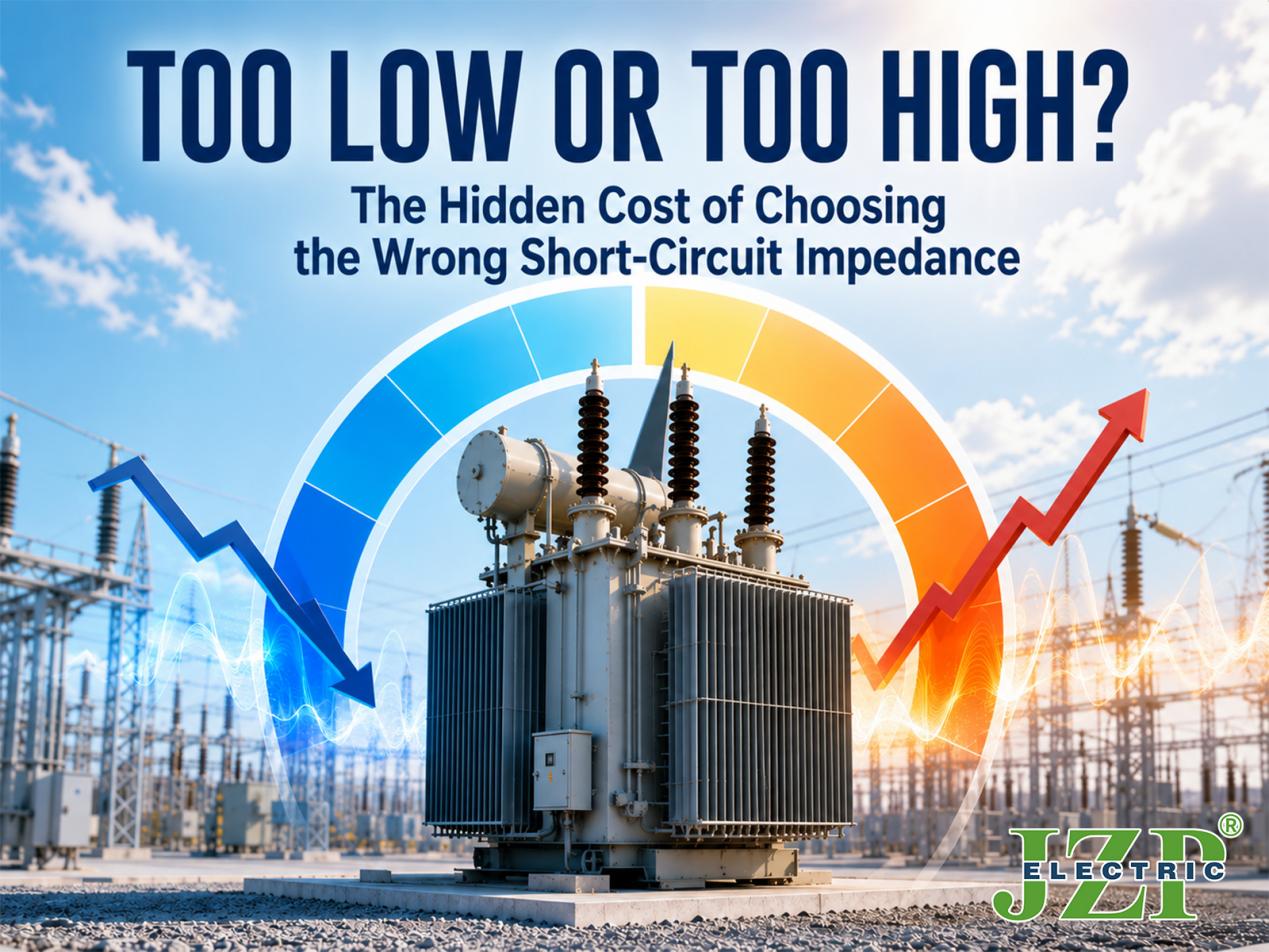
Too Low or Too High? The Hidden Cost of Choosing the Wrong Short-Circuit Impedance
2026-05-08
Short-circuit impedance (Z%) is a key parameter on every transformer nameplate, yet it is often overlooked during procurement. It affects fault current levels, voltage regulation, parallel operation, and cost. Choosing too low a value exposes downstream equipment to excessive fault stresses. Choosing too high a value degrades voltage regulation and increases losses. This article explains the trade-offs and guides procurement professionals to the right choice for their application.

JZP Electric is Live at IEEE PES T&D Chicago 2026!
2026-05-07
The energy in Chicago is absolutely electric—and so are we! With the IEEE PES T&D Conference & Exposition officially in full swing, the JZP Electric team is already making waves at Booth #2645.
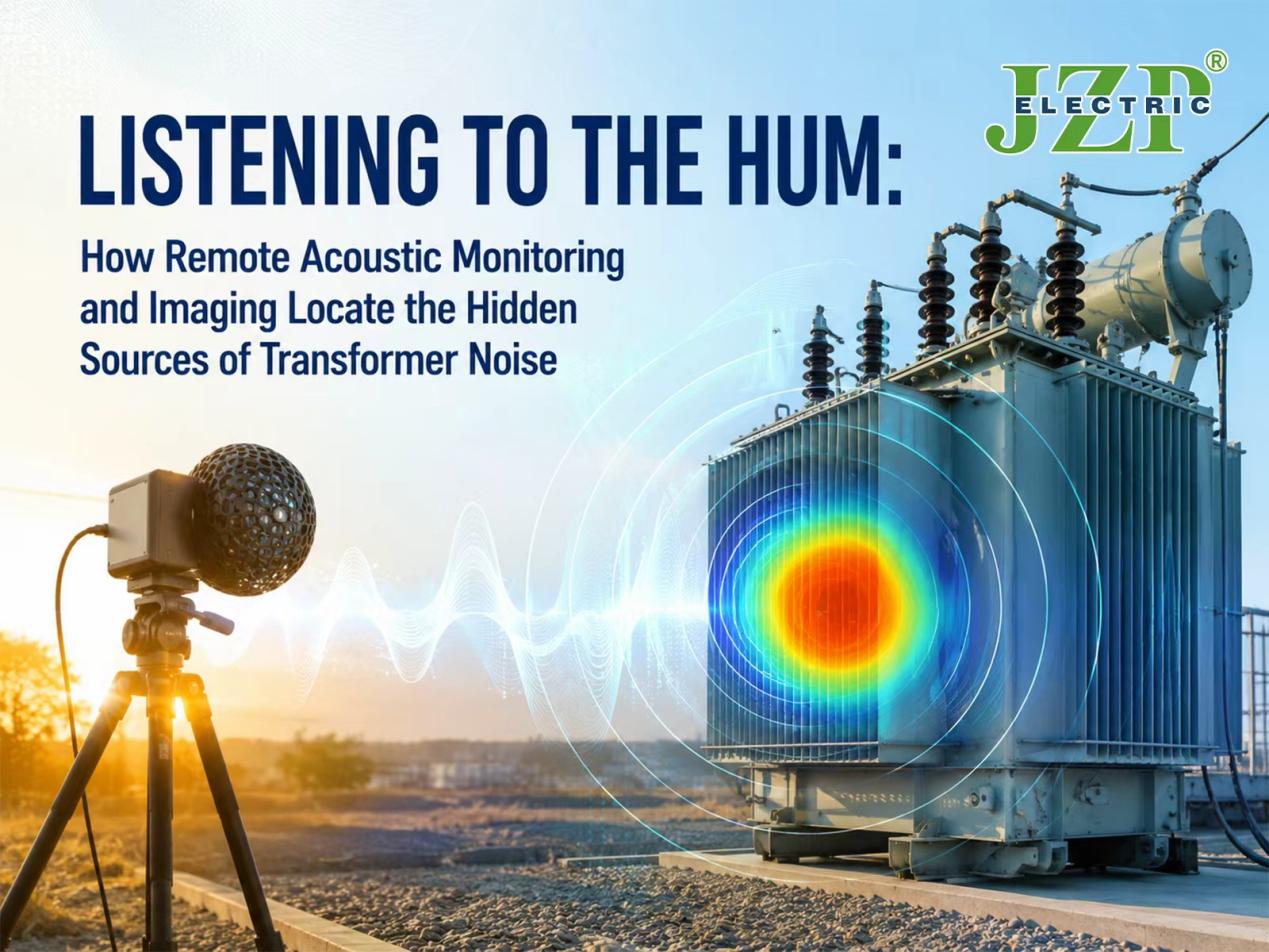
Listening to the Hum: How Remote Acoustic Monitoring and Imaging Locate the Hidden Sources of Transformer Noise
2026-05-07
A single transformer can have multiple active noise sources: magnetostriction in specific core joints, electromagnetic forces in individual windings, loose clamping bolts in one corner, and cooling fans running slightly off-balance. Standard sound level measurements aggregate all these sources into a single number at the substation boundary. That is sufficient for regulatory compliance. It is useless for pinpointing the root cause.
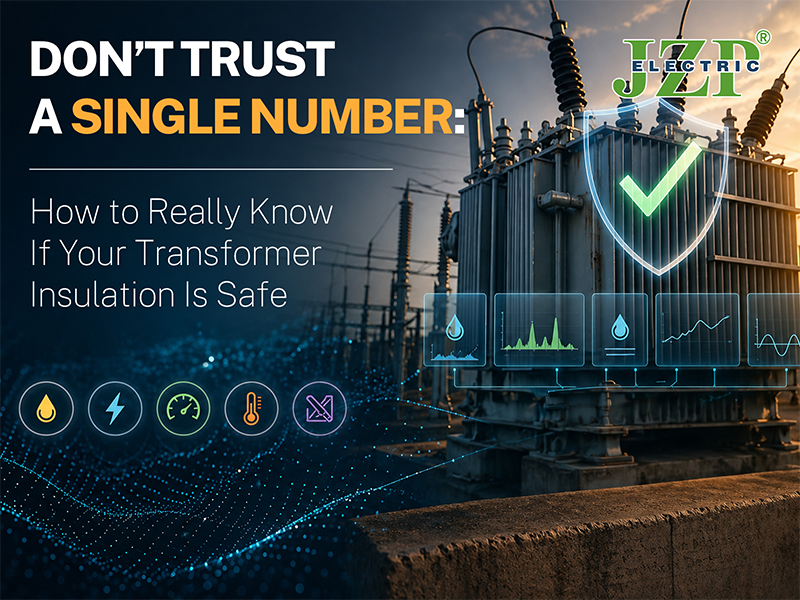
Don’t Trust a Single Number: How to Really Know If Your Transformer Insulation Is Safe
2026-04-30
Insulation resistance testing is one of the oldest and most revealing transformer tests. A megohmmeter applies DC voltage and measures leakage current; high resistance indicates healthy insulation, low resistance signals moisture or contamination. But single values tell only part of the story. Time-based indices—absorption ratio and polarization index—reveal far more. This article covers principles, acceptance criteria, and common pitfalls for procurement professionals and asset managers.
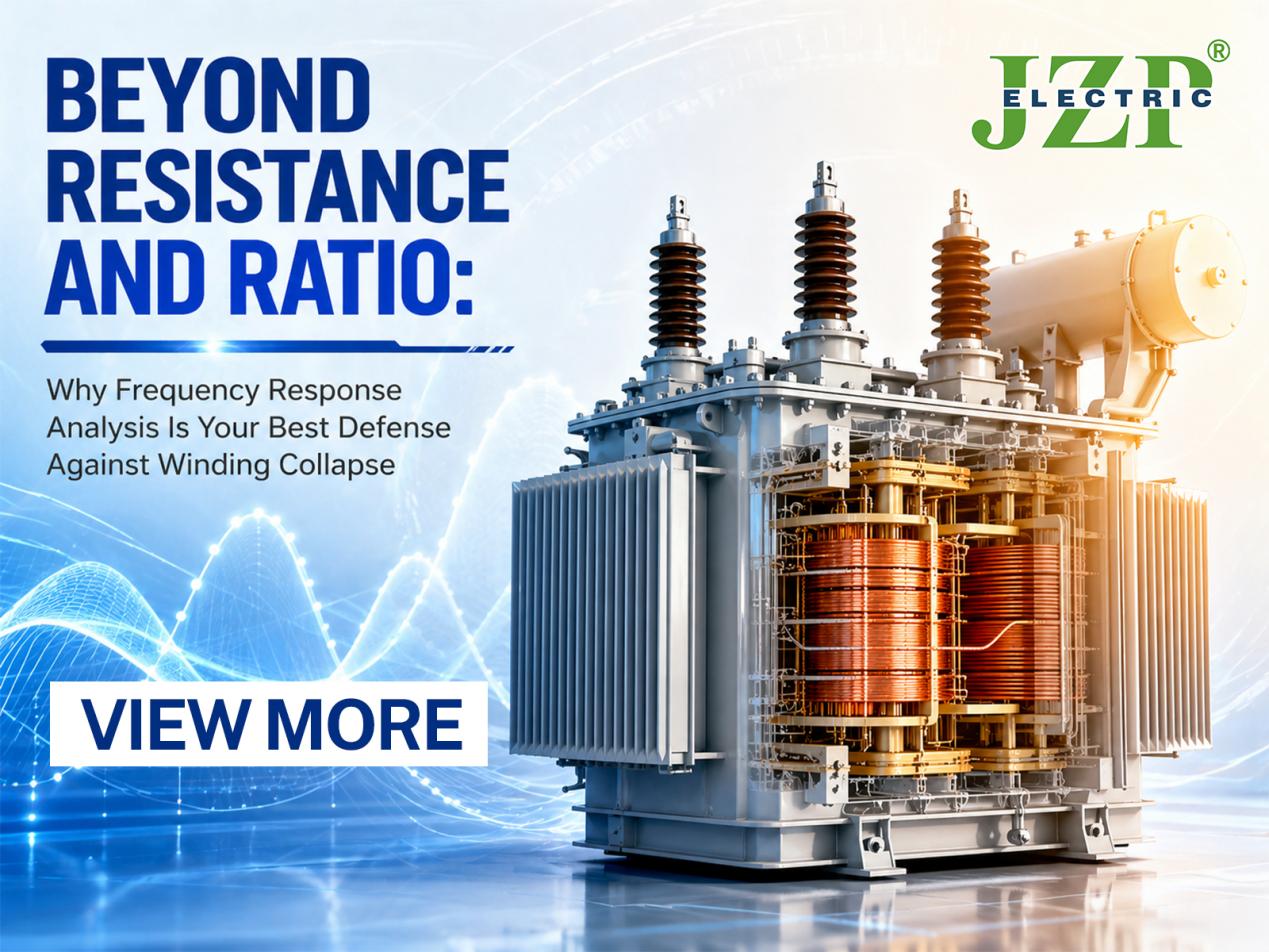
Beyond Resistance and Ratio: Why Frequency Response Analysis Is Your Best Defense Against Winding Collapse
2026-04-30
A transformer can pass all standard electrical tests—insulation resistance, turns ratio, winding resistance—and still harbor a potentially catastrophic defect. Winding deformation, caused by short-circuit forces, transportation shocks, or improper handling, often leaves no electrical signature. Yet undetected, it progressively weakens the winding until a single fault current triggers collapse.
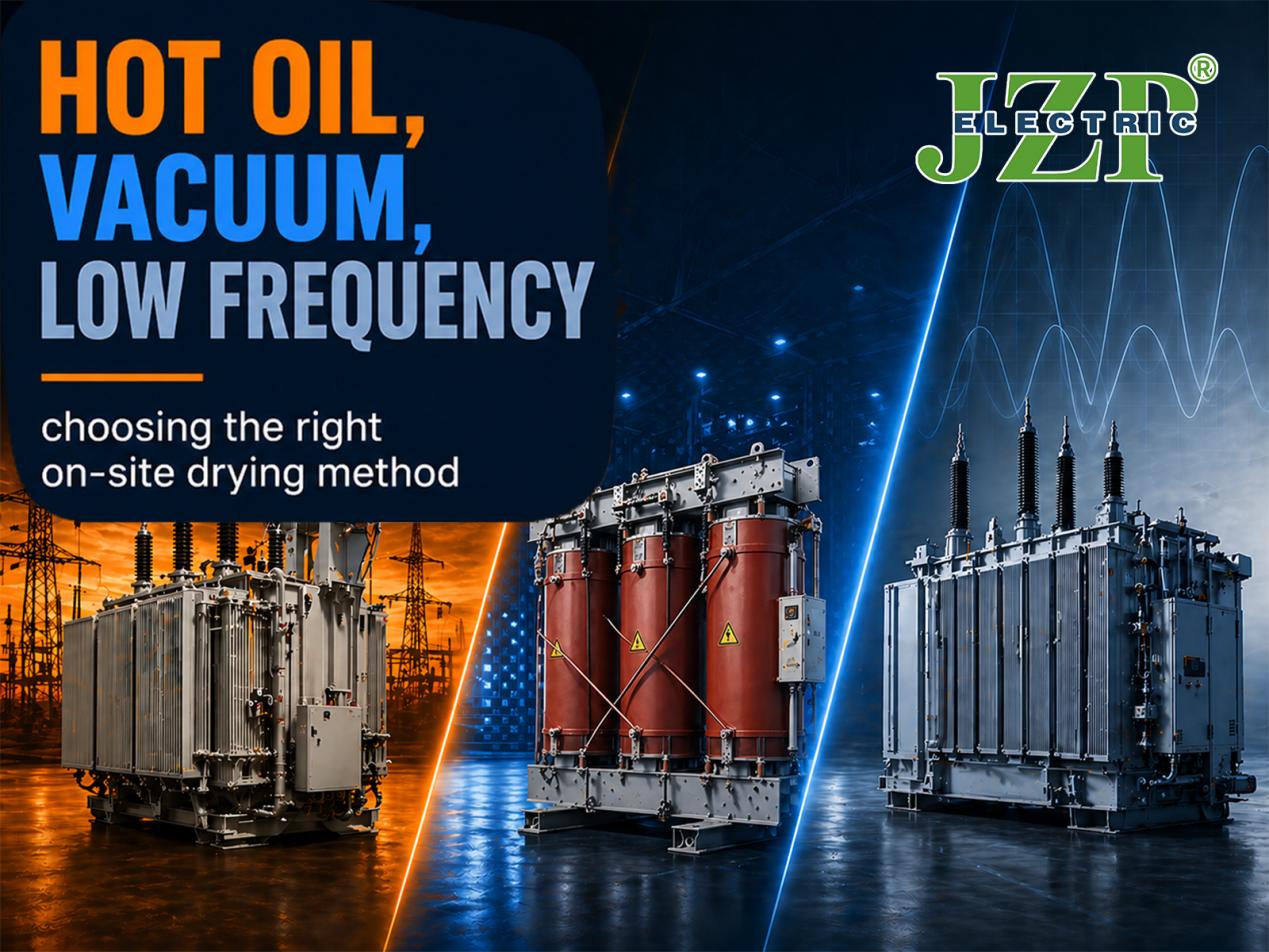
Hot Oil, Vacuum, or Low Frequency: Choosing the Right On-Site Drying Method
2026-04-30
Water is the enemy of transformer insulation. Even at 3–4 percent moisture content, the degradation rate of paper insulation can increase tenfold or more compared to dry paper. Once a transformer becomes wet in the field—whether from prolonged storage, seal failure, or improper handling—drying is not optional. But with multiple on-site drying methods available, which one is right for your asset?
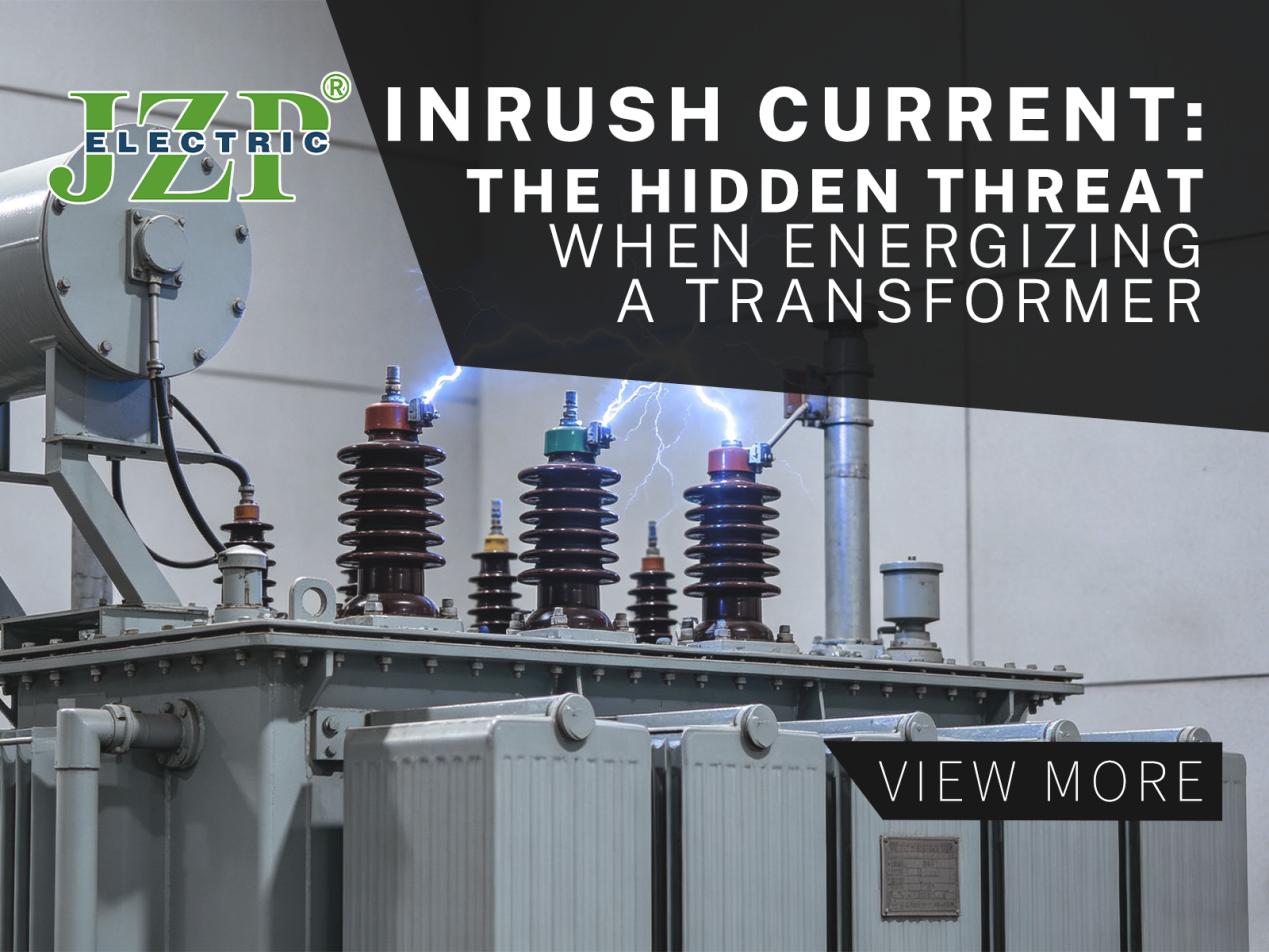
Inrush Current: The Hidden Threat When Energizing a Transformer
2026-04-23
When a transformer is energized, the ammeter may momentarily swing to full scale—then return to normal within seconds. This transient surge is called inrush current. Its amplitude can reach 6 to 8 times the transformer’s rated current. But the real danger is not the surge itself; it is the cumulative mechanical damage that each energization inflicts on the windings. Over time, this hidden degradation can lead to catastrophic failure.
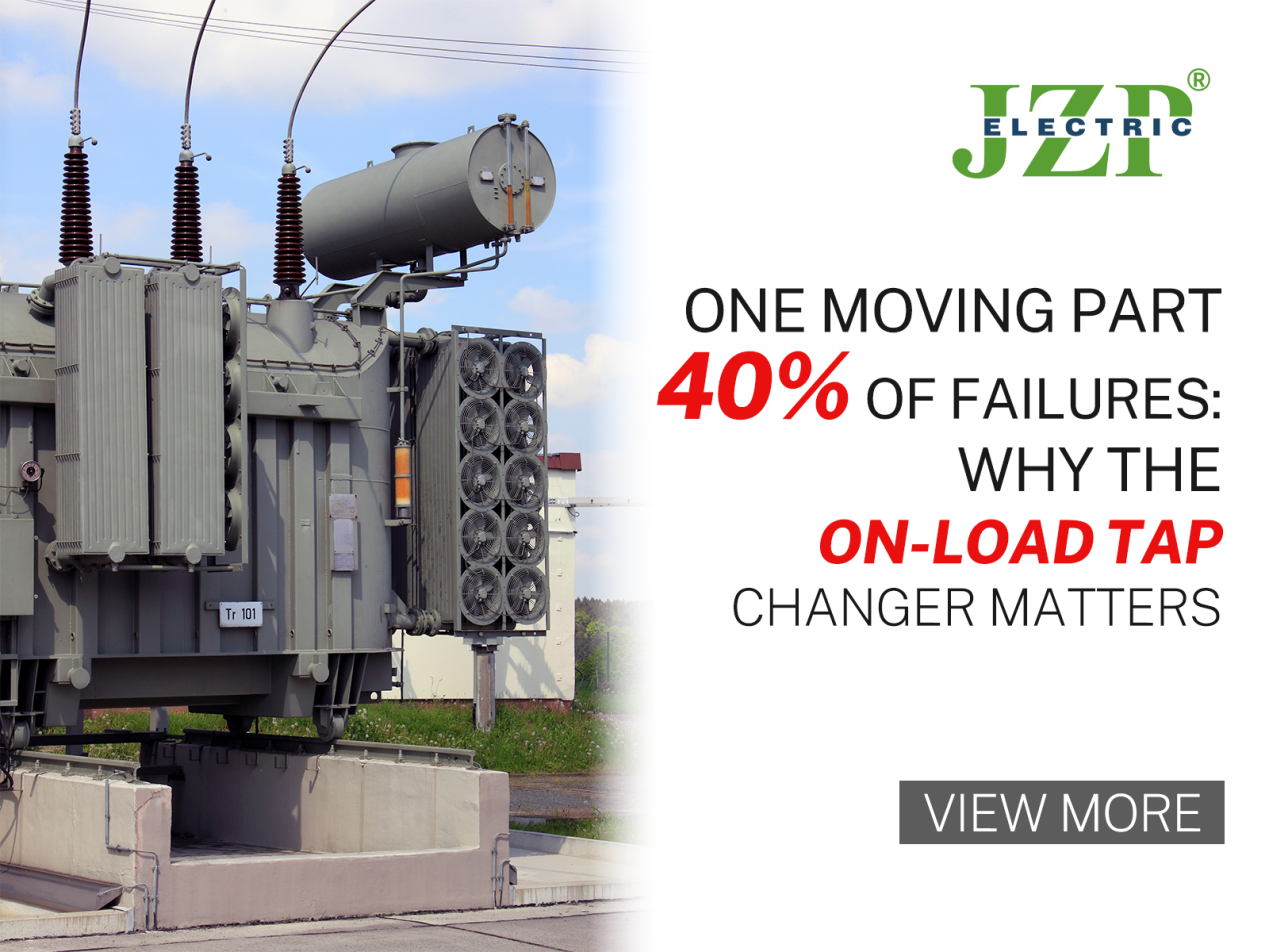
One Moving Part, 40% of Failures: Why the On-Load Tap Changer Matters
2026-04-21
The transformer itself has no moving parts. But one critical component does: the on-load tap changer (OLTC). This device adjusts the transformer’s voltage ratio while the transformer remains energized, compensating for grid voltage fluctuations. It is the only moving part inside a transformer—and it accounts for over 40% of all transformer failures. Understanding how it works, how it fails, and how to maintain it is essential for asset managers and procurement professionals.