
 +86 18068001229




0102030405
News
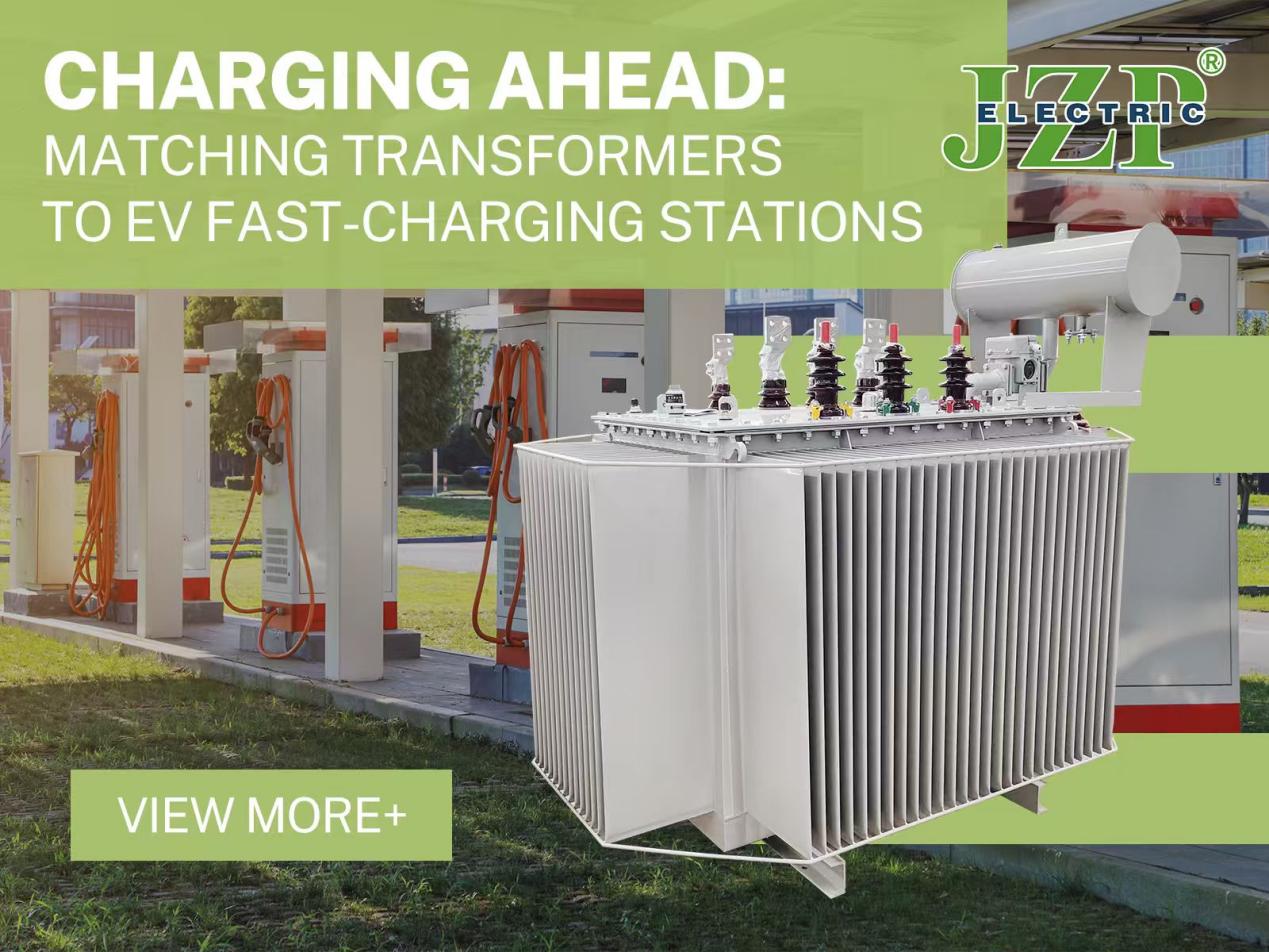
Charging Ahead: Matching Transformers to EV Fast-Charging Stations
2026-04-16
Electric vehicle fast-charging stations place unique demands on distribution transformers. Unlike conventional loads with stable, predictable patterns, fast chargers draw high currents in short, intermittent pulses. This creates thermal cycling, harmonic distortion, and voltage fluctuation challenges that standard distribution transformers are not designed to handle. For procurement professionals and site developers, understanding these differences is essential for selecting the right transformer and avoiding premature failure.
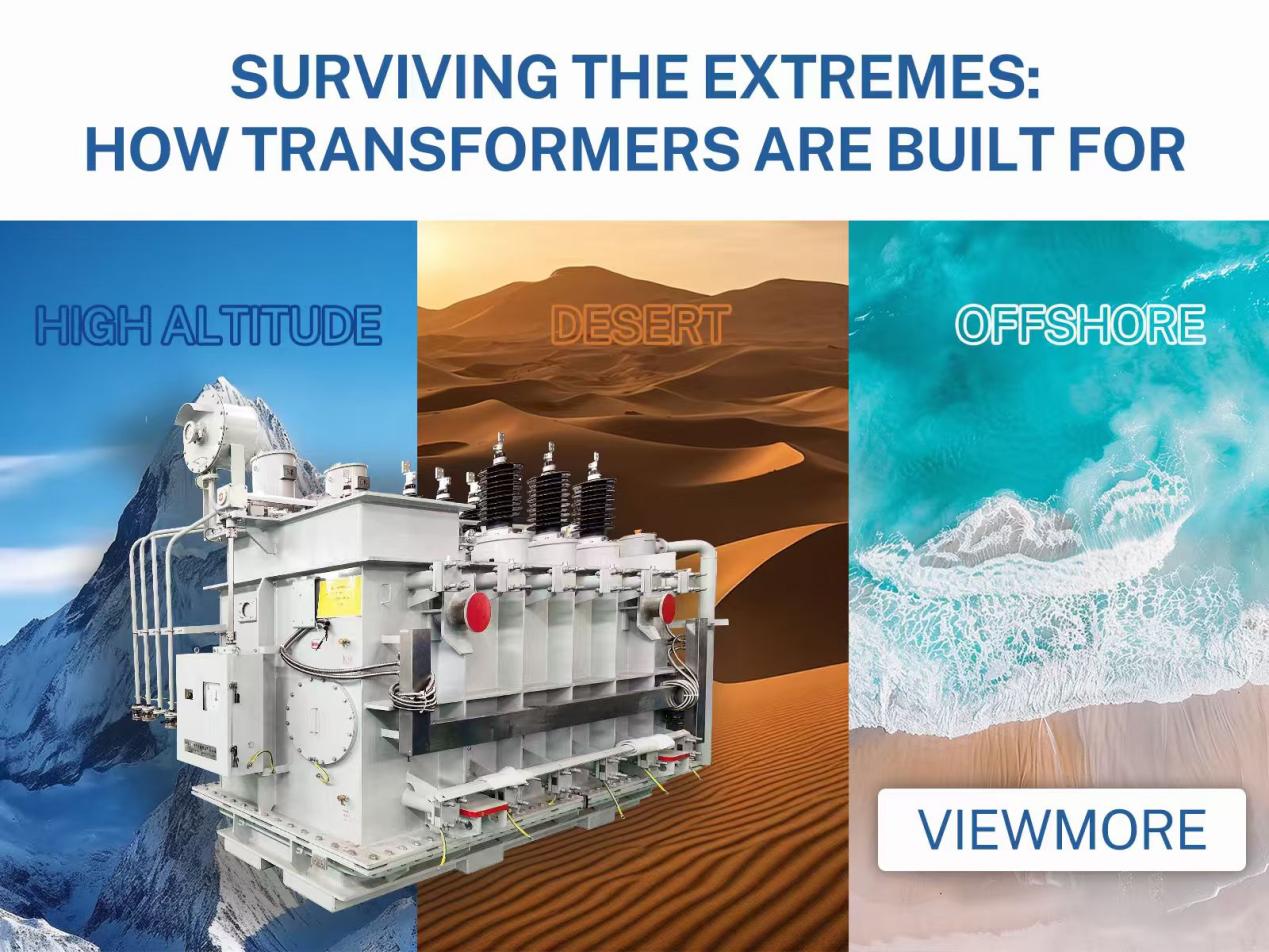
Surviving the Extremes: How Transformers Are Built for High Altitude, Desert, and Offshore
2026-04-16
When a transformer works at sea level in a temperate climate, the engineering is largely predictable. But what happens when you send the same transformer to 4,000 meters in the Tibetan Plateau, or to a desert where temperatures swing 80°C between day and night, or to an offshore platform battered by salt spray and typhoons?
The Transformer's Carbon Passport: Why Your Next Bid Might Require an EPD
2026-04-14
The numbers are sobering. The energy sector accounts for roughly 40% of global greenhouse gas emissions, and the transformers quietly humming in our substations are a significant part of that story. It's easy to overlook them, but what's coming next in global trade is impossible to ignore. The era of the "silent workhorse" is ending, and the era of the "accountable asset" is beginning.
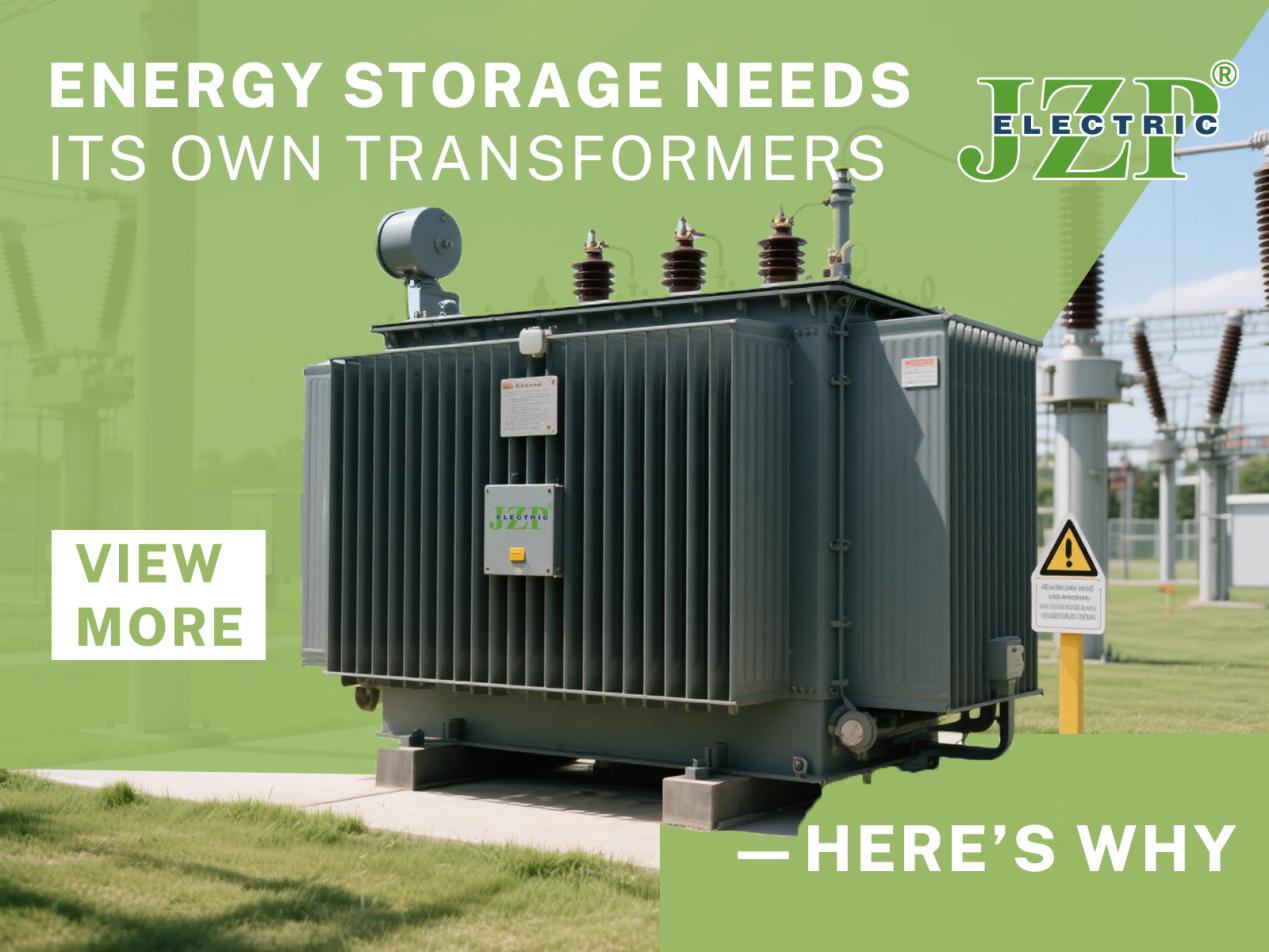
Energy Storage Needs Its Own Transformers—Here’s Why
2026-04-13
As battery energy storage systems (BESS) become essential to modern grids, a new class of transformer has emerged. Storage systems charge and discharge daily—sometimes multiple times—creating thermal cycles and bidirectional power flows that conventional distribution transformers were never designed to handle. This article explains the unique requirements of transformers for energy storage applications and why they differ from standard units.
How Healthy Is Your Transformer? Understanding Preventive Testing Cycles and Standards
2026-04-10
Transformers do not fail without warning. They send signals through oil chemistry, electrical measurements, and thermal behavior long before a catastrophic event. Preventive testing is the systematic practice of measuring transformer health at regular intervals, catching problems early. For asset managers and procurement professionals, understanding testing cycles and standards is essential for maintaining reliability.
When Transformers Hum: How to Measure and Quiet the Noise
2026-04-08
The familiar hum of a transformer is more than background noise—it is a critical consideration for substation siting, especially in urban and residential areas. As environmental regulations tighten, understanding transformer sound levels has become essential for procurement professionals and project planners.
The Price Tag Doesn’t Tell the Whole Story: Transformer Losses and Smart Buying
2026-04-03
When evaluating a transformer, purchase price is only the beginning. Over its 30- to 40-year service life, the cost of energy lost as heat often exceeds the initial purchase price. Understanding transformer losses and their economic impact is essential for procurement professionals seeking to make sound decisions.

Unlocking Global Markets: A Practical Guide to Transformer HS Codes and Export Compliance
2026-04-03
In international trade, every product needs a "passport"—the Harmonized System (HS) code that customs authorities use to identify goods, assess duties, and enforce regulations. For transformers, correct HS code classification is not a mere formality; it determines tariff rates, eligibility for trade agreements, and smooth customs clearance. This guide provides a practical overview of transformer HS codes, tariff considerations, and essential export documentation for procurement professionals navigating global markets.

The Transformer of 2050: A Glimpse into the Future of Grid Technology
2026-04-02
By 2050, the world will look fundamentally different. Global electricity demand is projected to surge, with the International Energy Agency estimating that we will need approximately four times the current power generation capacity, transmitting up to three times as much electrical energy as in 2020. Electricity will become the backbone of the entire energy system, powering not just lights and motors but transportation, heating, and industry.
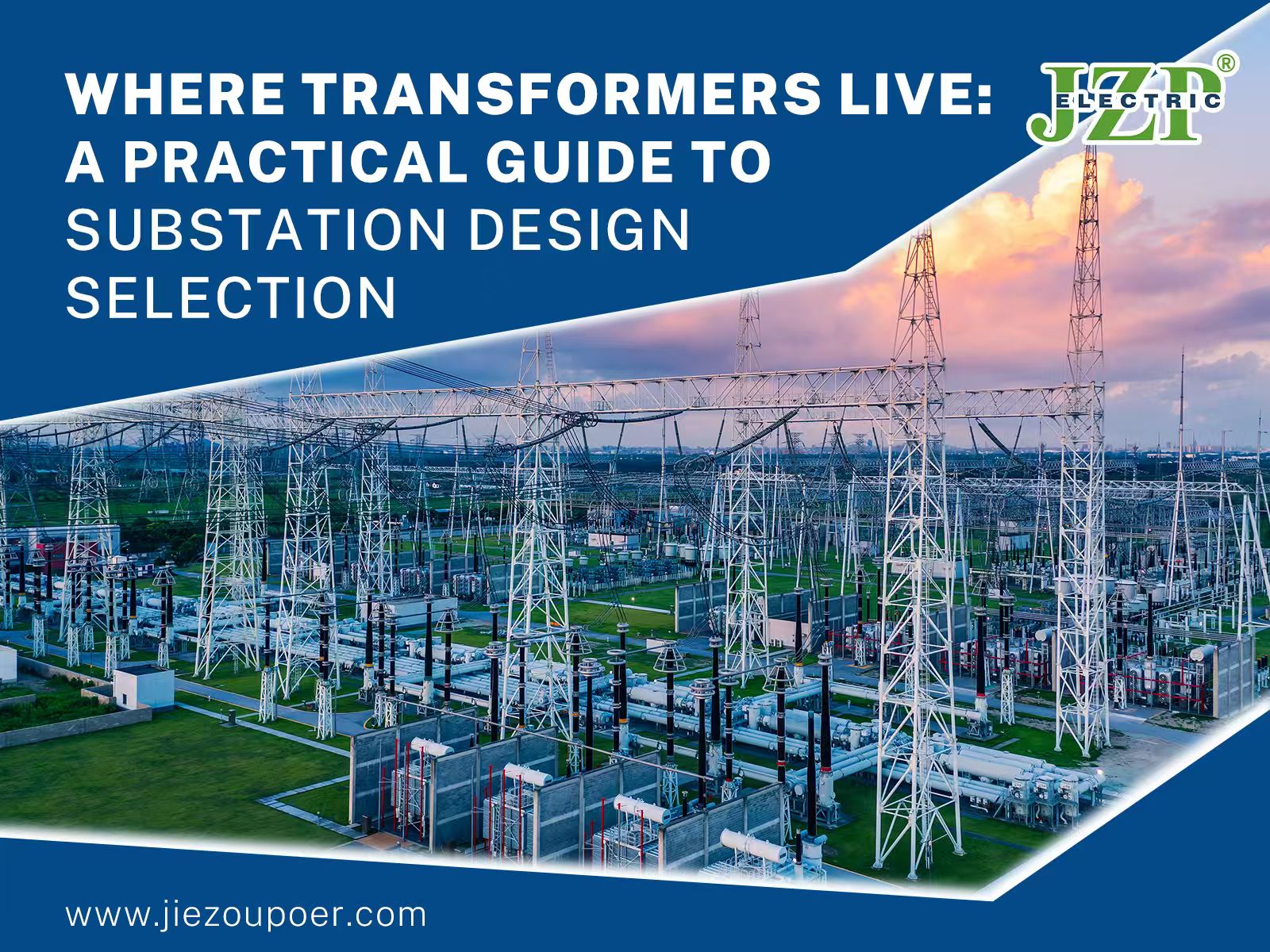
Where Transformers Live: A Practical Guide to Substation Design and Selection
2026-03-31
A transformer's performance and longevity depend not only on its own quality but also on the environment in which it operates. Poorly designed substations lead to overheating, accelerated insulation aging, and difficult maintenance. Understanding how transformers integrate with their surroundings is essential for procurement professionals making informed purchasing decisions.