
 +86 18068001229




0102030405
News
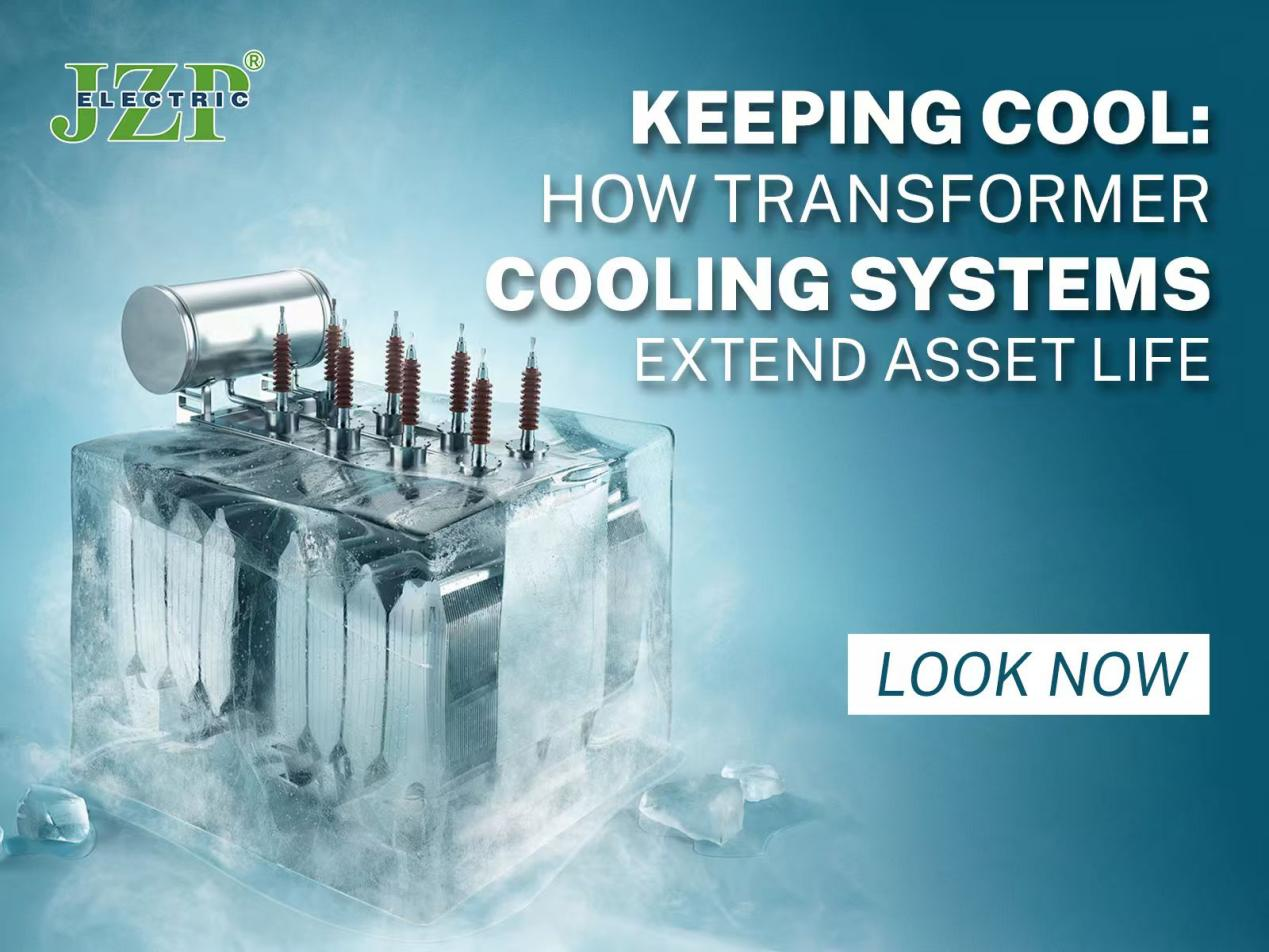
Keeping Cool: How Transformer Cooling Systems Extend Asset Life
2026-03-12
A transformer's lifespan is determined largely by its operating temperature. For every 6 to 8 degrees Celsius rise above rated temperature, insulation life is cut in half. This fundamental relationship makes cooling systems not merely auxiliary components, but critical determinants of asset longevity and reliability.
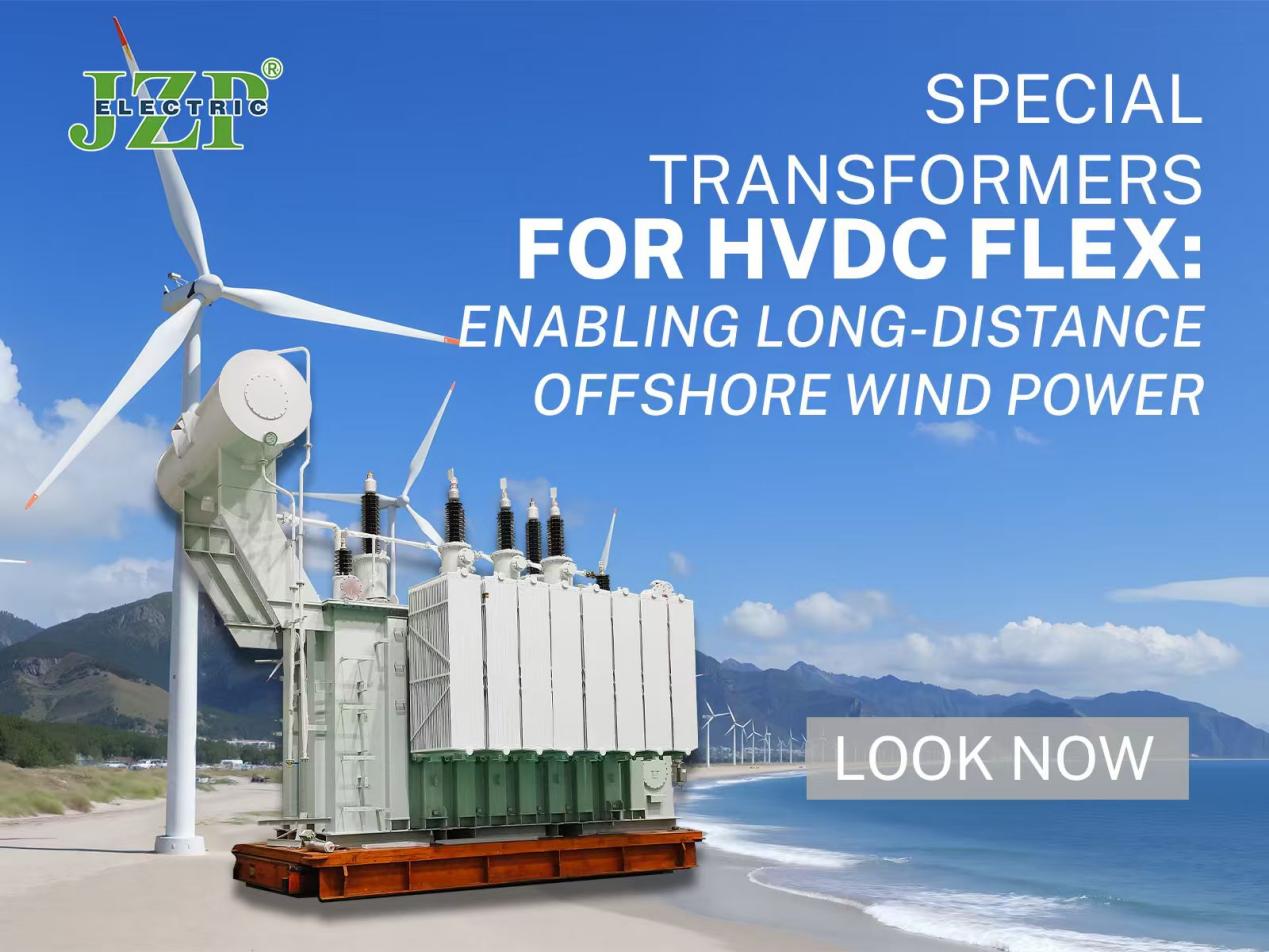
Special Transformers for HVDC Flex: Enabling Long-Distance Offshore Wind Power
2026-03-11
As offshore wind farms move further from shore—beyond 100 kilometers into deeper waters—traditional AC transmission reaches its technical limits. Submarine cables act as large capacitors, consuming reactive power and making efficient energy delivery impossible over long distances. This is where high-voltage direct current (HVDC) flexible transmission technology becomes essential, and with it, a new class of specialized transformers .
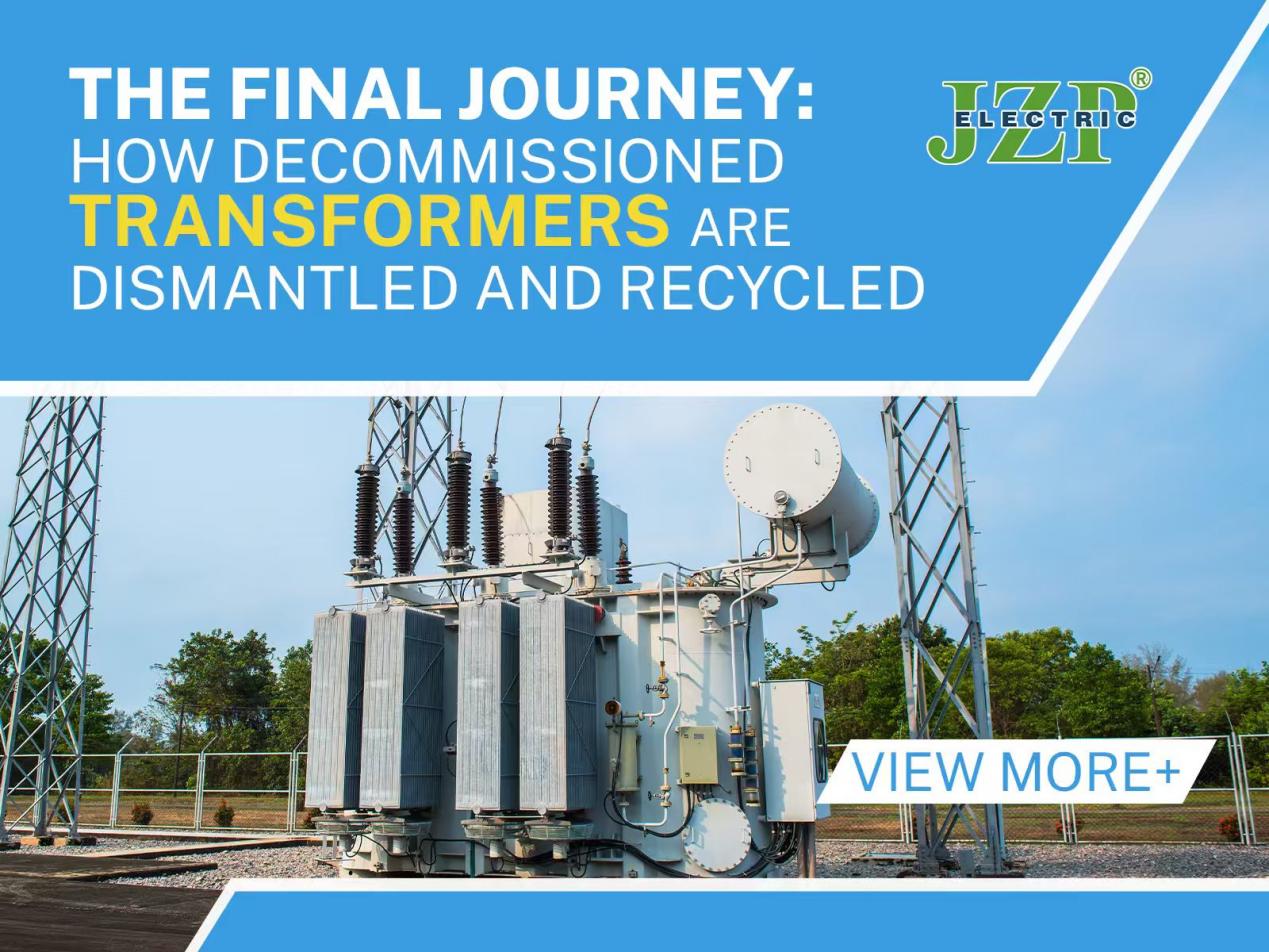
The Final Journey: How Decommissioned Transformers Are Dismantled and Recycled
2026-03-11
What happens to a transformer when it can no longer be repaired or remanufactured? For decades, the answer was simple: landfill or basic scrap recovery. Today, that approach is changing. With growing environmental regulations, rising raw material costs, and corporate sustainability commitments, the dismantling and recycling of decommissioned transformers has evolved into a sophisticated industrial process.
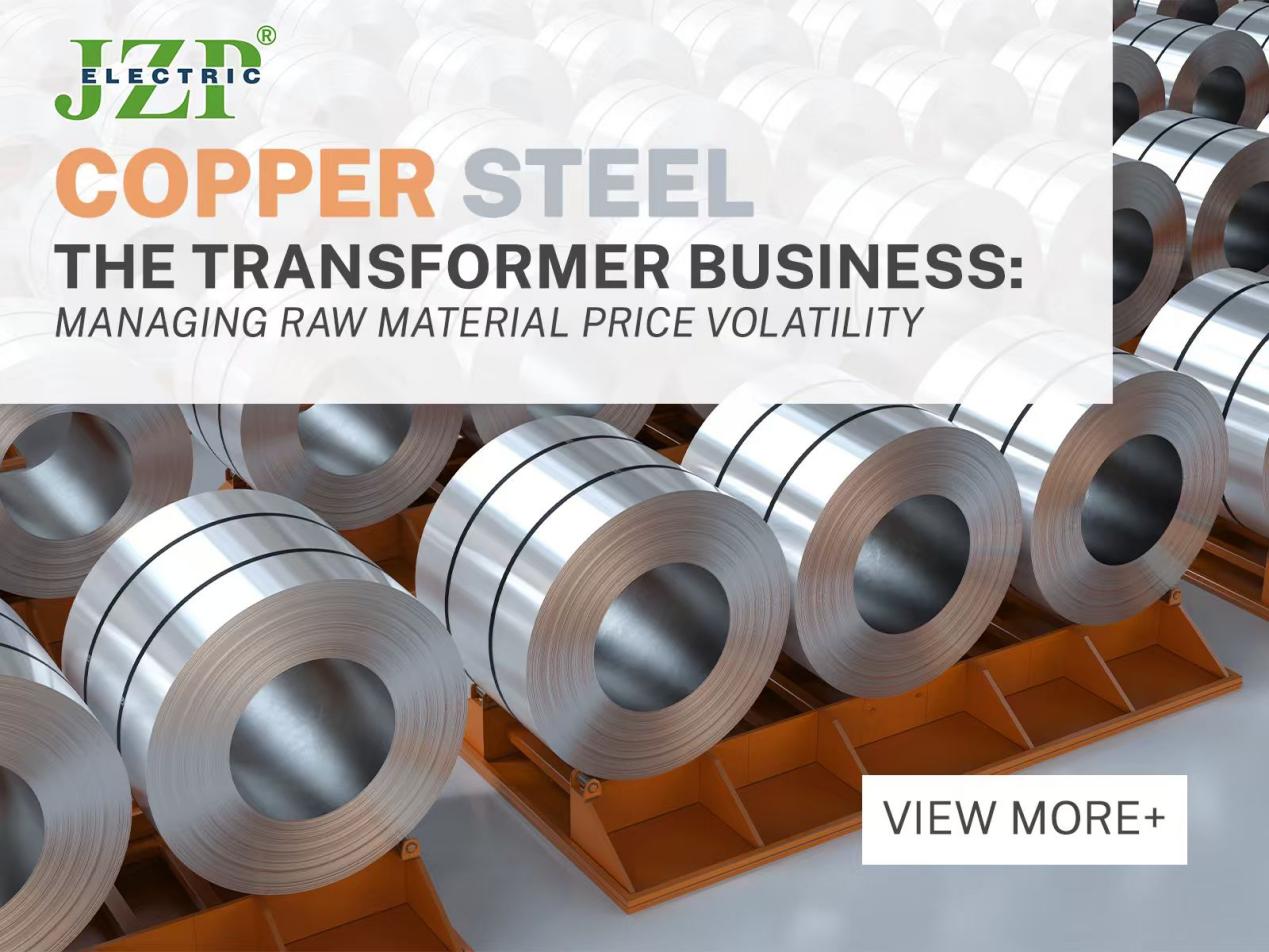
Copper, Steel, and the Transformer Business: Managing Raw Material Price Volatility
2026-03-09
For manufacturers and buyers of transformers, the cost of raw materials is not a background concern—it is a central factor in pricing, profitability, and project viability. Transformers are material-intensive products, with copper and grain-oriented electrical steel (GOES) alone accounting for a substantial portion of total manufacturing costs. When these commodity prices shift, the effects ripple through the entire supply chain.
The Second Life of Power Transformers: How Remanufacturing Is Reshaping Asset Management
2026-03-05
What happens to a transformer at the end of its service life? For decades, the answer was simple: scrap it or send it to landfill. Today, a different approach is gaining momentum—one that offers compelling advantages for both asset owners and the environment.
What Happens When Transformers Learn to Talk? The Rise of Intelligent Grid Assets
2026-03-04
That era is ending. Today, transformers are learning to talk. Equipped with sensors, connected to the cloud, and powered by artificial intelligence, a new generation of intelligent transformers can report their health, predict failures, and optimize grid performance in real time. For grid operators and procurement professionals, understanding these smart assets is becoming essential.
Can Transformers Become Truly Green? A Look at the Technologies Reshaping the Grid
2026-03-03
The global push for decarbonization has reached every corner of the electrical industry—including the humble transformer. For decades, transformer technology remained relatively static: mineral oil for insulation, grain-oriented steel for cores, and efficiency levels that improved only incrementally.
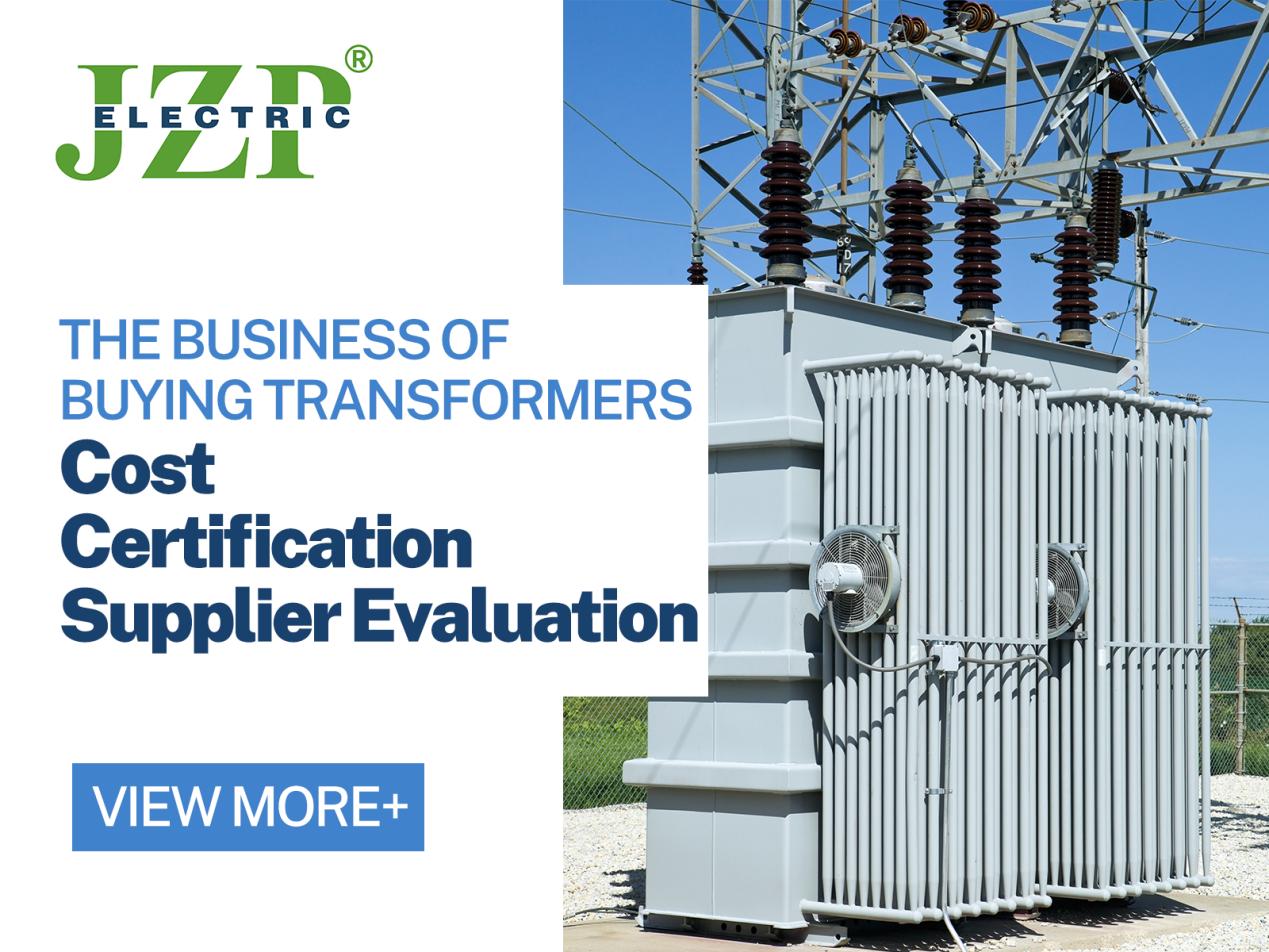
The Business of Buying Transformers—Cost, Certification, and Supplier Evaluation
2026-03-02
Once you have determined the technical specifications for your transformer, the next challenge is making a sound commercial decision. How do you compare costs across different suppliers? What certifications should you look for when importing? How do you evaluate whether a manufacturer can deliver on time and meet quality expectations?
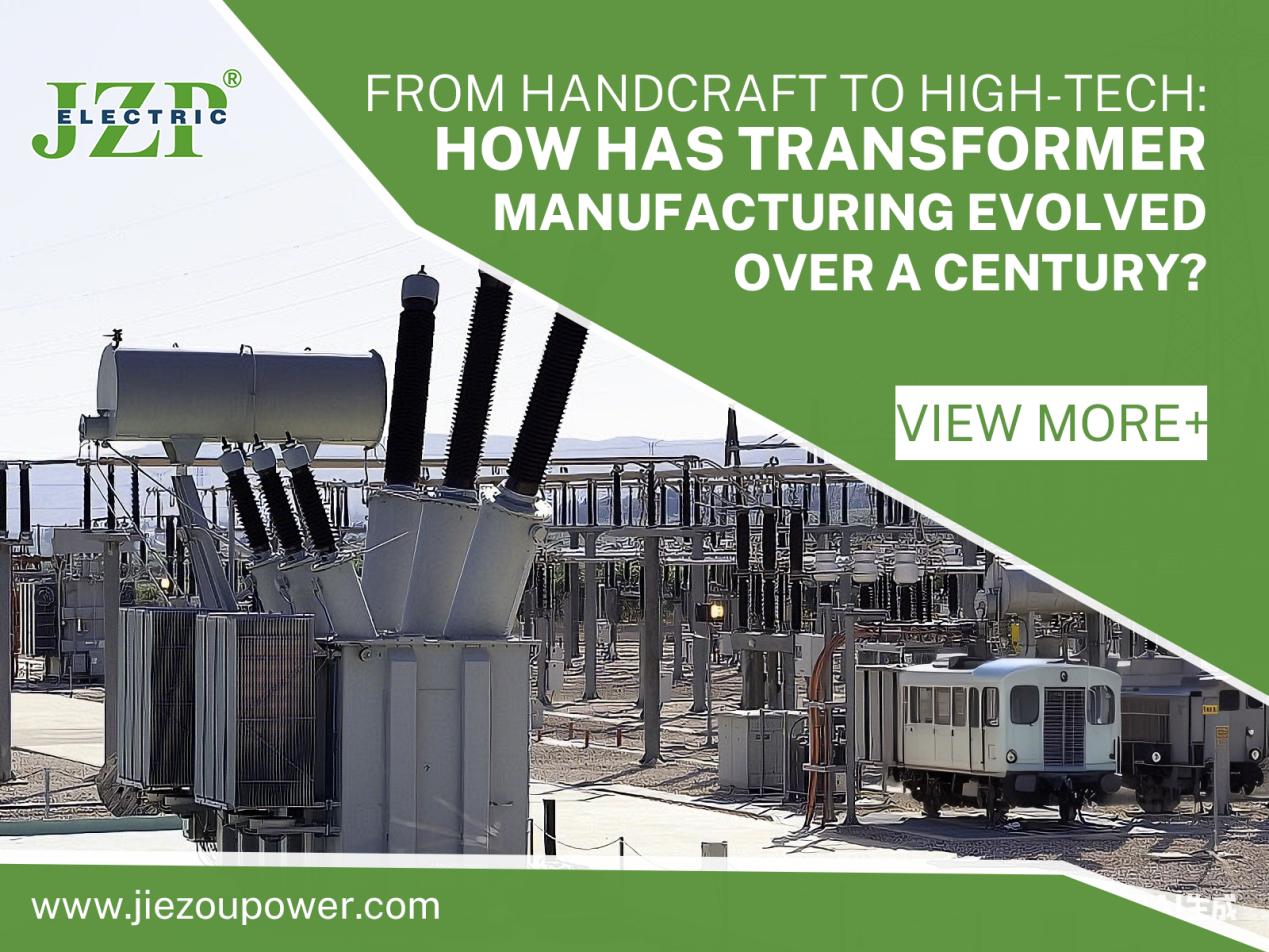
From Handcraft to High-Tech: How Has Transformer Manufacturing Evolved Over a Century?
2026-02-27
The transformer is often called the workhorse of the electrical grid. It has no moving parts, requires minimal maintenance, and can operate reliably for decades. But behind this apparent simplicity lies a manufacturing process that has evolved significantly over the past century.
Reshaping the Grid's Foundation: Three Breakthrough Frontiers in Transformer Technology
2026-02-26
That is the first reaction many people have when they hear "transformer technology." After all, electromagnetic induction was discovered in 1831. The basic form of the modern transformer was set by 1885. What new story could a 140-year-old device possibly have to tell?