
 +86 18068001229




0102030405
Industry News
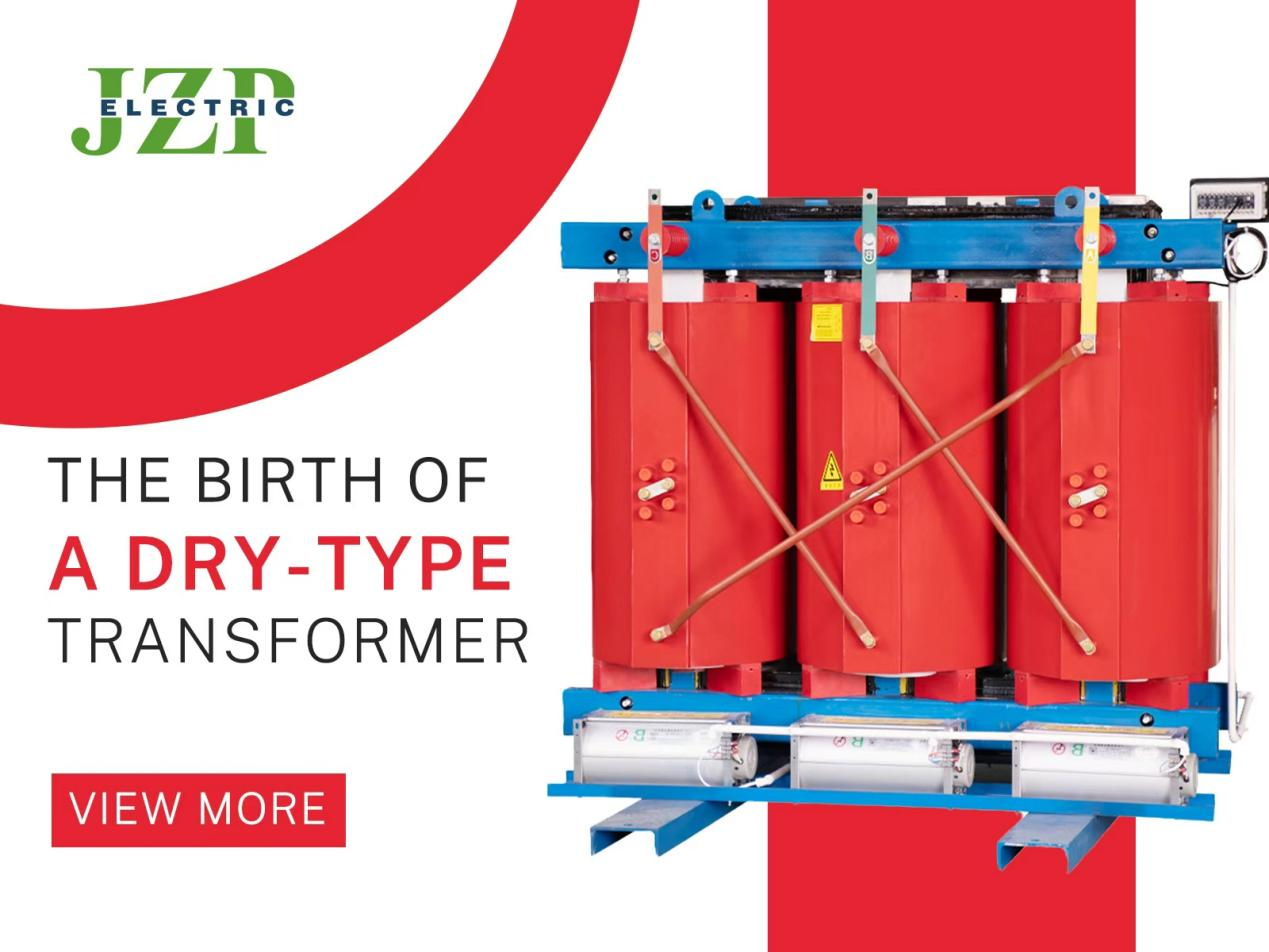
The Birth of A Dry-type Transformer
2025-12-08
The core is the heart of the transformer's magnetic circuit. Its quality directly impacts the transformer's no-load loss and noise level.
What's Hydrogen Production Rectifier Transformer?
2025-12-05
A rectifier transformer for hydrogen production is the specialized "heart and power supply system" for water electrolysis hydrogen production equipment (the electrolyzer). Its core task is to convert the grid's alternating current (AC) into the direct current (DC) with high current and low voltage required by the electrolyzer.
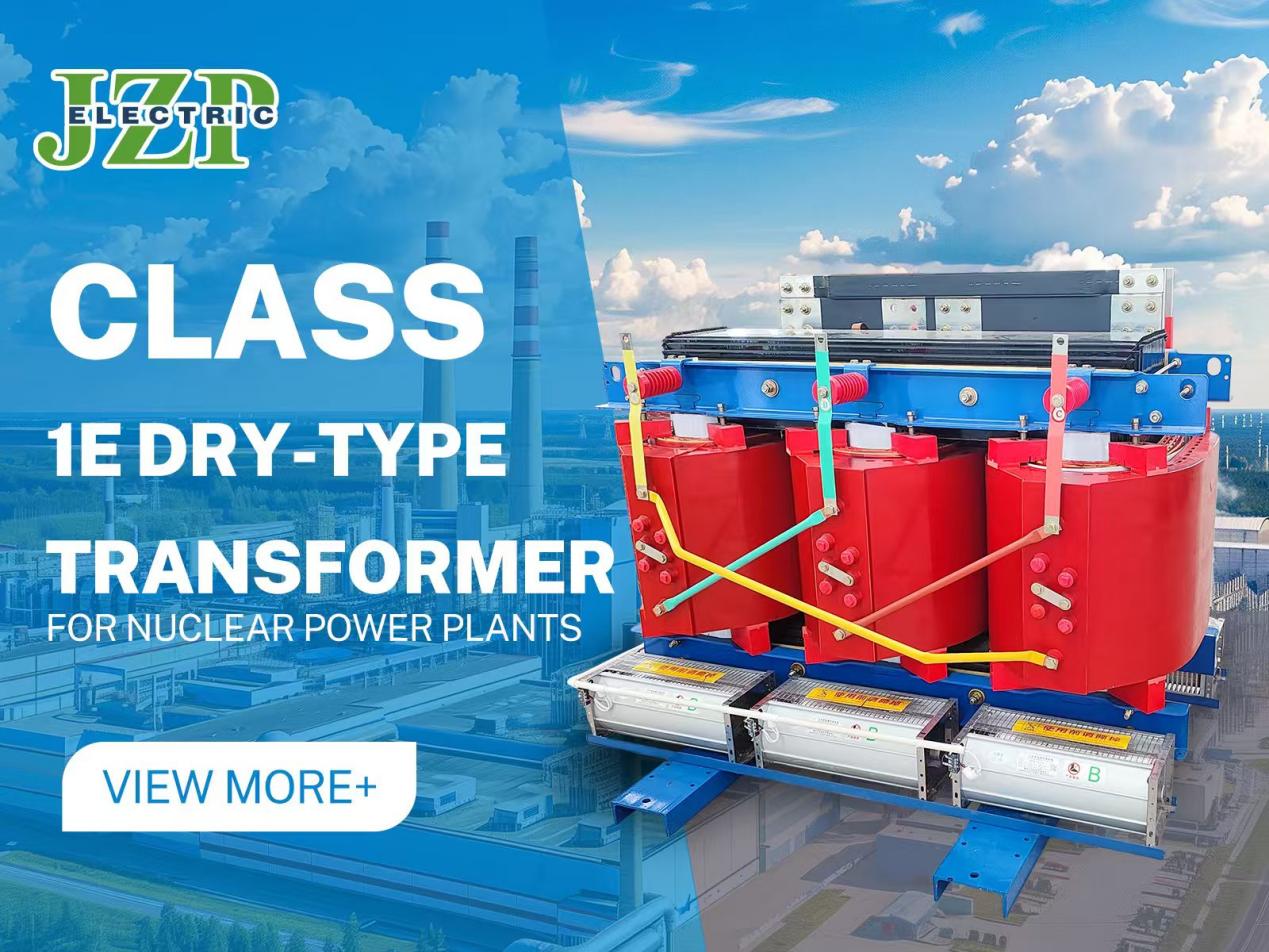
Class 1E Dry-Type Transformer for Nuclear Power Plants
2025-12-04
This is a safety classification derived from nuclear power plant design standards (e.g., IEEE Std 323 in the US or GB/T 12727 in China). It refers to the electrical equipment and systems essential for performing key safety functions, such as reactor emergency shutdown, containment isolation, reactor core cooling, and prevention of radioactive material release.
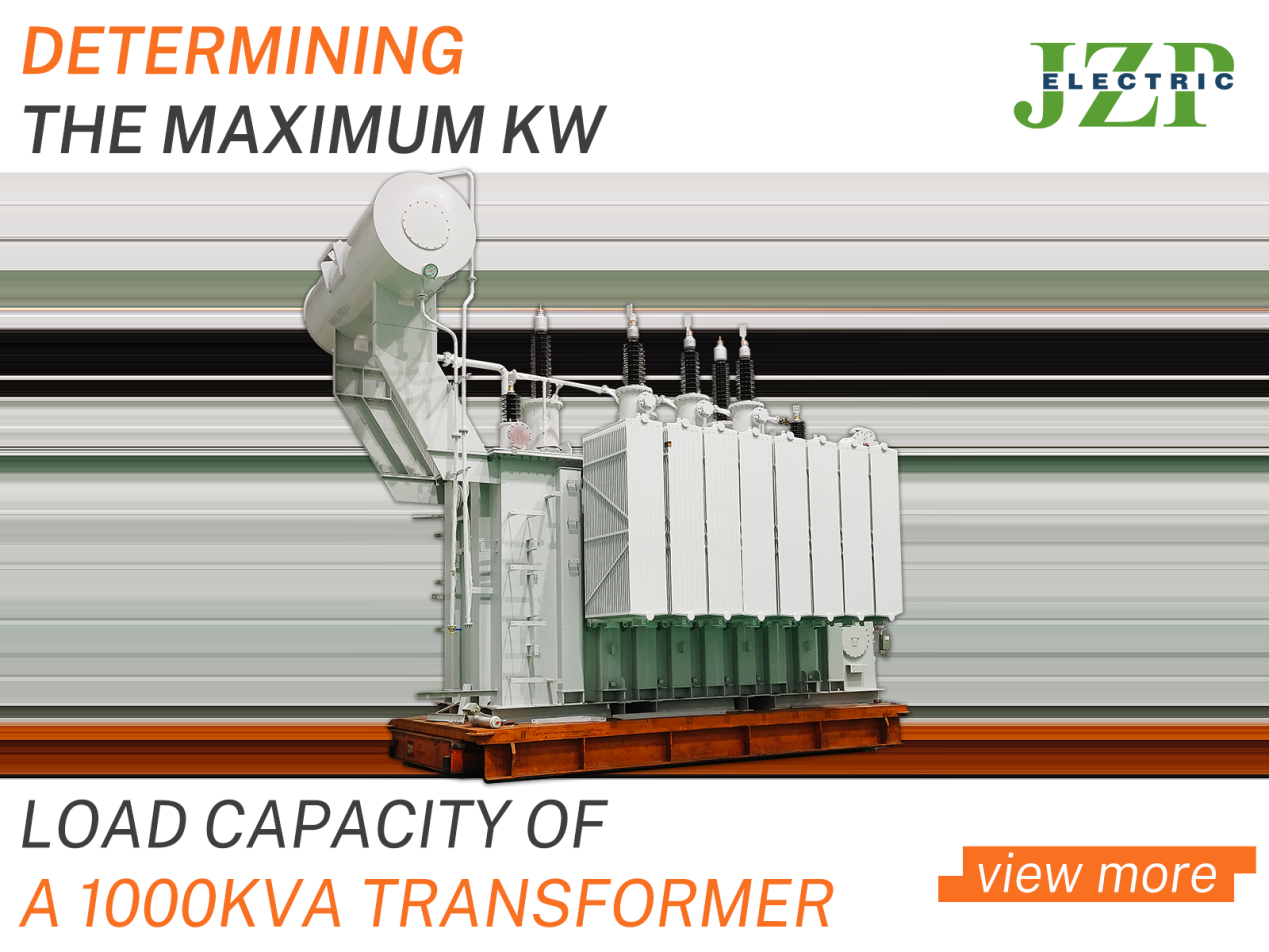
Determining the Maximum kW Load Capacity of A 1000kVA Transformer: Impact of Power Factor
2025-12-01
With an older-type 1000kVA transformer currently handling a load of approximately 200kW, can this transformer accommodate the increased demand if we plan to add a new load of approximately 600kW? This question primarily revolves around a fundamental concept: the relationship and distinction between kVA and kW.
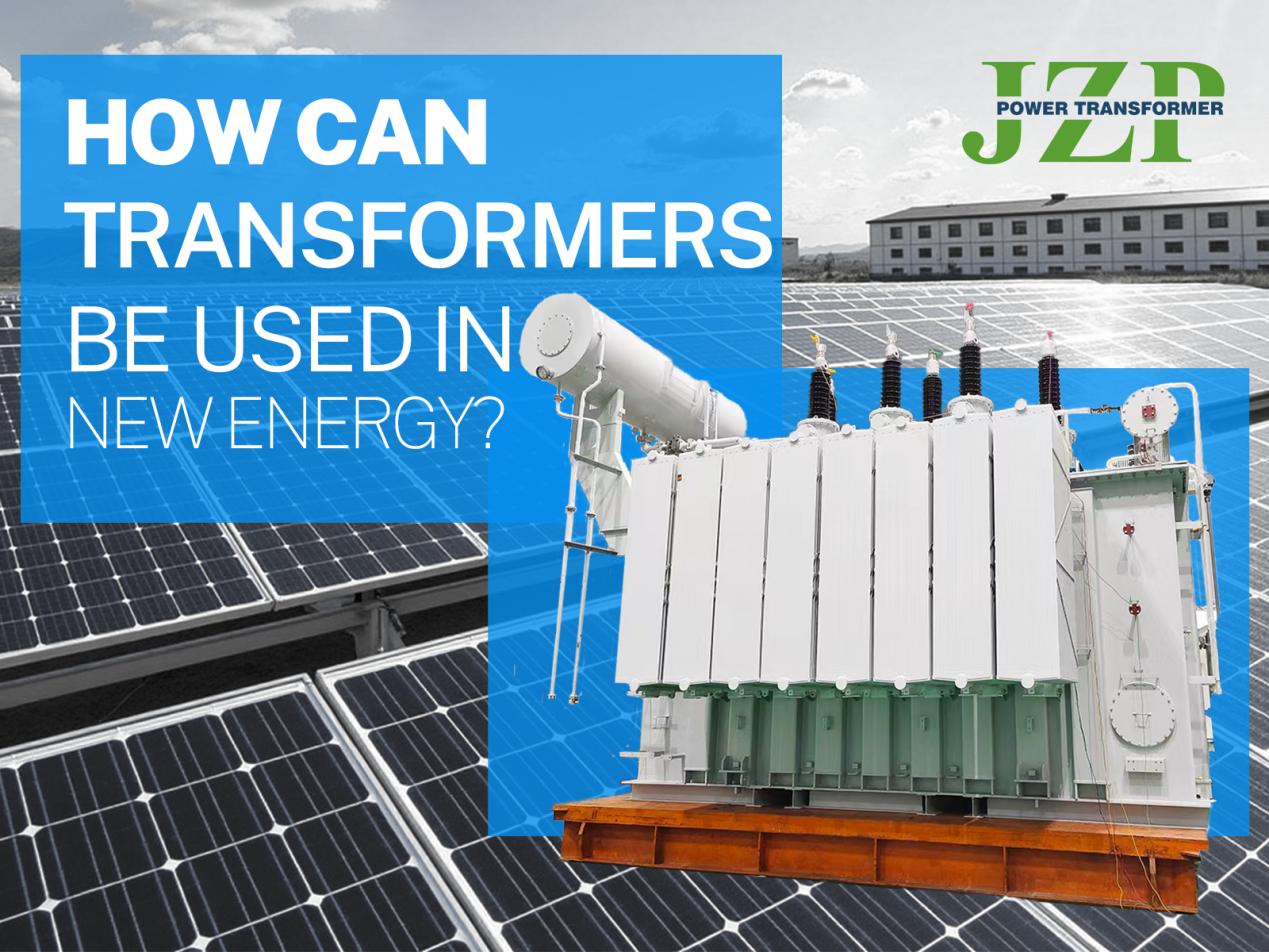
How can transformers be used in new energy?
2025-11-27
With the continuous enhancement of global environmental awareness and the rapid progress of technology, new energy projects are gradually becoming the mainstream products in the future transformer market. These projects not only promote the green transformation of the power system, but also provide strong support for the construction of a more secure and efficient energy network. Through the use of advanced renewable energy technologies such as wind, solar and energy storage systems, new energy transformers can effectively reduce carbon emissions and reduce reliance on traditional fossil fuels, thereby contributing to the achievement of global carbon neutrality.
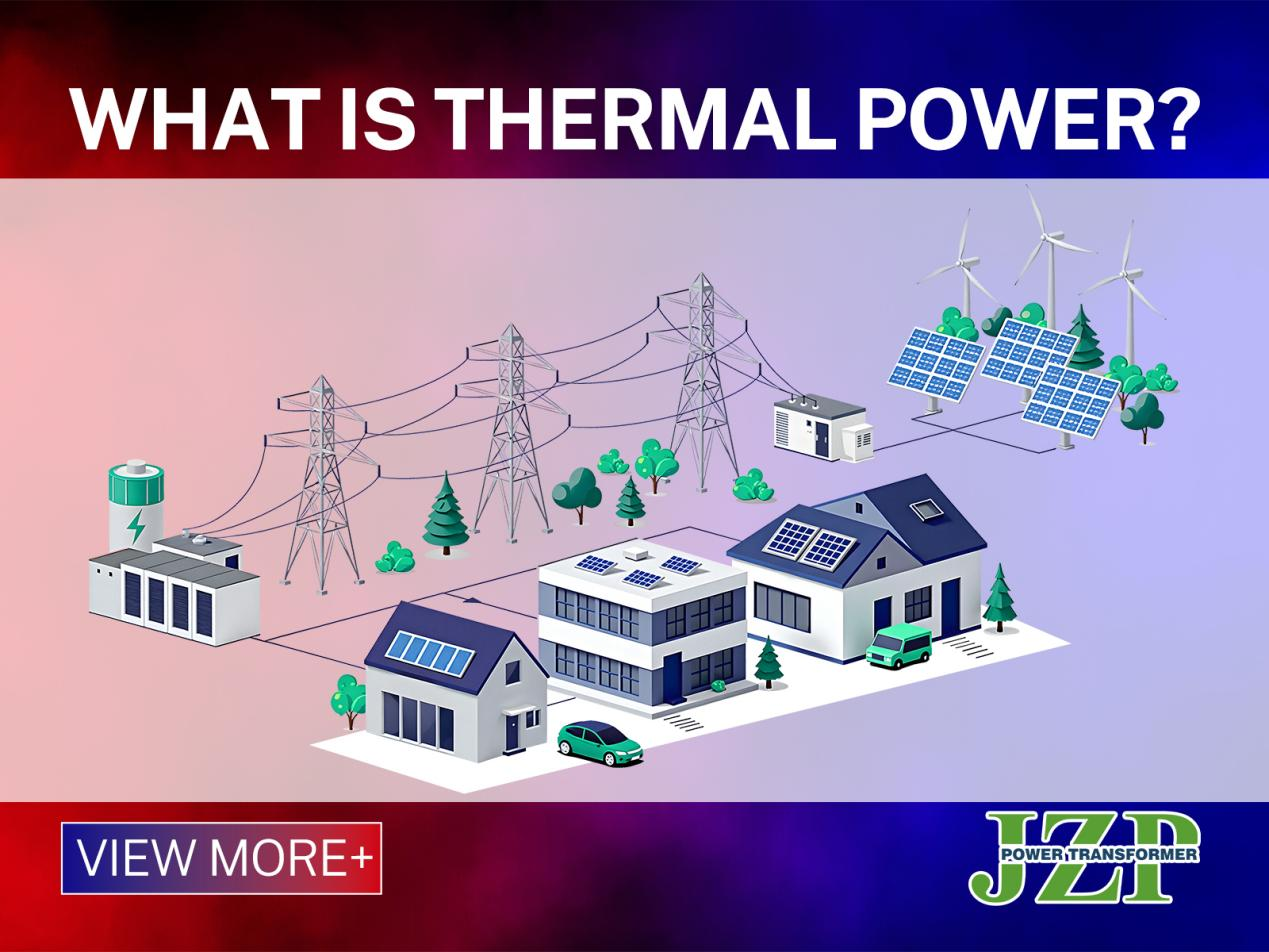
What is Thermal Power?
2025-11-26
Thermal power is electricity generated by using heat. The vast majority of the time, this heat is used to convert water into high-pressure steam, which then spins a turbine connected to a generator, producing electricity.
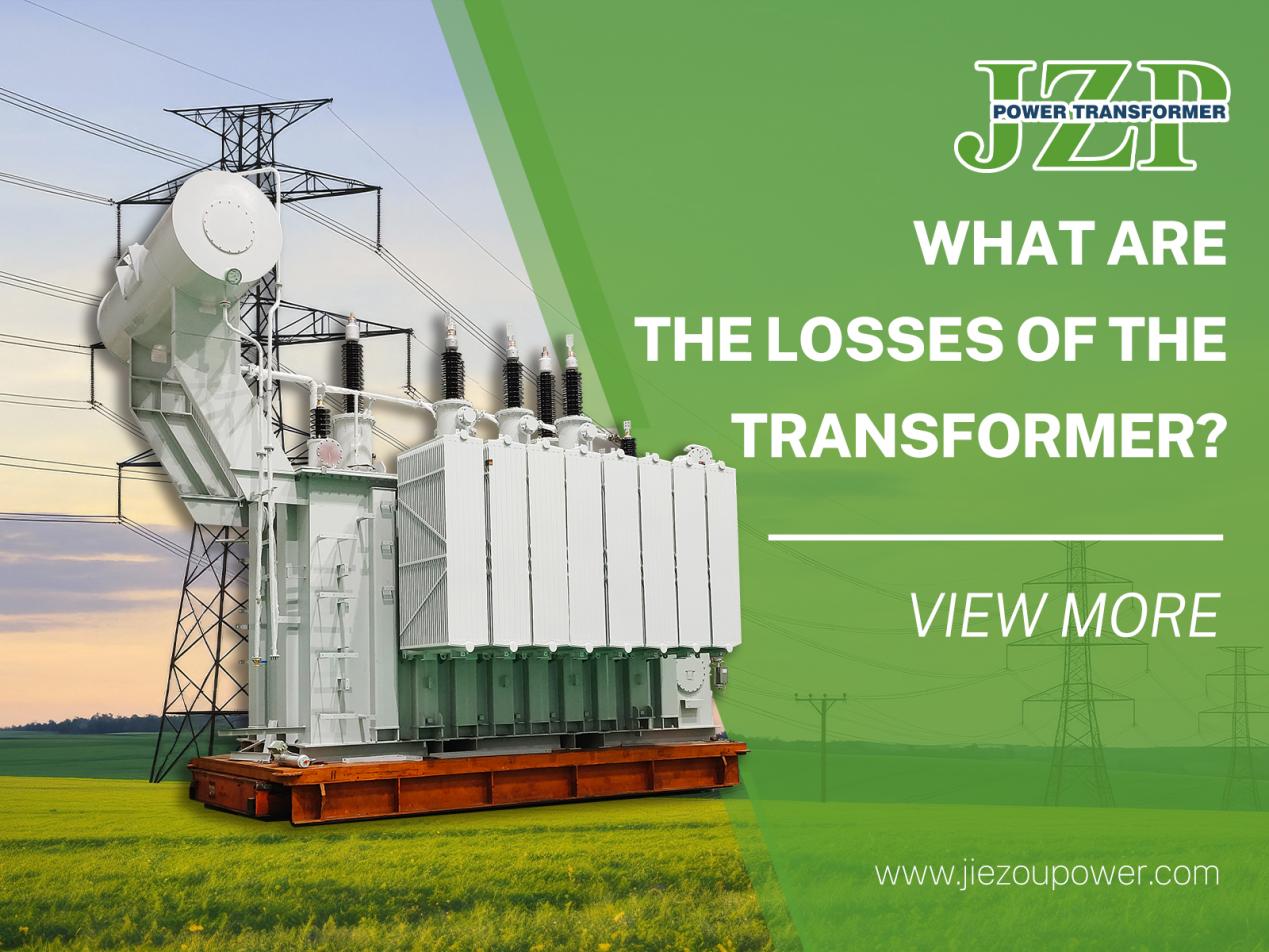
What Are The Losses of The Transformer?
2025-11-25
The loss of power transformer mainly includes copper loss and iron loss. This is because any electrical equipment will produce losses during a long period of operation, and power transformers are no exception.
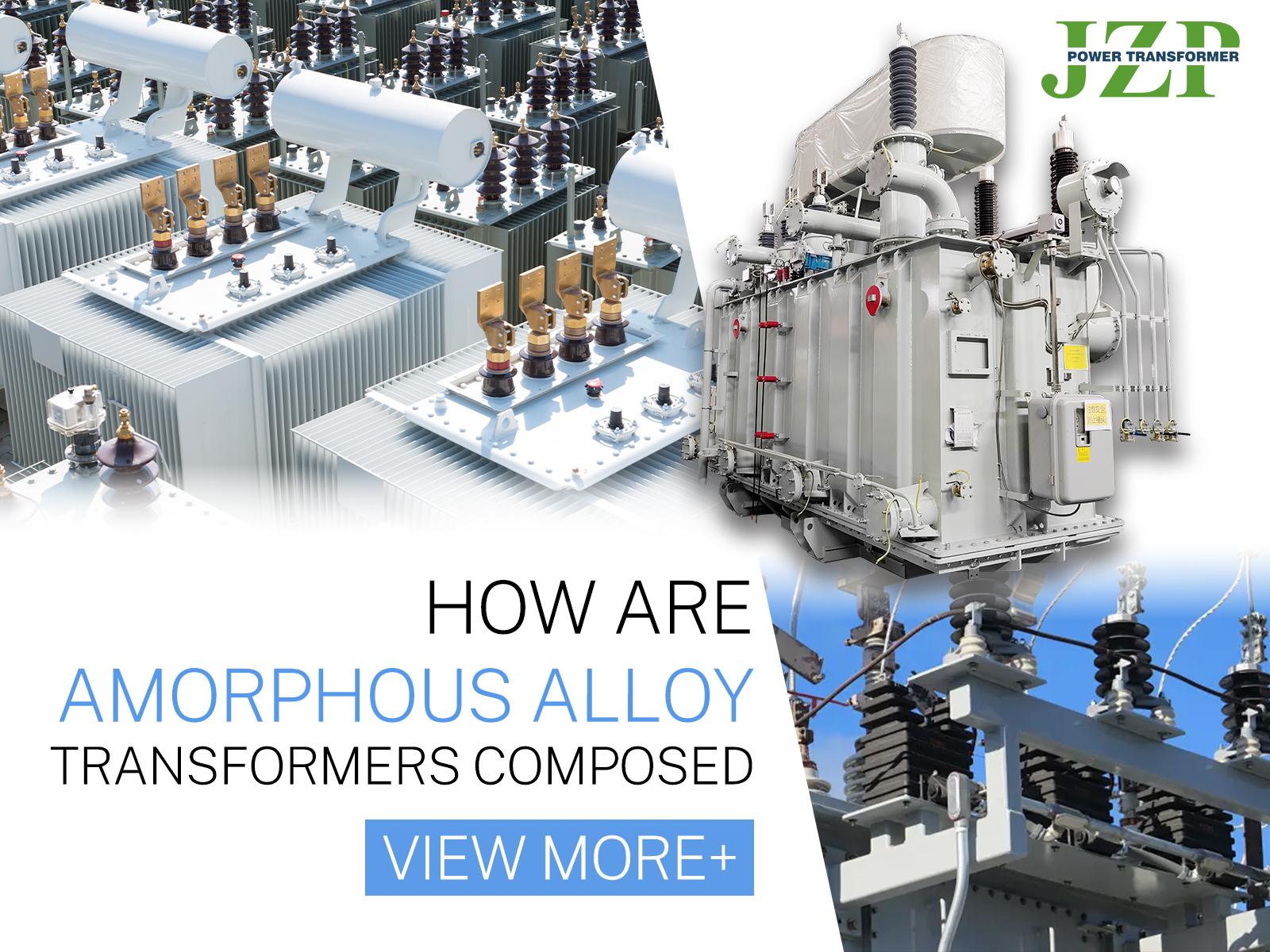
Amorphous Alloy Transformer Composition and Structural Design (JZP Technical Perspective)
2025-11-24
Amorphous alloy transformers, pioneered by companies like JZP, represent a revolutionary advancement in power distribution technology. Their unique structure leverages the intrinsic properties of amorphous metal alloys to achieve unparalleled efficiency and sustainability. Below is a detailed breakdown of their composition and structural innovations, with a focus on JZP's engineering solutions.
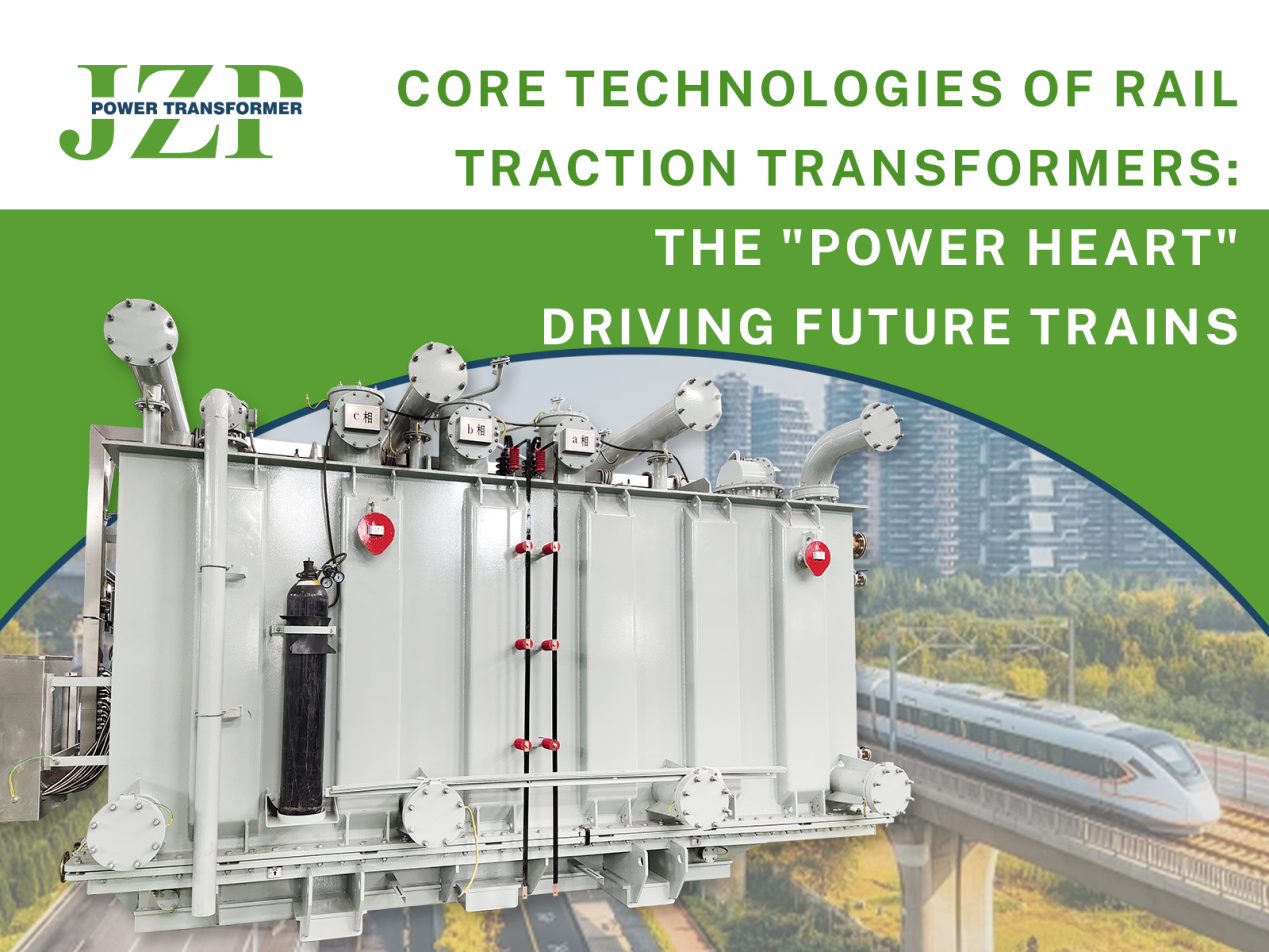
Core Technologies of Rail Traction Transformers: The "Power Heart" Driving Future Trains
2025-11-21
Rail traction transformers serve as the core equipment of traction power systems, performing three critical functions: power conversion, voltage regulation, and isolation protection. This article analyzes how they enable efficient operation of high-speed rail, subways, and maglev systems through technical principles, innovations, and applications.
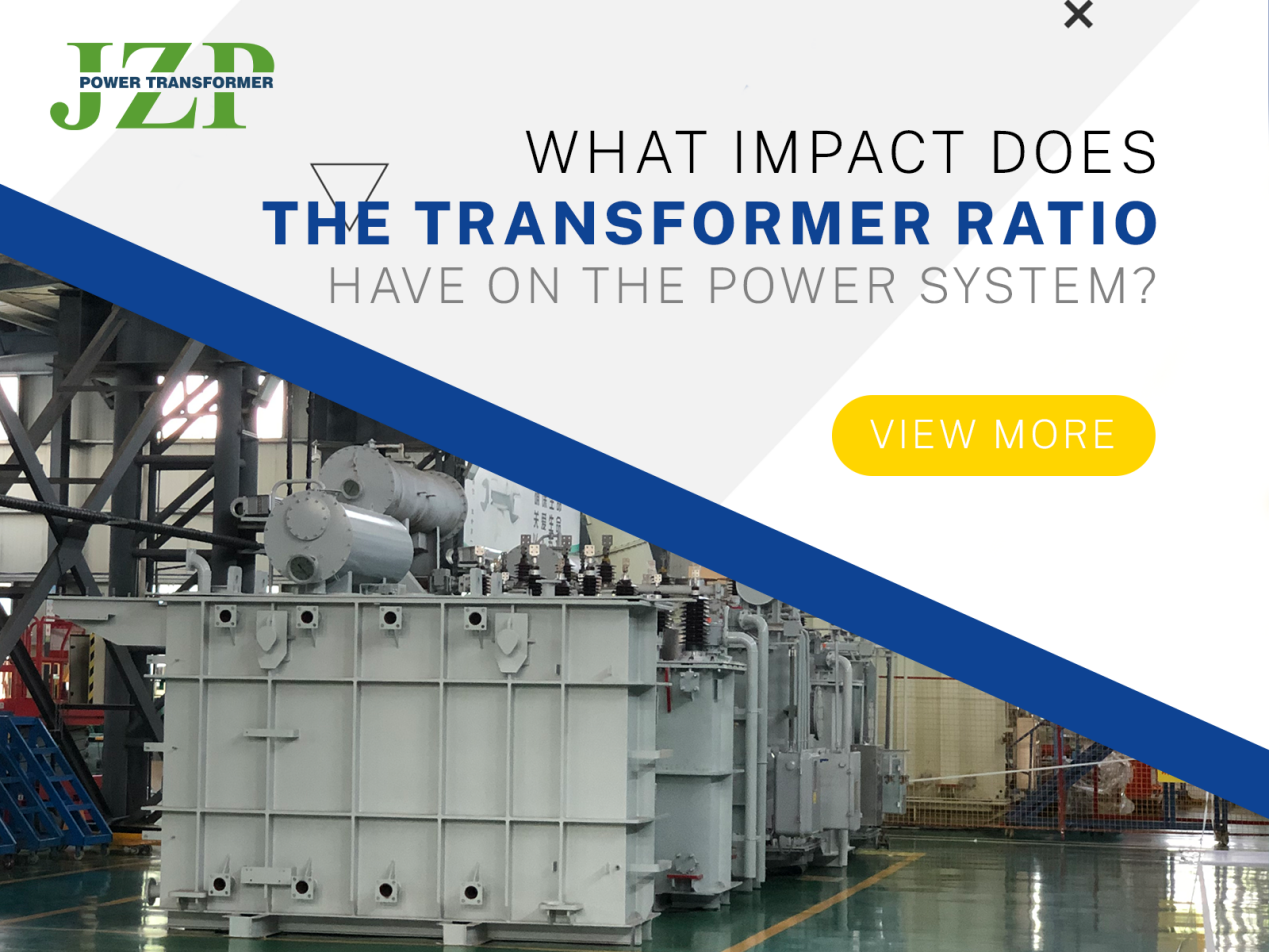
What Impact Does The Transformer Ratio Have on The Power System?
2025-11-20
The transformation ratio of a transformer refers to the voltage ratio between the high-voltage (HV) winding and low-voltage (LV) winding. Specifically, it represents the ratio of the rated voltage on the primary side (typically designated as the high-voltage or input side) to the rated voltage on the secondary side (generally identified as the low-voltage or output side).