
 +86 18068001229



0102030405
Industry News
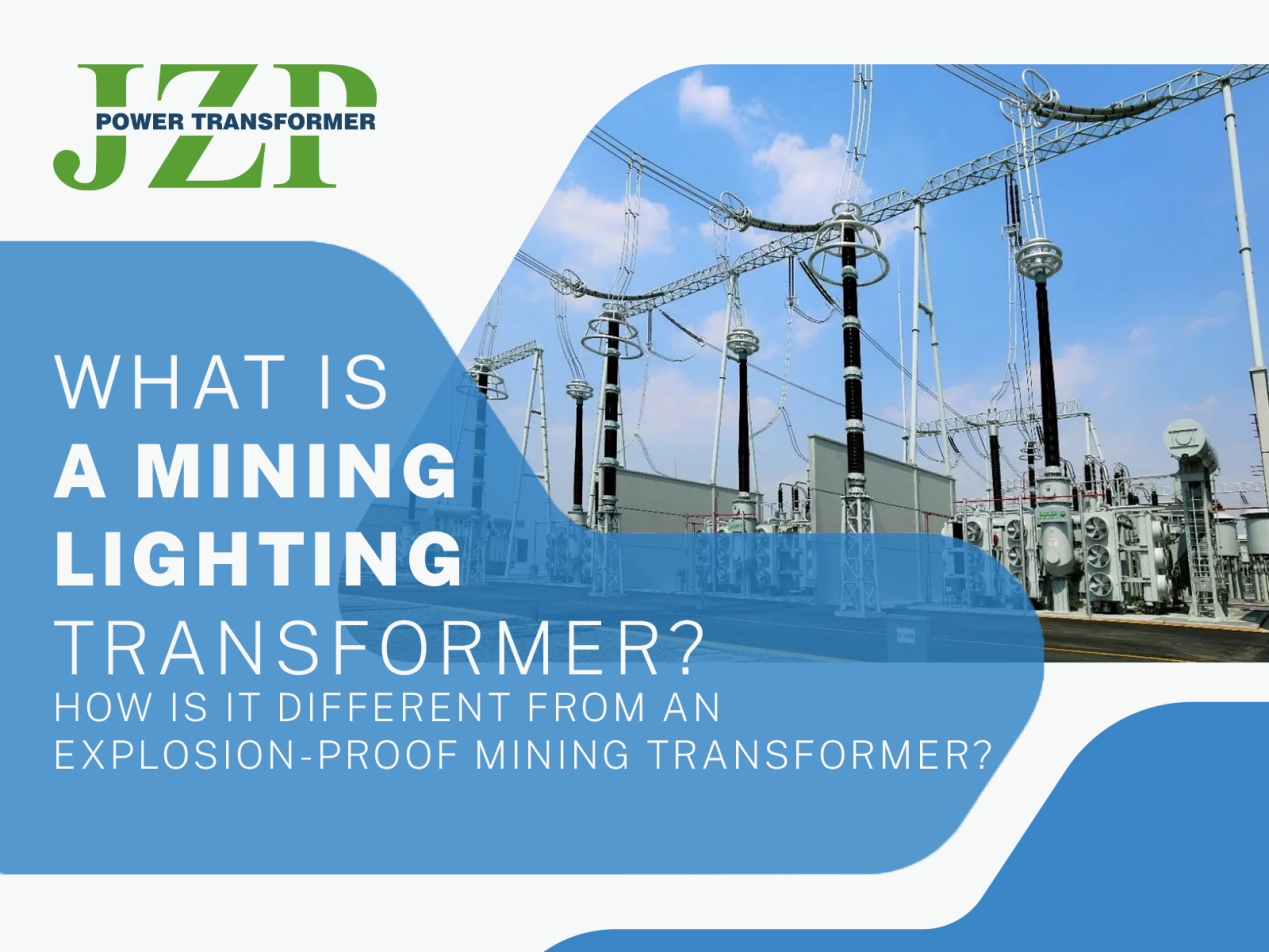
What is a Mining Lighting Transformer?
2025-11-19
A Mining Lighting Transformer is a special type of transformer designed specifically to power the lighting systems in mines (including coal and non-coal mines). Its core task is to provide a safe, reliable, and stable low voltage to operate the underground lighting equipment.
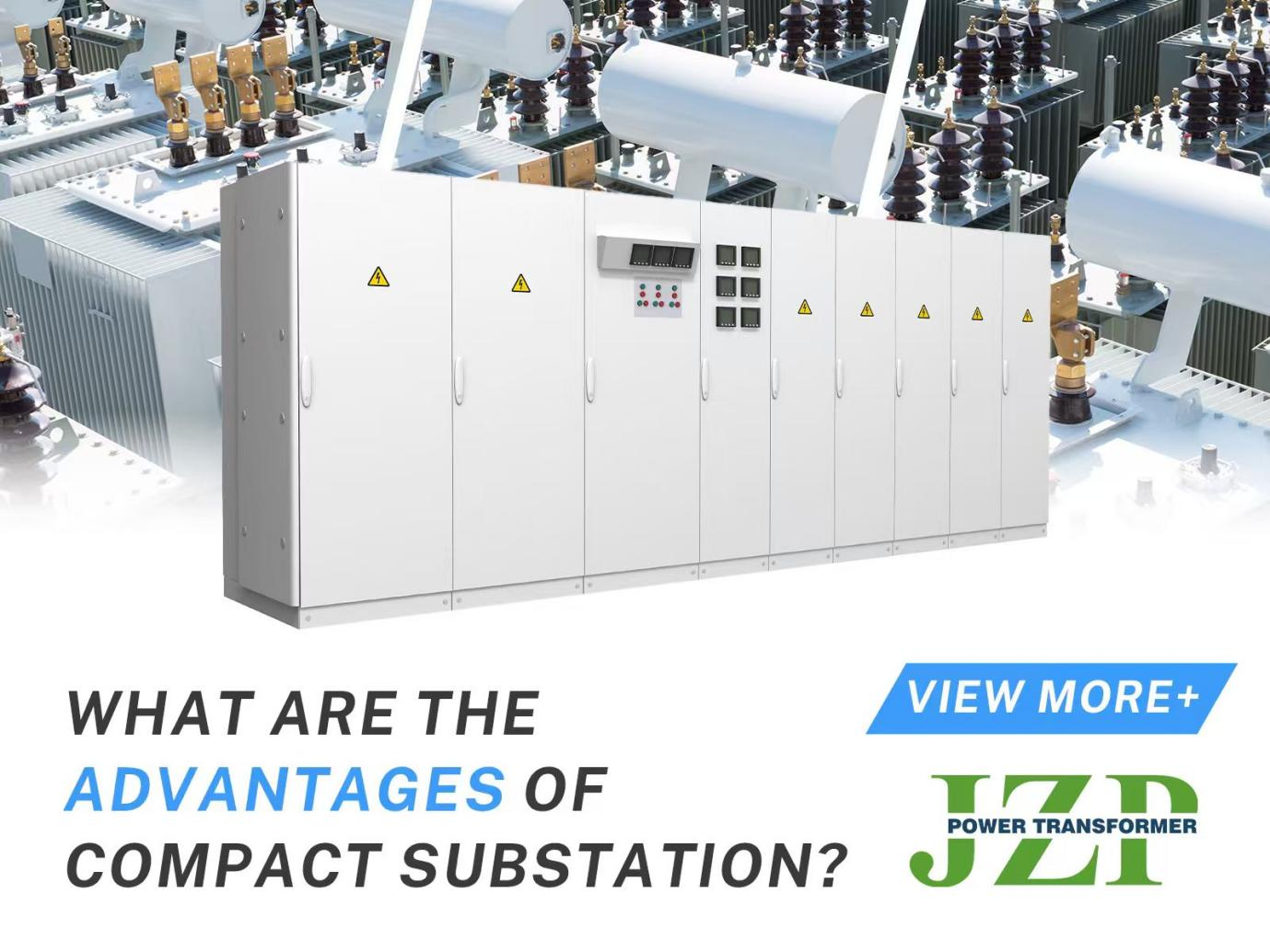
What Are The Advantages of JZP Compact Substation?
2025-11-18
In today's fast-evolving energy landscape, the demand for efficient, cost-effective, and space-saving solutions is on the rise. Traditional substations, though reliable, can pose challenges, especially in urban areas where space is limited and infrastructure projects are expensive. Enter JZP compact substations, an innovative solution designed by JZP to meet modern energy distribution needs while overcoming the limitations of traditional setups. In this article, we’ll explore the key advantages of JZP compact substations, their use cases, and what factors to consider when choosing the right one for your requirements.
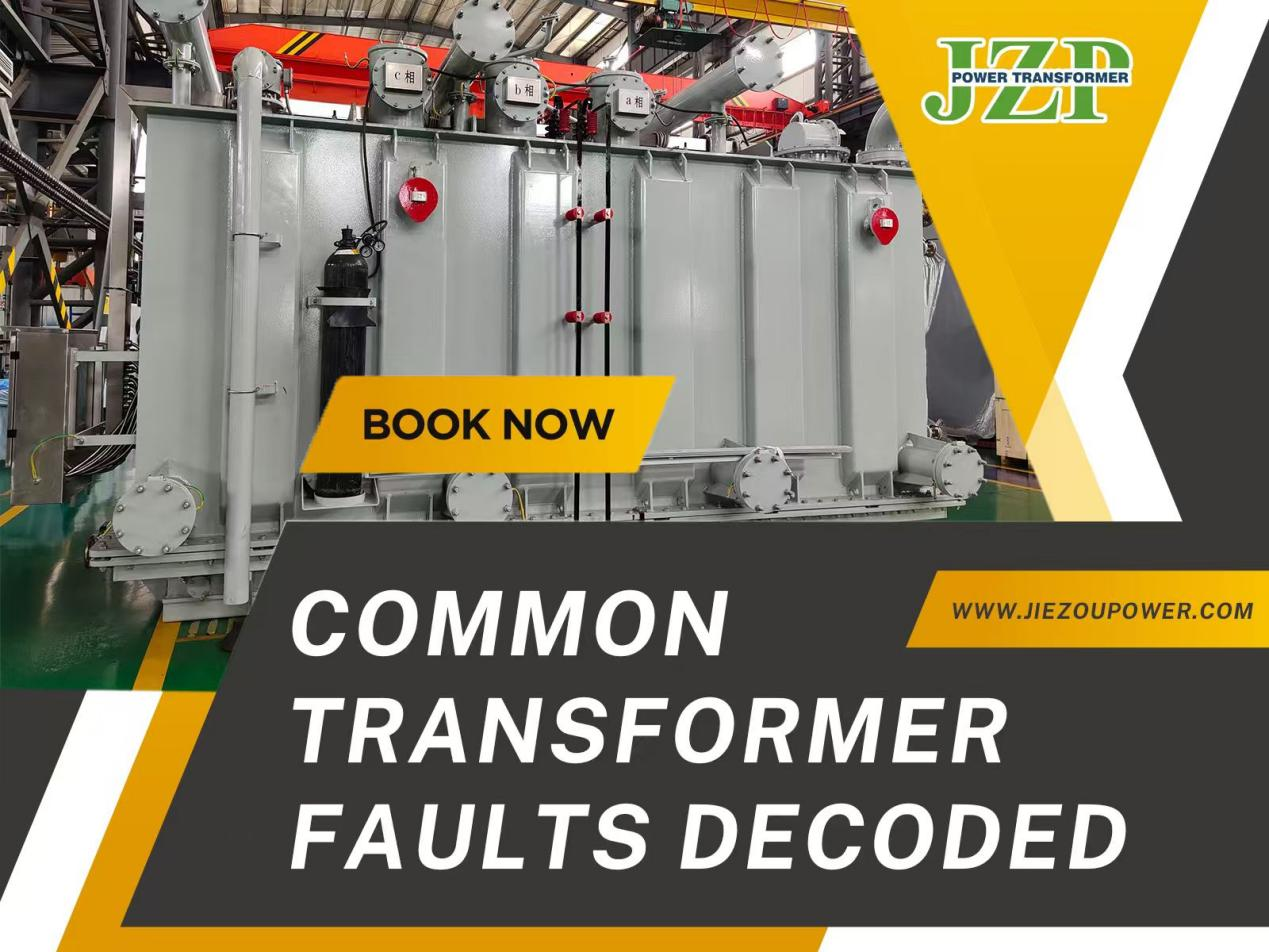
Common Transformer Faults Decoded
2025-11-13
Transformer Fault Analysis and Troubleshooting Methods
Transformers, as the core equipment in power systems, perform critical functions including voltage transformation, current regulation, and electrical isolation. Their stable operation is paramount to...
view
detail
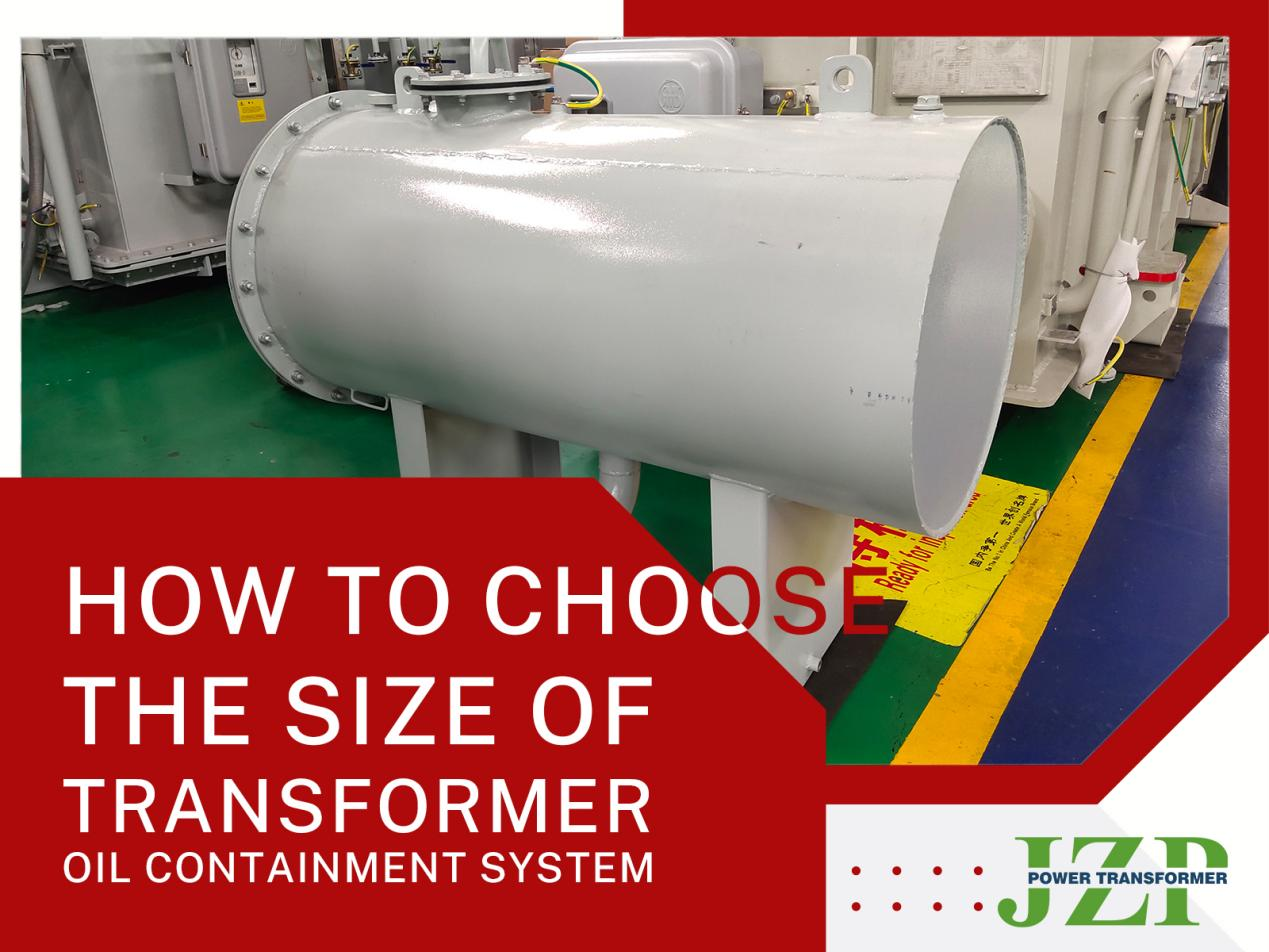
How To Choose The Size of Transformer Oil Containment System
2025-11-12
Introduction
In medium and high-voltage transformer applications, oil containment systems are critical for environmental protection, regulatory compliance, and operational safety. At JZP, we specialize in designing robust containment solutions tailored t...
view
detail
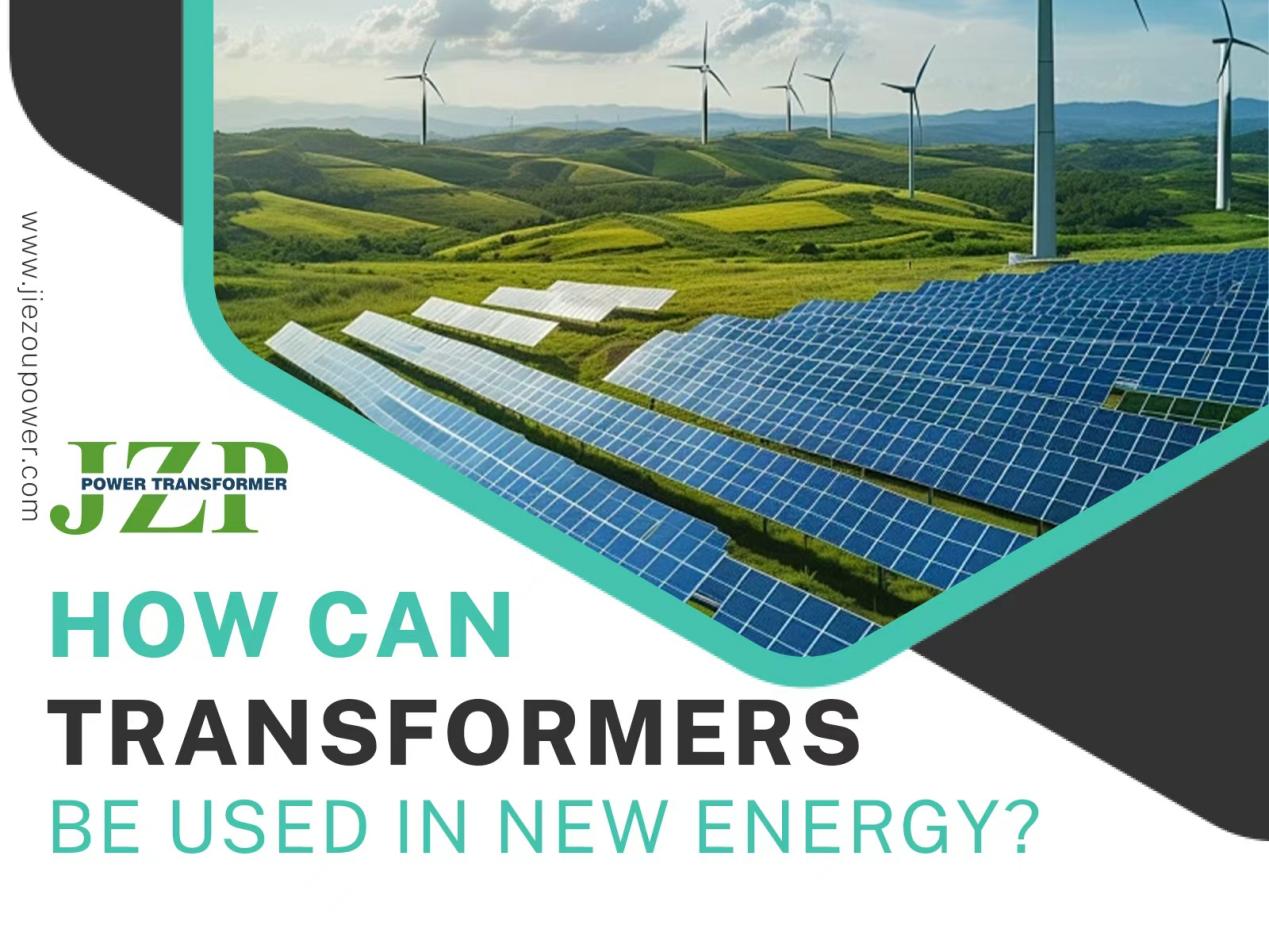
How can transformers be used in new energy?
2025-11-11
With the continuous enhancement of global environmental awareness and the rapid progress of technology, new energy projects are gradually becoming the mainstream products in the future transformer market. These projects not only promote the green transformation of the power system, but also provide strong support for the construction of a more secure and efficient energy network. Through the use of advanced renewable energy technologies such as wind, solar and energy storage systems, new energy transformers can effectively reduce carbon emissions and reduce reliance on traditional fossil fuels, thereby contributing to the achievement of global carbon neutrality.
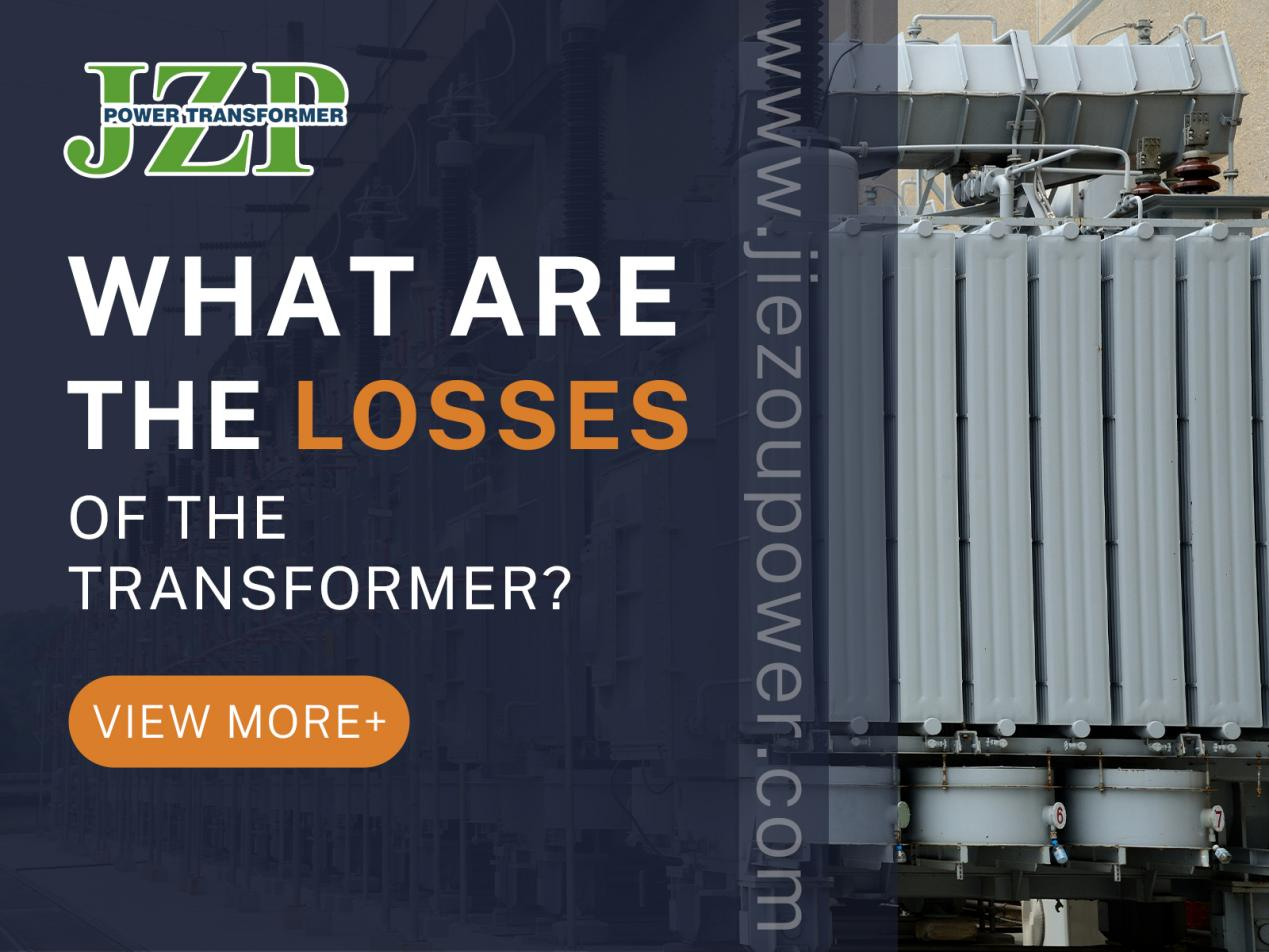
What Are The Losses of The Transformer?
2025-11-10
Unlike copper loss, the iron loss of a transformer is independent of factors such as winding and current size. From the name point of view, iron damage is closely related to iron, it is produced by the iron core. The iron loss of the transformer is also known as "no-load loss", which is because the iron loss always exists in the transformer, whether it is full load or zero load, and belongs to a fixed loss of the transformer. However, during the load process, the power loss will decrease with the decrease of the electric field strength.
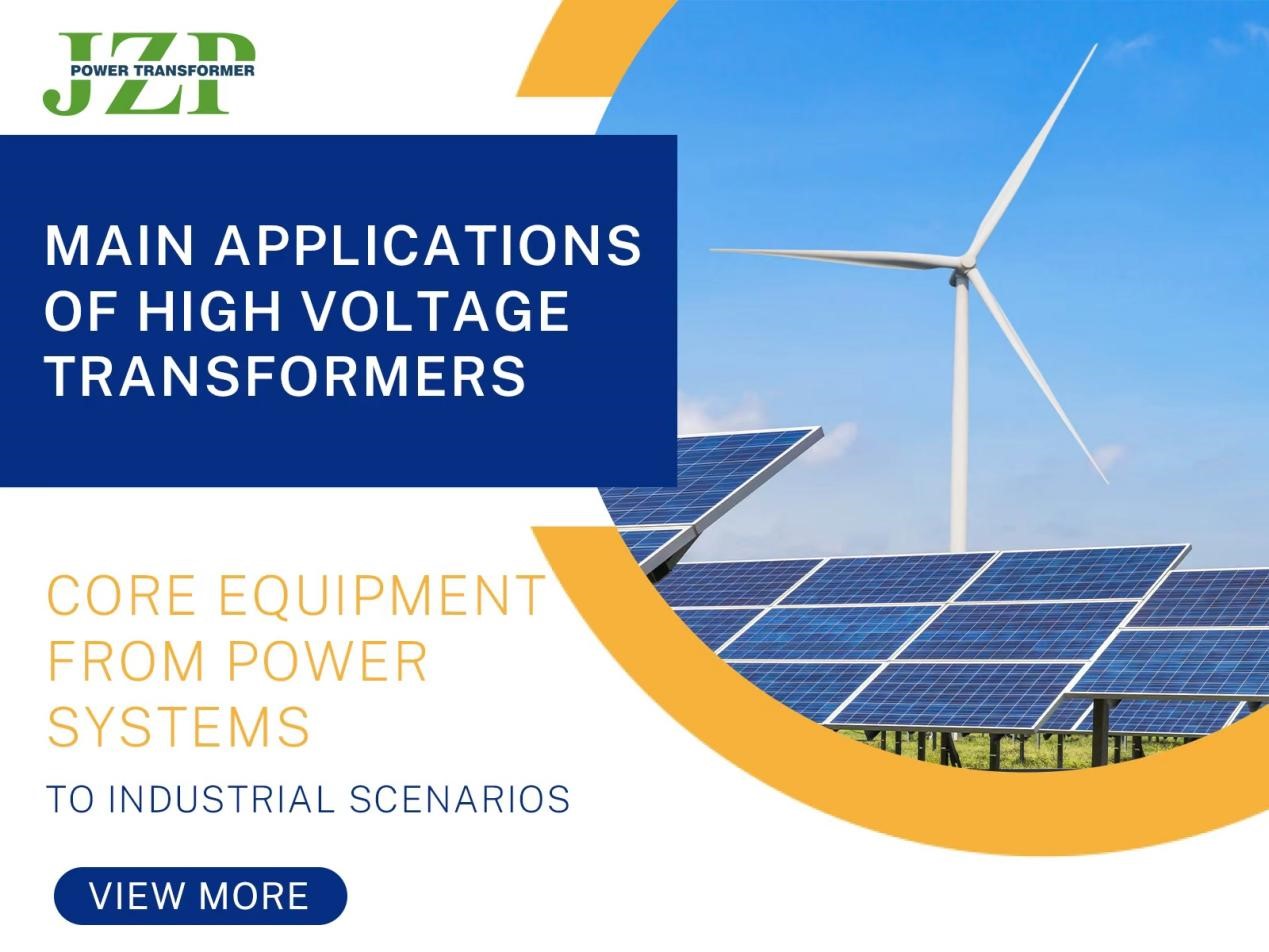
Main Applications of High Voltage Transformers: Core Equipment From Power Systems To Industrial Scenarios
2025-11-08
High voltage transformers serve as critical equipment in power transmission and industrial production, with applications spanning energy, manufacturing, healthcare, and other vital sectors. This article explores the essential roles of high voltage transformers in modern society through technical principles, application scenarios, and industry case studies.
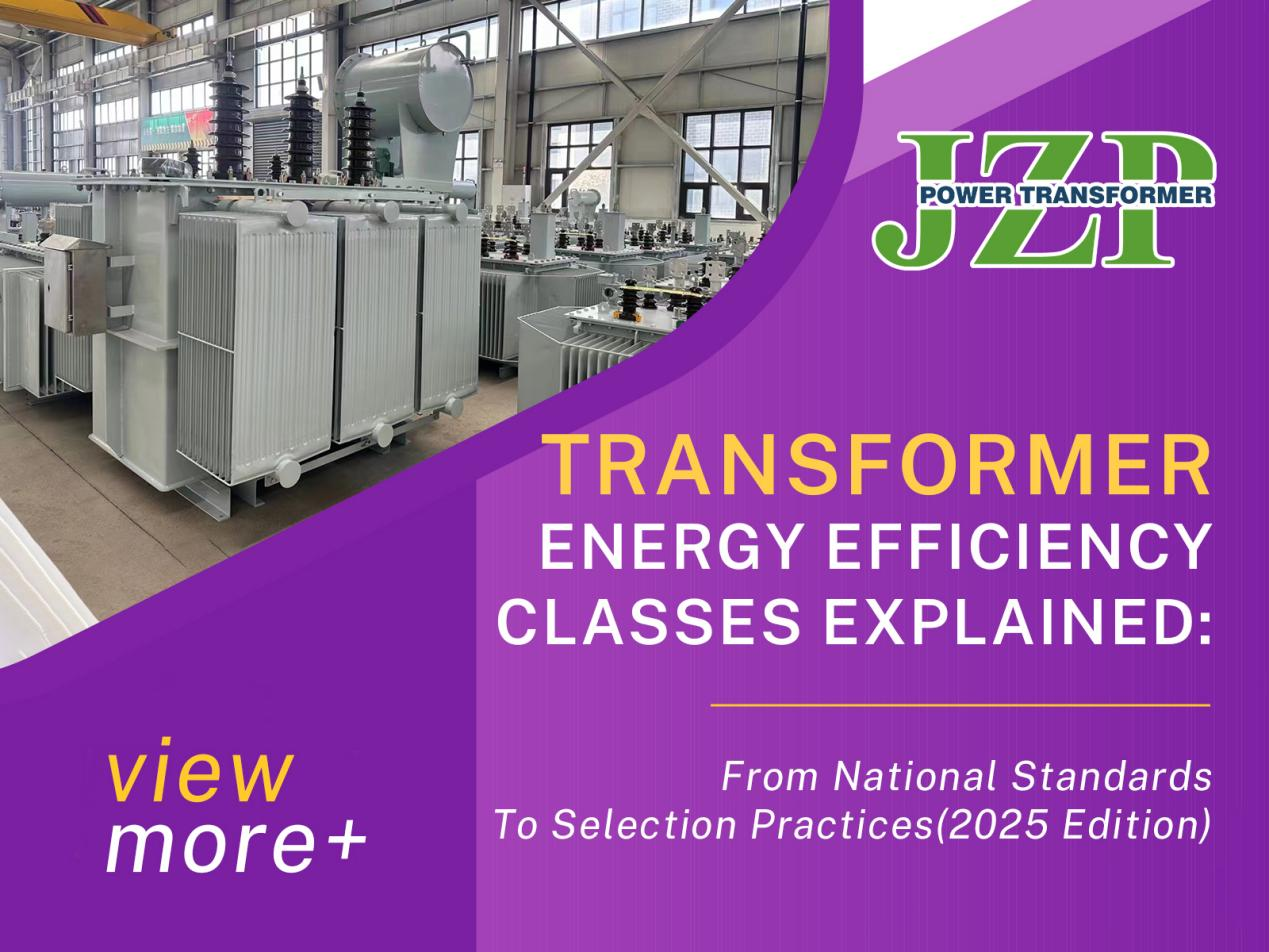
Transformer Energy Efficiency Classes Explained: From National Standards To Selection Practices (2025 Edition)
2025-11-06
With the advancement of carbon neutrality goals, transformer energy efficiency has become a core metric for enterprises to reduce operational costs and fulfill social responsibilities. Based on national standards like GB 20052-2024, this article provides an in-depth analysis of energy efficiency classes, testing methods, and selection strategies to help users achieve energy savings.
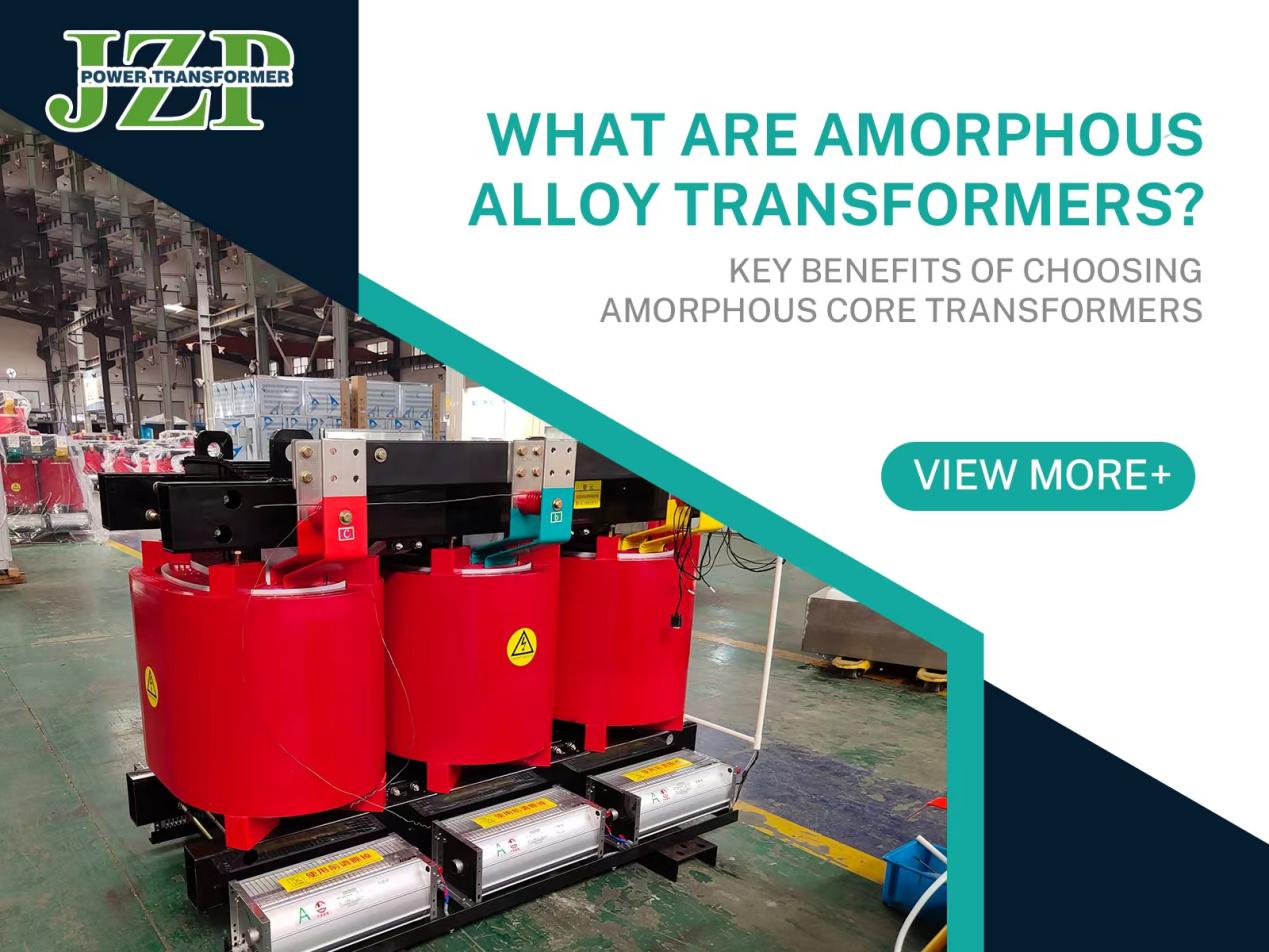
Dry-Type Vs. Oil-Immersed Transformers: A Comprehensive Comparison Guide
2025-11-05
Dry-Type Transformers:
Insulation: Epoxy resin casting or non-encapsulated solid insulation (e.g., Nomex paper).
Structure: Visible core/windings with silicone rubber bushings.
Oil-Immersed Transformers:
Insulation: Mineral or synthetic ester oil; fully submerged in a tank.
Structure: Sealed tank with porcelain bushings.
What Is The Difference Between AC And DC?
2025-11-04
As a core component in the electrical grid, power transformers are at the heart of how we distribute and use electricity. But the electricity that flows through these transformers comes in two primary forms: Alternating Current (AC) and Direct Current (DC). Understanding the difference is fundamental to understanding modern power systems.