 +86 18068001229







0102030405
Essential Accessories and Components for Pad Mounted Transformers
2025-10-30
You should know the main accessories and parts that help your Pad Mounted Transformers work safely and efficiently. Bushings allow wires to pass through the transformer box. Tap changers enable you to adjust voltage levels. Fuses and surge arresters protect the pad mounted transformers from issues and lightning strikes. Grounding systems ensure safety for everyone. Monitoring gauges, pressure relief devices, and fault indicators help detect problems early. Mechanical accessories make moving and installing pad mounted transformers easier. Each accessory is essential for pad mounted transformers to operate effectively.
Key Takeaways
Bushings connect high and low voltage cables safely. They keep live parts safe from dust and water. Tap changers help change voltage levels when needed. This keeps power steady and equipment safe. Fuses and surge arresters protect transformers from faults. They also stop damage from lightning. Monitoring tools like oil gauges help spot problems early. Fault indicators also help prevent failures. Good grounding, tight bolts, and safe connectors are important. They make transformers safe and easy to fix.
Core Components of Pad Mounted Transformers
Bushings
Bushings are very important in pad mounted transformers. Primary bushings connect high-voltage cables to the transformer. Secondary bushings connect the transformer to the low-voltage side. Bushings keep electrical parts safe by giving insulation and support. They use special materials to stop electricity from leaking out. This helps prevent shocks. Bushings also keep dust and water out of the transformer. Dead-front bushings cover live parts, so you stay safe when working on the transformer.
Tap Changers
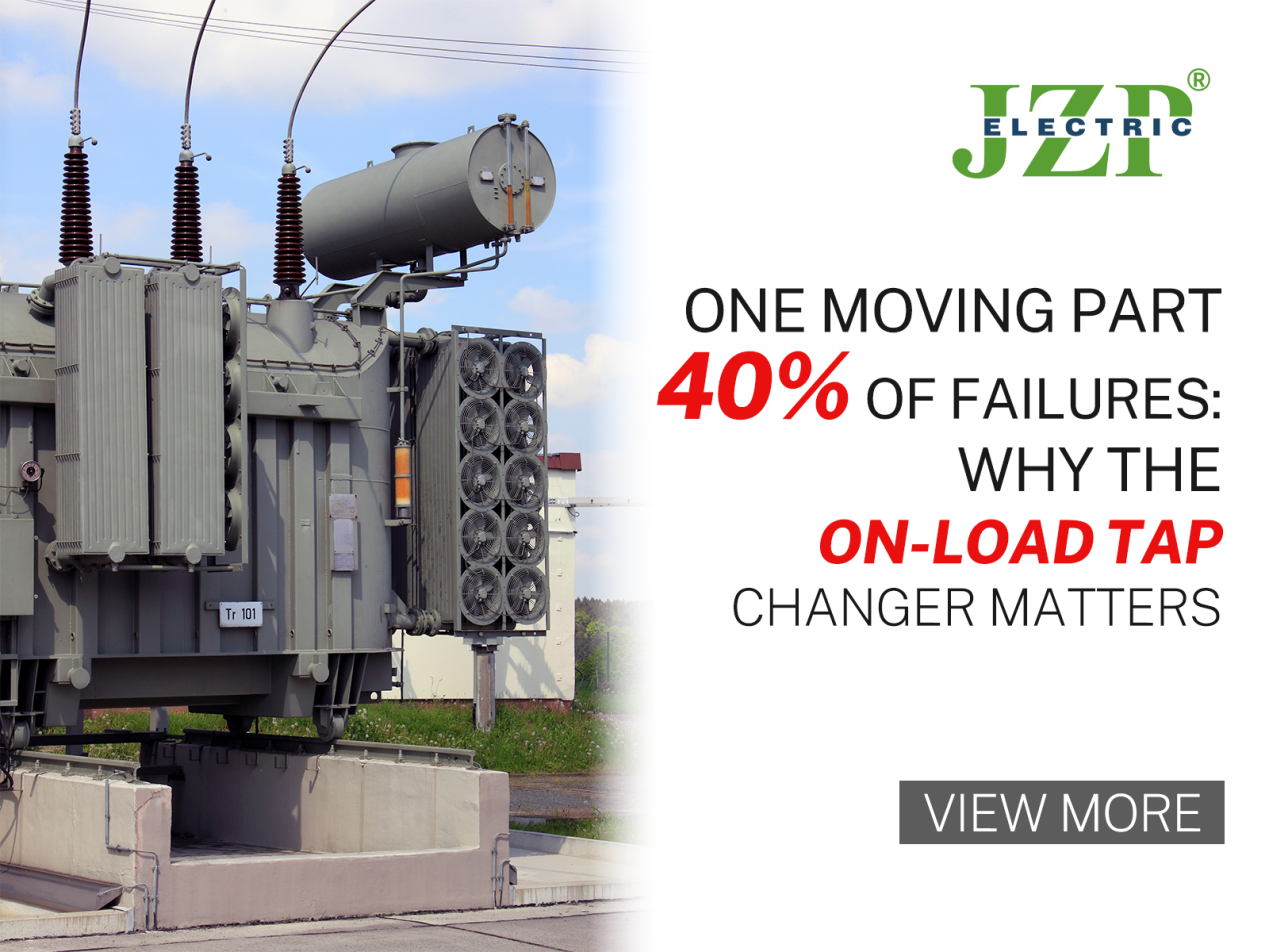
Tap changers let you change the voltage from your transformer. Most pad mounted transformers use off-load tap changers. You have to turn off the transformer before you change the tap. Tap changers work by changing the number of turns in the main coil. This helps you control the voltage and keep it steady. Tap changers often have 3, 5, or 7 positions. Each position lets you make small changes to the voltage. This helps keep the voltage just right. You can see the tap settings on the transformer’s nameplate. Picking the right tap gives your equipment the correct voltage.
Fuses
Fuses keep your transformer safe from electrical problems. You put fuses on both the high and low-voltage sides. If too much current flows, the fuse melts and stops the electricity. This keeps the transformer from getting damaged. Fuses act fast to stop fires and overheating. You should check fuses often and replace them if they blow. Using the right fuses saves money and keeps your transformer working well. Fuses are very important for transformer safety.
Surge Arresters
Surge arresters protect your transformer from voltage spikes. Lightning and switching can cause sudden surges. Surge arresters use special parts to soak up extra energy and send it to the ground. This keeps the transformer safe from damage. Studies show surge arresters work well if you pick the right one and install it right. You should choose surge arresters with ratings at least 20% higher than your highest voltage. Surge arresters work fast and can handle lots of energy. Using surge arresters lowers the chance of transformer failure and keeps your system safe.
Tip: Always check the surge arrester’s rating and certification before you install it. This helps protect your pad mounted transformer.
Grounding Systems
A grounding system keeps your transformer safe. You use rods, wires, and bonding to send fault currents into the earth. This keeps people safe from electric shock and clears faults fast. You should use copper-clad rods at least 8 feet long and thick copper wire. Good grounding keeps resistance low, usually under 5 ohms. You should test and check the grounding system often. This stops rust and loose wires. A strong grounding system helps your transformer survive lightning and keeps power steady.
Monitoring and Safety Accessories
Pad mounted transformers need special tools to stay safe and work well. These tools help you find problems early. This stops failures before they happen. Many new transformers have digital systems and smart sensors. These help you check the transformer all the time. They also help you fix things before they break. These features help you follow safety rules. They also make your transformer more reliable.
Oil Level Gauge
Oil level gauges show how much oil is inside the transformer. You should check the oil often. If the oil is too low, live windings can be exposed. This can break the insulation and cause big problems. Too much oil can make pressure build up. This can hurt the conservator tank. Checking the gauge often helps you find leaks or broken parts early. Many gauges use magnets to stop leaks. Some smart gauges use sensors to watch the oil all the time. This helps you take care of the transformer and stop failures. When you read the gauge, remember that oil changes with temperature.
Oil level gauges help you watch oil in real time.
Low oil can make insulation fail.
Too much oil can cause pressure problems.
Smart gauges help you take care of the transformer.
Oil Temperature Gauge
Oil temperature gauges help you see how hot the transformer is. If the oil gets too hot, the insulation ages faster. Watch for high temperatures. This can mean the transformer is working too hard or the cooling is not working. Fiber-optic sensors give very good readings. They are not bothered by electrical noise. These sensors can find hot spots that other gauges miss. Some devices check oil temperature, level, and pressure together. This gives you a full view of the transformer’s health. If you find overheating early, you can fix it. This helps you avoid failures and makes the transformer last longer.
Oil temperature gauges show how hot the transformer is.
Fiber-optic sensors find hot spots.
Finding problems early stops outages and helps the transformer last.
Watching temperature helps you know when to do maintenance.
Pressure Vacuum Gauge
Pressure vacuum gauges check the pressure inside the transformer. If the pressure jumps up, something is wrong. You need to act fast if this happens. Keeping pressure steady keeps the tank safe. In sealed tank transformers, these gauges are very important. They help keep out water and air. This protects the oil and the transformer. Experts say you should use these gauges to keep the transformer safe and working well.
Pressure Relief Device
Pressure relief devices keep your transformer safe from too much pressure. If something goes wrong and pressure gets too high, the device opens. It lets out the extra pressure safely. This stops the tank from breaking and lowers the chance of fire. You should check this device often to make sure it works. Many transformers use spring or burst devices. These reset by themselves after they work.
Fault Indicators
Fault indicators help you find problems fast. Utilities put sensors and faulted circuit indicators on transformers and cables. These show where the problem is. This makes fixing things faster and easier. Studies show fault indicators can cut outage times by over 20%. They can also make patrols 65% faster. You can connect these sensors to digital systems for quick fixes. Some advanced indicators watch temperature, gases, bushing health, and moisture. They also check for other problems. These tools help you stop failures and keep the transformer working well.
Fault indicators help you find problems fast.
Sensors warn you early about trouble.
Watching bushings and moisture stops insulation problems.
Digital systems help you fix things before they break.
Mechanical and Handling Accessories
Lifting Lugs
Lifting lugs help you move a transformer safely. These are strong metal loops on the top or sides. You use lifting hooks or slings with these lugs. This lets you lift the transformer with a crane. Lifting lugs keep the transformer steady when you move it. They also help stop damage to the tank or inside parts. Always use the right tools and follow the weight limits on the lugs.
Penta-Head Captive Bolts
Penta-head captive bolts help keep your transformer safe from tampering. These bolts have a special five-sided head. Only special tools can open them. Regular wrenches or pliers will not work. This keeps people without permission out of the transformer. Here are some important things about penta-head captive bolts:
Keep transformer compartments locked so only trained workers get in.
The tamper-proof design stops people without the right tools.
Protect live electrical parts inside locked cabinets.
Lower the risk of vandalism and accidents.
Meet safety rules for public places.
You should always check that these bolts are tight and not broken. They are very important for transformer security.
Interlocked Handles
Interlocked handles make your transformer even safer. These handles have a locking system. You cannot open the compartment unless you do the right steps. This stops you from opening the transformer when it is on. Interlocked handles help stop accidents and keep you safe during repairs. Many new accessories have this safety feature.
Connection and Installation Accessories
Load-Break Elbow Connectors
Load-break elbow connectors let you connect or disconnect cables safely. You can do this while the transformer is still on. These connectors can handle up to 200 amps of current. The dead-front design covers live parts, so you do not touch them by mistake. Inside, ceramic probe tips help stop arcs when you disconnect under load. This makes working on the transformer safer. You can use a hot stick to work with these connectors. This means you do not need to shut down the whole system. Some connectors have test points. You can check voltage before you start working. These connectors work well in wet or rough places. They do not rust and keep water out. Always make sure your connectors meet IEEE 386 rules for safety.
You can connect or stop up to 200 amps.
The dead-front design keeps you safe.
You can use a hot stick for live work.
These connectors do not rust and can go underwater.
Bushing Inserts
Bushing inserts help you join elbow connectors to transformer bushings. They have a strong copper part with threads and a hex shape for easy use. The insulation is made from EPDM rubber, which keeps things safe. Each insert has an arc snuffer at the end to stop arcs when you break the load. You must use the right amount of force when you put them in. Use at least 17 ft. lbs for copper studs. The tips have colors to show the voltage class. If you need more current, use 600 amp deadbreak bushings. The table below shows the main features:
Cable Terminations
Cable terminations join your cables to the pad mounted transformer. You must support the cables so they do not pull on bushings. Use UL-listed lugs that fit your cables. Clean all the contact spots before you connect them. Tighten bolts to the right level and check them after some time. Do not bend cables too much. Leave a little slack so they can move. Seal the cable ends to keep water out, especially outside. The table below lists problems and how to fix them:
Junction Compartments
Junction compartments give you a safe place to connect cables. You can use them to join many cables or tap into the transformer. They keep the cables neat and safe from weather or people. Use brackets to hold the transformer steady on the pad. Always support cables inside so they do not pull on bushings or terminals. Label the compartments so you can find cables fast when you need to fix something.
Ground Pads and Straps
Ground pads and straps keep you and your equipment safe from shocks. You should use at least two ground lugs on every pad mounted transformer. The lugs connect the tank to the ground, so fault currents go safely away. If you use three-phase delta service, take off the copper strap on the neutral spade if needed. Always put warning labels inside and outside the transformer. Place the transformer at least 10 feet from buildings. Use bollards if cars are nearby. Connect bleed wires from bushings and elbows to the tank grounds to keep things safe. Wear the right safety gear when you work with open cables or bushings.
Use two or more ground lugs for safety.
Label transformers to warn about danger.
Keep transformers away from buildings and protect them from cars.
Connect bleed wires to keep grounding safe.
Optional Enhancements for Pad Mounted Transformer
SCADA Accessory
You can add SCADA accessories to your pad mounted transformer. SCADA means Supervisory Control and Data Acquisition. These tools help you watch and control your transformer from far away. Utility companies say SCADA accessories give many good things:
You can see energy use right away, so you find losses fast.
You get early warnings if your transformer is almost full or might fail.
You can find faults in each phase without extra fault indicators.
You can use smart logic to make your own control plans.
You save time when setting up because the software is easy.
You can find where faults are and check load flow with event records.
SCADA accessories work well even in bad weather.
Remote Communication Modules
Remote communication modules let you check and control your transformer from far away. These modules work with smart grid systems and Advanced Metering Infrastructure. You can collect data to help make the grid better and fix problems. In smart city projects, transformers with these modules can find faults and watch power quality well. You get steady performance and better grid control. These modules help your transformer work well every day.
Environmental Protection Features
You need strong environmental protection features if you live where weather is rough. These features keep your transformer safe from floods, rust, and lightning. The table below shows what to look for: