
 +86 18068001229



0102030405
Industry News
Review on Topology and Control Applications of Medium-High Voltage Power Electronic Transformers III
2025-09-18
The Neutral Point Clamped (NPC) multilevel topology is shown. Besides the diode-clamped NPC topology , NPC topologies also include flying capacitor type and hybrid clamped type, among others. However, due to the large capacitor volume, NPC topologies still mostly use passive or active switching devices for clamping. Taking the diode-clamped multilevel topology as an example, in a three-phase rectifier stage topology, each phase leg consists of cascaded switching transistors and clamping diodes, connected in parallel to a single high-voltage DC bus. Literature proposed a single-phase PET topology with a rectifier stage using a four-level diode-clamped circuit. A single high-voltage DC bus is followed by input-series-output-parallel DABs, as shown . This topology can be expanded into a three-phase structure, and the number of voltage levels can be changed based on device withstand voltage levels and the high-voltage side voltage level. Like the MMC topology, the NPC topology can also be applied in the isolation stage, connecting the high-voltage DC bus to the isolation transformer, as shown. Literature applied a three-level diode-clamped NPC converter to the high-voltage side of an LLC resonant converter, verifying it on a 166kW/2kV~400V prototype. Literature applied a three-level diode-clamped NPC circuit to a three-phase DAB, achieving ideal DAB voltage and current characteristics.
Review on Topology and Control Applications of Medium-High Voltage Power Electronic Transformers II
2025-09-18
PET topologies vary widely. Based on the number of energy conversion stages, they can be classified into single-stage, two-stage, and three-stage types [7]. Two-stage structures include those with high-voltage and low-voltage DC buses, as shown in Figure 1.
Review on Topology and Control Applications of Medium-High Voltage Power Electronic Transformers I
2025-09-16
With the proposal of the energy internet concept and the widespread application of smart grid-related technologies, the proportion of renewable energy sources such as wind and photovoltaic power in the existing energy system will significantly increase. This indicates that future power grids will become more intelligent and flexible. In the energy internet, as the proportion of distributed users and energy resources rises, electricity transmission demands highly controllable capabilities. In smart distribution networks, the grid must maintain highly stable and high-quality power supply while compatibly integrating a large number of distributed renewable energy sources and monitoring/managing grid operational states. These requirements place stringent demands on the intelligence of energy grid equipment, whereas traditional power frequency transformers inherently face functional limitations.
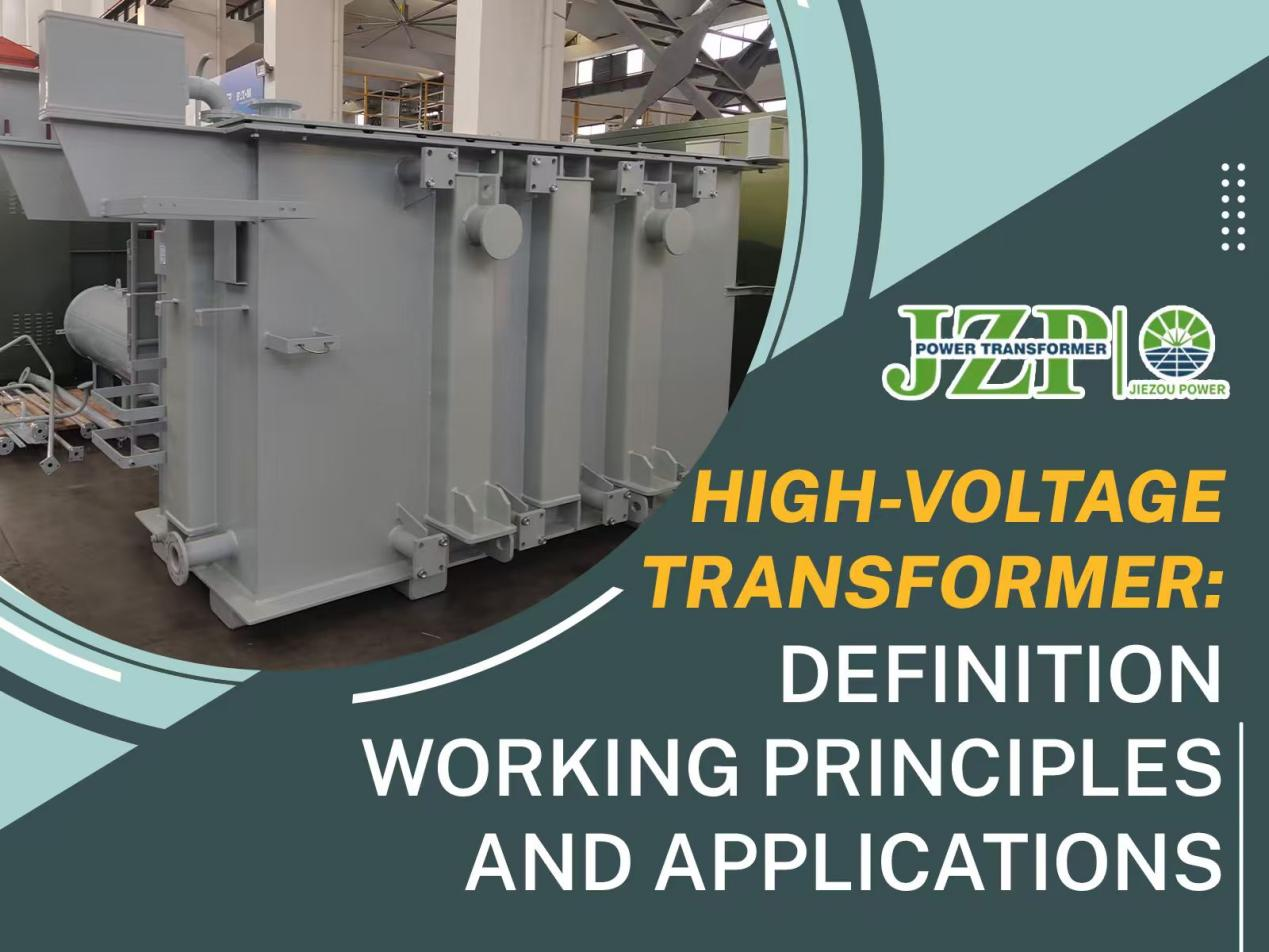
High-Voltage Transformer: Definition, Working Principles, and Applications
2025-09-15
A high-voltage transformer is an electrical device engineered to convert electrical energy between voltage levels, typically operating within the range of 110 kV to 500 kV. These transformers are pivotal in power transmission systems, minimizing energy losses during long-distance transmission while ensuring safe delivery of electricity to households, businesses, and industries. For instance, power plants generate electricity at high voltages, and transformers adjust this voltage—either stepping it up for transmission or stepping it down for end-user consumption—to optimize efficiency and safety
.
Solar Photovoltaic System Solution
2025-09-12
JZP Transformer is a global leader in serving the renewable energy sector worldwide. With a proven track record, we have supplied thousands of transformers for photovoltaic and energy storage projects across North America, Europe, and Australia. Our products not only meet stringent standards such as IEEE, ANSI, CSA, AN, IEC, and BS, but also hold certifications including UL, cUL, CSA, CE, SGS, and others, supported by comprehensive test reports.
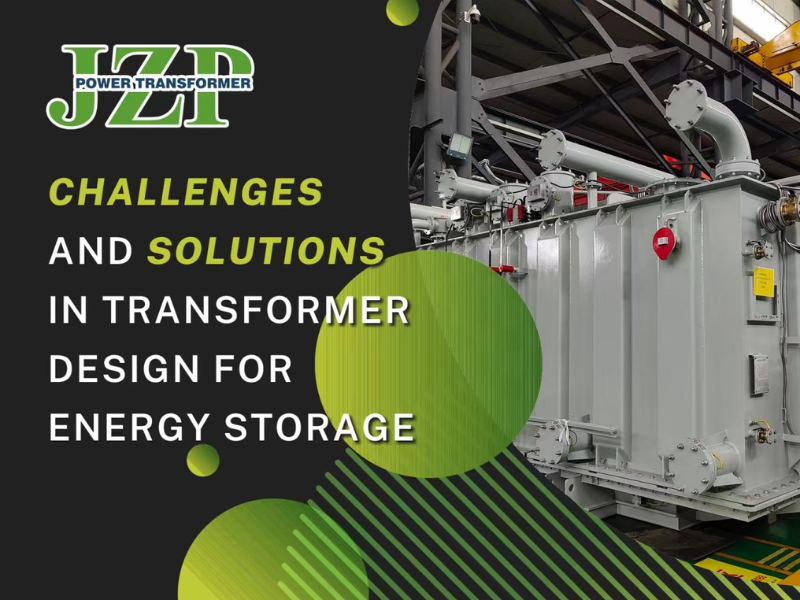
Energy Storage Systems: Technologies, Transformer Integration, and Future Prospects
2025-09-10
The global transition to renewable energy—particularly wind and solar—has highlighted the critical need for efficient energy storage solutions. These technologies address the intermittency of renewables, ensuring grid stability and enabling seamless integration of decentralized power sources. Energy storage systems (ESS) mitigate production-demand mismatches, reduce reliance on fossil fuels, and support climate goals by curbing carbon emissions
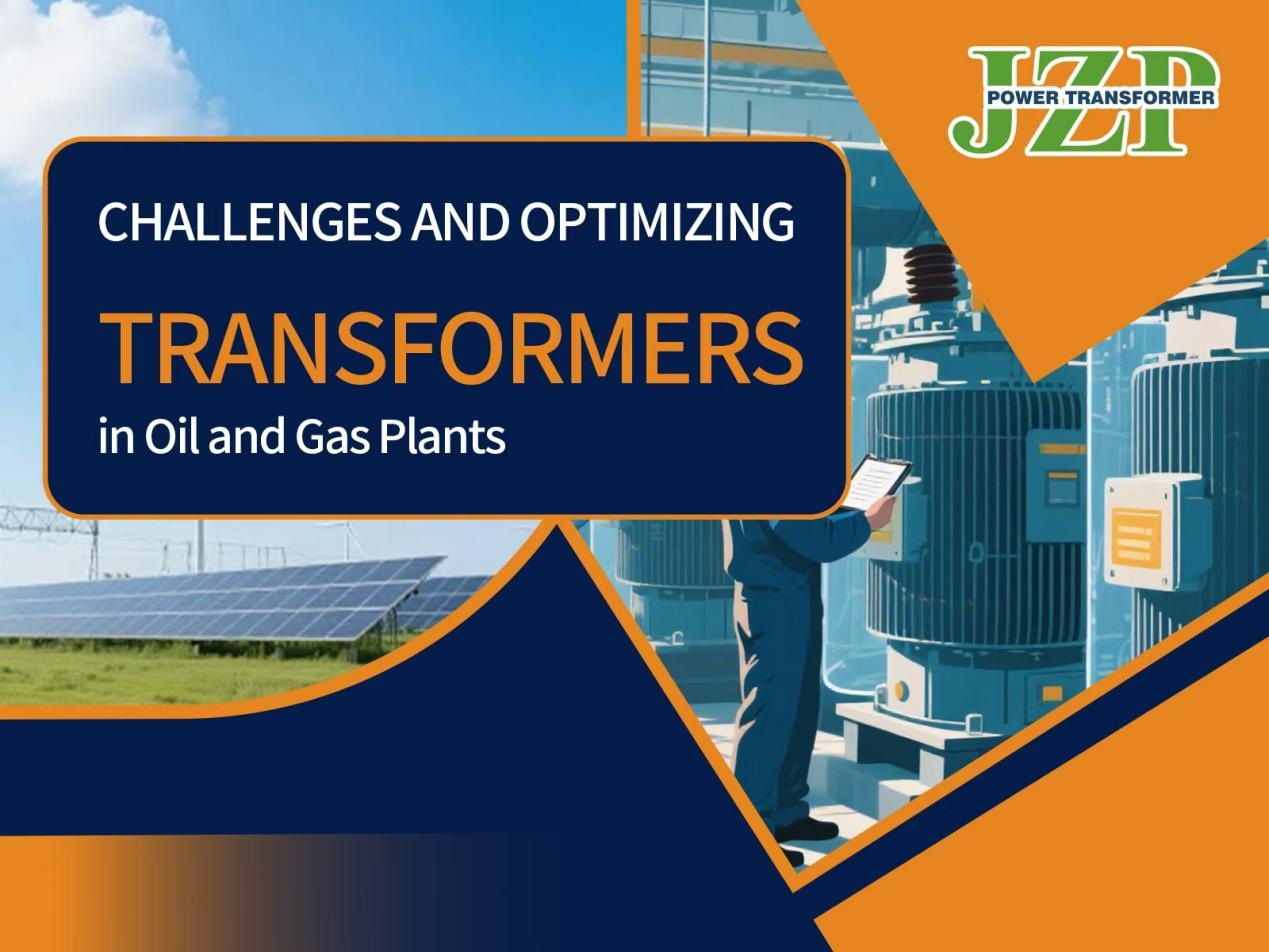
Challenges and Optimizing Transformers in Oil and Gas Plants
2025-09-08
Oil and gas plants present unique challenges for transformers due to the harsh operating conditions and the high electricity demand. The harsh environments of oil and gas plants can cause damage to electrical equipment, including transformers
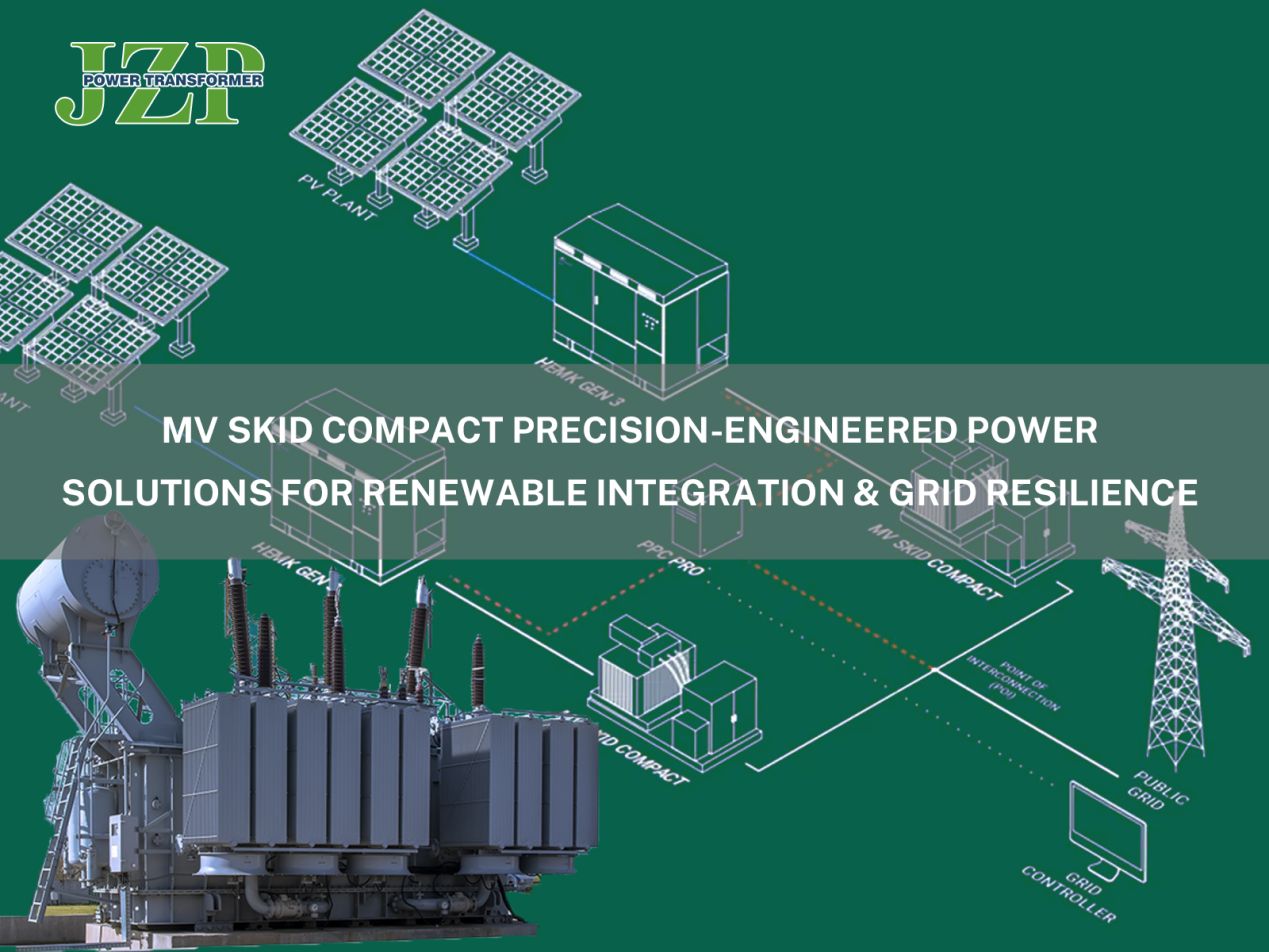
MV Skid Compact, Precision-Engineered Power Solutions for Renewable Integration & Grid Resilience
2025-08-29
MV Skid Compact represents the pinnacle of cost-effective solutions for Utility Scale Solar and En ergy Storage projects. It seamlessly integrates MV transformers, inverters, and medium voltage switches into a single unit, facilitating swift and hassle-free ...
view
detail
Clarifying Electromagnetic Concepts in Transformer Operations
2025-08-28
Terminology PrecisionThe World Health Organization (WHO) and International Commission on Non-Ionizing Radiation Protection (ICNIRP) strictly differentiate between "electromagnetic fields" (below 100 kHz) and "electromagnetic radiation" (above 100 k...
view
detail
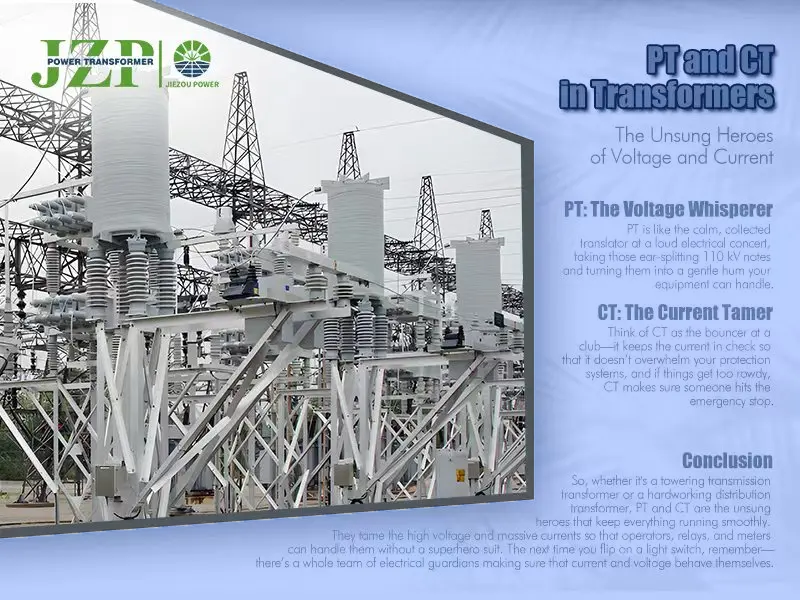
PT and CT in Transformers: The Unsung Heroes of Voltage and Current
2025-08-27
PT and CT in Transformers: The Unsung Heroes of Voltage and Current
When it comes to transformers, PT (Potential Transformer) and CT (Current Transformer) are like the dynamic duo of the electrical world—Batman and Robin. They may not hog the spotli...
view
detail