
 +86 18068001229


0102030405
News
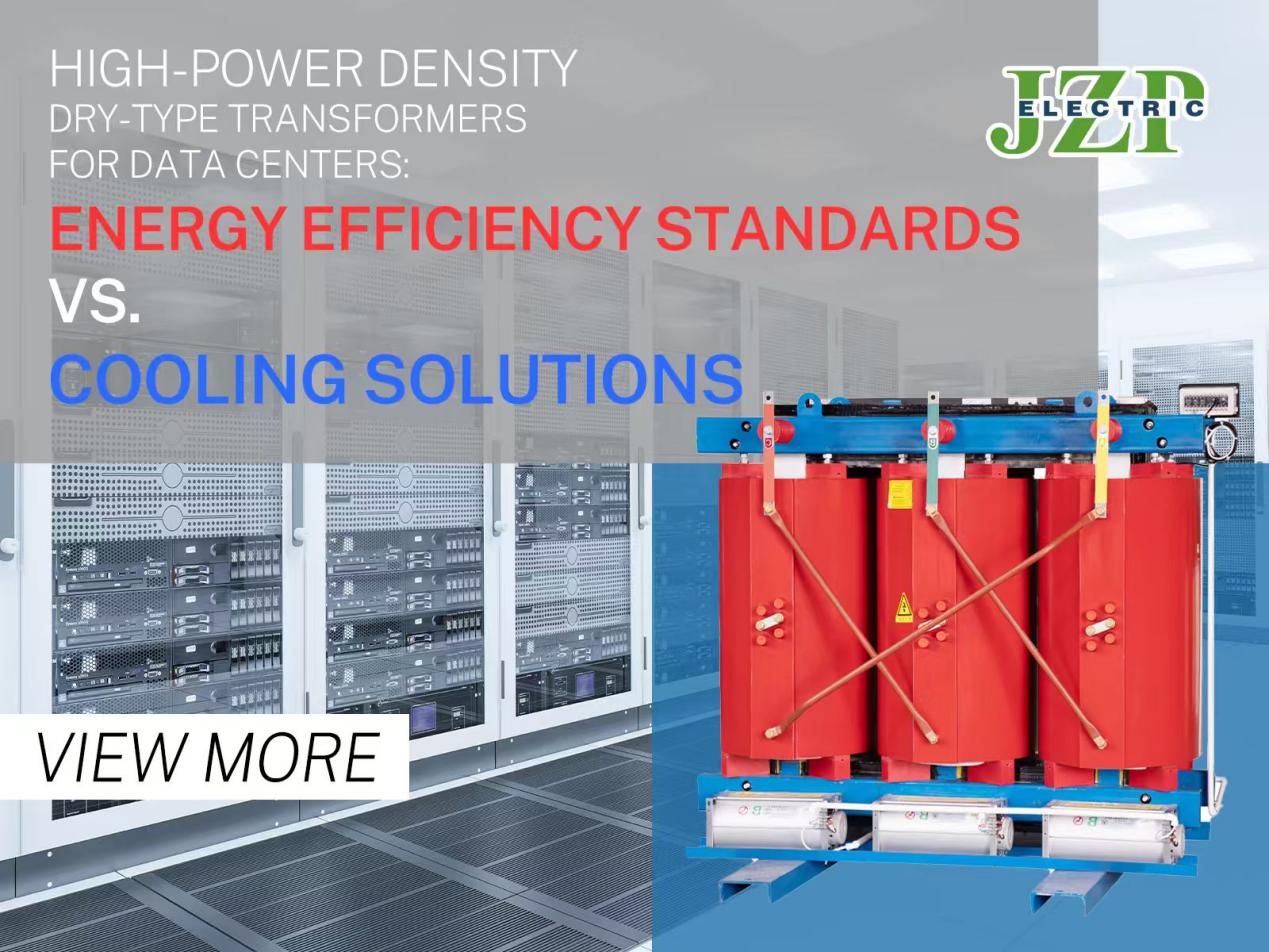
High-Power Density Dry-Type Transformers for Data Centers: Energy Efficiency Standards vs. Cooling Solutions
2026-01-19
In the era of AI-driven data centers and cloud computing, high-power density dry-type transformers have emerged as critical infrastructure components. These transformers must balance energy efficiency, thermal management, and reliability to meet the demanding requirements of modern data centers. This article compares global energy efficiency standards and cooling technologies, with a focus on JZP’s innovative solutions for optimizing performance in high-density environments.
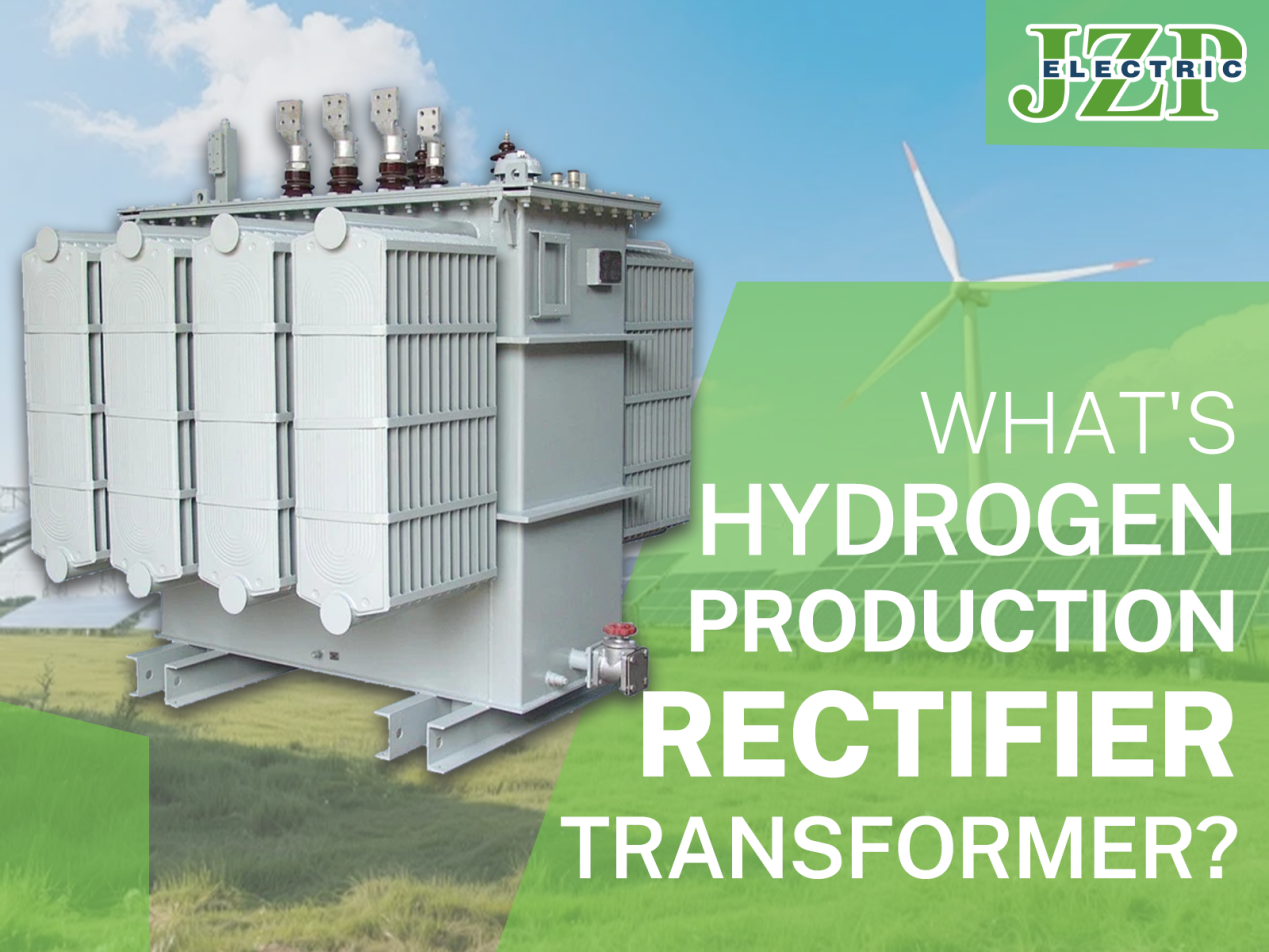
What's Hydrogen Production Rectifier Transformer?
2026-01-17
A Hydrogen Production Rectifier Transformer is a specialized electrical device critical to electrolytic hydrogen production, serving as the backbone of power conversion systems that transform alternating current (AC) from the grid or renewable energy sources into the stable, controlled direct current (DC) required for water electrolysis. Its primary role is to bridge the gap between high-voltage AC power and the low-voltage, high-current DC needs of hydrogen electrolyzers (e.g., alkaline or proton exchange membrane (PEM) electrolyzers), ensuring efficient, reliable, and high-quality power supply for splitting water into hydrogen and oxygen.
Concentrated Solar Power (CSP): An Alternative Solar Energy Technology Beyond Photovoltaics
2026-01-16
Concentrated Solar Power (CSP) represents a transformative approach to harnessing solar energy, distinct from traditional photovoltaic (PV) systems. Unlike PV, which directly converts sunlight into electricity using semiconductor materials, CSP employs mirrors or lenses to focus sunlight onto a receiver, generating heat that drives a thermodynamic cycle to produce electricity . This thermal energy storage (TES) capability allows CSP plants to generate dispatchable power even during nighttime or cloudy conditions, addressing a critical limitation of PV systems .
Excitation Transformer: The "Energy Controller" of Synchronous Machines and the "Anchor of Stability" for Power Systems
2026-01-15
In the dynamic landscape of modern power generation, JZP Energy’s Excitation Transformers stand as pivotal components, ensuring the seamless operation of synchronous machines and fortifying grid stability. By intelligently regulating excitation currents and maintaining voltage integrity, these transformers bridge the gap between raw power generation and refined energy distribution. Below, we explore their transformative role, technical innovations, and applications driving the future of energy systems.
The "Five Preventions" in Substations: A Comprehensive Guide
2026-01-14
The "Five Preventions" system in substations is a critical safety mechanism designed to prevent operational errors and ensure the safe and reliable operation of high-voltage electrical equipment. As electricity grids grow increasingly complex, these systems play a pivotal role in mitigating risks such as electrical accidents, equipment damage, and power outages. This article explores the definition, components, working principles, and practical applications of the Five Preventions in modern substations.
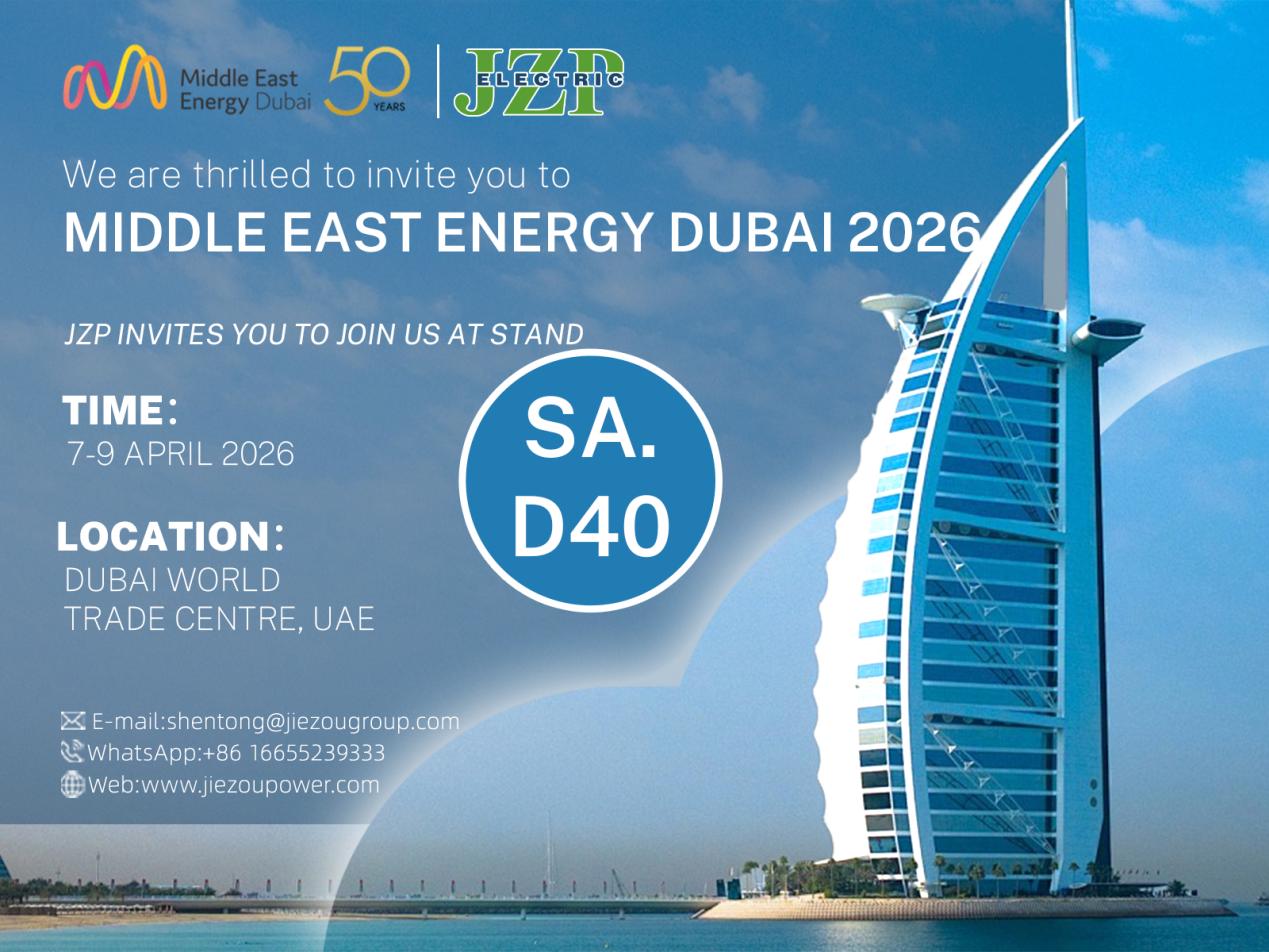
JZP Invites You to Middle East Energy Dubai 2026
2026-01-13
As the golden sands of Dubai meet cutting - edge technology, JZP is proud to announce our participation in Middle East Energy Dubai 2026, the region’s premier platform for shaping the future of sustainable energy.
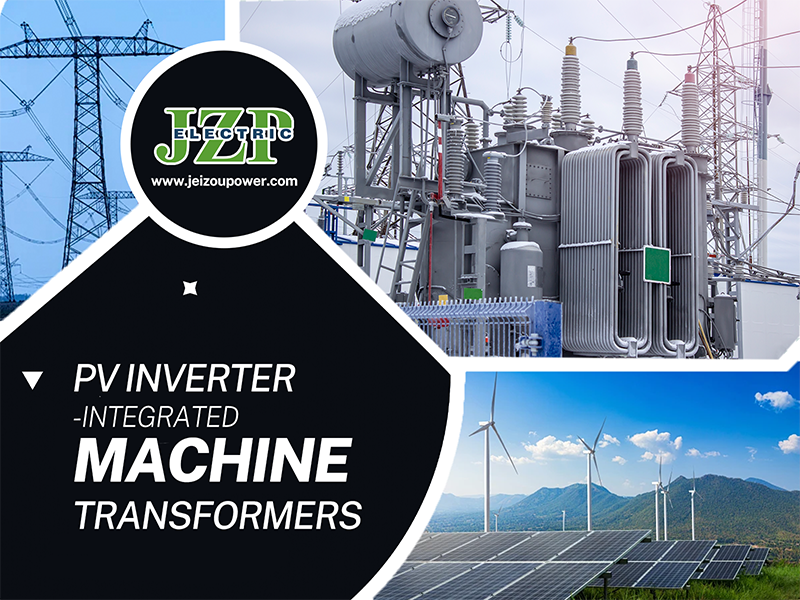
PV Inverter-Integrated Machine Transformers: The "High-Efficiency Heart" of New Energy Systems
2026-01-09
In the rapidly evolving landscape of renewable energy, medium-to-high voltage transformers have emerged as critical components for efficient power transmission. JZP (Jiangsu Jucai Power Technology Co., Ltd.), a pioneer in advanced energy solutions, has revolutionized this field with its Photovoltaic Inverter-Integrated Machine Transformers (PIIMTs). These systems, hailed as the "high-efficiency heart" of renewable energy ecosystems, address critical challenges in solar power integration. This article explores JZP’s innovations, technical advancements, and strategic impact on the global energy transition.
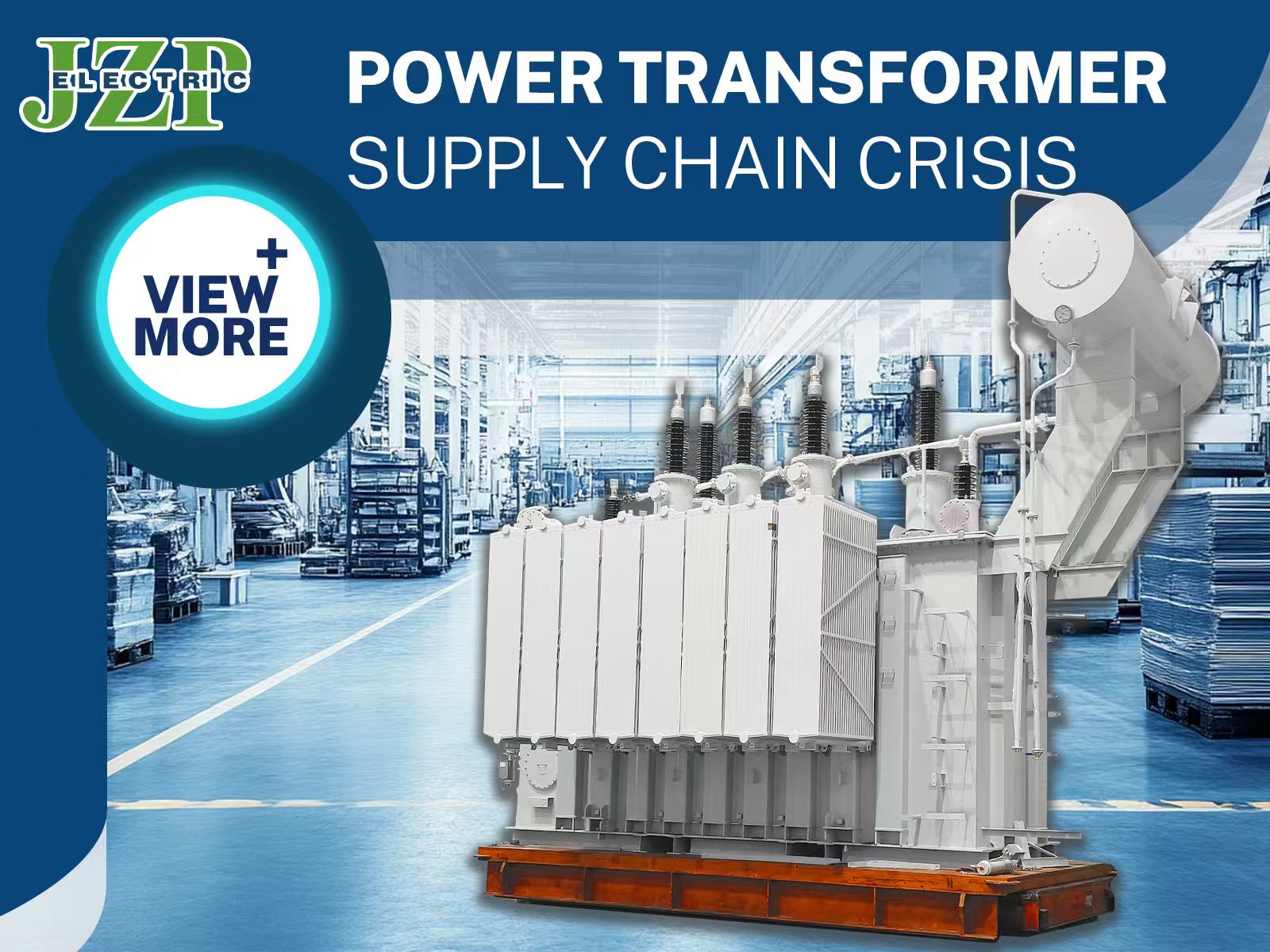
Global Power Transformer Crisis: A Perfect Storm of Demand, Trade Wars, and Aging Infrastructure
2026-01-04
In January 2026, the U.S. Department of Energy (DOE) released a sobering report: 43% of large power transformers (LPTs) in North America are operating beyond their 40-year design lifespan, while delivery times for critical units have ballooned to 210 weeks (nearly four years). Meanwhile, China’s transformer exporters are running at 127% capacity utilization, shipping 3.39 million metric tons of equipment in 2025 alone—a 43% year-on-year surge. This mismatch between supply and demand has triggered cascading failures: delayed AI data center projects, prolonged grid outages from wildfires, and a $1.2 trillion backlog in global infrastructure upgrades.
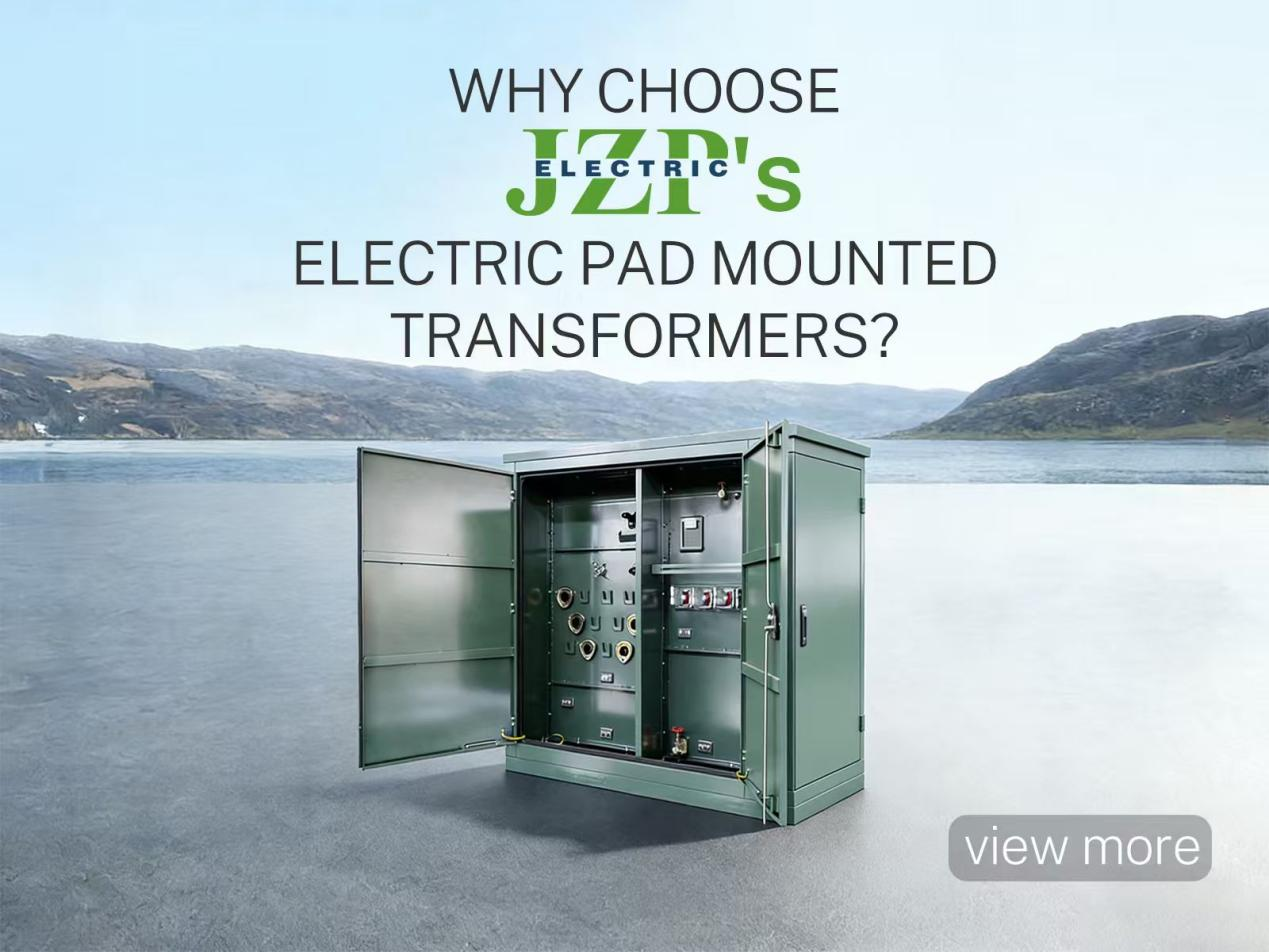
Why Choose JZP's Electric Pad Mounted Transformers?
2025-12-29
JZP’s transformers are renowned for their compact form factor, which optimizes space utilization in urban and industrial settings. Unlike traditional substations, these transformers integrate high- and low-voltage components into a single, streamlined unit, reducing land footprint by up to 80% compared to conventional substations . This design is ideal for densely populated areas, where space constraints are critical.
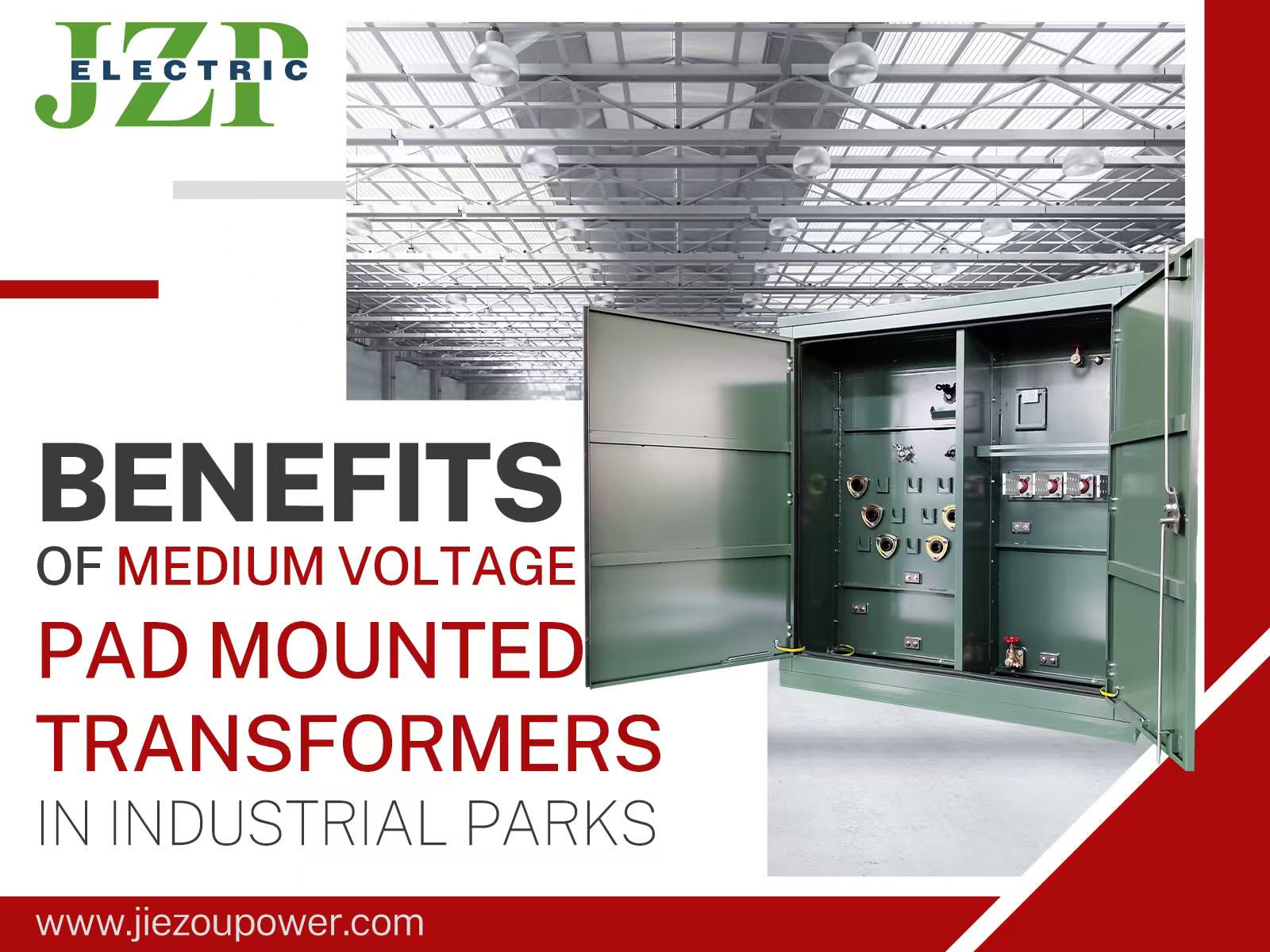
Benefits of Medium Voltage Pad Mounted Transformers in Industrial Parks
2025-12-26
Industrial parks gain significant advantages from the benefits of Medium Voltage Pad Mounted Transformers in Industrial Parks. These transformers provide medium voltage solutions that enhance reliability, safety, and compact design. Facility managers experience less downtime thanks to smart grid features integrated into these transformers. Predictive maintenance capabilities help prevent issues before they arise. Operators benefit from safer working conditions due to tamper-resistant enclosures. The small, weatherproof design conserves space and reduces costs. Additionally, modular designs and digital platforms support future expansion. These transformers also incorporate energy-efficient materials, promoting environmental sustainability. Governments and industry leaders continue to invest in these solutions to ensure reliable, scalable, and sustainable power for industrial parks.