
 +86 18068001229


0102030405
What's Hydrogen Production Rectifier Transformer?
2026-01-17
A Hydrogen Production Rectifier Transformer is a specialized electrical device critical to electrolytic hydrogen production, serving as the backbone of power conversion systems that transform alternating current (AC) from the grid or renewable energy sources into the stable, controlled direct current (DC) required for water electrolysis. Its primary role is to bridge the gap between high-voltage AC power and the low-voltage, high-current DC needs of hydrogen electrolyzers (e.g., alkaline or proton exchange membrane (PEM) electrolyzers), ensuring efficient, reliable, and high-quality power supply for splitting water into hydrogen and oxygen.
Core Functions
The transformer performs three key functions in hydrogen production:
Voltage Conversion: Steps down high-voltage AC (e.g., 10 kV, 35 kV) to the low-voltage DC (e.g., 160 V–592 V) required by electrolyzers, which operate on DC power to drive the electrolysis reaction.
Power Stabilization: Provides precise voltage and current regulation to maintain stable power output, even amid fluctuations in renewable energy sources (e.g., wind, solar) or grid load changes. This stability is critical to prevent electrolyzer damage and optimize hydrogen yield.
Harmonic Mitigation: Uses multi-pulse designs (e.g., 12-pulse, 24-pulse, 48-pulse, or 96-pulse) to reduce harmonic distortion in the output current. Harmonics—unwanted frequencies generated by rectification—can degrade power quality, increase energy losses, and interfere with other equipment. Multi-pulse topologies (achieved via phase-shifted windings or parallel bridges) minimize these distortions, complying with standards like IEEE 519.
Key Technical Features
Hydrogen production rectifier transformers are engineered for high efficiency, reliability, and compatibility with electrolyzers. Their design incorporates several advanced features:
Multi-Pulse Configurations: The most common designs include 12-pulse, 24-pulse, 48-pulse, and even 96-pulse systems. For example, a 96-pulse transformer (e.g., CEEG’s ZHSFT series) uses multiple parallel bridges with phase-shifted windings to reduce total harmonic distortion (THD) to below 10%, ensuring grid compatibility and protecting electrolyzers from voltage ripple.
High Efficiency: Modern transformers achieve efficiencies of 97.5% or higher at full load, minimizing energy waste. This is enabled by low-loss core materials (e.g., grain-oriented silicon steel) and optimized winding designs.
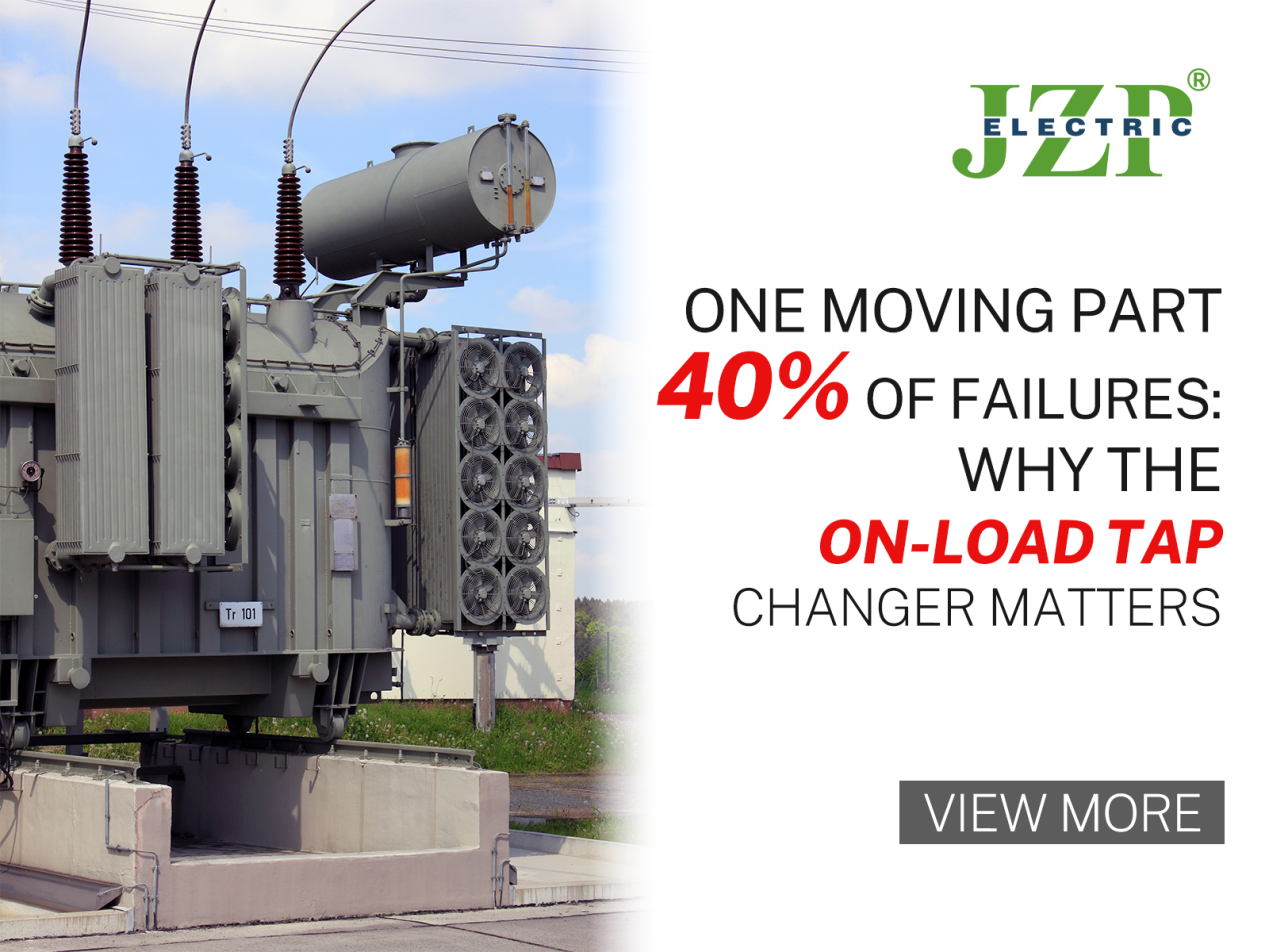
Precise Regulation: Combines on-load tap changers (OLTC) for coarse voltage adjustment (±10% stepwise) and thyristor phase-angle control for fine-tuning (continuous 0–100% output adjustability). This hybrid system ensures seamless adaptation to dynamic process requirements, such as changes in electrolyte concentration or production demand.
Robust Construction: Built to withstand harsh operating conditions (e.g., tropical climates, dust, humidity) with features like Class H insulation (resistant to 180°C), forced-oil-air (FOA) cooling (for high-temperature environments), and corrosion-resistant enclosures (IP54 rating). These features extend service life (up to 30 years) and reduce maintenance needs.
High Overload Capacity: Engineered to handle temporary overloads (e.g., 20% above rated capacity) without compromising performance, ensuring uninterrupted operation during peak demand or renewable energy fluctuations.
Applications in Hydrogen Production
Hydrogen production rectifier transformers are used in large-scale green hydrogen projects and industrial hydrogen generation, particularly those integrated with renewable energy sources. Examples include:
Jilin Da’an Wind-Solar Integrated Project: One of the world’s largest green hydrogen-ammonia projects, using CEEG’s 96-pulse rectifier transformers to power 2000 Nm³/h electrolyzers. The transformers enable efficient conversion of wind and solar power into hydrogen, supporting the production of green ammonia and methanol.
Songyuan Green Hydrogen Project: Supplied by Hitachi Energy, the rectifier transformers support a 3-GW renewable energy facility (wind + solar) powering water electrolysis. The transformers’ compact design, low losses, and harmonic resistance ensure reliable power supply for hydrogen production, which is then used to synthesize ammonia and methanol.
Industrial Electrolysis Plants: Used in chlor-alkali manufacturing, metal electrowinning, and other industrial processes requiring DC power. For instance, a 700 kVA rectifier transformer system deployed in the Democratic Republic of the Congo (DRC) powers electrolysis for industrial processes, featuring 12-pulse thyristor rectification and OLTC for precise voltage control.
Market Growth and Trends
The global market for hydrogen production rectifier transformers is experiencing rapid growth, driven by the increasing demand for green hydrogen (produced from renewable energy) and the need to decarbonize industries like steel, chemicals, and transportation. According to a 2025 report by QY Research, the market size is projected to grow from US$108 million in 2024 to US$1213 million by 2031, at a compound annual growth rate (CAGR) of 36.8% during the forecast period. This growth is fueled by:
Renewable Energy Integration: The shift toward wind and solar power requires rectifier transformers that can handle variable power inputs and maintain stable DC output.
Large-Scale Hydrogen Projects: Governments and corporations are investing in gigawatt-scale green hydrogen projects (e.g., the EU’s HyDeal Ambition, China’s Hydrogen Powering Jilin initiative), which demand high-capacity, efficient rectifier transformers.
Technological Advancements: Innovations like silicon carbide (SiC) converters, smart grid integration, and high-frequency transformer designs are improving efficiency, reducing losses, and enabling better integration with renewable energy systems.
Summary
A hydrogen production rectifier transformer is an indispensable component of modern hydrogen production systems, enabling the efficient conversion of AC power to the stable DC required for electrolysis. Its advanced features—including multi-pulse designs, high efficiency, precise regulation, and robust construction—ensure reliable operation in large-scale green hydrogen projects and industrial applications. As the demand for green hydrogen grows, the role of rectifier transformers will become even more critical, driving innovation and expansion in the global market.