
 +86 18068001229


0102030405
Industry News
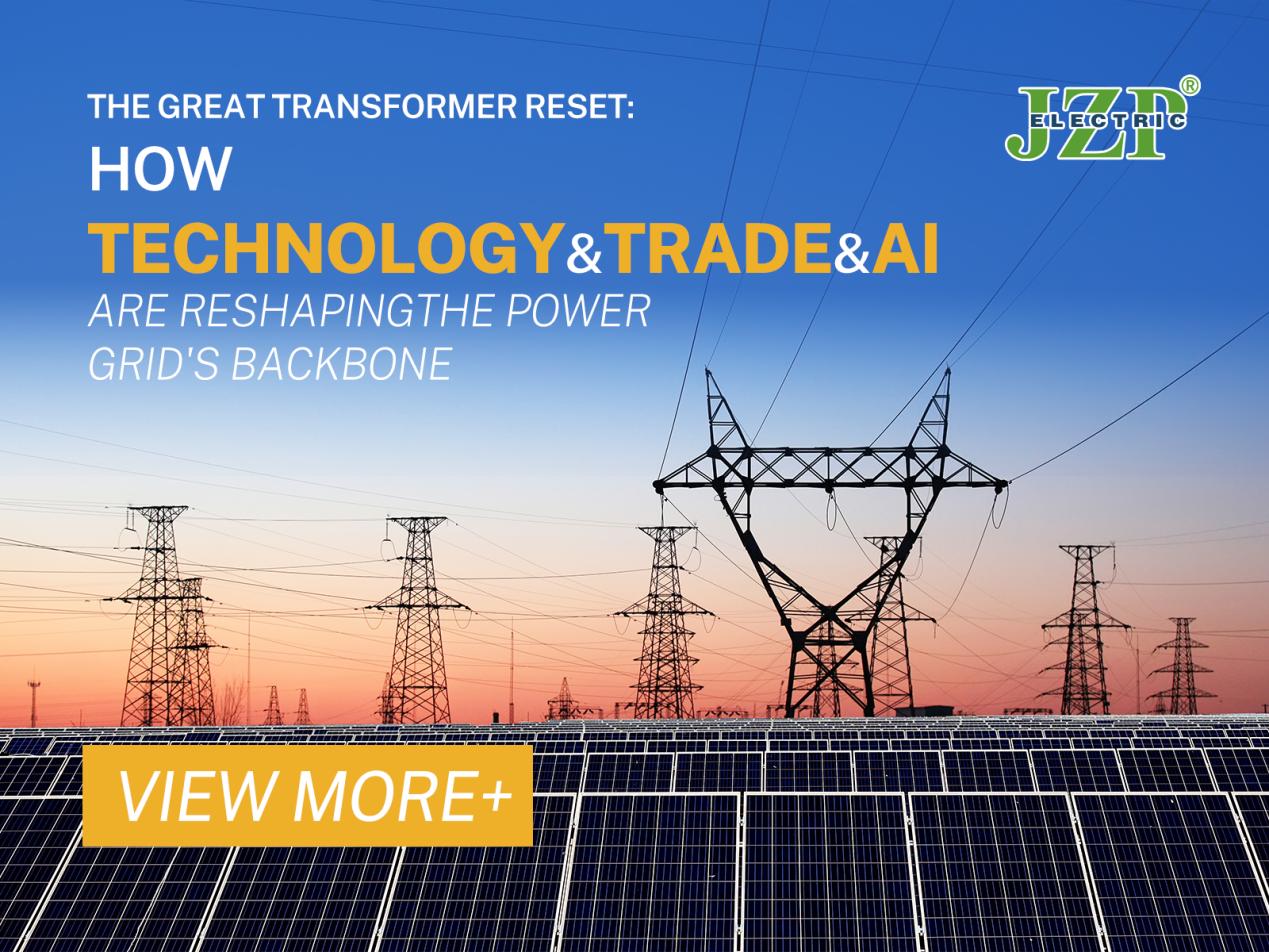
From Grid Workhorse to AI Gatekeeper: The Transformer's Second Act
2026-02-26
Tucked away in substations or perched on utility poles, it performed one essential task—converting voltage levels to enable long-distance power transmission—with little fanfare or recognition. It was the ultimate workhorse: reliable, predictable, and invisible.
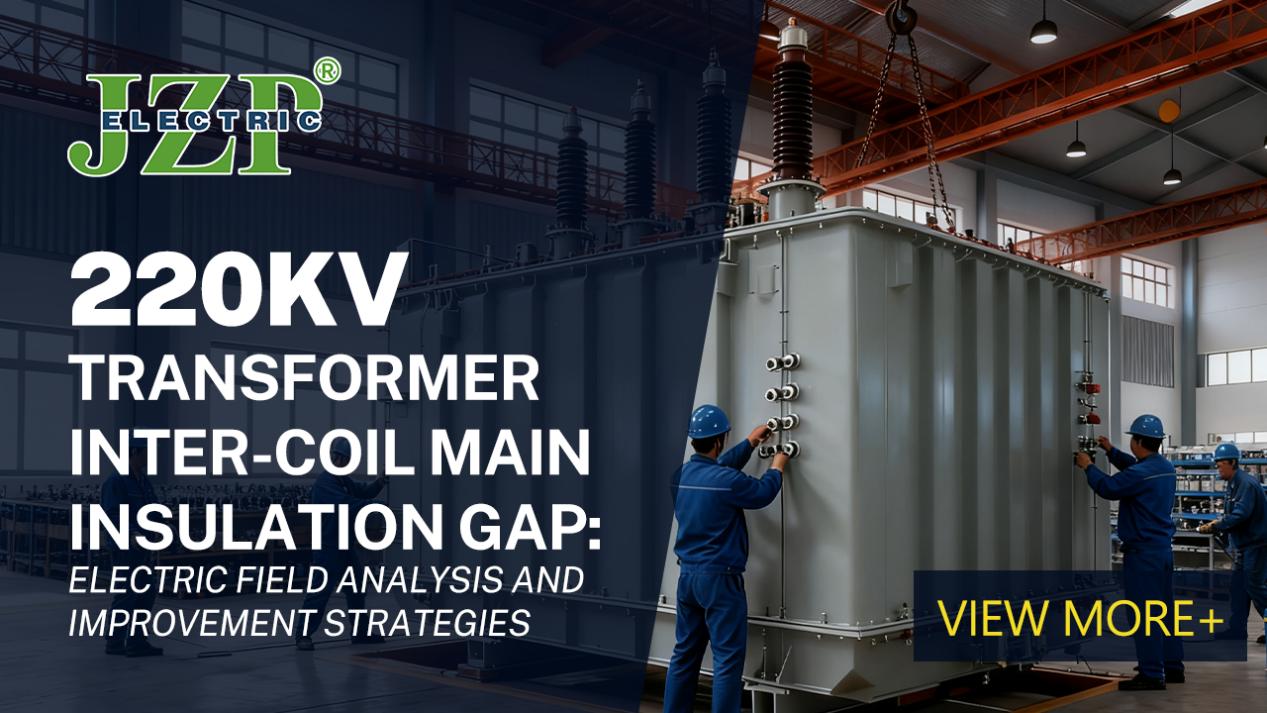
220kV Transformer Inter-Coil Main Insulation Gap: Electric Field Analysis and Improvement Strategies
2026-02-23
In the realm of high-voltage power transmission, 220kV transformers play a critical role in ensuring efficient energy distribution. The main insulation gap between transformer windings represents one of the most crucial design elements, directly impacting the transformer's reliability, longevity, and performance. As market leaders in transformer technology, we recognize that optimal insulation design is paramount to withstanding extreme electrical stresses, including continuous operating voltages, lightning impulses, and switching surges.
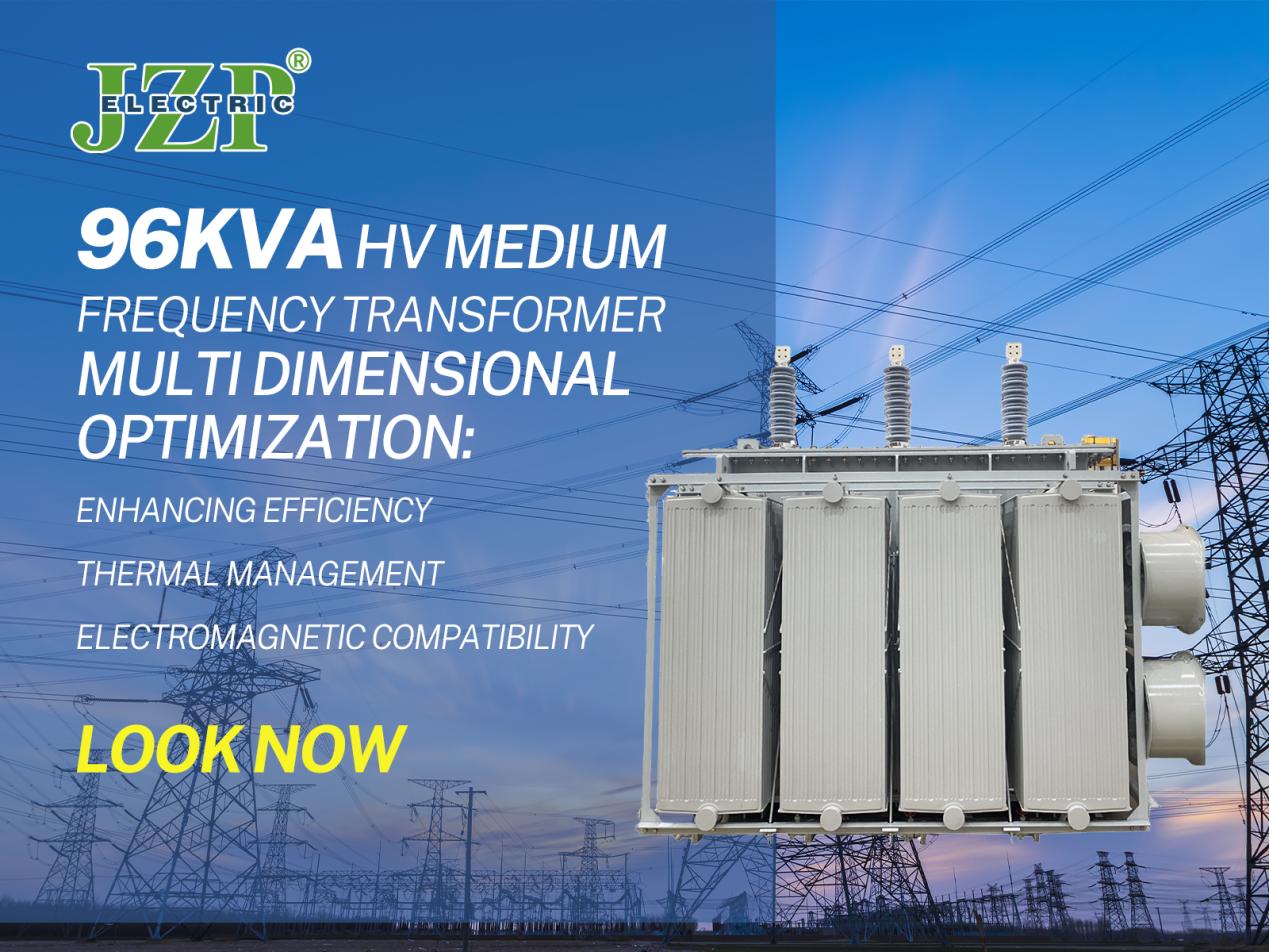
96kVA High-Voltage Medium-Frequency Transformer Multi-Dimensional Optimization: Enhancing Efficiency, Thermal Management, and Electromagnetic Compatibility
2026-02-21
Medium-frequency transformers (MFTs) are critical components in modern power electronics, enabling compact, high-efficiency energy conversion across applications like renewable energy integration, industrial heating, and traction systems. For high-power scenarios requiring 96kVA capacity, optimizing these transformers across efficiency, thermal management, and electromagnetic compatibility (EMC) is essential to meet performance and reliability demands. This article explores a multi-dimensional optimization approach for 96kVA high-voltage MFTs, combining material innovation, advanced simulation, and structural design refinements.
Selection and Protection Configuration Optimization of 110kV Transformer Neutral Point Grounding Methods
2026-02-13
In high-voltage power systems, the transformer neutral point grounding method is a critical factor influencing system safety, reliability, and stability. For 110kV power systems, the choice of neutral point grounding method directly affects equipment insulation levels, overvoltage protection, relay protection configuration, and power supply reliability. In China, 110kV systems typically adopt a partially effective grounding method, where some transformer neutral points are directly grounded while others remain ungrounded, aiming to limit single-phase short-circuit currents while preventing overvoltage threats .
Global Hot Trends in Medium and High Voltage Transformers
2026-02-11
The medium and high voltage transformer sector, a traditional field, is experiencing unprecedented attention and transformation driven by the global energy transition and the AI computing boom. The table below provides a quick overview of the core trends and regional characteristics to give you a overall picture.
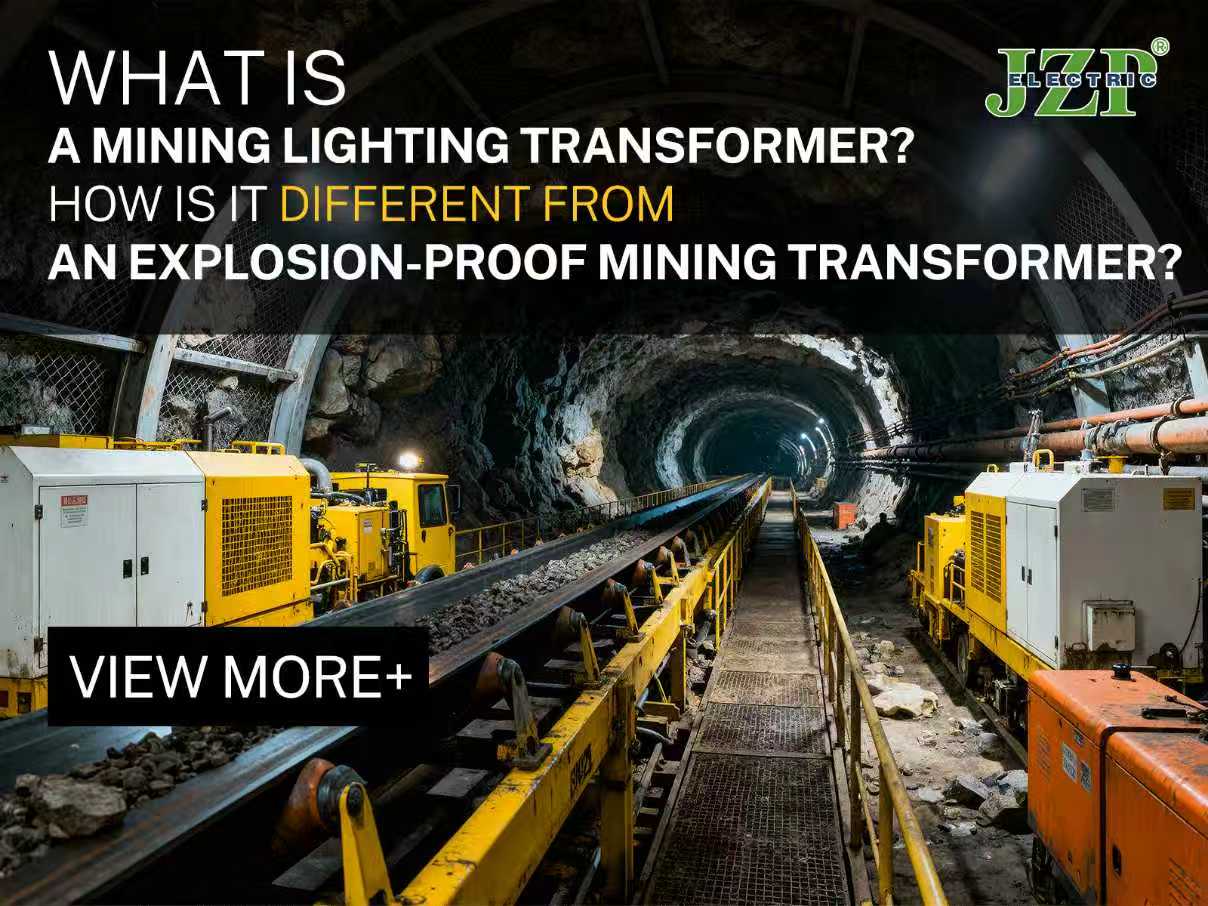
What Is A Mining Lighting Transformer? How Is It Different From An Explosion-Proof Mining Transformer?
2026-02-10
In the demanding environment of mining operations, a reliable and safe power supply is not just a necessity—it is a matter of life and death. Transformers tailored for these settings are engineered with exceptional robustness and specific safety features. Among them, mining lighting transformers and explosion-proof mining transformers play distinct but critical roles. While both are built to withstand harsh conditions, their design philosophies, applications, and safety protocols differ significantly. This article delves into the specifics of these two types of medium-voltage transformers, highlighting their unique characteristics and helping industry professionals make informed decisions.
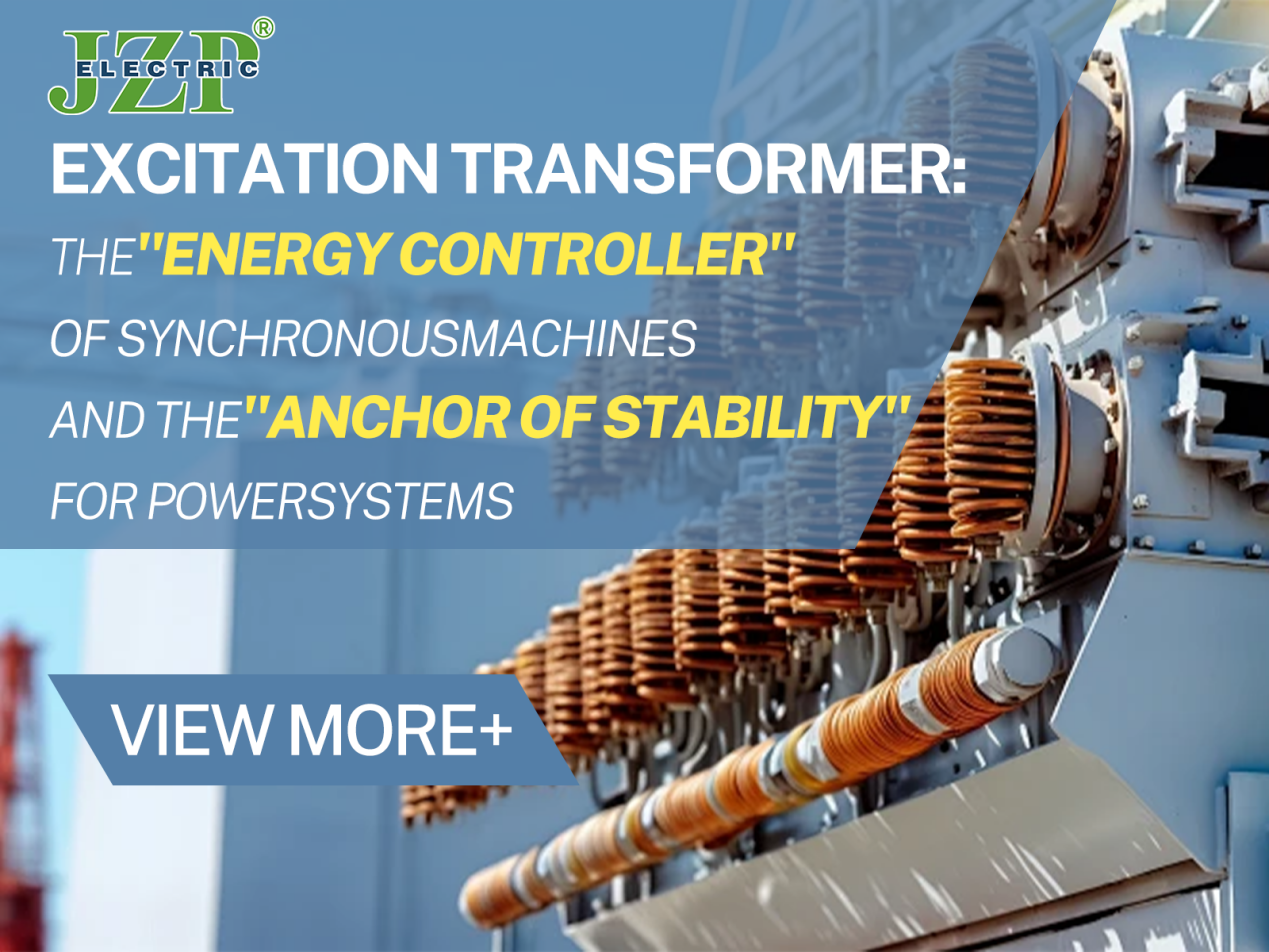
Excitation Transformer: The "Energy Controller" of Synchronous Machines And The "Anchor of Stability" for Power Systems
2026-02-06
In the dynamic landscape of modern power generation, excitation transformers stand as pivotal components, ensuring the seamless operation of synchronous machines and fortifying grid stability. By intelligently regulating excitation currents and maintaining voltage integrity, these specialized transformers bridge the gap between raw power generation and refined energy distribution. Their role is particularly critical in medium- and high-voltage applications, where they function as the silent guardians of electrical networks, enabling synchronous generators to adapt to load shifts, mitigate disturbances, and support the integration of renewable resources. This article explores the transformative role, technical innovations, and diverse applications of excitation transformers that are driving the future of resilient power systems.

Global Transformer Orders Booked Until 2027! Mid-to-High Voltage Demand Surges – How to Secure Your Project's Lead
2026-02-05
The global power equipment industry is facing an unprecedented scenario: leading transformer manufacturers are fully booked until 2027, with some high-voltage specialty units scheduled for delivery as far out as 2028. This extraordinary backlog reflects a perfect storm of surging demand from AI compute infrastructure, grid modernization initiatives, and renewable energy integration. With American delivery cycles stretching to 127 weeks (over 2 years) compared to China's more efficient 25-week average, the global market is experiencing a severe supply-demand imbalance that threatens to delay critical energy and technology projects worldwide .
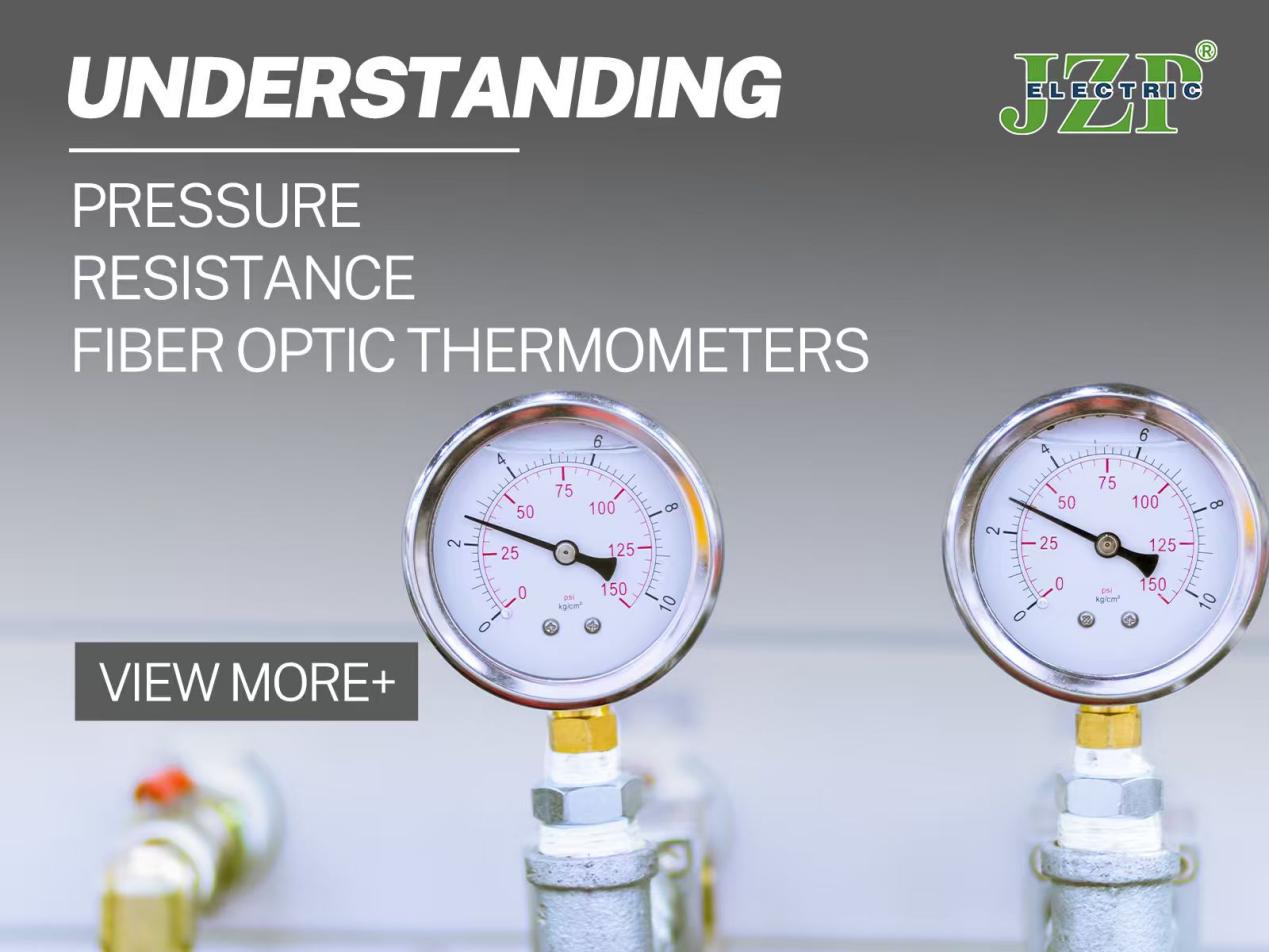
Understanding Pressure, Resistance, And Fiber Optic Thermometers
2026-02-04
The reliable operation of an oil-immersed transformer largely depends on the stability of its internal insulating oil and winding temperatures. Overheating is a primary cause of accelerated insulation aging, performance degradation, and ultimately, failures. Therefore, temperature monitoring is one of the most fundamental and critical aspects of transformer operation and maintenance. From traditional mechanical dials to modern intelligent fiber optic systems, the history of thermometer development is an evolution of transformer monitoring technology from passive observation to active early warning.
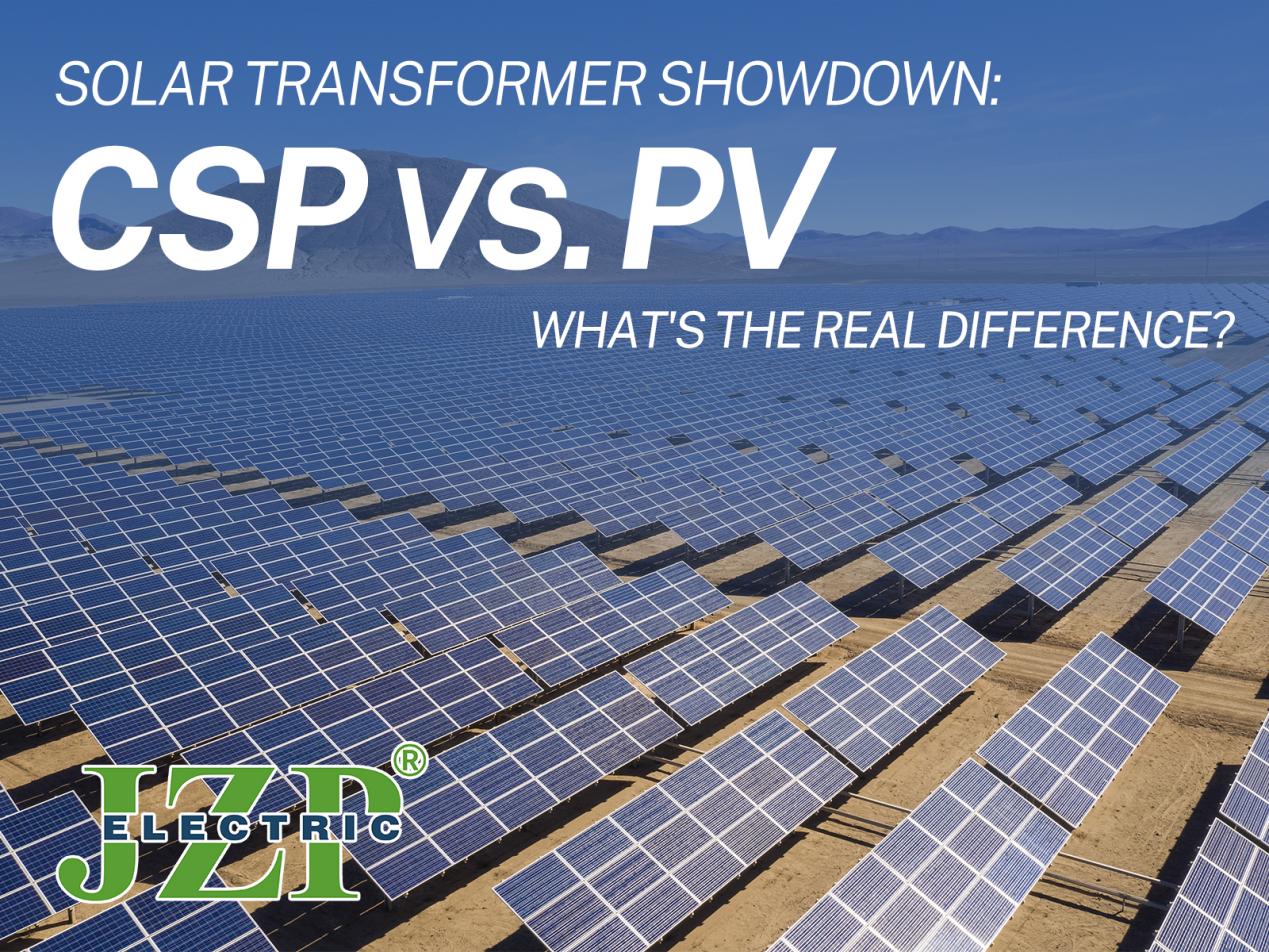
Solar Transformer Showdown: CSP Vs. PV – What's The Real Difference?
2026-02-04
Although both serve solar power generation, tower-type concentrated solar power (CSP) and photovoltaic (PV) power generation operate on completely different technical principles, leading to fundamental differences in their transformer technical requirements, specifications, and system roles.