
 +86 18068001229





0102030405
Industry News
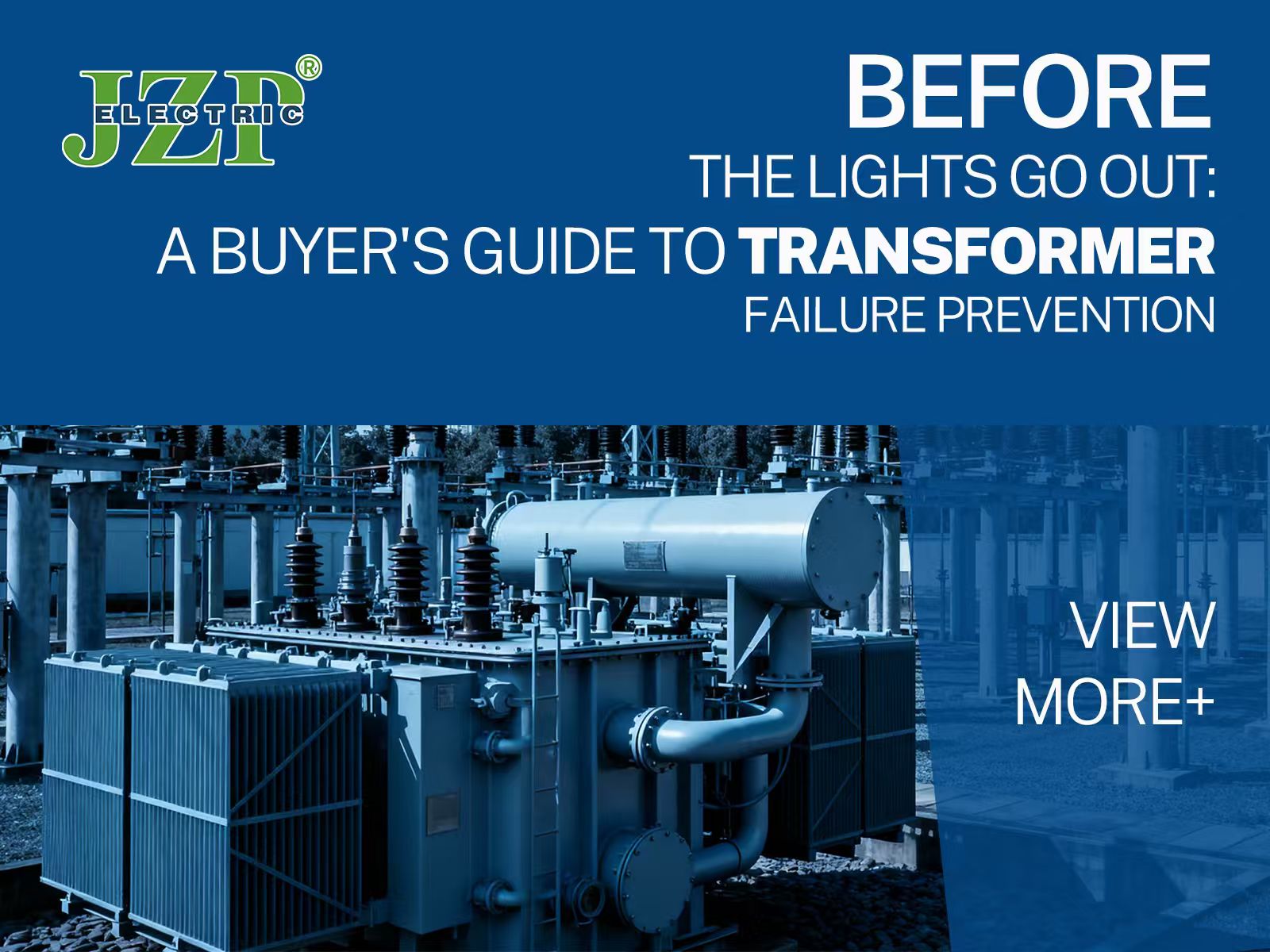
Before the Lights Go Out: A Buyer's Guide to Transformer Failure Prevention
2026-03-31
Transformers are among the most reliable assets in the electrical grid, often operating for decades with minimal issues. But when failures occur, the consequences can be severe: prolonged outages, expensive repairs, and safety hazards. Understanding how transformers fail—and how to prevent it—is essential knowledge for procurement professionals and asset managers.
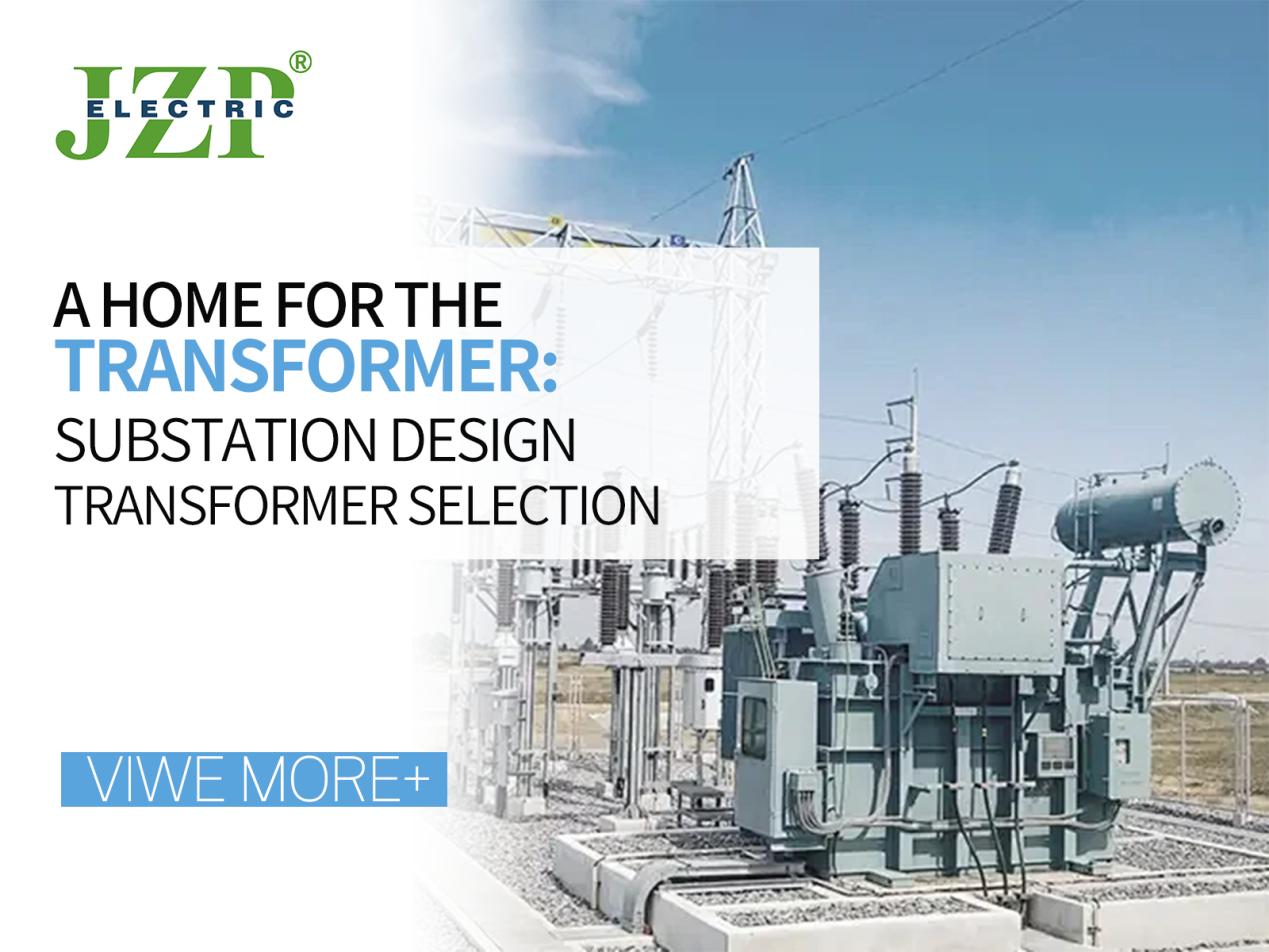
A Home for the Transformer: Substation Design and Transformer Selection
2026-03-27
A transformer's performance depends not only on its own quality but also on its operating environment. Poor substation design leads to overheating, accelerated insulation aging, and difficult maintenance. Understanding how transformers integrate with their surroundings is essential for procurement professionals making informed purchasing decisions.
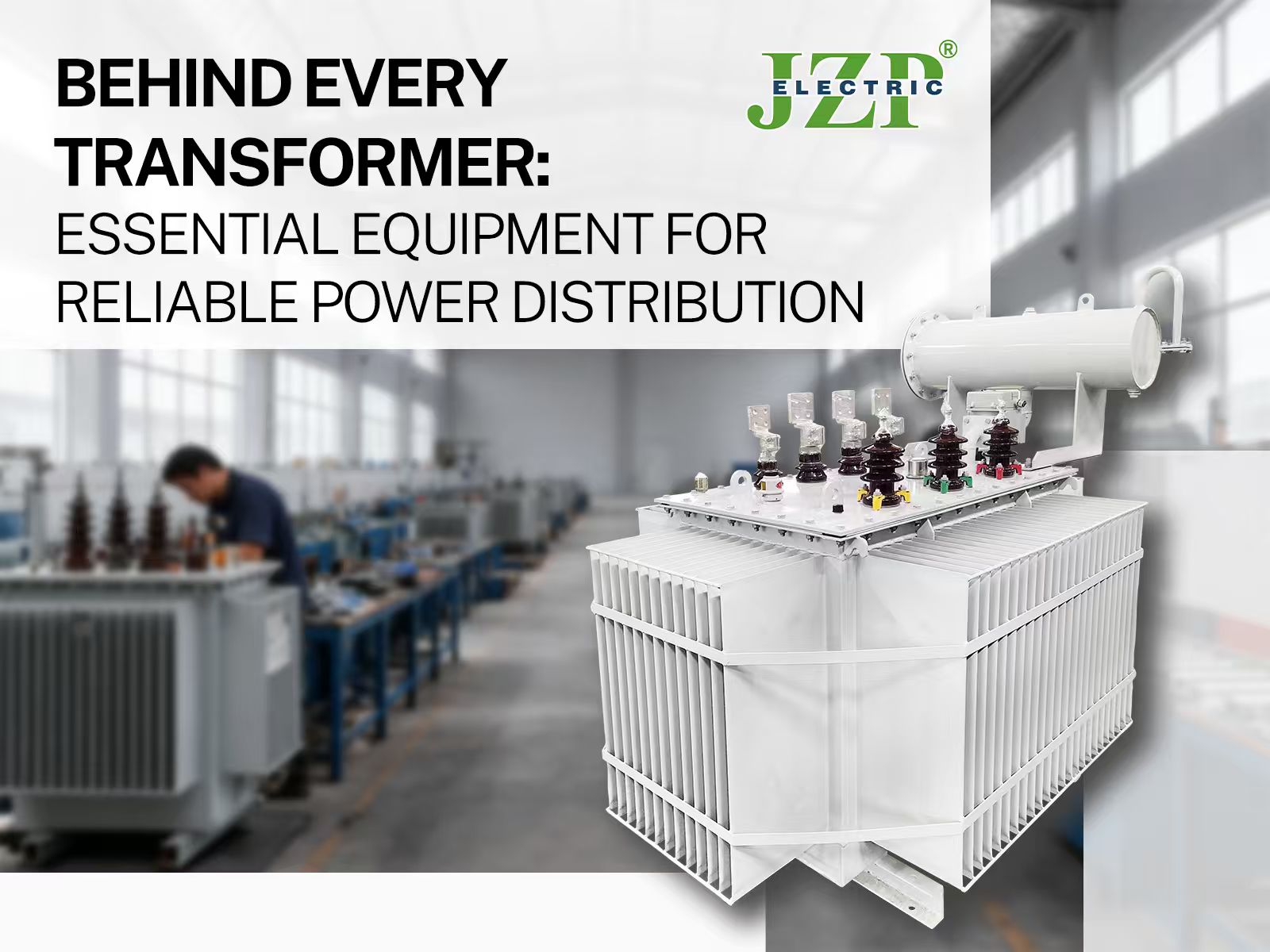
Behind Every Transformer: Essential Equipment for Reliable Power Distribution
2026-03-26
A transformer does not work alone. In any substation or distribution network, it is surrounded by a team of specialized equipment—each performing critical functions that enable safe, reliable power delivery. Understanding these components helps procurement professionals make informed decisions and better evaluate how transformers integrate with the wider system.
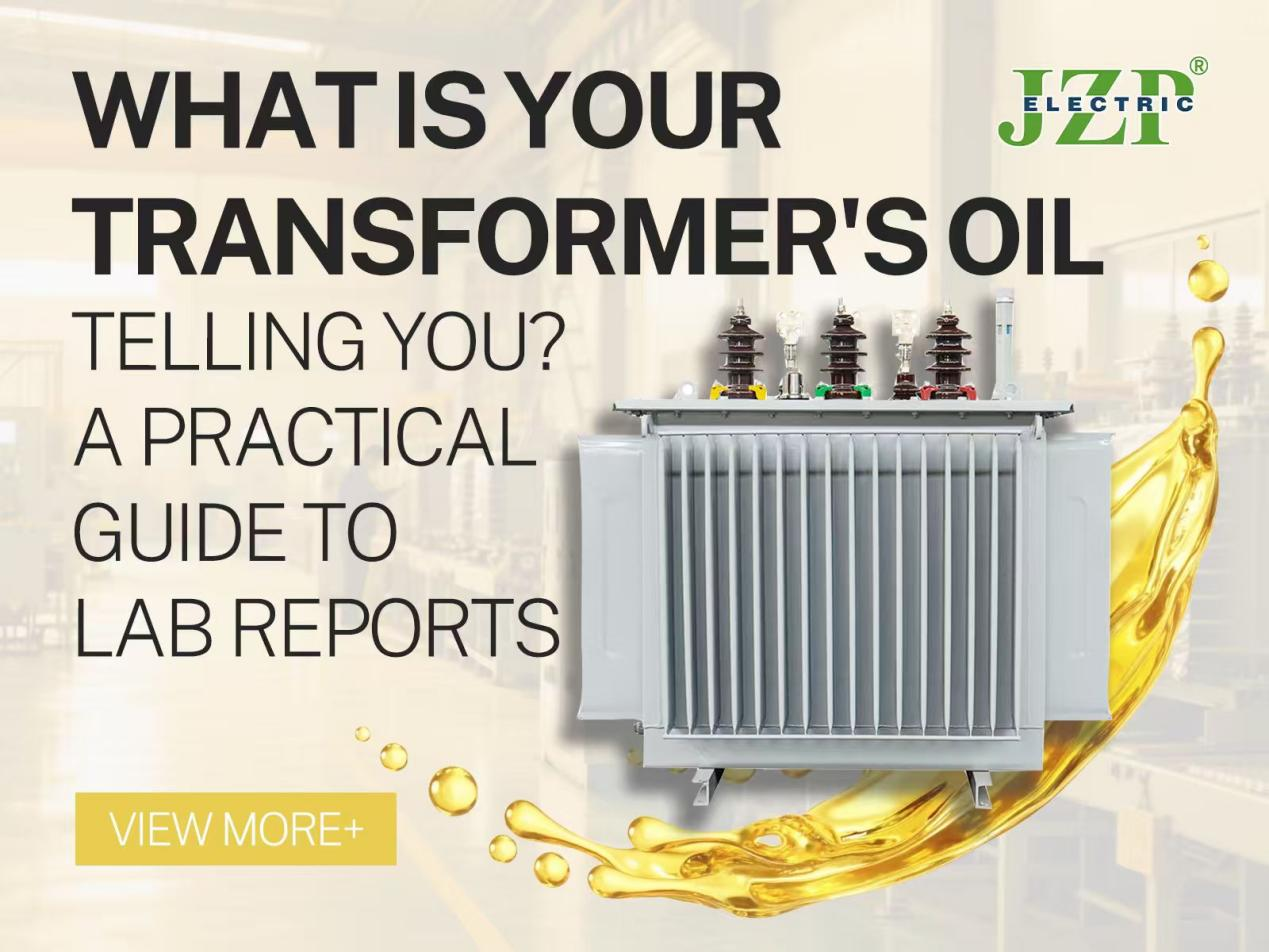
What Is Your Transformer's Oil Telling You? A Practical Guide to Lab Reports
2026-03-24
Transformer oil is often called the "blood" of the transformer. Like blood in the human body, it carries vital information about internal health. A single oil sample can reveal developing faults, insulation degradation, and contamination long before any external symptoms appear.
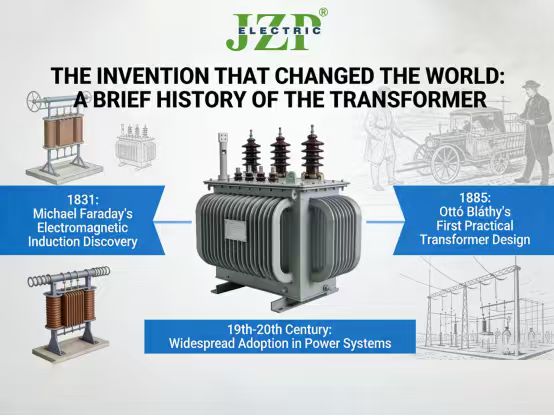
The Invention That Changed the World: A Brief History of the Transformer
2026-03-23
Few inventions have shaped modern civilization as profoundly as the transformer. It enables electricity to travel hundreds of miles from power plants to homes and industries, making large-scale electrification possible. Yet the transformer's journey from laboratory curiosity to grid essential spans more than a century and involves dozens of scientists across multiple continents. This article traces that remarkable history.
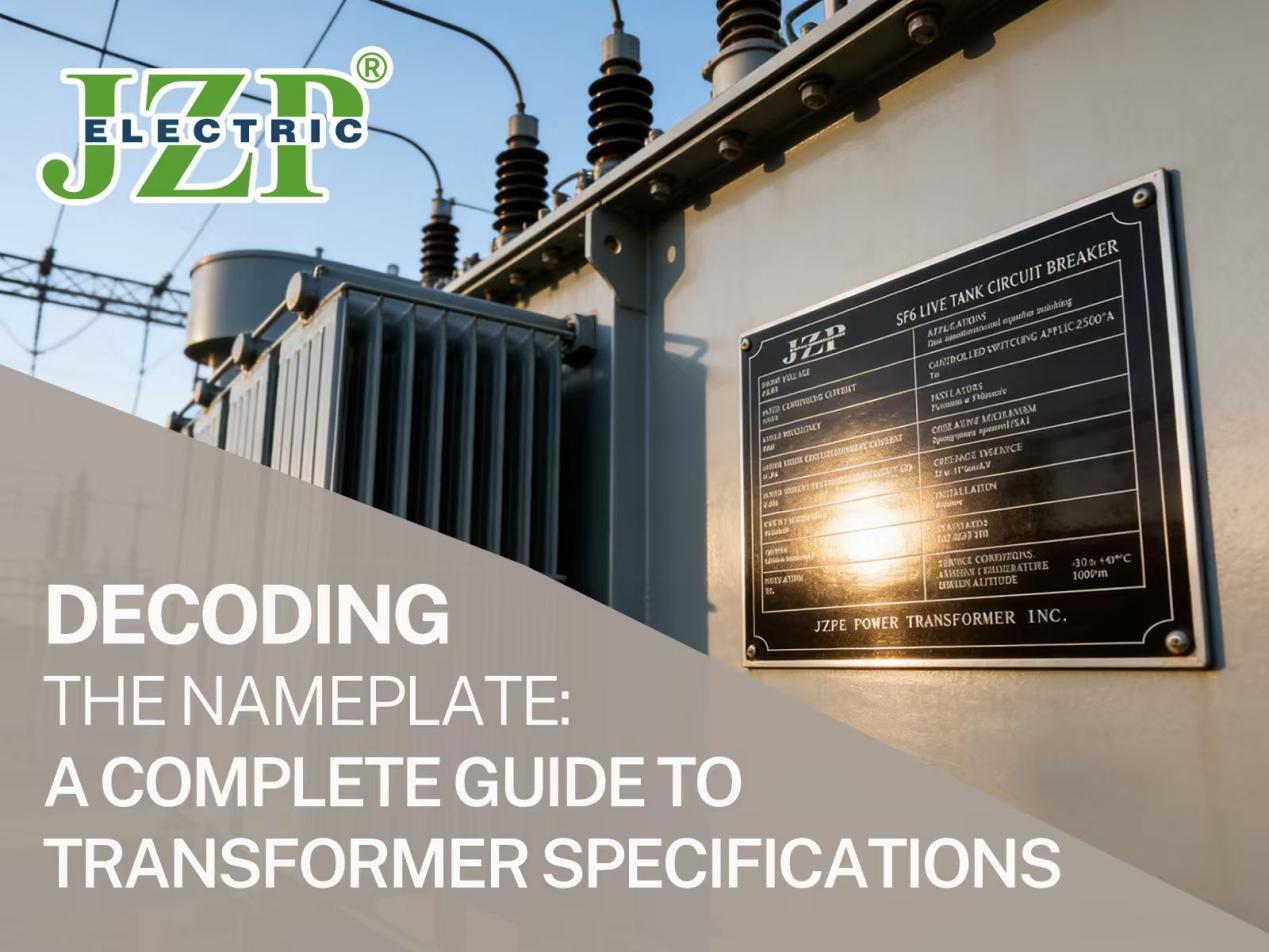
Decoding the Nameplate: A Complete Guide to Transformer Specifications
2026-03-20
Every transformer carries a metal plate that serves as its identity card—the nameplate. For procurement professionals, engineers, and asset managers, understanding this information is essential. The nameplate contains vital statistics that define how the transformer can be operated, connected, and maintained throughout its service life .
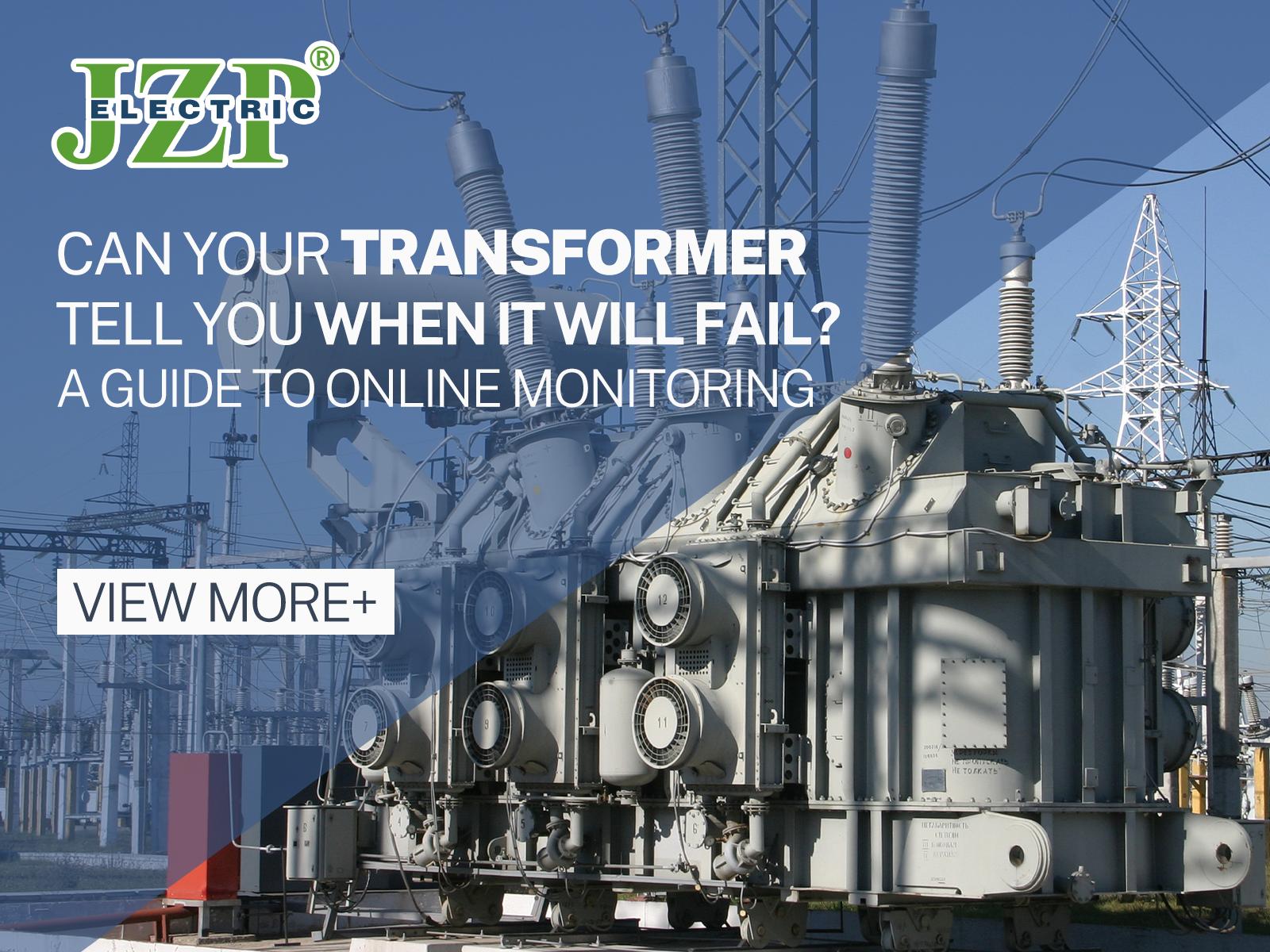
Can Your Transformer Tell You When It Will Fail? A Guide to Online Monitoring
2026-03-18
For most of their working lives, transformers operate in silence. Problems develop internally—insulation degrades, connections loosen, hotspots form—without any visible warning. By the time conventional protection operates, damage is often already done.
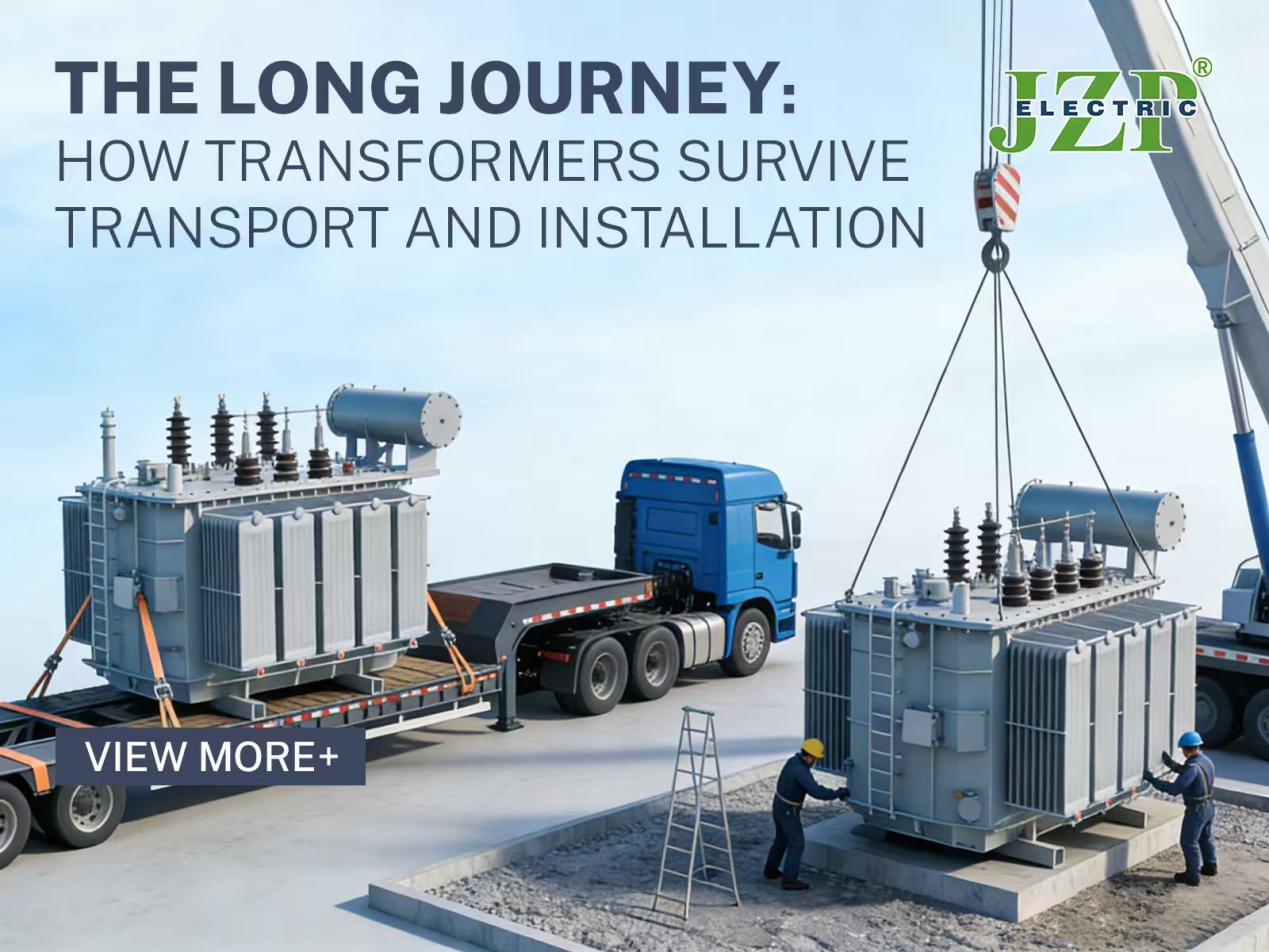
The Long Journey: How Transformers Survive Transport and Installation
2026-03-18
For a large power transformer, the journey from factory to substation is an engineering challenge unto itself. Weighing hundreds of tons and containing delicate internal components, these assets face significant risks during transport—risks that, if unmanaged, can lead to hidden damage and premature failure. Understanding the logistics of transformer transport and installation is essential for procurement professionals who must ensure their investments arrive safely and perform reliably.
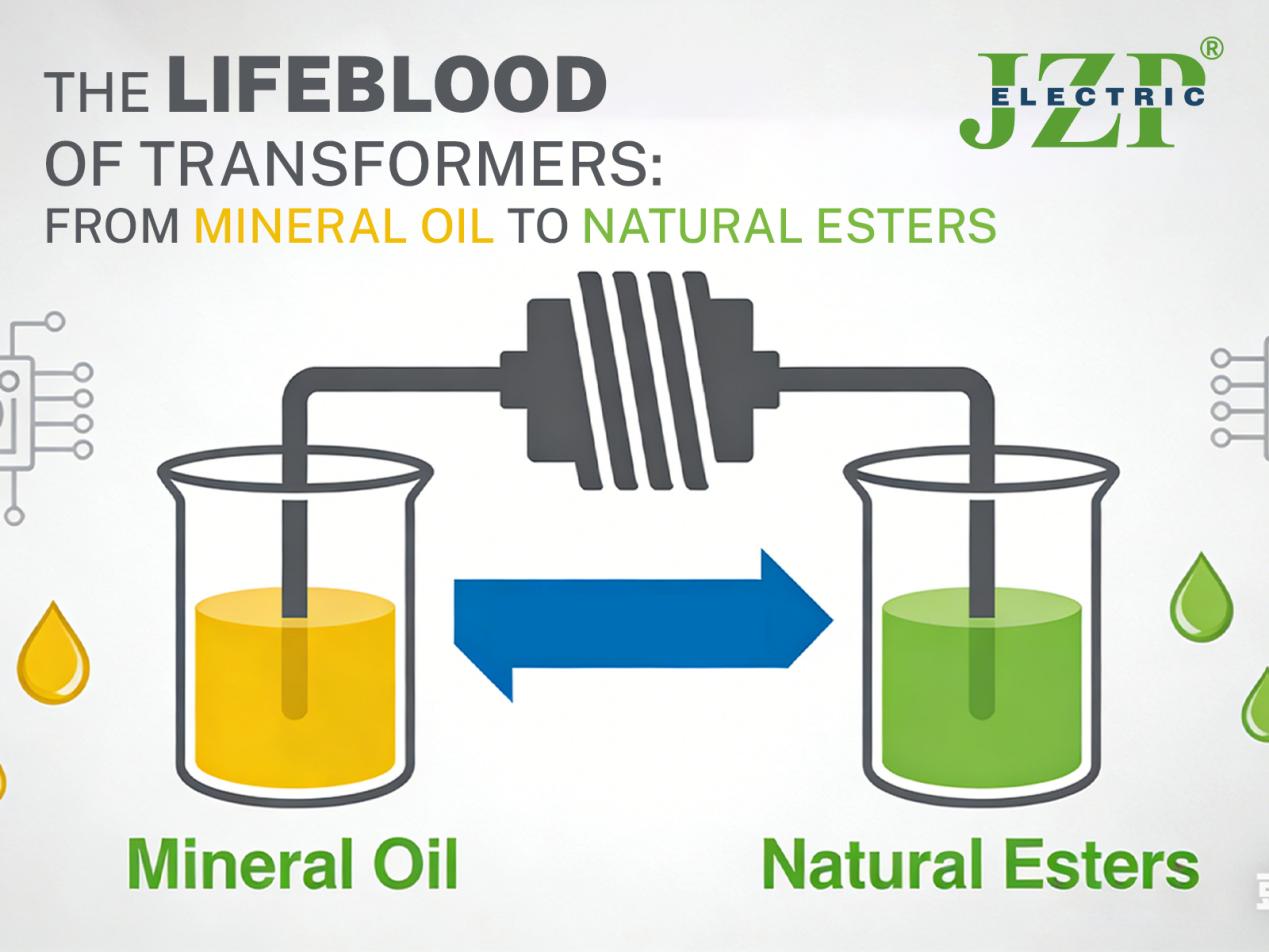
The Lifeblood of Transformers: From Mineral Oil to Natural Esters
2026-03-17
Transformer oil is often called the "blood" of the transformer. It insulates, cools, protects, and even diagnoses. For more than a century, mineral oil derived from petroleum has been the standard choice. But growing environmental concerns and fire safety requirements have driven the development of alternatives—most notably, natural ester oils derived from vegetable sources.
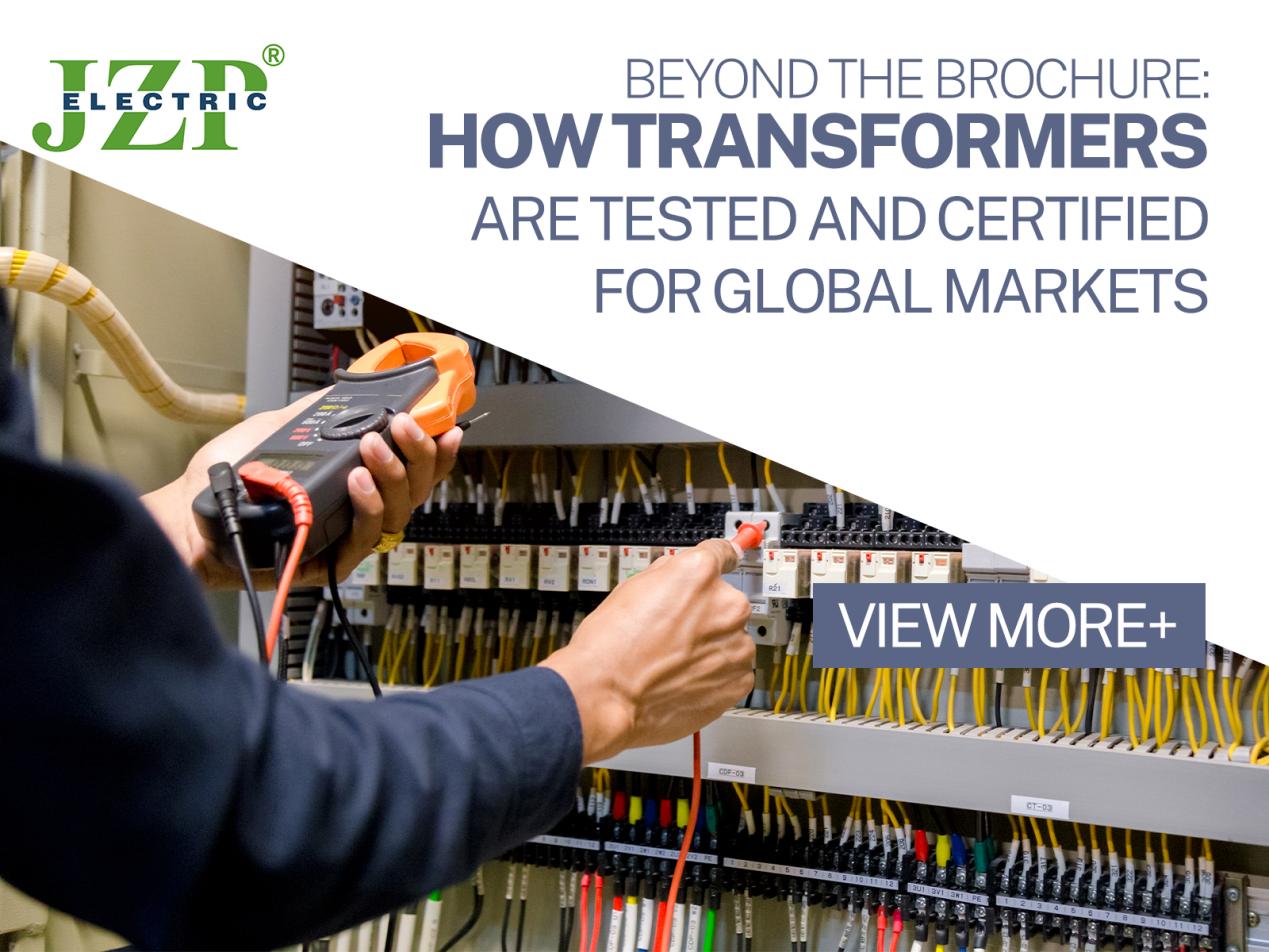
Beyond the Brochure: How Transformers Are Tested and Certified for Global Markets
2026-03-16
When purchasing a transformer, technical specifications tell only part of the story. The real proof of quality lies in test reports and certification marks. For procurement professionals navigating global markets, understanding what these tests mean and which certifications matter can mean the difference between a reliable investment and a costly mistake.