
 +86 18068001229





0102030405
The Critical Role of Medium and High Voltage Transformers in Renewable
2025-05-28
Energy Integration
As the global energy landscape undergoes a historic shift toward sustainability, integrating renewable sources such as wind, solar, and hydropower into the grid has become a cornerstone of decarbonization efforts. Medium and high voltage (MV-HV) transformers have emerged as a key enabler in this transition, playing a vital role in ensuring the efficiency, reliability, and scalability of renewable energy projects.
1. Power Transmission for Renewable Energy
Step-Up and Step-Down Transformation
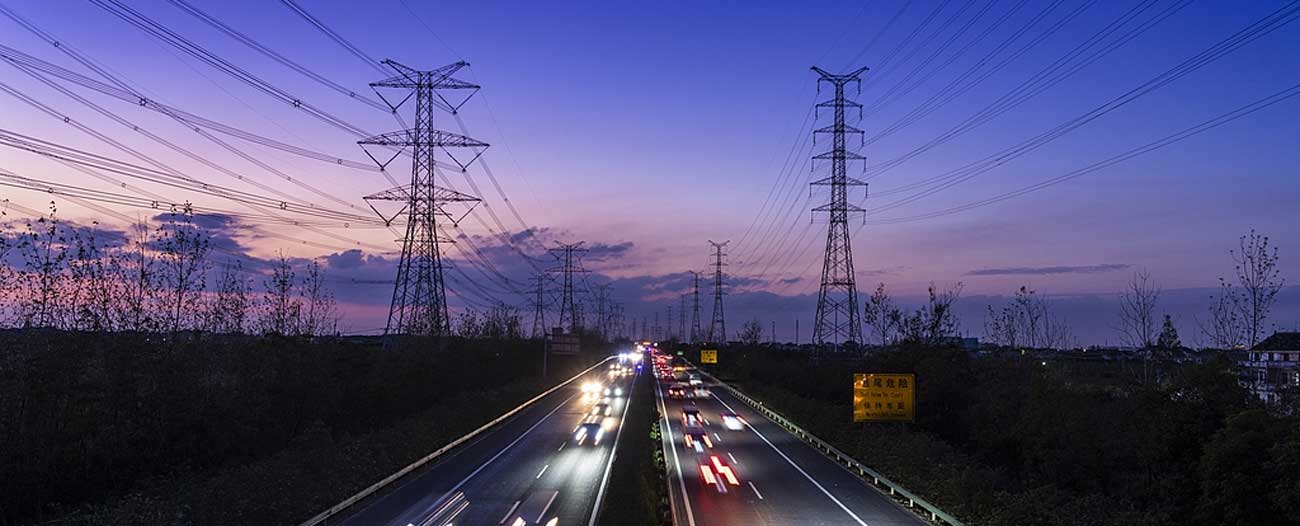
Renewable energy power plants, such as wind farms and photovoltaic (PV) solar stations, typically generate alternating current (AC) at lower voltages. To transmit this electricity over long distances to consumption centers, High Voltage Transformers are used to step up the voltage, significantly reducing energy losses during transmission. At the substation level, high voltage transformers then step the power down to lower voltages suitable for urban and industrial use.
Efficient Transmission
Typical transmission voltage levels reach 110kV, 220kV, or even higher. This requires transformers with excellent insulation properties and highly efficient energy conversion to ensure safe and effective transmission. These capabilities are essential for maximizing the return on investment in renewable energy projects. Without MV-HV transformers, renewable energy would remain stranded near generation sites, unable to reach urban centers where demand is highest.
2. Applications in Energy Conversion Systems
With advancements in energy conversion technologies, high voltage transformers are increasingly used in direct current (DC) transmission systems, enabling efficient power conversion and transmission. In smart grid systems, HV transformers serve as core components, allowing for precise control and regulation of electricity flow within the grid, thereby enhancing the efficient use of renewable energy.
3. The Rise of Green Transformers
In the renewable energy sector, green transformers are gaining attention and adoption due to their energy-saving, low-carbon, and recyclable characteristics. These transformers not only fulfill traditional roles but also emphasize environmental performance and energy efficiency.
• Energy Saving & Low Carbon: By using advanced materials and designs, green transformers significantly reduce no-load and load losses, enhancing energy efficiency. For instance, silicone rubber dry-type transformers and open-core Amorphous Alloy Transformers demonstrate substantial energy-saving effects.
• Eco-Friendly Materials: Green transformers utilize biodegradable and non-toxic insulating fluids such as natural ester oils, minimizing environmental impact. Additionally, eco-friendly materials are prioritized in solid insulation and other components, driving material innovation.
• Safe & Reliable: Green transformers are designed with high reliability in mind, ensuring strong short-circuit resistance and stable operation under overload conditions. Flame-retardant or non-flammable materials are employed to eliminate explosion risks and enhance safety.
MV-HV transformers are the backbone of the global energy transition, with broad and critical applications in the renewable energy sector. As governments and industries worldwide accelerate decarbonization, these devices are playing an increasingly important role in shaping a cleaner and more efficient energy system. With the rapid growth of renewables and the deepening of energy reform, transformer technology will continue to evolve to meet demands for greater efficiency and environmental responsibility.