
 +86 18068001229



0102030405
Functions and Applications of Three-Phase Oil-Immersed Transformers
2025-10-14
Core Functions
Voltage Transformation and Energy Transmission
Three-Phase Oil-Immersed Transformers utilize electromagnetic induction to step up or step down AC voltages, serving as critical equipment in power systems to connect grids of different voltage levels. For example, they raise generator output voltages (e.g., 6kV or 10kV) to transmission-level voltages (e.g., 220kV or higher) for long-distance power delivery or reduce high-voltage electricity to distribution-level voltages (e.g., 10kV/0.4kV) for end-users
.
Insulation and Heat Dissipation
Transformer oil acts as both an insulating medium and a cooling agent:
Insulation: The oil’s high dielectric strength (far exceeding air) prevents short circuits between windings and cores, isolates moisture and contaminants, and slows insulation aging
.
Cooling: Heat generated by windings and cores is transferred to the oil, which circulates naturally or via forced systems (e.g., fans, pumps) to radiators or tank surfaces, maintaining safe operating temperatures (typically ≤85°C for upper-layer oil)
.
Safety and Stability
Short-Circuit Resistance: Fully oil-immersed structures enhance mechanical strength, complemented by gas relays and explosion-proof vents to safely release pressure during internal faults
.
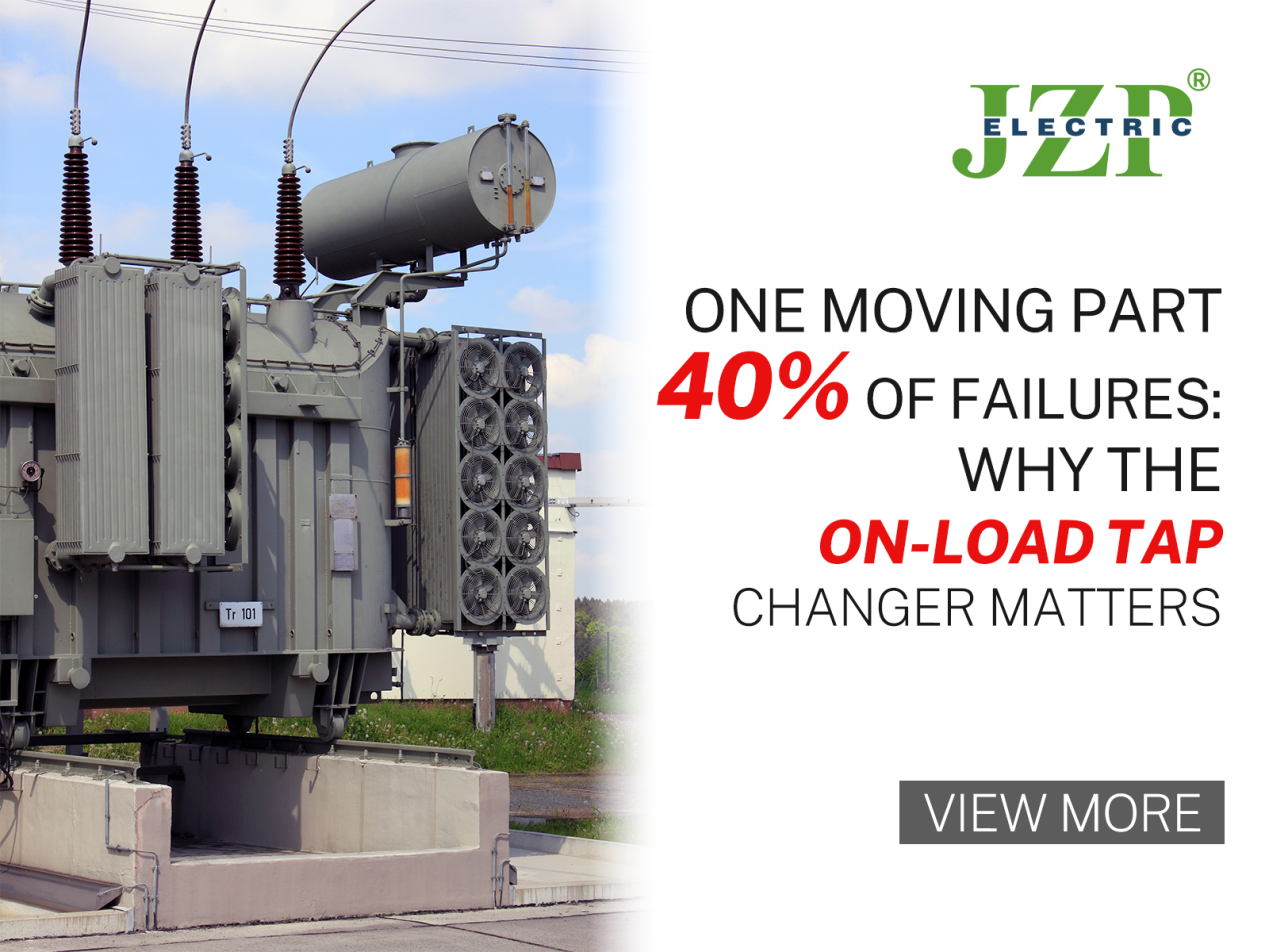
Voltage Regulation: On-load or off-load tap changers adjust output voltage (±5% range) to stabilize grid fluctuations caused by renewable energy integration or load changes
.
Environmental Adaptability
High-Altitude Operation: For elevations >3,000 meters, designs incorporate larger cooling fans or optimized heat dissipation to compensate for reduced cooling efficiency due to lower air pressure
.
Sealing Technologies: Corrugated tanks or capsule-based conservators minimize oil-air contact, extending maintenance intervals and operational lifespan
.
Key Applications
Power Infrastructure
Generation & Substations: Step up voltages at power plants (e.g., 10kV to 220kV) for transmission and step down voltages at terminal substations (e.g., 35kV to 0.4kV) for industrial/urban use
.
Grid Interconnection: Facilitate energy redistribution across regions, ensuring balanced supply-demand dynamics.
Industrial & Energy Sectors
Oil Fields & Mining: Provide stable power for drilling rigs, extraction equipment, and remote facilities in harsh environments
.
Metallurgy & Chemicals: Supply high-voltage power (e.g., 10kV/35kV) to electrolytic cells, furnaces, and large motors
.
Construction & Public Utilities
Temporary Power: Deployed in construction sites, events, or emergency scenarios for rapid, reliable electricity distribution
.
Rail Transport: Supply traction power (e.g., 35kV/1.5kV) for metro and high-speed rail systems
.
Renewables & Smart Grids
Solar/Wind Integration: Step up low-voltage renewable energy (e.g., 0.69kV) to grid-entry levels (e.g., 35kV) for efficient feed-in
.
Dynamic Voltage Regulation: Adapt to fluctuating distributed energy inputs, maintaining grid stability through real-time tap adjustments
.
Technological Advancements & Selection Criteria
Energy Efficiency Upgrades
Modern models (e.g., S13/S22 series) reduce no-load losses by >30% via optimized core lamination (e.g., amorphous alloys) and winding designs, complying with GB 20052-2024 standards
.
Environmental Enhancements
Biodegradable Oils: Replace mineral oil with plant-based esters (100% biodegradable, flashpoint ≥350°C) to mitigate fire risks and ecological impact
.
Smart Monitoring: Integrated IoT sensors track oil quality, temperature, and partial discharge for predictive maintenance
.
Selection Parameters
Capacity: 30kVA to 20,000kVA, with larger units for industrial loads
.
Cooling Modes:
ONAN(Oil-Immersed Self-Cooling): Small capacities (<1,600kVA).
OFAF(Forced Oil/Air Cooling): High-capacity transformers (>20,000kVA)
.
Insulation Class: H-class (180°C) for extreme environments
.
Conclusion
Three-phase oil-immersed transformers remain indispensable in modern power systems due to their efficiency, reliability, and adaptability. Innovations in eco-friendly materials, smart diagnostics, and compact designs align with global sustainability goals, ensuring continued relevance in energy transition initiatives.