
 +86 18068001229



0102030405
Distribution Transformers: Key Components and Operational Principles
2025-09-03
Distribution Transformers serve as critical infrastructure in modern power grids, efficiently stepping down high-voltage transmission lines (typically 11-33 kV) to usable service voltages (120-480 V) for residential, commercial, and industrial consumers
. These static electromagnetic devices operate through fundamental principles of electromagnetic induction while incorporating advanced engineering features for reliability and safety.
1. Operational Mechanics
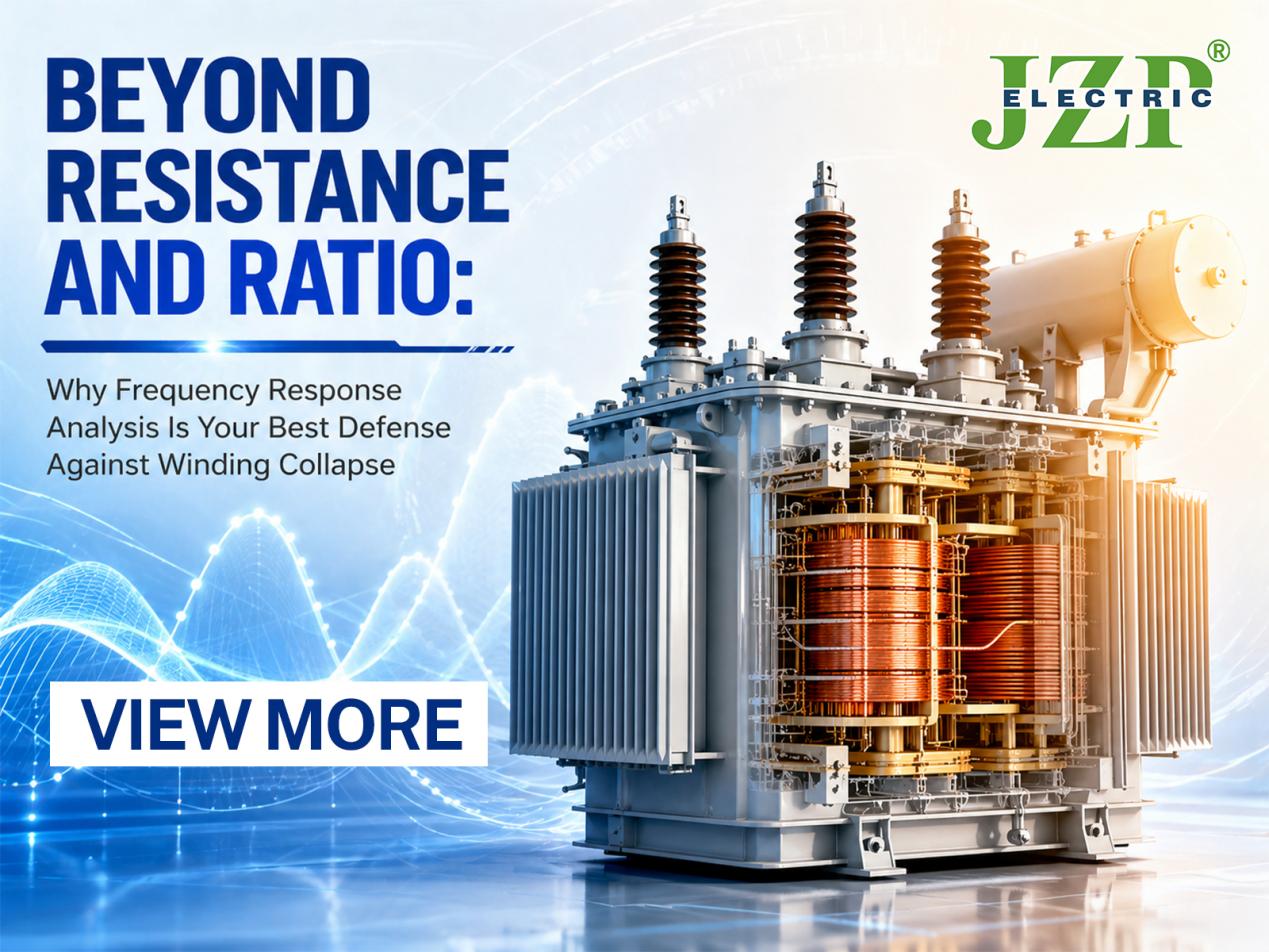
The voltage transformation process relies on electromagnetic induction between primary and secondary windings. When alternating current flows through the high-voltage primary winding, it generates a time-varying magnetic flux within the laminated silicon steel core. This magnetic coupling induces a proportional voltage in the secondary winding, determined by the turns ratio (N₁/N₂) according to Faraday's Law of Induction
. Mathematical relationships can be expressed as:
V₁/V₂ = N₁/N₂ = k (turns ratio)
I₁/I₂ = N₂/N₁ (current ratio inverse to voltage ratio)
2. Structural Design
Modern implementations feature optimized configurations:
- Core Assembly: Laminated grain-oriented silicon steel cores minimize eddy current losses while maintaining magnetic permeability
- Cooling Systems:
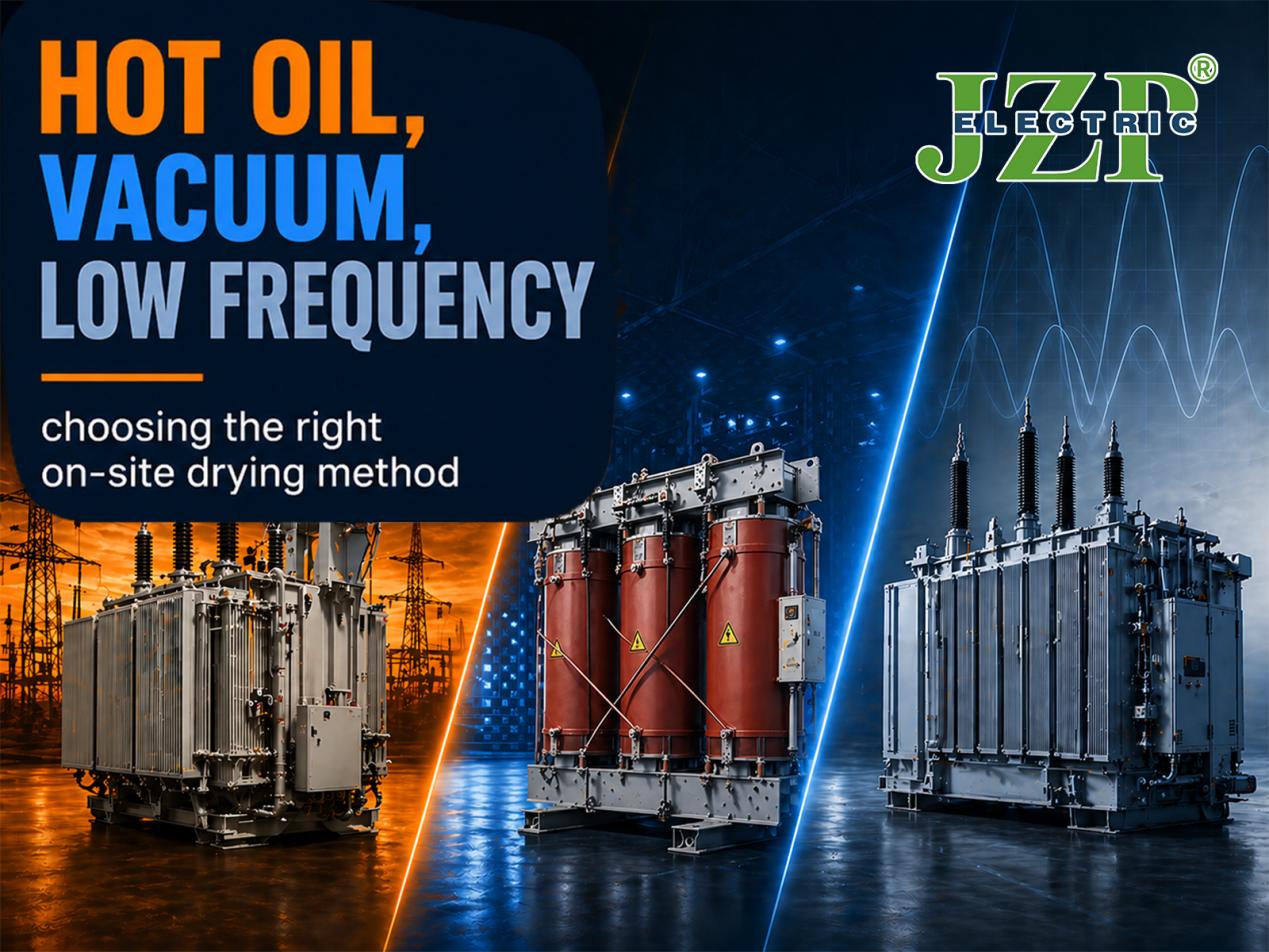
- Oil-immersed types (common for outdoor installations) use transformer oil for thermal management and dielectric insulation
- Dry-Type Transformers (suitable for indoor applications) employ air cooling with enhanced fire safety
- Protection Mechanisms: Integrated surge arresters, thermal relays, and pressure relief valves ensure operational safety against overcurrents and environmental stressors
3. Performance Characteristics
- Efficiency Range: Achieves 95-99% efficiency under optimal loading conditions through minimized core losses (hysteresis and eddy currents)
- Capacity Options: Available from 50 kVA to 25,000 kVA configurations, with compact designs enabling pole-mounting or pad-mounted installations
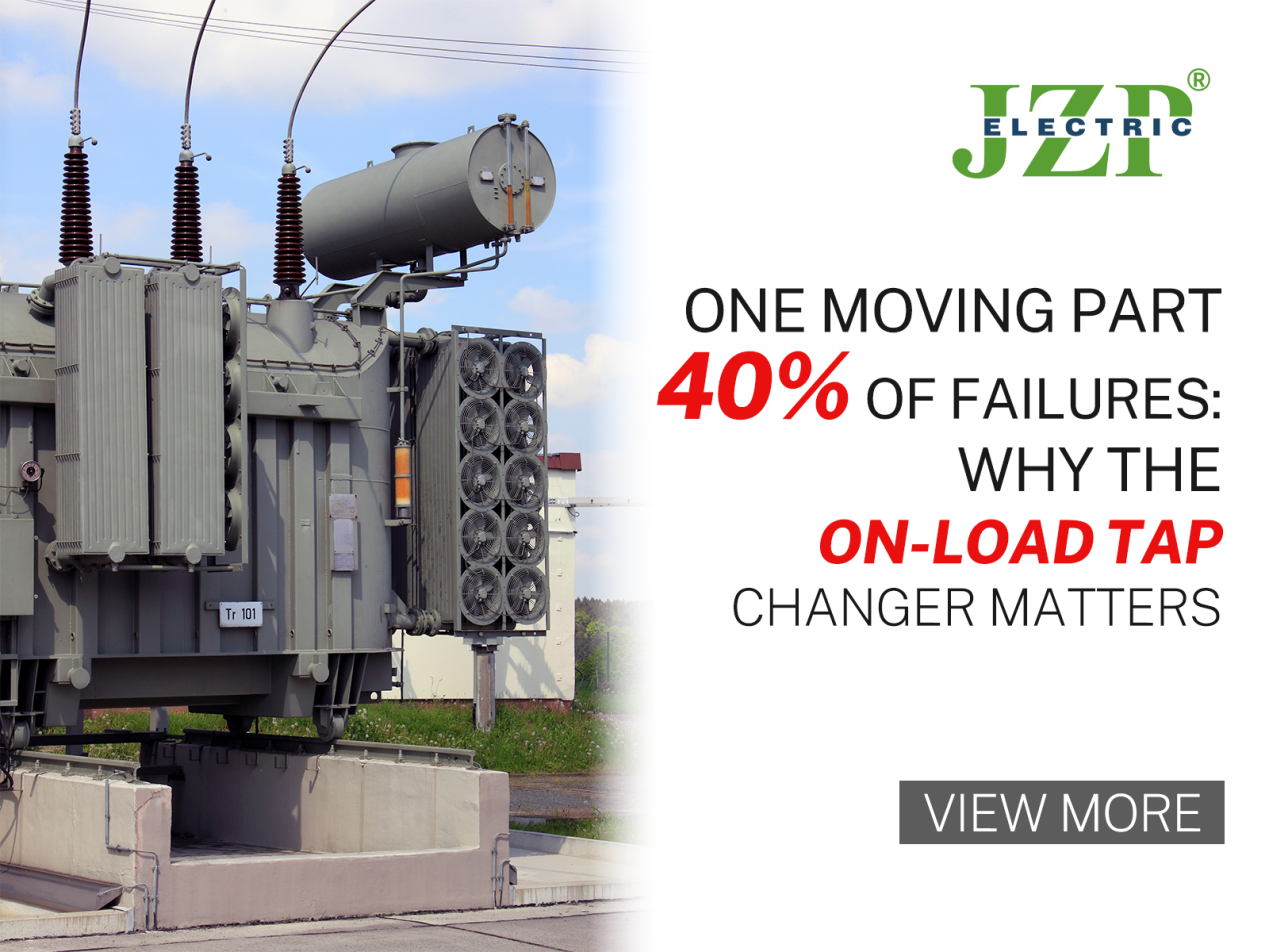
- Voltage Regulation: Advanced OLTC (On-Load Tap Changer) technology enables ±10% voltage regulation without service interruptions
4. Safety Innovations
Contemporary units incorporate multiple protective layers:
- Overload protection through thermal imaging and winding temperature sensors
- Instantaneous short-circuit current limitation using current-limiting fuses
- Surge suppression via metal-oxide varistors (MOVs) and shielded windings
5. Maintenance Considerations
While requiring minimal maintenance compared to rotating machinery, periodic inspections focus on:
- Dielectric strength testing of insulating oil (for oil-immersed types)
- Partial discharge monitoring in high-voltage windings
- Bushing condition assessment using infrared thermography
These engineered solutions exemplify the fusion of classical electromagnetic principles with modern power electronics, ensuring efficient and reliable energy distribution across diverse grid architectures. For specialized applications like renewable energy integration or smart grid systems, advanced designs incorporating amorphous metal cores further enhance performance through ultra-low no-load losses