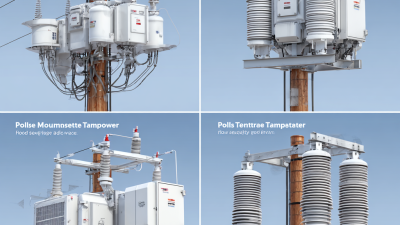
Pole-mounted transformers might not be something we think about every day, but they actually play a pretty big role in how we get electricity. You’ll see these transformers perched on utility poles all around — they basically step down the super high voltage from substations into a safer level so our homes and businesses can use it without any hassle. Once you understand how they work, it’s kinda impressive to realize just how crucial they are for keeping the lights on and the power flowing reliably every day.
So, how do these transformers do their magic? Well, they use electromagnetic induction to lower the voltage while still pumping out enough power. This process is key because it means electricity can travel long distances with minimal losses, making the whole system way more efficient. And if you think about it, these transformers are built tough — they need to handle all kinds of weather, from sun and rain to wind and snow, without breaking a sweat, ensuring our service stays uninterrupted.
All in all, Pole-mounted Transformers are way more important than we often give them credit for. They're not just about safely delivering power; they also play a big part in integrating new renewable energy sources and keeping our electrical grid stable — stuff that's super important as our energy needs evolve. Looking into how they operate, how they're built, and the impact they have really gives us a better idea of what the future of power looks like and just how vital these little devices are for our communities.
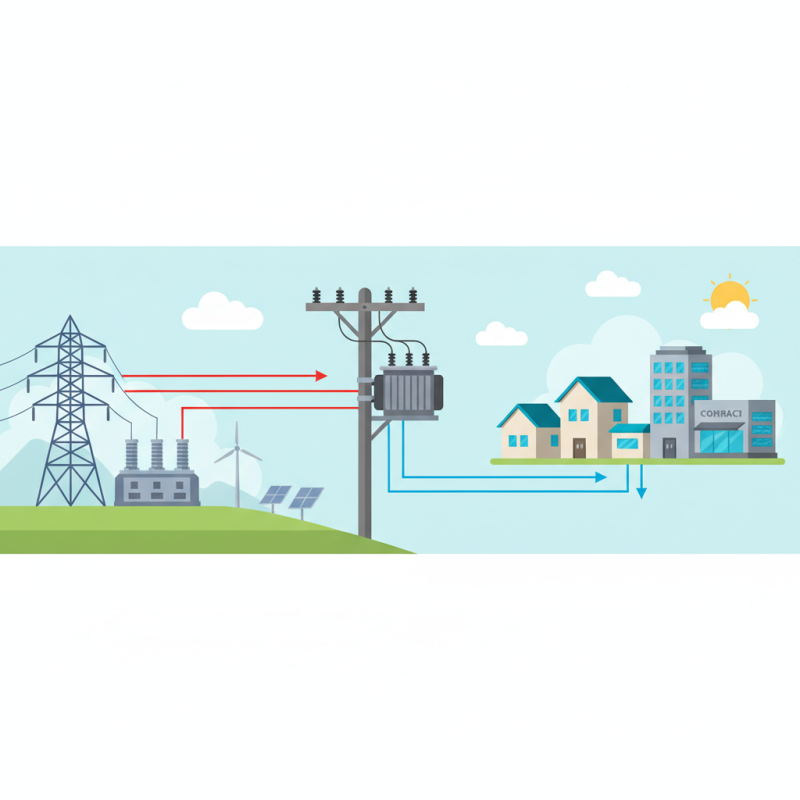
What is a Pole Mounted Transformer?
A Pole Mounted Transformeris a crucial component in the Power Distribution network, responsible for stepping down voltage from high transmission levels to a lower voltage suitable for residential or commercial use. Typically installed on utility poles, these transformers facilitate the efficient delivery of electricity by reducing energy losses during transmission. According to data from the U.S. Energy Information Administration, pole mounted transformers account for a significant percentage of the 1.3 billion transformers used in the United States, showcasing their importance in maintaining grid reliability.
The design of pole mounted transformers is optimized for outdoor use, with durable materials that withstand various weather conditions. They usually have a compact structure, making them suitable for urban and suburban settings where space is limited. Their efficient operation not only contributes to effective power distribution but also ensures that energy is delivered at a safe voltage level for consumer use. In fact, studies indicate that replacing old transformers with modern energy-efficient units can lead to a reduction in energy losses of up to 20%, making these upgrades critical for improving overall system performance.
Tips: When observing pole mounted transformers in your area, pay attention to any signs of wear or damage, as these can indicate maintenance needs. Also, be mindful of safety regulations and keep a safe distance when near these installations, as they carry high voltage and can pose electrical hazards. Regular maintenance and timely upgrades to newer models can greatly enhance efficiency and sustainability in energy distribution.
Key Components of a Pole Mounted Transformer
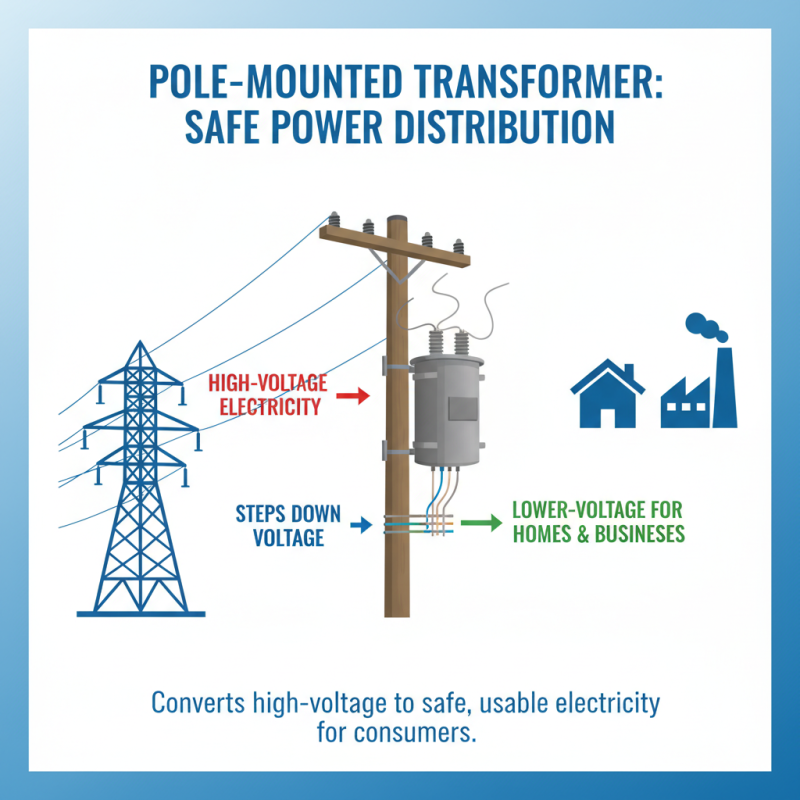
A pole mounted transformer is an essential component in the electrical distribution system, designed to reduce high-voltage electricity from power lines to a safer, usable voltage for residential and commercial use. Understanding the key components of a pole mounted transformer is crucial to grasp how it efficiently operates within this framework.
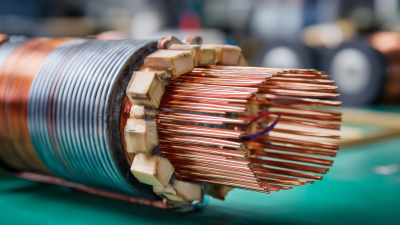
At the heart of a pole mounted transformer are its two primary components: the primary and secondary windings. The primary winding is connected to the incoming high-voltage power line, while the secondary winding delivers the reduced voltage to consumers. The transformation of voltage occurs through electromagnetic induction, where the alternating current in the primary winding creates a magnetic field that induces a lower voltage in the secondary winding. Additionally, an insulating core made of laminated silicon steel is utilized to minimize energy losses and maximize efficiency.
Another critical component is the tank that houses the transformer. Typically made from durable materials such as steel, the tank protects the internal components from environmental factors and ensures safe operation. Inside the tank, insulating oil is often used to cool the transformer and to enhance electrical insulation between the windings and the core. Moreover, bushings, which are insulators mounted on the tank, provide the electrical connection between the windings and the external circuits while maintaining insulation from the grounded exterior. Each of these components plays a vital role in the overall functionality and reliability of pole mounted transformers, making them indispensable in the power distribution network.
Key Components of a Pole Mounted Transformer
How a Pole Mounted Transformer Works
A pole mounted transformer is a crucial component in the power distribution system, primarily used to step down high voltage electricity from transmission lines to a lower voltage suitable for consumer use. These transformers are typically installed on utility poles and serve to facilitate the safe delivery of electricity to homes and businesses. By altering the voltage levels, pole mounted transformers ensure that the power distributed is manageable and safe for residential circuits.
The operation of a pole mounted transformer begins with the induction principle. When high voltage electricity enters the transformer, it flows through the primary winding, creating a magnetic field. This magnetic field induces a voltage in the secondary winding, which is designed to have fewer turns of wire compared to the primary side. As a result, the voltage is reduced, allowing it to be safely transported to various distribution points. Additionally, the robust design and elevated position of these transformers protect them from environmental hazards while also minimizing the risk of electrical hazards to the public.
The Role of Pole Mounted Transformers in Power Distribution
Pole mounted transformers play a crucial role in the power distribution network by facilitating the step-down process, where high-voltage electricity is transformed into a usable lower voltage for consumers. Positioned aesthetically above ground on utility poles, these transformers are essential in urban and rural settings alike, ensuring reliable power delivery to households and businesses. Their strategic placement reduces the need for extensive underground infrastructure and provides easier access for maintenance and upgrades.
The operation of pole mounted transformers is straightforward yet effective. High-voltage electricity from transmission lines enters the transformer, which then reduces the voltage through electromagnetic induction. This lower voltage is then distributed via nearby power lines, making electricity accessible to a broader range of end-users. Additionally, by allowing decentralization of energy distribution, these transformers help improve the resilience of the power grid against outages, ultimately contributing to a more stable energy supply in communities. Their design also considers environmental impacts and safety, as they’re engineered to withstand various weather conditions while minimizing risks associated with high-voltage power.
Benefits of Using Pole Mounted Transformers
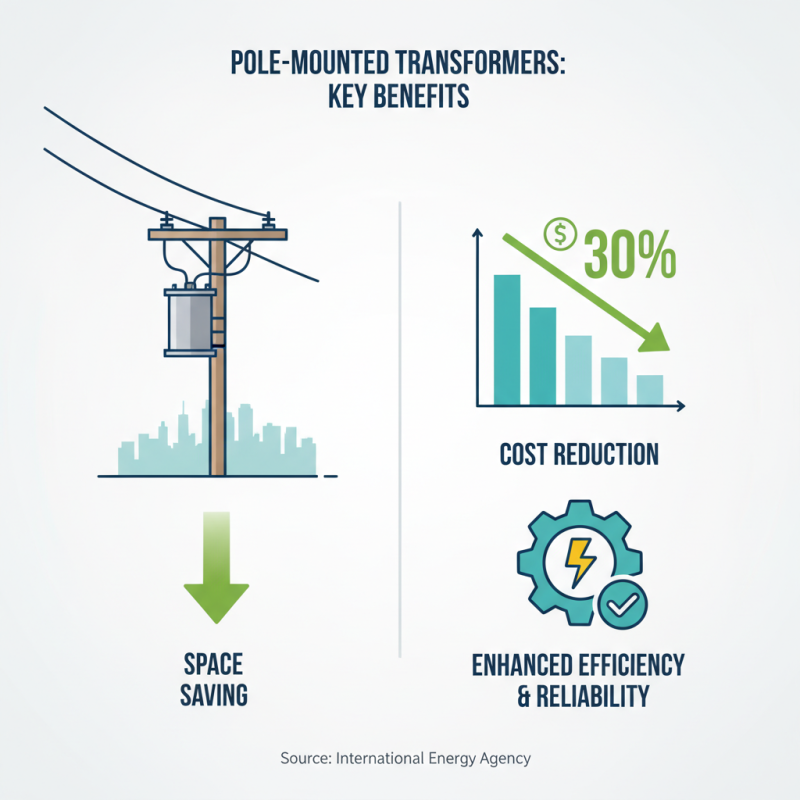
Pole mounted transformers are essential components in the electrical distribution system, offering myriad benefits that enhance efficiency and reliability. One of the primary advantages of using pole mounted transformers is their ability to save space. By being installed overhead on utility poles, they free up ground-level real estate for other uses, particularly in urban areas where space is at a premium. According to a report by the International Energy Agency, optimizing the placement of transformers can lead to a reduction in infrastructure costs by up to 30%, thus benefiting both utilities and consumers.
Moreover, pole mounted transformers contribute significantly to the enhancement of electrical system resilience. By distributing power closer to the end consumers, they mitigate energy loss that typically occurs over long transmission lines. Studies have indicated that reducing line losses can improve overall system efficiency by as much as 15%. Additionally, these transformers are often easier to maintain and replace in the event of a malfunction compared to larger, ground-based transformers, minimizing service interruptions and improving service reliability for consumers. The deployment of pole mounted transformers thus plays a critical role in modernizing power distribution networks and improving the overall effectiveness of energy delivery systems.
Maintenance and Safety Considerations
Maintenance of pole-mounted transformers is crucial in ensuring the reliability and efficiency of power distribution systems. Regular inspections should be conducted to check for any signs of wear, damage, or leaks. Components like bushings, insulators, and fuses should be examined thoroughly, as these can deteriorate over time due to environmental factors such as moisture and temperature fluctuations. Scheduled maintenance also includes cleaning to prevent dirt and debris accumulation, which can cause overheating or electrical failures.
Safety considerations are critical when working with pole-mounted transformers. Trained personnel should perform maintenance tasks while adhering to established safety protocols. This includes de-energizing the transformer before any work begins and using appropriate personal protective equipment. Additionally, clear safety signage and barriers should be in place to alert the public and prevent unauthorized access to the area surrounding the transformer. Proper training and awareness can significantly reduce the risk of accidents, ensuring both worker safety and the uninterrupted provision of electrical services to the community.
What is a Pole Mounted Transformer and How Does it Work for Power Distribution - Maintenance and Safety Considerations
| Dimension | Description | Importance in Power Distribution |
| Voltage Rating | Typically 5kV to 35kV | Ensures safe transmission of electricity through high voltage lines. |
| Power Rating | Ranges from 10 kVA to several MVA | Determines the maximum load the transformer can handle. |
| Configuration | Single-phase or three-phase | Affects how power is distributed to residential or industrial consumers. |
| Cooling Method | Oil-cooled or air-cooled | Critical for preventing overheating and ensuring efficient operation. |
| Maintenance Frequency | Annually or bi-annually | Prevents failures and prolongs the operational life of the transformer. |
| Safety Considerations | Use of protective gear, regular inspections | Ensures the safety of maintenance personnel and the public. |
Common Applications of Pole Mounted Transformers
Pole mounted transformers are essential components in power distribution systems, serving a variety of critical applications that enhance the delivery of electricity. One primary use of these transformers is in residential neighborhoods, where they step down high-voltage electricity from overhead power lines to a lower voltage suitable for household consumption. By installing them on utility poles, they provide efficient and accessible power distribution directly to homes and businesses, ensuring reliable energy supply without the need for extensive underground wiring.
In addition to residential settings, pole mounted transformers are commonly utilized in commercial and industrial applications. They can be found in areas where larger power loads need to be managed, such as shopping centers, factories, and warehouses. These transformers facilitate the operation of heavy machinery and equipment by providing the necessary voltage levels, thus supporting various manufacturing processes and ensuring that businesses operate smoothly. Moreover, they can also be employed in rural areas to extend power lines to communities that may not have direct access to the main power grid, playing a crucial role in promoting energy accessibility and economic development.
Comprehensive Overview of the 25 kVA Single Phase Pole Mounted Transformer for Efficient Power Distribution
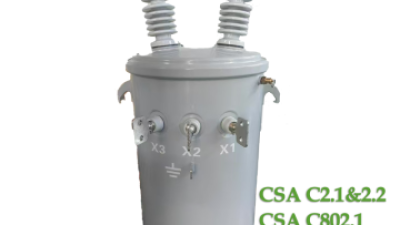
The 25 kVA Single Phase Pole Mounted Transformer is an essential component for efficient power distribution in both urban and rural settings. It is designed to handle primary voltage ratings of 19920V and provides secondary voltage options of 120/240V, making it suitable for various applications. This robust transformer features a high voltage tap range from 18924V to 20916V, allowing for flexibility in voltage management. Its conventional connection type enables straightforward installation and maintenance, which is critical for utility operators and service providers.
With a Basic Insulation Level (BIL) of 150/30kV, this transformer is built to withstand environmental stresses and ensures reliable performance over time. Compliance with industry standards such as IEEE C57.12.20 and ANSI C57 ensures that it meets rigorous safety and efficiency criteria. Designed primarily for distribution applications, this transformer plays a vital role in delivering safe and stable power to consumers, thereby enhancing the overall reliability of the electrical grid. Its straightforward design, along with robust performance characteristics, makes it a valuable asset for enhancing power distribution networks while optimizing energy use.
FAQS
: The primary function of a pole mounted transformer is to reduce high-voltage electricity from power lines to a lower, safer voltage for residential and commercial use.
A pole mounted transformer operates by using electromagnetic induction; the high voltage electricity flows through the primary winding, creating a magnetic field that induces a lower voltage in the secondary winding.
The main components of a pole mounted transformer include the primary and secondary windings, the insulating core typically made of laminated silicon steel, a protective tank, insulating oil, and bushings for electrical connections.
Insulating oil is used in pole mounted transformers to cool the transformer and enhance electrical insulation between the windings and the core, minimizing energy losses.
Bushings are insulators mounted on the transformer tank that provide the electrical connection between the windings and external circuits while keeping insulation from the grounded exterior.
Pole mounted transformers help improve resilience in the power distribution network by decentralizing electricity distribution, which enhances stability and reduces the risk of outages.
The design of pole mounted transformers includes robust construction to withstand environmental hazards and minimize public electrical risks, ensuring safe operation.
Pole mounted transformers are preferred in both urban and rural settings because their above-ground installation reduces the need for extensive underground infrastructure and allows for easier maintenance and upgrades.
The elevated position of pole mounted transformers facilitates easier access for maintenance and repairs, which is beneficial for ensuring reliable power delivery.
The design of pole mounted transformers considers their ability to withstand various weather conditions, ensuring that they operate safely while minimizing environmental impacts.
Conclusion
A Pole Mounted Transformer is an essential component in electrical power distribution systems, typically affixed to utility poles to step down high-voltage electricity from transmission lines to a usable level for residential and commercial use. Key components include the transformer housing, insulation, and protective fuses, which work together to ensure safe and efficient operation. These transformers play a vital role in the overall distribution network, allowing reliable access to electricity while minimizing energy loss.
The benefits of using Pole Mounted Transformers include their compact design, ease of installation, and reduced land use compared to ground-mounted alternatives. Regular maintenance and safety considerations are crucial to ensure optimal performance and prevent electrical hazards. Common applications range from urban areas to rural communities, making these transformers a critical element in delivering power to various sectors effectively and safely.

 +86 18068001229
  Contact Phone
 Contact Email