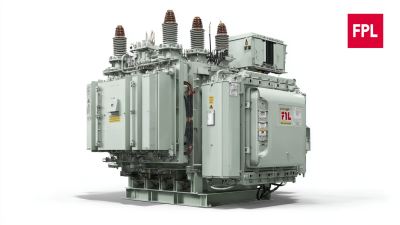
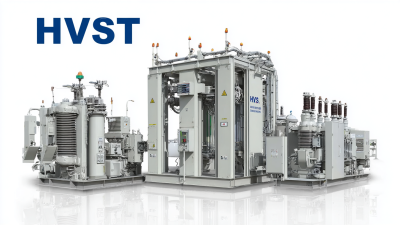
You know, in today’s fast-changing energy landscape, we can’t really underestimate the role of Oil Distribution Transformers (ODTs). Seriously, they’re super important for getting electrical power where it needs to go efficiently. The International Energy Agency even mentions that by 2040, we might see a global electricity demand jump by over over 30%! That’s a pretty big deal, right? It totally calls for some creative solutions to handle that surge.
So, let me tell you about JZPE POWER TRANSFORMER (JIANGSU) CO., LTD. They’ve been around since 1989 and are really making waves in this field. With more than thirty years of experience in designing, making, and installing power systems all over the globe, they're definitely a key player. Their facility is huge—around 200,000 square meters—and they really focus on innovative designs and strict quality control. It's all about producing top-notch Oil Distribution Transformers that can stand up to international standards.
In this blog, we’ll dive into the important certifications that help guarantee the reliability and efficiency of ODTs. Plus, we’ll explore how companies like JZPE POWER are boosting China’s manufacturing game on the world stage. It’s pretty exciting stuff!
Understanding the Importance of Export Import Certifications in Oil Distribution Transformers
You know, export-import certifications are super important in the oil distribution transformer industry. They really shape how companies can access markets and also ensure the products are up to snuff. These certifications make sure that transformers meet all the necessary 安全, 性能, and 环境 standards that different countries expect. In a field where reliability and efficiency are everything, sticking to these regulations not only builds trust with customers, but it also helps create a culture of quality and accountability among the manufacturers themselves.
And here’s the kicker: getting the right certifications can really give a company a leg up in the global market. With the energy sector leaning more towards sustainability these days, having certified products can really set a manufacturer apart from the pack, showing they care about the environment. Plus, these certifications can make the customs process a whole lot smoother, cutting down on delays and minimizing the headaches that come from non-compliance. All of this leads to easier international transactions. As the demand for high-quality oil distribution transformers keeps growing, understanding and implementing these export-import certifications is going to be absolutely crucial for companies that want to shine in the global scene.
Key Certifications for Oil Distribution Transformers: A Comprehensive Guide
You know, when it comes to oil distribution transformers, getting the right certifications is super important for manufacturers who want to break into international markets. There are a few key certifications out there, like ISO 9001, which is all about quality management systems, and IEC 60076, focusing on requirements for power transformers. These certifications really help ensure that products are reliable and efficient. In fact, a report from MarketsandMarkets predicts that the global Oil-Immersed Transformer market will hit a whopping USD 19.12 billion by 2025. So, yeah, it's clear how crucial it is to comply with these standards if companies want a bigger slice of the global pie.
And let’s not forget about safety certifications like the IEEE C57 series! These are absolutely essential for proving that transformers can run safely in various environmental conditions. Following those environmental and safety regulations not only convinces potential buyers that the product is solid, but it’s also a must if you want to participate in a bunch of international tenders. With the rising demand for efficient and reliable energy distribution systems, it makes sense that companies are stepping up and investing in these certifications. It boosts their credibility and helps build trust in the competitive world of oil distribution transformers.
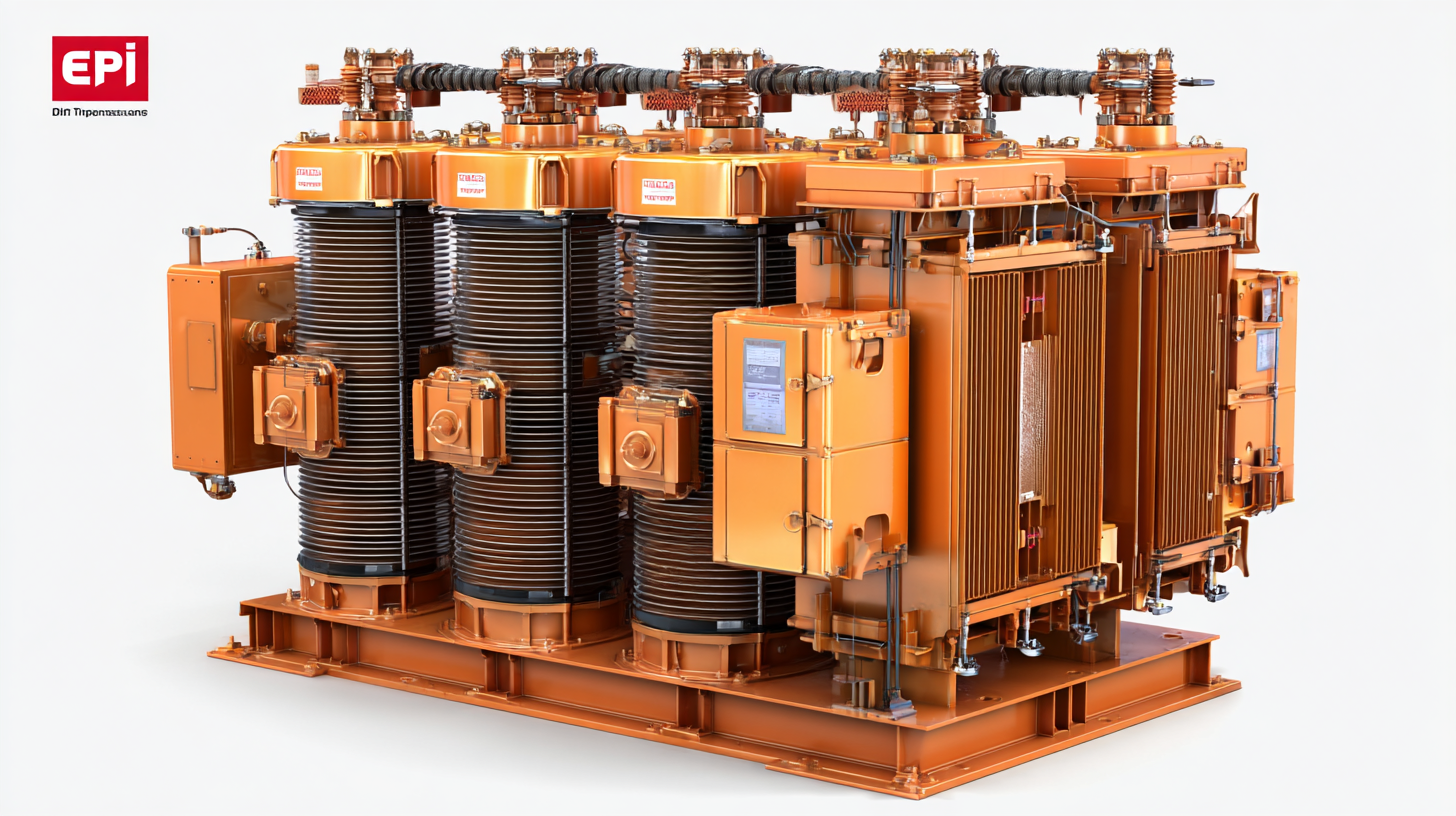
Global Standards and Regulations Impacting Oil Distribution Transformer Exports
When it comes to trading oil distribution transformers on the global stage, knowing the ins and outs of international standards and regulations is absolutely key for making successful exports happen. These standards, which are laid out by all sorts of organizations, help make sure that transformers are safe, efficient, and environmentally sound (which we all can agree is pretty important!). For instance, if you're a manufacturer hoping to break into the European market and beyond, you'll definitely want to get on board with IEC standards—often, they’re not just a suggestion; they’re a must. Companies really need to get up to speed on the specific certification requirements that can change from one region to another. This knowledge can seriously influence how you strategize your market entry.
Oh, and here’s a little tip: keep yourself in the loop with the latest international regulations and standards for all your target markets. Not only does this help you stay compliant, but it can also give your business a nice boost in reputation as a reliable quality provider.
Every country has its own rules about how transformers ought to be designed and tested. Take the U.S., for example; they stick to ANSI standards, while in Asia, the guidelines might look a bit different. Grasping these details really helps manufacturers anticipate any bumps in the road, making it easier to navigate their way into various markets.
And another tip: team up with local experts or partners who know the regulatory scene like the back of their hand. Their insights can save you a ton of hassle when you're wading through the tricky certification processes.
Challenges in Obtaining Export Import Certifications for Transformers
Getting export-import certifications for transformers, especially in the oil distribution space, isn’t exactly a walk in the park. It’s something that folks in the industry really have to deal with. A report from the International Electrotechnical Commission (IEC) points out that having standardized transformers is crucial to keep things safe and performing well across all sorts of international markets. But here’s the kicker: manufacturers often run into all sorts of roadblocks, like different regulatory requirements, slow approval processes, and, oh, don’t forget the ever-changing environmental policies. It’s pretty wild that nearly 30% of the time spent on getting transformers exported can just slip away because of certification delays, which seriously messes with competitiveness in the market.
And, on top of that, the whole testing and compliance gig can really hit the wallet hard. A market analysis by Frost & Sullivan even found that the costs for transformers can go up by 5% to 15% just thanks to these certification processes, which is a big deal for smaller businesses looking to make their mark in export markets. Plus, when it comes to technical details—like insulation resistance or thermal performance—any little discrepancies can lead to not meeting the compliance standards in different regions. With regulations tightening up, companies end up needing to fork out money not just for developing products but also for getting a solid grip on the different certification requirements they must meet to break into global markets.
Understanding Export Import Certifications for Best Oil Distribution Transformers Worldwide
This chart illustrates key metrics regarding the challenges faced in obtaining export-import certifications for oil distribution transformers worldwide, including the certification success rate, average processing time, cost of certification, and the number of countries with high certification standards.
The Role of Certifications in Enhancing Oil Distribution Transformer Performance
You know, certifications really do play a big role in boosting both the performance and reliability of oil distribution transformers. When manufacturers stick to international standards, it’s like they're saying, "Hey, our products not only hit the safety and efficiency marks but also stand out in the global market." It’s pretty reassuring, right? A proper certification tells you that those transformers have gone through some serious testing and quality checks, which is a game-changer for their lifespan and reliability. So, when you’re choosing transformers, it’s a smart move to trust the certified ones, especially when the going gets tough.
Now, when you’re on the hunt for oil distribution transformers, it’s super important to look for certain certifications that show they meet those international quality standards. **Quick Tip:** Always check for certifications like ISO 9001 or IEC standards – that’s a solid indication that the manufacturer is truly committed to quality and efficiency. And don’t forget about your local regulations and certification requirements; they're just as important for ensuring everything's up to code and performing at its best.
Also, keeping up with regular assessments and recertification is key to maintaining those high standards established during the initial certification. **Another Tip:** Make it a point to schedule periodic reviews of your transformers' performance and certifications; it’s a great way to spot any potential issues early on. This proactive approach not only safeguards your investment but also keeps the operational effectiveness steady over time, which is exactly what everyone wants.
Understanding Export Import Certifications for Best Oil Distribution Transformers Worldwide
| Certification Type | Issuing Authority | Key Benefits | Region of Applicability | Compliance Duration |
| ISO 9001 | International Organization for Standardization | Quality Management, Increased Efficiency | Global | 3 years |
| IEC 60076 | International Electrotechnical Commission | Safety Standards, Performance Benchmarking | International | 5 years |
| UL Certification | Underwriters Laboratories | Safety Assurance, Market Appeal | United States | 3 years |
| CE Marking | European Commission | Complies with EU Safety Requirements | European Union | Ongoing |
| KEMA Certification | KEMA Laboratories | Reliability Testing, Quality Assurance | Global | 5 years |
Future Trends in Oil Distribution Transformer Certifications and Exports
You know, the whole scene around oil distribution transformers is changing pretty fast these days. It's all thanks to new tech and stricter regulations popping up everywhere. Looking ahead, we're seeing a definite move towards tougher certification processes that focus not just on efficiency and safety, but also on being environmentally friendly. Manufacturers are really keen on snagging certifications that meet international standards because, honestly, these badges of approval boost their credibility and open up new markets around the world. It’s all about being competitive out there, especially when compliant products have the upper hand in international competition.
And let's not forget about how digital transformation is flipping the script on certification! With automation and AI stepping in to help with testing and compliance, things are getting a lot more accurate, and the waiting time for those certifications is shrinking too. With countries tightening up their rules on energy use and environmental impact, transformer manufacturers need to be on their toes and adapt quickly. Investing in fresh, innovative tech to improve oil distribution transformer designs isn't just a good idea; it's becoming essential. The goal is to make sure future products not only tick all the certification boxes but actually go beyond what’s expected. That way, they can contribute to some solid, sustainable growth in the global market.
Innovative Secure Three-Phase Pad-Mounted Distribution Solutions for Efficient Power Management
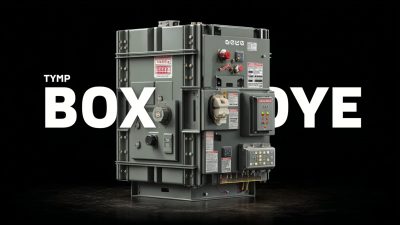
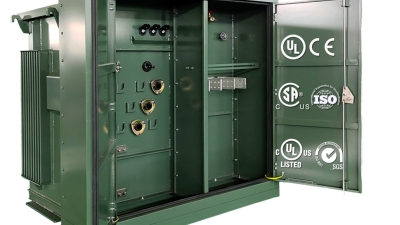
Innovative secure three-phase pad-mounted distribution solutions are transforming the landscape of efficient power management, particularly in urban and industrial applications. With the increasing demand for reliable and scalable power solutions, three-phase pad-mounted transformers are emerging as key players. These robust devices step down medium-voltage power to lower voltages, making them ideal for a variety of settings, including commercial, industrial, and high-density residential areas. According to a recent report by the Edison Electric Institute, the growing urbanization is expected to cause a 2% annual increase in electricity demand, emphasizing the need for effective distribution solutions.
The secure and tamper-resistant design of three-phase pad-mounted transformers not only enhances their reliability and safety but also ensures adaptability in challenging environments. As urban spaces grow more congested, these transformers are increasingly favored for underground distribution systems. A study from the International Energy Agency highlights that the integration of advanced electrical grid technologies, including pad-mounted solutions, can lead to a reduction of up to 20% in operational costs for utility providers. This efficiency translates directly to improved service delivery and reduced downtime, making three-phase pad-mounted transformers critical for future-proofing power management systems.
Furthermore, the ability of these transformers to operate in a range of applications—from densely populated urban centers to sprawling industrial complexes—demonstrates their versatility. Reports from the Utilities Technology Council indicate that over 60% of new construction projects are utilizing underground distribution solutions to address space limitations and aesthetic concerns. By investing in innovative three-phase pad-mounted distribution solutions, utilities and municipalities are setting the stage for a more resilient and efficient energy network, aligning with global trends towards sustainability and smart infrastructure development.
FAQS
: Export import certifications ensure that oil distribution transformers meet safety, performance, and environmental standards set by various countries. They boost customer confidence and foster accountability among manufacturers.
Securing appropriate certifications differentiates manufacturers in the competitive energy sector, demonstrating their commitment to sustainability and enhancing their market presence.
Certifications simplify the customs process, reducing delays and risks associated with non-compliance, leading to smoother international transactions.
Understanding global standards ensures compliance with safety, efficiency, and environmental integrity requirements, which are crucial for successful market entry and operations.
Manufacturers should be familiar with standards such as IEC for Europe and ANSI for the United States, as regulations vary by region.
Manufacturers should regularly follow updates from relevant organizations and legal bodies to ensure ongoing compliance and maintain their reputation as quality providers.
Collaborating with local experts or partners who understand the regulatory landscape can facilitate a smoother and more efficient certification process.
Certifications often highlight a manufacturer's commitment to environmental stewardship, which is becoming increasingly important as the energy sector shifts towards sustainability.
Different countries have unique sets of regulations; for instance, the US follows ANSI standards, while Asian countries have their own guidelines, impacting design and testing requirements.
Adhering to these certifications enhances customer trust, supports compliance with international regulations, and improves overall market access and trade efficiency.

 +86 18068001229
  Contact Phone
 Contact Email