Hey there! So, let's talk about something super important in the world of power systems: picking the right transformer. It's really key for keeping everything running smoothly and efficiently. In this guide, we're diving into the nitty-gritty of Oil Type Transformers and checking out the differences between Onan and Onaf cooling methods. Oh, and we’ll also peek at the tech trends for 2025 and look at some alternative options as well. 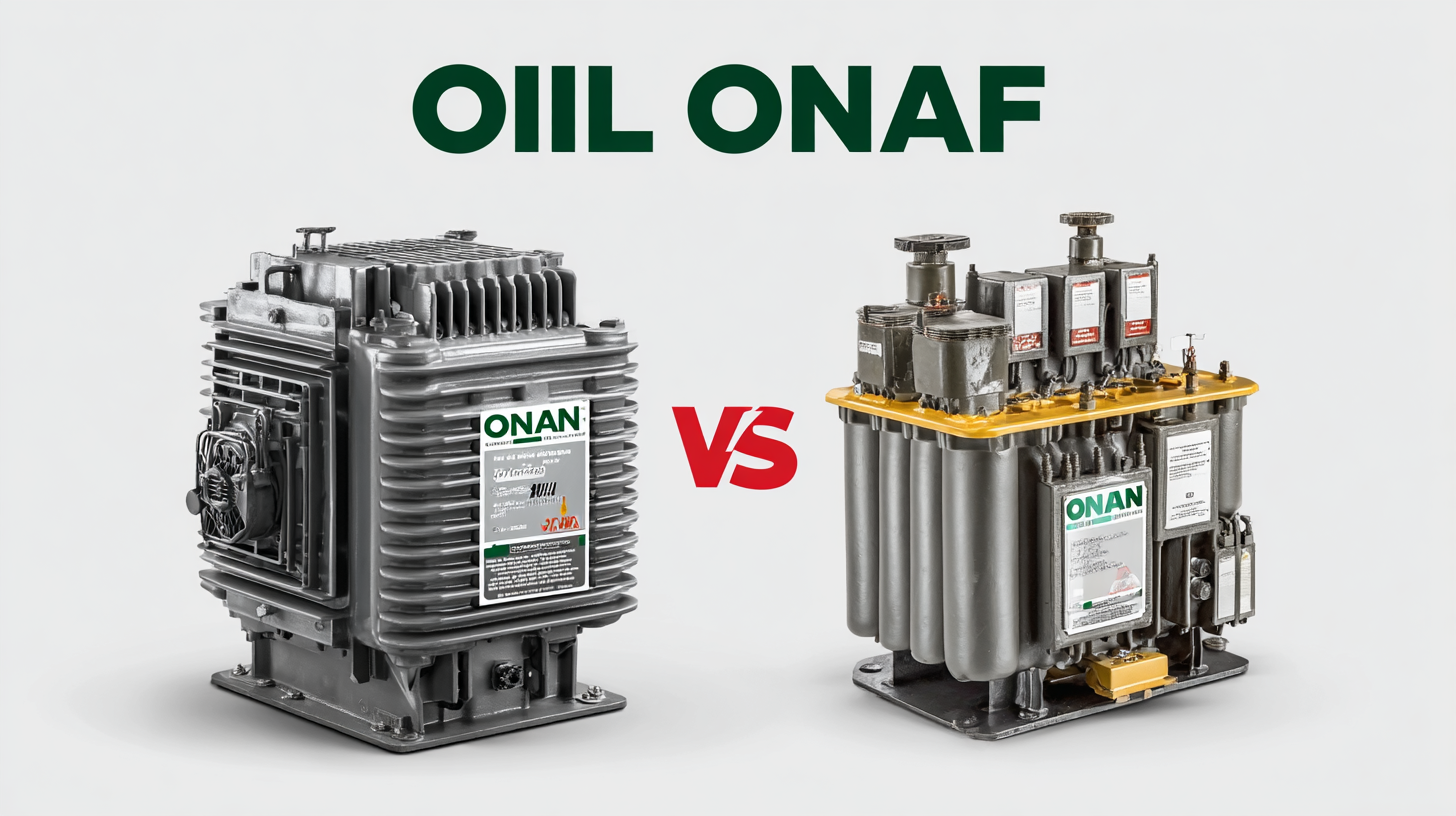 With our background at JZPE POWER TRANSFORMER (JIANGSU) CO., LTD., JEZOU POWER—established way back in '89 and sprawled across 200,000 square meters—we have some solid insights to share. We’re all about advanced design ideas and strict quality control, which really helps us stand out in this industry. Whether you're thinking about upgrading your current systems or planning some new installations, it's super crucial to grasp how choosing the right Oil Type Transformer, like Onan or Onaf, can impact your performance and help you ensure long-lasting sustainability.
Understanding Oil Type Transformers: A Comprehensive Overview
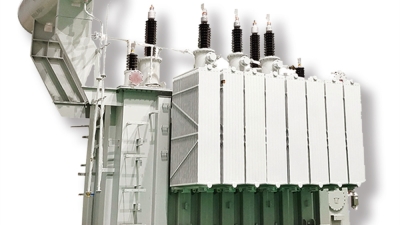
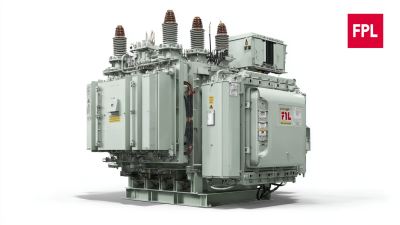
So, if you’re an engineer or a techieworking with Power Distribution and electrical systems, you really need to get a grip onoil-type transformers. These bad boys use oil for insulation and cooling, and that’s what helps them handle those big voltages while being super efficient. Not only does the oil keep the internal bits insulated, but it also helps get rid of heat from electrical currents, making sure everything stays within those safe temperature ranges. There are two main setups you might run into—ONAN (that’s Oil Natural Air Natural) and ONAF (Oil Natural Air Forced). Each has its perks, and choosing the right one really depends on what you need for your operations.
Now, with ONAN transformers, they cool down using natural convection. Basically, the hot oil rises, and cooler oil swoops in to take its place—kind of like nature at work! This makes the system pretty simple, which is great for spots that don’t generate a ton of heat. On the flip side, we have ONAF transformers that use forced air to help with cooling. This setup really kicks things up a notch when it comes to dissipating heat and handling higher loads, which is super important if you're in a high-energy demand situation. In those cases, keeping everything running at the right temperatures is key.
So yeah, knowing the ins and outs of these cooling methods is really crucial when picking the right transformer for your needs. It’s all about finding what fits best and making sure your power systems are reliable and last a long time.
Key Differences Between ONAN and ONAF Transformer Cooling Methods
So, when you're looking into transformer cooling methods, it's super important to get a grip on the main differences between ONAN (Oil Natural Air Natural) and ONAF (Oil Natural Air Forced). This stuff is essential for picking the right equipment for your needs. The big difference? It’s all about how they handle heat. ONAN works with natural convection, which basically means that the transformer oil moves around just from temperature differences—no extra help needed. It's a solid choice for smaller transformers that aren’t constantly pushed to their limits. On top of that, it’s pretty energy-efficient and doesn’t need a ton of upkeep.
Now, on the flip side, we have ONAF. This one takes a more hands-on approach, using fans to blow air over the transformer. This active cooling setup really boosts heat dissipation, letting transformers run smoothly even when they’re under a heavier load. If your equipment needs to deal with a lot of heat, then ONAF's the way to go. It offers better performance and a longer lifespan. But here’s the catch: because ONAF setups are a bit more complicated, they can require more maintenance and can crank up operating costs. So, knowing these differences really helps engineers make smart choices based on the specific cooling needs of their transformers.
Advantages of ONAN Transformers: When and Why to Choose Them
So, when you’re thinking about oil-type transformers, it's super important to get what makes ONAN transformers special. ONAN stands for Oil Natural Air Natural, and basically, these guys use natural cooling. The oil inside circulates thanks to the heat the transformer itself produces. It's a pretty neat passive cooling system that helps keep everything cool without needing extra fans or complicated setups. This straightforward design doesn’t just cut down on maintenance costs; it also boosts reliability, which is why a lot of folks choose ONAN transformers for their needs.
Plus, if you're tight on space, ONAN transformers really shine. They're compact and do a great job at cooling, so you can stick them in spots where bigger systems just wouldn’t fit. And let's not forget, they're eco-friendly! Using oil and air for cooling is a nice touch, especially in busy city areas. For situations where noise and space are big deals, ONAN transformers are a solid pick, all while still delivering top-notch efficiency and performance.
Benefits of ONAF Transformers: Enhancing Efficiency and Performance
Choosing the right oil type transformer is crucial for optimizing energy efficiency and ensuring long-term performance. Among the various options available, ONAF (Oil Natural Air Forced) transformers are particularly noteworthy. These transformers utilize a combination of natural oil circulation and forced air cooling, effectively enhancing their thermal performance. According to industry data, ONAF transformers can improve overall efficiency by up to 15% compared to their ONAN counterparts, especially in applications with high load demands. This efficiency translates into reduced operational costs and a smaller carbon footprint, making ONAF a promising choice for modern energy solutions.
When selecting an ONAF transformer, consider the installation environment and load requirements. Ensuring adequate airflow is essential, as this directly affects the cooling performance. Additionally, maintenance plays a significant role; regular inspections can prevent overheating and ensure optimal functionality. To maximize the benefits of your ONAF transformer, invest in smart monitoring systems that facilitate real-time data analysis, helping to identify potential issues before they escalate.
Tip: Always consult with a technical expert to determine the specific requirements of your application, as professional guidance can significantly enhance your transformer selection process, leading to greater energy savings and performance improvements.
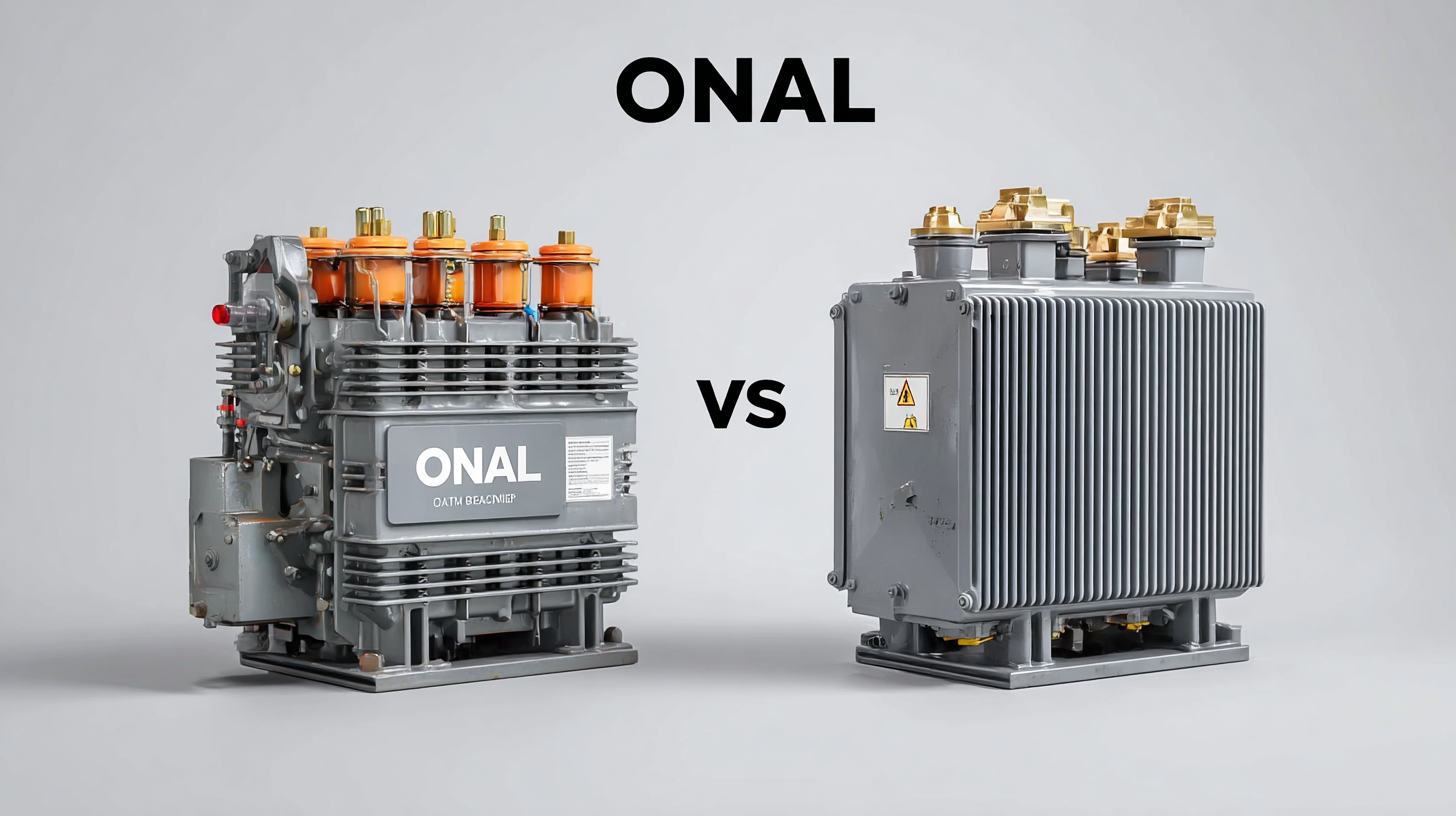
Factors to Consider When Choosing Between ONAN and ONAF
Alright, so when you're trying to decide between ONAN and ONAF oil type transformers, there are a few key things you really need to think about if you want to get the best performance and dependability out of your choice. First up is thermal management—it’s a biggie! ONAN (that’s Oil Natural Air Natural) works by using natural convection for cooling, which makes it a solid pick for regular applications where the surrounding environment can handle the heat just fine. On the flip side, there’s ONAF (Oil Natural Air Forced), which uses forced air circulation to cool things down. This means it can handle heavier loads and get rid of heat more efficiently. So, if you need something that works really well in a tight space, ONAF could be the way to go.
Then there's the installation environment that comes into play. ONAN transformers are usually the go-to for rural areas or places that aren’t too crowded because they’re pretty quiet and need less maintenance. But if you’re in a spot where space is at a premium, ONAF systems could work for you—they just might need a bit more setup for that forced cooling to kick in. And we can’t forget about costs and maintenance! Sure, ONAF transformers might hit you harder in the wallet at first, but if they can handle bigger loads, it might totally be worth it in the end, especially for high-demand situations. So, take some time to really think through what you need, and that’ll help you nail down which transformer type is best for you.
Common Applications and Industry Uses for Oil Type Transformers
You know, oil-type transformers are pretty crucial in all sorts of industrial settings. They really help with efficient energy distribution while keeping everything reliable and safe. A recent report from the International Energy Agency even suggests that we're expecting the global demand for these transformers to rise by about 4% each year until 2025. This increase is mainly fueled by all the infrastructure development happening in emerging economies. You’ll find these transformers being put to work in power stations, renewable energy projects, and big industrial facilities because they can handle heavy loads and still perform well even when the conditions get tough.
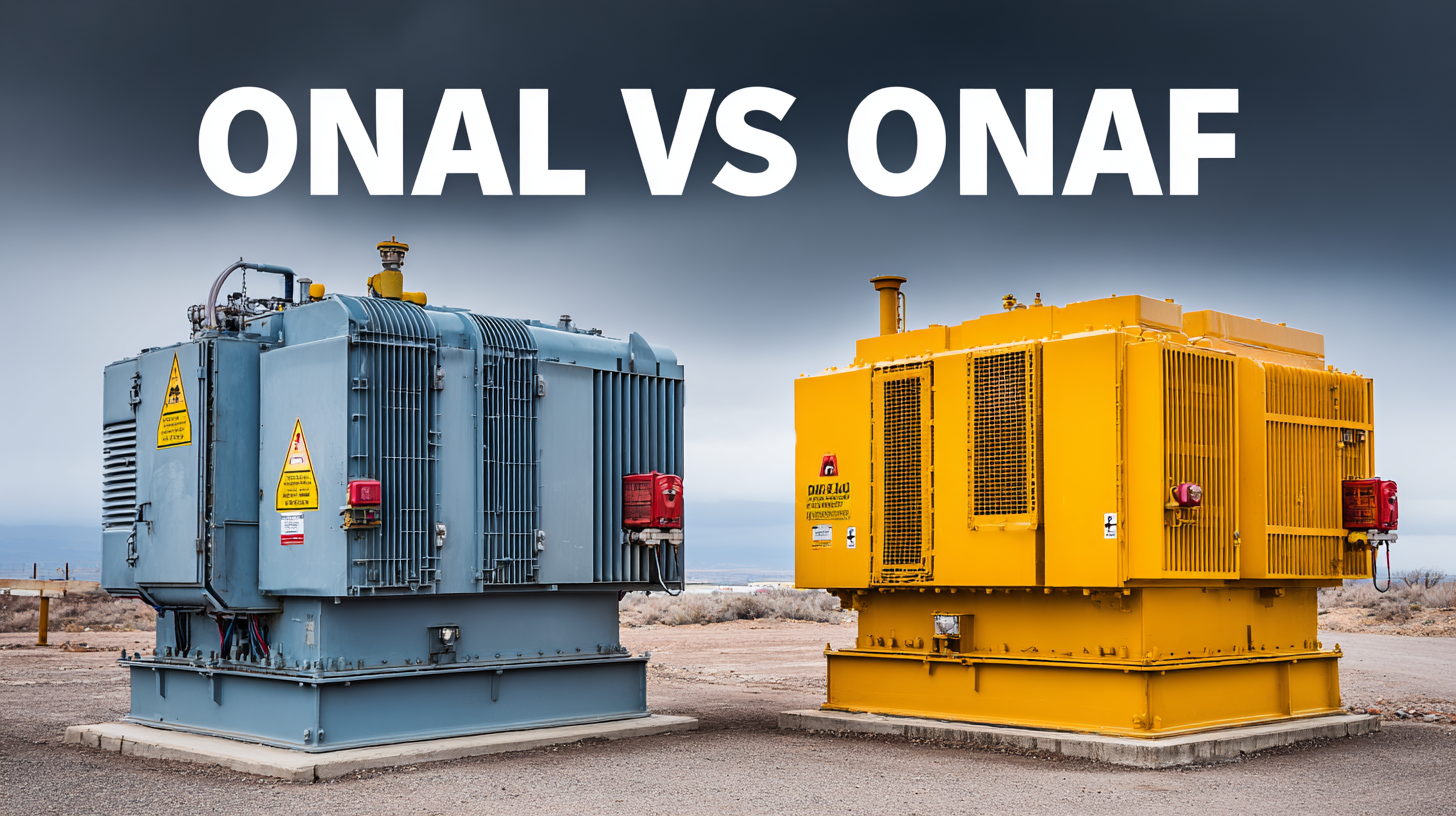
When it comes to picking the right oil-type transformer, it’s super important to know the difference between Onan (that’s Oil Natural Air Natural) and Onaf (Oil Natural Air Forced) cooling methods. Onan transformers are all about natural convection for cooling, which makes them a great fit for lower-capacity applications. On the flip side, Onaf transformers use forced air for better cooling efficiency, so they’re the way to go for larger setups. Depending on what you need, businesses can actually save up to 10% on operational costs just by picking the right transformer that fits their unique needs.
A few tips: Always keep in mind the environmental conditions and what your specific application requires when choosing an oil-type transformer. If you’re working with high-capacity applications, it's a smart move to do a thermal design analysis to make sure you get the best cooling performance. Plus, don’t forget that regular maintenance and keeping an eye on oil quality can really help extend the life of these transformers, which saves you from those pesky downtimes that can rack up costs.
Innovative Strategies for Implementing High-Efficiency Power Transformer Solutions in Modern Electrical Systems
In modern electrical systems, the implementation of high-efficiency Power Transformers is paramount for optimized performance and sustainability. Power transformers play a critical role in the transition of alternating current (AC) electricity, ensuring effective voltage adjustments to meet the diverse needs of energy grids, industrial facilities, and commercial infrastructures. Innovative strategies in transformer design and implementation can significantly enhance energy distribution, reducing losses and improving overall efficiency.
One key approach involves utilizing transformers engineered for durability and performance that comply with international standards such as IEC and IEEE. These transformers are not only designed to minimize energy loss during voltage conversion but also prioritize safety and environmental sustainability. By integrating advanced materials and smart technology, modern transformers become pivotal in promoting a reliable energy supply while addressing growing concerns about energy efficiency in an increasingly digital economy.
Furthermore, adopting predictive maintenance strategies can also extend the operational life of power transformers. By monitoring performance parameters and utilizing data analytics, operators can preemptively identify potential issues, minimizing downtime and ensuring uninterrupted power distribution. This holistic approach aligns technical innovation with reliable power solutions, ultimately paving the way for more resilient and efficient electrical systems.
FAQS
N and ONAF transformer cooling methods?
ONAN transformers are ideal for lower-capacity applications operating under moderate loads, as they are energy-efficient and require minimal maintenance.
ONAF transformers can improve overall efficiency by up to 15% compared to ONAN transformers, particularly in high-load applications, leading to reduced operational costs and a smaller carbon footprint.
Key factors include the installation environment, load requirements, and ensuring adequate airflow for optimal cooling performance.
Regular maintenance is crucial to prevent overheating and ensure optimal functionality, as the complexity of ONAF systems can lead to increased operational costs if neglected.
Oil-type transformers are widely used in power stations, renewable energy projects, and large-scale industrial facilities due to their ability to handle high loads and maintain performance under challenging conditions.
Businesses should conduct thermal design analyses for high-capacity applications and monitor oil quality regularly to extend the operational lifespan and prevent costly downtimes.
Adequate airflow is essential for the cooling performance of ONAF transformers, directly impacting their ability to dissipate heat efficiently during operation.
Smart monitoring systems facilitate real-time data analysis, allowing for the identification of potential issues before they escalate, thus enhancing transformer reliability.
The global demand for oil-type transformers is expected to grow by 4% annually through 2025, driven by infrastructure development in emerging economies.

 +86 18068001229
  Contact Phone
 Contact Email