Leave Your Message
0%

Hey there! In the fast-paced world of electrical engineering, staying on top of the latest tech trends is super important for anyone involved in the industry. A report on the Global Transformer Market suggests that the demand for advanced solutions—like the Three Phase Dry Type Transformer—is really set to skyrocket. This growth is mostly linked to the pressing need for dependable and efficient Power Distribution systems.
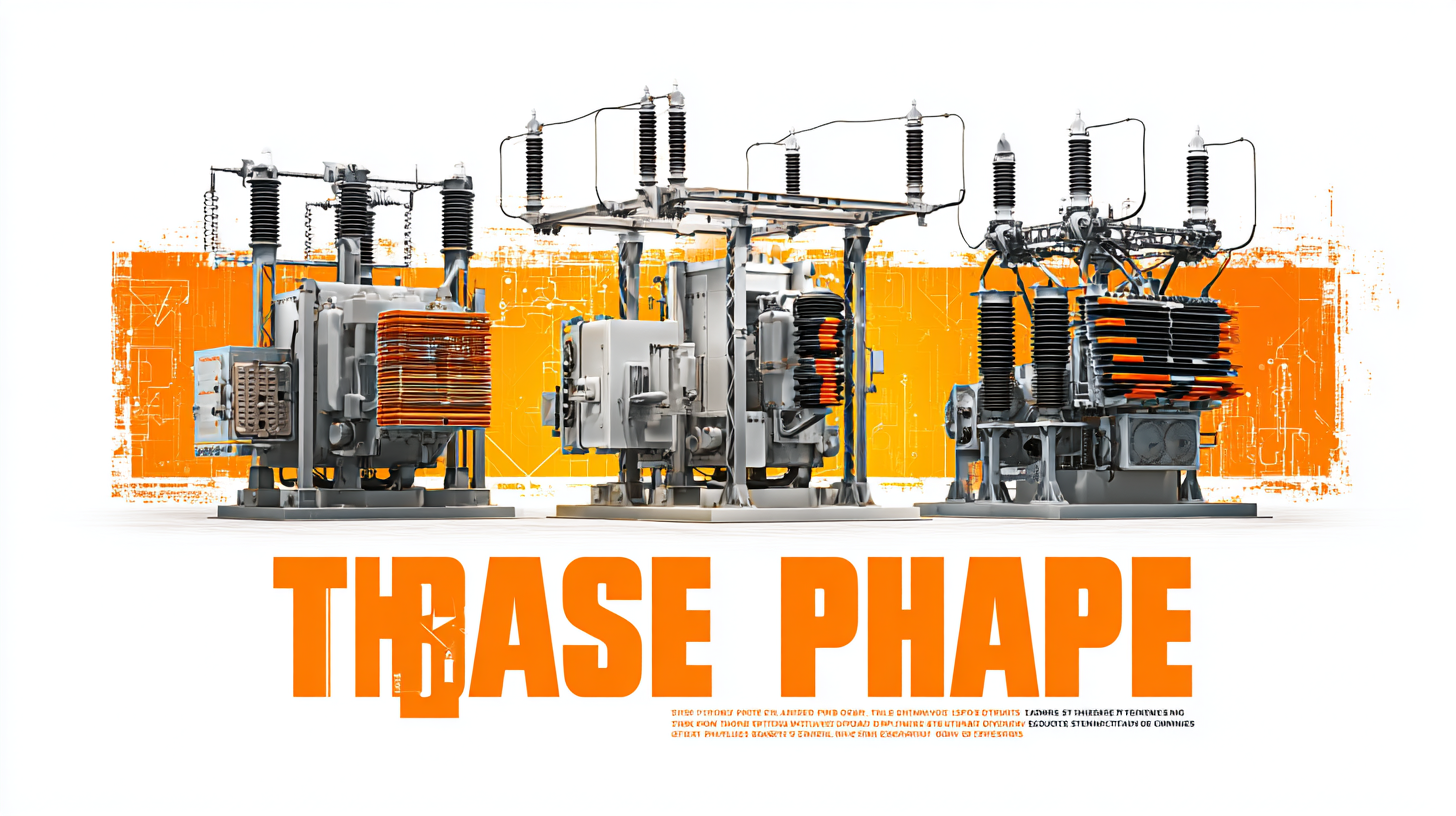
Navigating the 2025 Technology Trends in Electrical Engineering Through Best Three Phase Dry Type Transformers

Now, if you haven’t heard of JZPE POWER TRANSFORMER (JIANGSU) CO., LTD., they’ve been around since 1989, designing, manufacturing, and installing power system solutions. They focus heavily on innovative designs and strict quality control to make sure their transformers comply with global standards.

As companies work to beef up their infrastructure without hurting the environment, picking a solid supplier is more crucial than ever. So, this guide we've put together will walk you through how to spot trustworthy suppliers for Three Phase Dry Type Transformers, making sure you're all set to tackle future challenges head-on.

The Rise of Energy Efficiency in Three Phase Dry Type Transformers

You know, the push for energy efficiency in three-phase Dry-Type Transformers is really starting to take off! Industries are getting serious about meeting regulations and slashing their operating costs. I came across this report from the International Energy Agency, and it’s pretty eye-opening: transformers can chew through about 3% of the world’s electricity. That’s a real wake-up call, right? It’s no wonder that engineers and businesses are jumping on board with more efficient designs to cut down on energy waste, especially for those high-capacity applications that can make or break efficiency.

In the past few years, we’ve seen some cool advancements in insulation technologies and cooling techniques. Now, those dry-type transformers are hitting efficiency levels over 99%! How awesome is that? According to research from the Electric Power Research Institute (EPRI), upgrading to these high-efficiency models can save companies up to 30% in energy costs compared to the older models. And with more and more companies putting sustainability at the top of their priorities, switching to energy-efficient three-phase dry-type transformers isn't just about being responsible – it’s also a great way to save some bucks in the long haul. Investing in these cutting-edge transformers is definitely a smart move towards a greener future in electrical engineering.
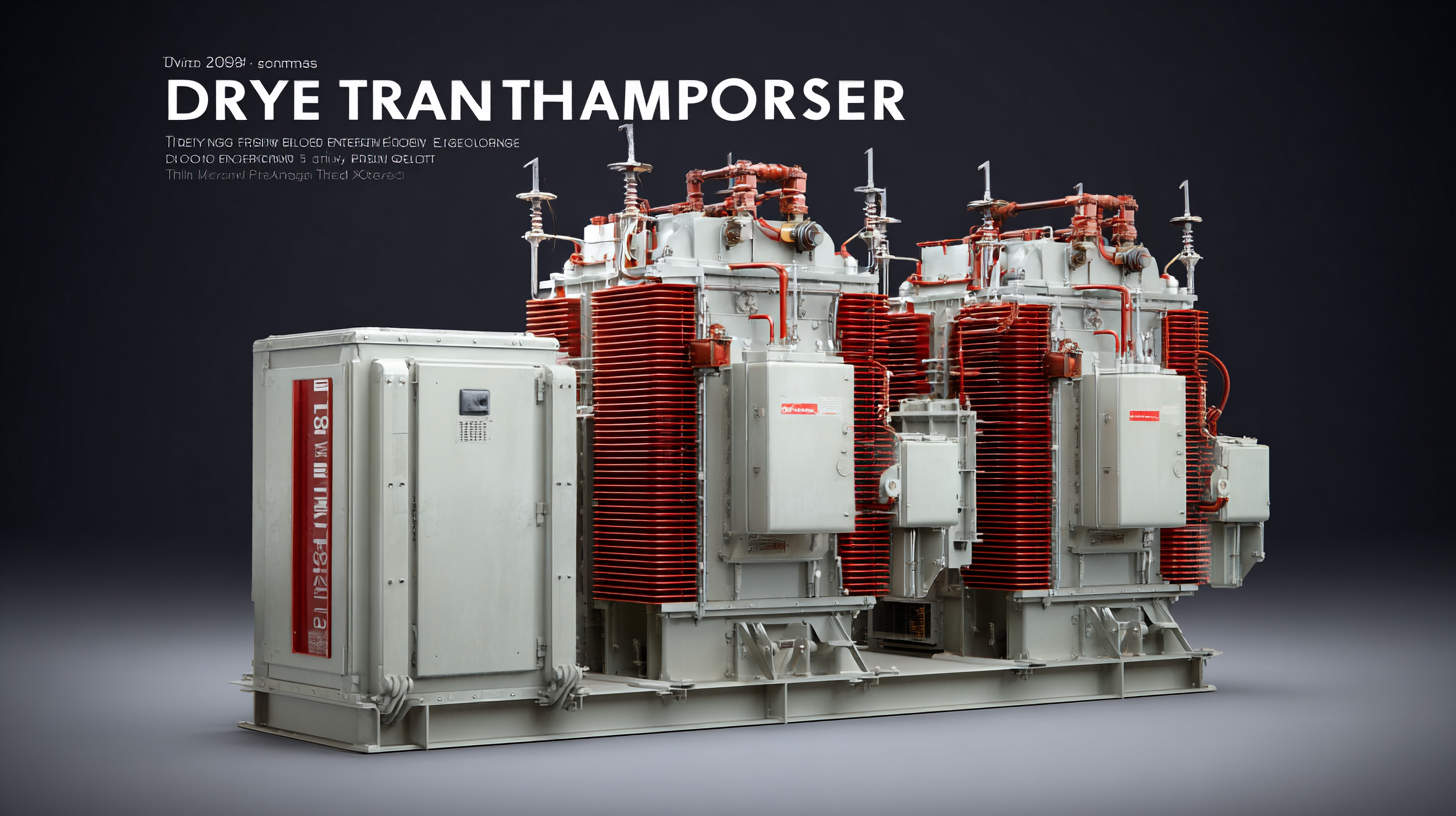
Navigating the 2025 Technology Trends in Electrical Engineering Through Best Three Phase Dry Type Transformers

Innovative Materials: Revolutionizing Transformer Design and Performance

You know, the world of electrical engineering is really going through some major changes lately, especially when it comes to how transformers are designed and how well they perform. A lot of this shift is thanks to new materials hitting the scene. Traditionally, engineers have stuck with iron cores and copper windings—which do the job, sure—but they come with some limitations. We're talking about weight, efficiency, and heat issues that can be a real pain.

But now, with materials like amorphous steel and some cool new polymers, engineers are able to whip up transformers that not only work better but are also lighter and more durable. It’s pretty exciting! These breakthroughs not only boost energy efficiency, but they also help save money in the long run.

One of the coolest things happening right now in transformer tech is the move towards greener materials that really help cut down environmental impact. For example, using biodegradable insulating fluids and recyclable parts can make a big difference in reducing the ecological footprint of these transformers. Plus, with newer magnetic materials, transformers can perform better even at higher temperatures. This is super important because industrial applications are always pushing the limits of what they can handle.

By embracing these advances, the electrical engineering field isn’t just aiming for greater efficiency. They're also eyeing a sustainable future where our electrical infrastructure can coexist with the environment. Isn’t that refreshing?

Sustainability in Electrical Engineering: The Role of Alternative Transformer Solutions

You know, in the fast-paced world of electrical engineering, everyone’s talking about sustainability these days. It’s a big deal! A huge part of this conversation is about using alternative transformer solutions, like three-phase dry-type transformers. These bad boys are super important when it comes to keeping up with tech trends that are expected in 2025. Not only do they boost energy efficiency, but they also help cut down on emissions and waste during their operation. By focusing on eco-friendly designs, engineers can really make a difference and help create a more sustainable future while still meeting the increasing need for reliable power systems.

Here at JEZOU POWER, we’re all about innovation when it comes to transformer solutions that fit these sustainability goals. Since we started way back in 1989, we’ve made a name for ourselves in the industry by pushing the envelope on design and manufacturing. Our facility is pretty massive—around 200,000 square meters—and we take quality control really seriously. By putting our efforts into alternative transformer technologies, we’re not just delivering amazing products to our clients; we’re also doing our part in this global shift toward sustainable practices in electrical engineering. It’s an exciting time to be involved in this field!

Navigating the 2025 Technology Trends in Electrical Engineering

Smart Technology Integration: Enhancing Transformer Monitoring and Management

As we get closer to 2025, it's pretty amazing to see how the electrical engineering field is shifting towards smart technology, especially when it comes to transformer monitoring and management. Believe it or not, the global smart transformer market is set to hit a whopping $3.03 billion by 2025, with a staggering annual growth rate of 9.30%. That just goes to show how people are starting to really appreciate the value of advanced diagnostics, real-time data analytics, and remote monitoring in boosting the efficiency of our electrical systems. These smart transformers aren’t just sitting around; they’re ready to take on higher load demands and tackle the challenges that come with renewable energy sources.

Navigating the 2025 Technology Trends in Electrical Engineering Through Best Three Phase Dry Type Transformers

Take the Beijing-Zhangjiakou High-Speed Railway, for instance. This was a game-changer for transportation during the 2022 Winter Olympics. It’s designed with smart features that really focus on automation and efficiency. It’s a great example of how smart tech is turning traditional systems into ultra-responsive networks. With all the advanced monitoring tools and real-time management systems in place, operational safety and reliability are a top priority, which really helps prevent failures. Plus, the trend of smart transformers fits right in here! They’re picking up on those same principles to boost grid stability and minimize downtime, which is definitely a step towards a more sustainable energy future.

Cost-Effectiveness vs. Environmental Impact: Evaluating Alternatives in Transformer Technology

You know, as electrical engineering keeps progressing, the whole discussion about cost vs. environmental impact is becoming super important, especially when we're talking about transformers. I came across this report by Grand View Research, and it says that the global market for dry-type transformers is projected to hit a whopping $7.5 billion by 2025. This is mainly because there's a rising demand for energy-efficient options. It's pretty clear that this trend toward dry-type transformers, especially the three-phase ones, is driven by their lower installation and maintenance costs. Plus, they can work in all sorts of environments without the worry of oil leaks that come with the traditional ones.

But hey, we can’t overlook the environmental side of things either. A recent study from the International Energy Agency revealed that swapping out those old-school transformers for dry-types could slash greenhouse gas emissions by as much as 30%. That’s a big deal! It really shows how crucial it is to find a balance between the money side of things and sustainability. As companies dive deeper into the world of transformer tech, it’s going to be super important for them to weigh their options not just on cost, but also on their environmental impact. Making decisions that benefit both the wallet and the planet is key!

FAQS

: What are alternative transformer solutions and why are they important for sustainability in electrical engineering?

: Alternative transformer solutions, such as three-phase dry-type transformers, enhance energy efficiency and minimize environmental impact by reducing emissions and waste during operation, making them vital for a sustainable future.

What is JEZOU POWER's commitment in the field of transformer solutions?

JEZOU POWER is dedicated to developing innovative transformer solutions that support sustainability goals, with a focus on alternative technologies that meet high-quality standards and promote eco-friendly practices.

How is smart technology impacting transformer monitoring and management?

Smart technology enhances transformer monitoring and management by enabling advanced diagnostics, real-time data analytics, and remote monitoring, leading to improved operational efficiency and the ability to handle complexities from renewable energy sources.

What is the projected growth of the global smart transformer market by 2025?

The global smart transformer market is projected to reach $3.03 billion by 2025, with an annual growth rate of 9.30%, reflecting the increasing significance of smart technology in electrical engineering.

What benefits do dry-type transformers offer compared to traditional transformers?

Dry-type transformers, particularly three-phase models, provide lower installation and maintenance costs and eliminate the risk of oil leaks, contributing to both cost-effectiveness and environmental safety.

How can the transition to dry-type transformers influence greenhouse gas emissions?

Replacing conventional transformers with dry-type alternatives could reduce greenhouse gas emissions by up to 30%, highlighting the critical need to balance cost considerations with environmental benefits.

Why is there a growing demand for energy-efficient transformer solutions?

The demand for energy-efficient transformer solutions is rising due to the increasing need for reliable power systems and the push for sustainable practices in electrical engineering.

What role do smart transformers play in enhancing grid stability?

Smart transformers, equipped with sophisticated monitoring tools and management systems, help enhance grid stability, reduce downtime, and ensure operational safety, thus contributing to a more sustainable energy future.

How does the intelligent design of transportation infrastructure relate to transformer technology?

The intelligent design of systems like the Beijing-Zhangjiakou High-Speed Railway showcases how smart technology transforms traditional infrastructures, similar to how smart transformers improve efficiency and reliability in electrical systems.

What critical factors should companies consider when evaluating alternatives in transformer technology?

Companies should weigh both cost-effectiveness and environmental impact when choosing transformer technology, ensuring that their decisions benefit both the economy and the planet.


Lila

Lila

Lila is a dedicated marketing professional at JEZOU POWER, a leading designer, manufacturer, and installer of power system solutions established in 1989. With an impressive facility spanning 200,000 square meters, Lila plays a pivotal role in showcasing the company's advanced design concepts and......
Next A Comprehensive Comparison of the Top Oil Immersed HV Test Transformers for Global Buyers