 +86 18068001229
 Leave Your Message
- Contact WhatsApp
-
 Contact Phone
 -
 Contact Email
Pole-mounted transformers are pretty crucial when it comes to keeping our modern electrical systems running smoothly. They really form the backbone of how electricity gets from the power lines into our homes and businesses, whether you're in the city or out in the countryside. If you’ve read the 2022 World Energy Outlook from the IEA, you’ll know that global electricity demand is actually expected to skyrocket—by over 30% come 2040. This definitely means we need to step up our game with smarter, more efficient ways to distribute power. That’s where pole-mounted transformers come in—they take the super high-voltage electricity from transmission lines and downstep it to a manageable, safe level for daily use. Pretty cool, huh?
But it’s not just about handling all this extra juice. These transformers also play a big part in keeping the power reliable. A report from the Electric Power Research Institute points out that when they’re well taken care of, transformers can really cut down on outages and keep the lights on more often. Thanks to new tech in smart grids, these transformers can now be monitored and managed more effectively than ever before, making sure we get continuous power without too many hiccups. As our energy needs keep changing and growing, having a good grasp of what pole-mounted transformers do—and how they benefit us—is more important than ever for future-proofing our power systems.
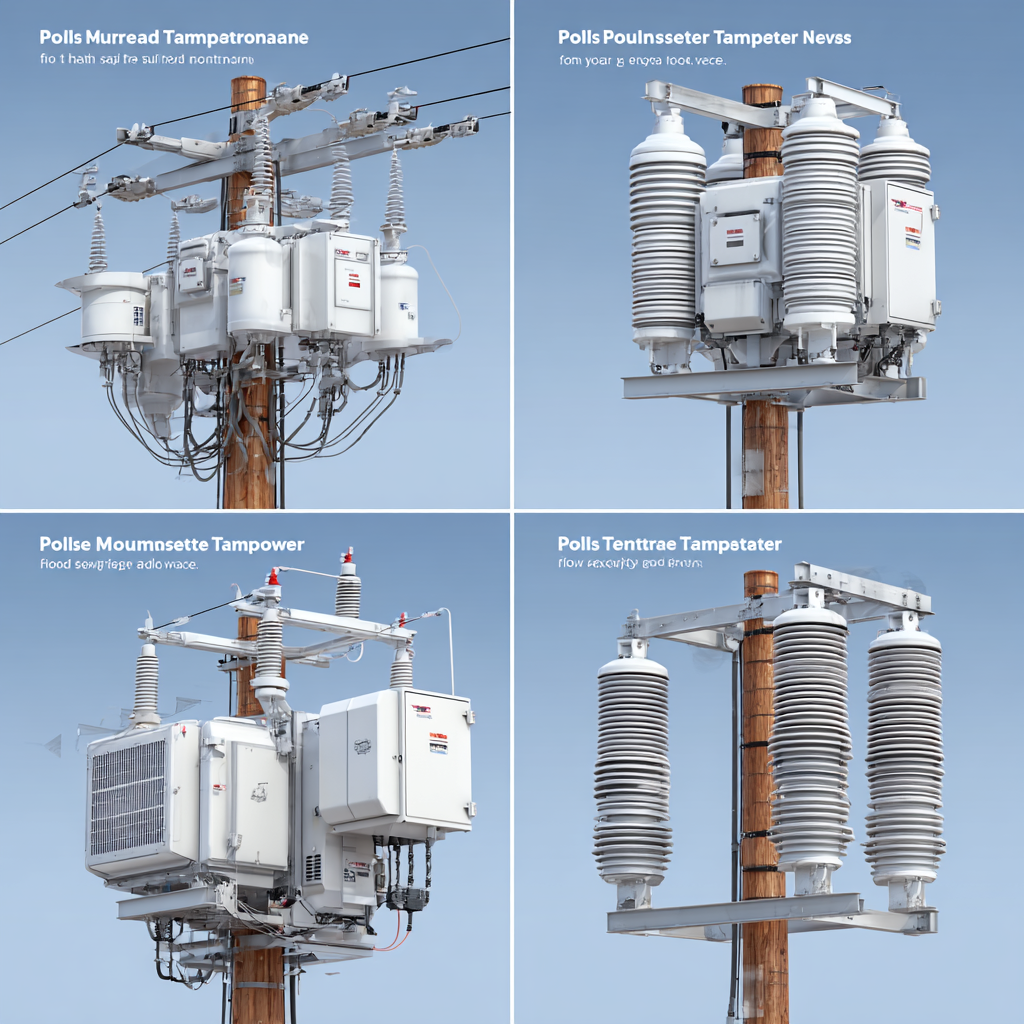
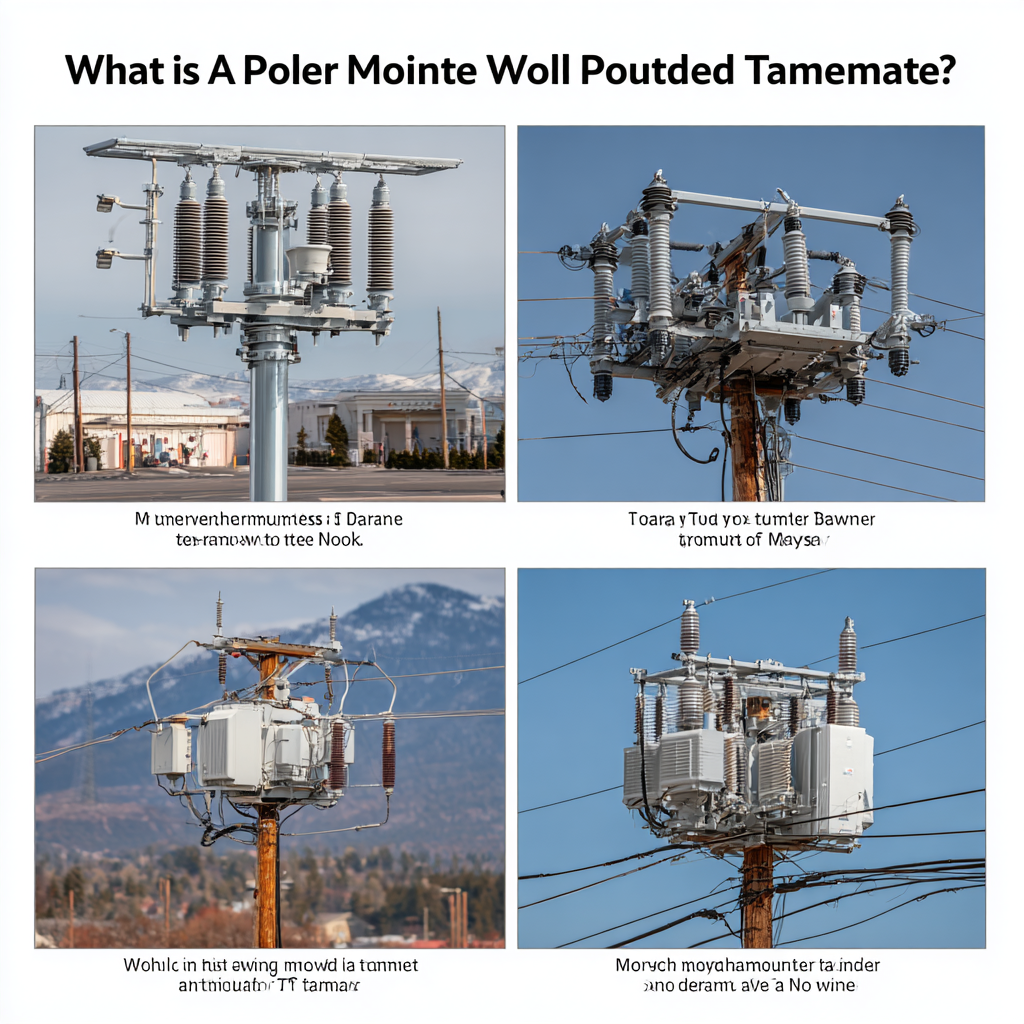
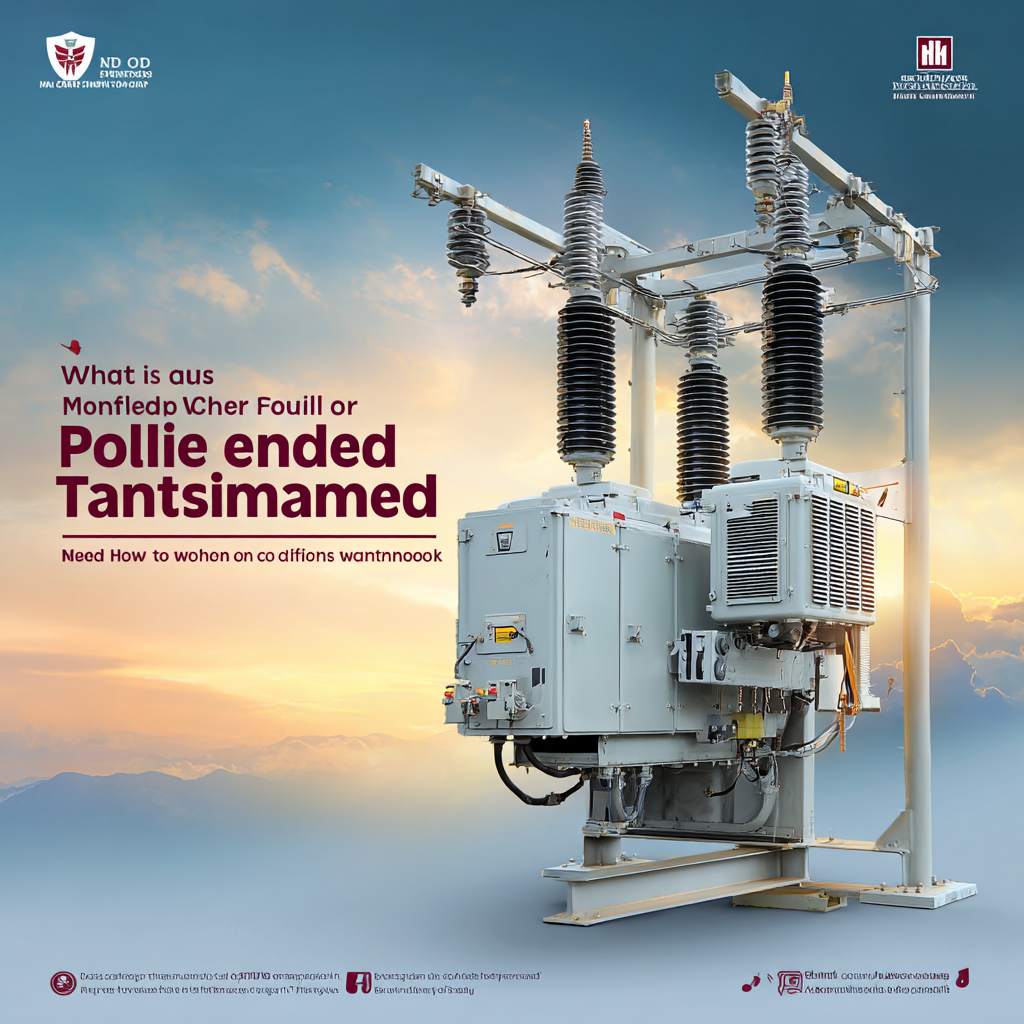 Pole Mounted Transformers are essential components in the distribution of electrical power. These devices are typically installed on utility poles, allowing for the safe and efficient transformation of high-voltage electricity into lower voltage suitable for residential and commercial use. According to the U.S. Energy Information Administration, over 80%of electrical Power Distribution in the United States relies on pole mounted transformers, highlighting their critical role in energy management.
Understanding how these transformers operate is fundamental for both utility companies and consumers. When high-voltage electricity from power lines enters the transformer, it passes through primary windings, where it induces a magnetic field. This field then allows energy to be transferred to secondary windings, effectively reducing the voltage to a level that can be safely utilized.
Data from the National Renewable Energy Laboratory shows that modern pole mounted transformers can improve energy efficiency significantly, reducing losses to as low as 2-3% compared to older models, which often ranged between 5-10%. This efficiency not only minimizes operational costs for utilities but also lessens the carbon footprint of electricity distribution, making it a sustainable choice for the future.
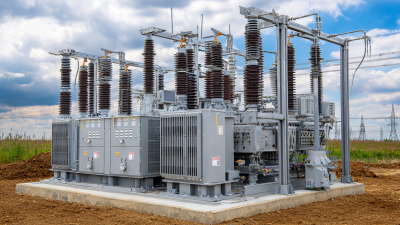
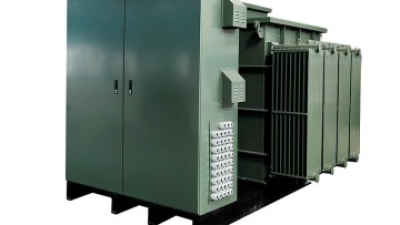
In the rapidly evolving landscape of energy management, optimizing power distribution is critical. The 2000kVA three-phase pad-mounted transformers emerge as an ideal solution, particularly for applications such as battery energy storage and auxiliary power systems. These transformers are designed with primary voltage ratings of 34500 Delta and secondary voltage ratings of 480Grdy/277, allowing for adaptable configurations tailored to meet various operational requirements. The Dyn1 connection type further enhances their efficiency, ensuring stable performance and increased reliability in power distribution networks.
When considering the implementation of 2000kva Transformers, it is essential to acknowledge the stringent standards they adhere to, including ANSI, IEEE, and NEMA compliance. These industry standards not only guarantee safety and reliability but also ensure that the transformers can effectively manage the considerable loads associated with modern energy systems. The insulation coordination is impressive, featuring a BIL (Basic Insulation Level) rating of 150/30, which underscores the robustness and durability of these units. Furthermore, the use of the KNAN cooling method is particularly advantageous, as it allows for enhanced heat management, thereby extending the lifespan of the equipment and optimizing performance.
A report from the International Energy Agency (IEA) highlights the growing demand for efficient and scalable transformer solutions in energy storage and distribution applications. By incorporating 2000kVA three-phase pad-mounted transformers into energy infrastructure, facilities can achieve greater efficiency and reliability, supporting the transition towards renewable energy sources while ensuring stable power distribution. The UL certification adds an additional layer of assurance, confirming the transformer's safety and performance standards.
: Pole mounted transformers are devices installed on utility poles that transform high-voltage electricity into lower voltage suitable for residential and commercial use, playing a critical role in electrical power distribution.
They minimize transmission losses by being closer to end-users, reducing energy losses in the distribution system from 6-8% to lower levels, ensuring more consistent and reliable power.
Modern pole mounted transformers can reduce energy losses to as low as 2-3%, significantly improving energy efficiency compared to older models that had losses ranging from 5-10%.
They can be integrated with real-time monitoring systems, allowing for better demand management and potentially increasing overall system efficiency by 10-15%.
The installation involves selecting a suitable pole, obtaining necessary permits, securely mounting the transformer, and connecting it to primary and secondary electrical lines while adhering to strict safety protocols.
Careful planning ensures that the installation meets local infrastructure and load requirements, contributing to the efficient operation and reliability of power distribution systems.
JZPE POWER TRANSFORMER has been in operation since 1989, specializing in designing and installing pole mounted transformers.
The company focuses on advanced design concepts, stringent quality control procedures, and a seamless installation process prioritizing safety and efficiency, positioning them as a leader in power system solutions.
By improving energy efficiency and reducing the carbon footprint of electricity distribution, pole mounted transformers support sustainable energy management practices.
Pole Mounted Transformers are essential components in modern electrical distribution systems, serving various needs in energy efficiency and power management. These devices are strategically placed on utility poles, allowing for the effective transformation of electricity voltage levels, which is crucial for delivering power to residential and commercial areas. Key components include the transformer housing, high and low voltage connections, and protective devices, all designed to enhance functionality and safety.
Proper installation and regular maintenance are critical for ensuring the longevity and reliability of Pole Mounted Transformers. Companies like JZPE POWER TRANSFORMER (JIANGSU) CO., LTD. leverage advanced design concepts and strict quality control procedures to manufacture these transformers, ensuring they meet the highest industry standards. Their expertise positions them as a leading provider of energy solutions, driving efficiency and performance in electrical distribution systems around the globe.