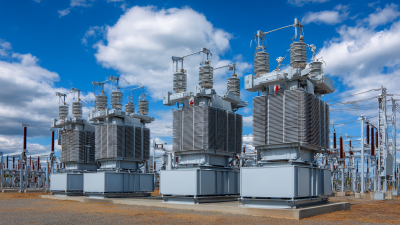
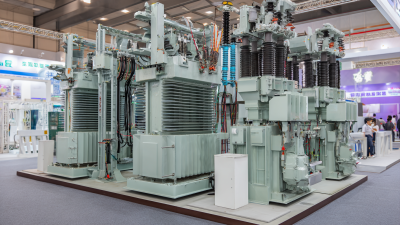
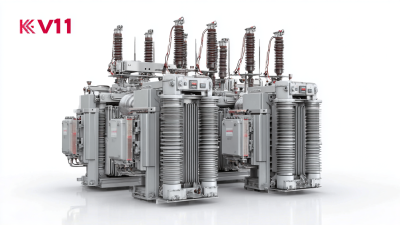
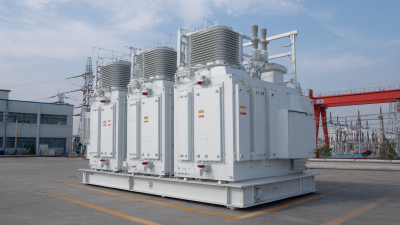
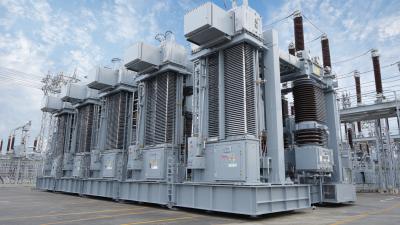
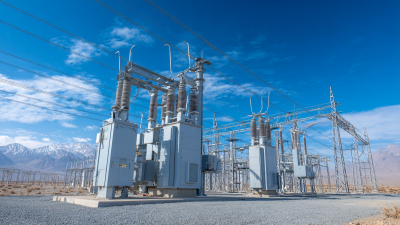
As we gear up for 2025, it’s pretty clear that everyone’s looking for smarter, greener ways to generate and use energy. Because of that, we’re seeing some serious advancements in tech these days. Outdoor Power Transformers, for example, have become more than just hardware—they’re now key players in how we distribute and manage electricity, especially as we all become more eco-aware. These machines don’t just boost the reliability of energy supply; they also help cut down on environmental harm. That way, utility companies can keep up with soaring energy demands in cities and countryside alike, without losing sight of those tight sustainability targets.
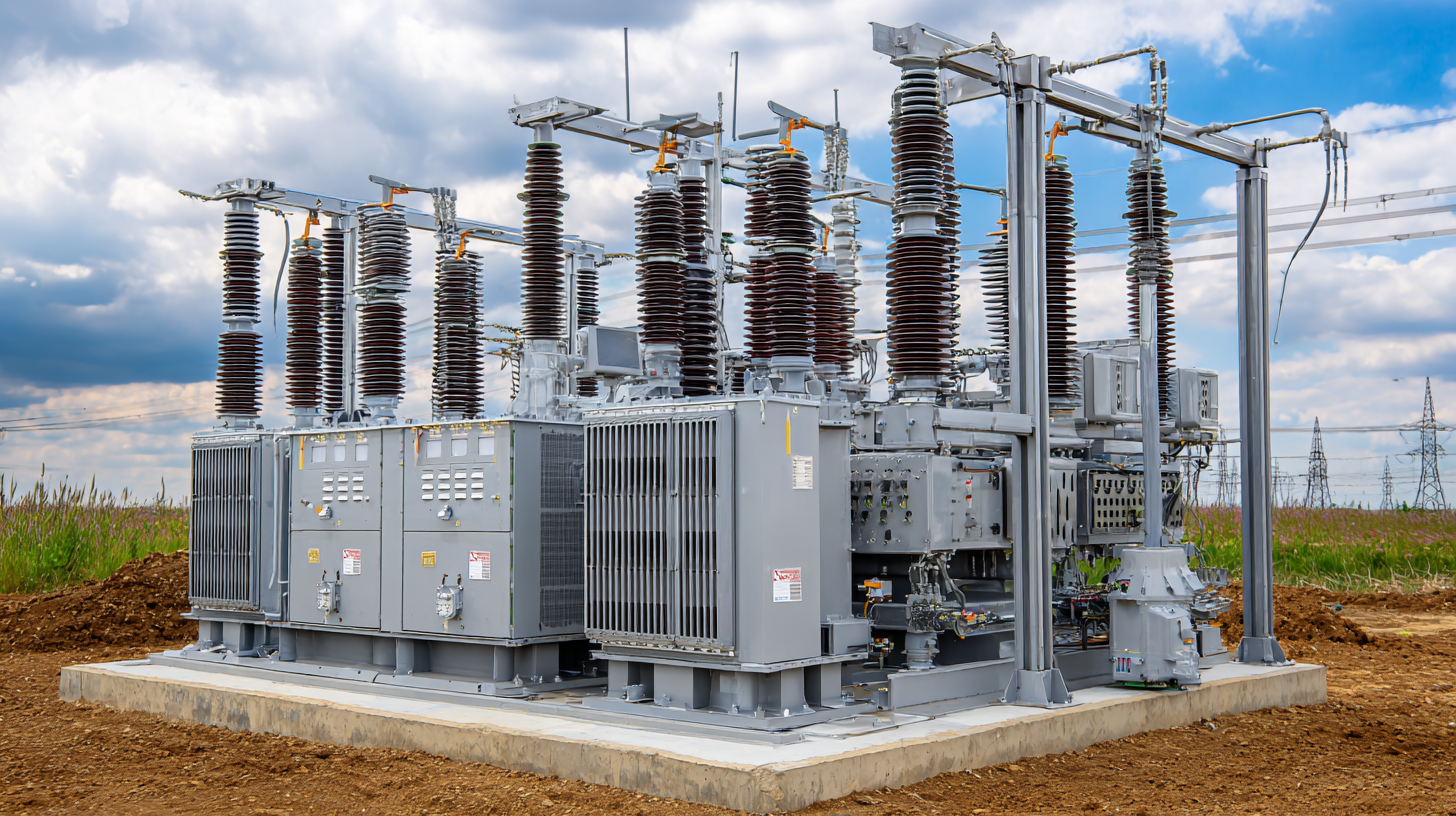
In this guide, I’ll walk you through the “Top 5 Outdoor Power Transformers” for 2025. We’ll look at some pretty cool designs and features from industry giants like Siemens, Schneider Electric, GE, ABB, and Mitsubishi Electric. These leaders are really setting the bar — making units that waste less energy, work more efficiently, and use eco-friendly materials. By checking out these top picks, you’ll get a better idea of what’s available and how to choose options that balance top-notch performance with being kind to the planet.
Innovative Features of 2025's Leading Outdoor Power Transformers
In 2025, outdoor power transformers have evolved significantly, integrating innovative features that enhance efficiency and sustainability. One of the key advancements is the incorporation of smart technology. These transformers are now equipped with IoT sensors, enabling real-time monitoring and diagnostics. This technology not only allows for predictive maintenance but also optimizes energy distribution, minimizing losses and improving overall performance.
Another noteworthy feature is the implementation of environmentally friendly materials. Manufacturers are focusing on biodegradable insulation fluids and recyclable components, significantly reducing the environmental footprint of these transformers. Additionally, advancements in cooling technologies, such as natural convection and hybrid cooling systems, improve energy efficiency while diminishing operational costs. These innovations position the leading outdoor power transformers of 2025 as essential assets for green energy initiatives, aligning with global sustainability goals.
Sustainability Metrics: Evaluating Efficiency in Modern Power Transformers
In the pursuit of enhanced efficiency and sustainability, evaluating the performance of modern outdoor power transformers has become paramount. Sustainability metrics serve as a critical framework for assessing the environmental impact of these transformers. Key indicators include energy losses during operation, lifetime durability, and material efficiency. By minimizing energy losses, transformers not only improve their operational efficiency but also reduce the overall carbon footprint, contributing to more sustainable energy systems.
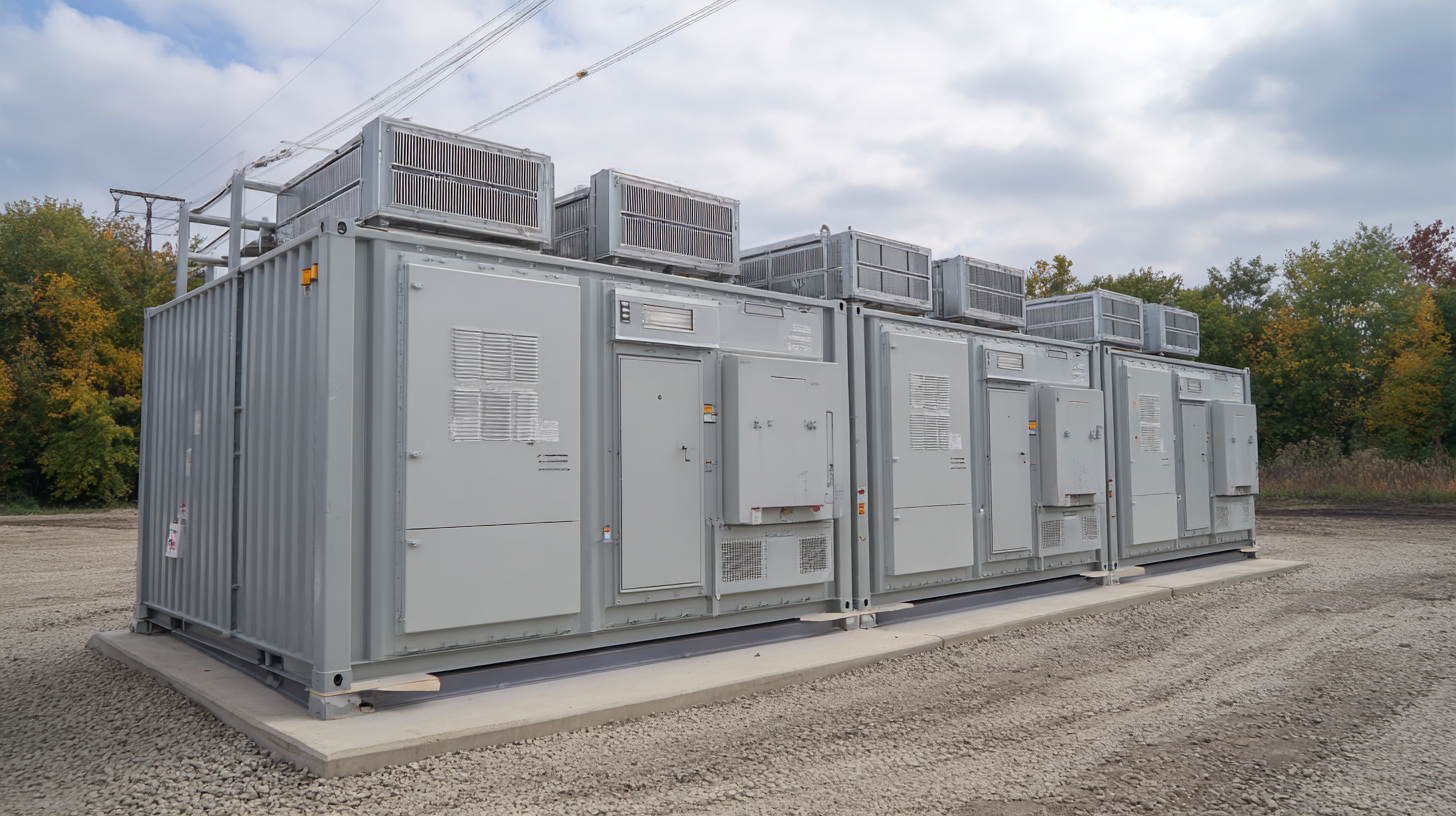
Furthermore, the assessment of sustainability goes beyond mere energy efficiency. It encompasses the entire lifecycle of the transformer, from raw material extraction to end-of-life recycling. Innovative designs that utilize eco-friendly materials and facilitate easier disassembly for recycling can significantly reduce waste. Additionally, operational metrics such as thermal performance and load endurance play a crucial role in identifying transformers that provide long-term reliability while aligning with sustainability goals. As we look ahead to 2025, these comprehensive evaluation strategies will be essential for driving advancements in outdoor power transformer technologies, ensuring they meet both efficiency standards and environmental responsibilities.
Comparative Analysis of Costs and Performance in Transformer Technologies
As the demand for reliable and sustainable energy solutions continues to grow, the evolution of outdoor power transformers in 2025 reflects a significant shift towards enhanced efficiency. This comparative analysis focuses on the costs and performance of various transformer technologies, highlighting key advancements that optimize energy use and reduce environmental impact. Among the leading options are oil-filled transformers that, despite traditional concerns about environmental hazards, are increasingly designed with leak-proof technologies and recyclable materials, thus mitigating their ecological footprint.
In contrast, Dry-Type Transformers are gaining traction for their safety and maintenance advantages. Their performance is bolstered by advancements in material science, which promote greater thermal efficiency and lower operational costs. Although generally more expensive upfront, the reduced maintenance requirements and longer lifespan of dry-type transformers can lead to substantial savings over time, making them a compelling choice for many applications. This ongoing refinement in design and function underlines the industry's commitment to balancing cost and performance, paving the way for a more sustainable energy landscape.
Case Studies: Successful Deployments of Top Outdoor Power Transformers
In 2025, outdoor power transformershave seen significant advancements, highlighted by successful deployments across various sectors. One notable case study is a renewable energy facility in California that integrated high-efficiency Outdoor Transformers to optimize their energy output. The facility reported a20% increase in energy efficiency, demonstrating how modern transformers can enhance the performance of solar energy systems. This project not only reduced operational costs but also served as a model for sustainability within the energy sector.
Another exemplary deployment occurred in a smart city initiative in Europe, where outdoor power transformers were utilized to support electrification of public transport. These transformers provided reliable power for electric buses and trams, ensuring minimal energy loss and increased reliability. The initiative resulted in a 30% reduction in greenhouse gas emissions compared to traditional systems and showcased how innovative transformer technology contributes to urban sustainability goals.
These case studies underline the transformative impact of outdoor power transformers, paving the way for more efficient and greener energy solutions in the future.
Future Trends in Outdoor Power Transformer Design and Sustainability
As the demand for energy-efficient solutions grows, the design of outdoor power transformers is evolving to meet sustainability goals and enhance efficiency. In 2025, we will see transformative innovations driven by advanced materials and technologies that minimize energy loss and improve overall performance. Features such as modular designs, which allow for easier transportation and installation, as well as eco-friendly insulation materials, are expected to become mainstream, significantly reducing the environmental impact of these devices.
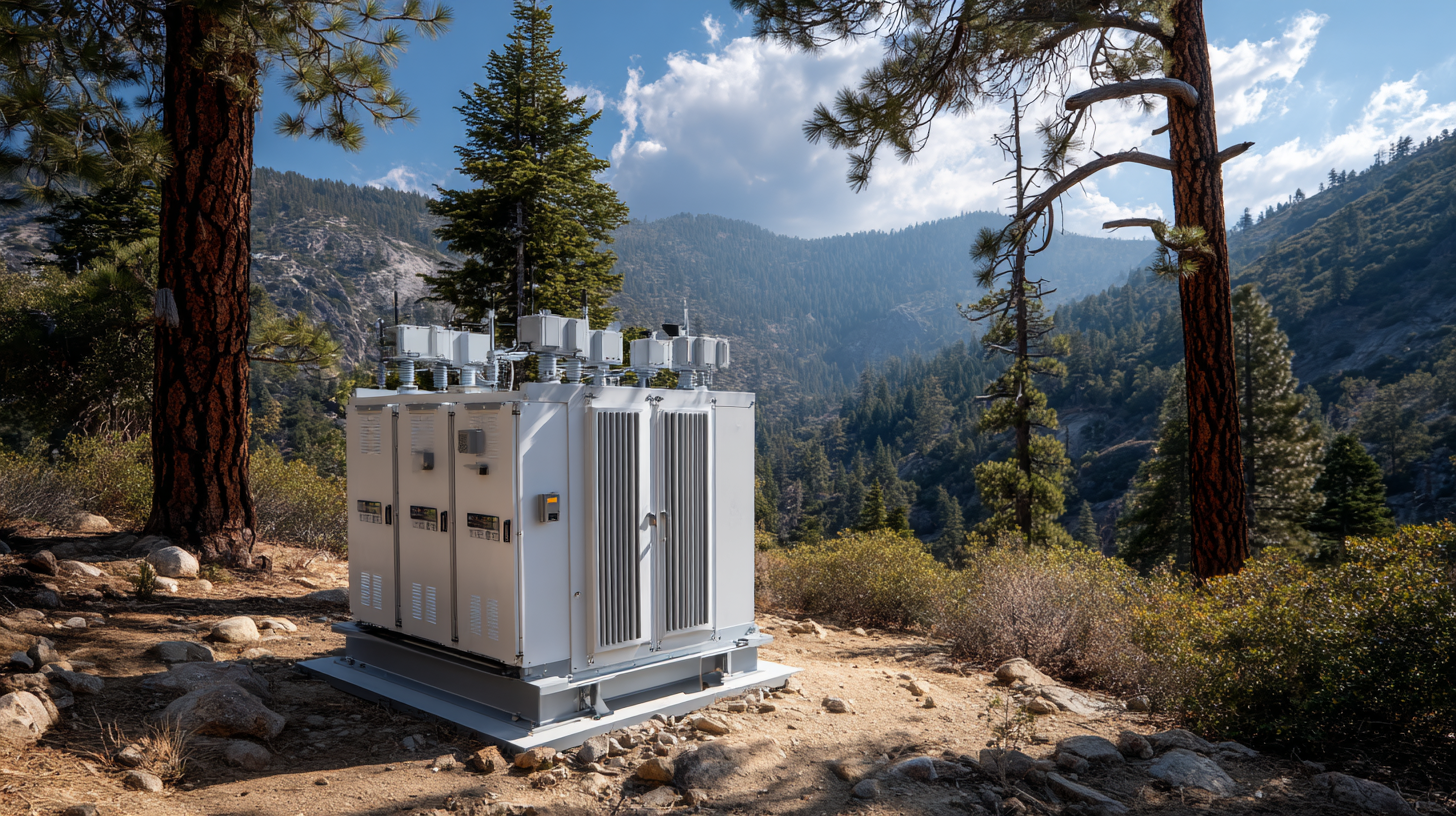
At the forefront of these advancements is JZPE POWER TRANSFORMER (JIANGSU) CO., LTD., JEZOU POWER, a pioneer in the power system solutions industry. Since its establishment in 1989, JEZOU POWER has been committed to integrating advanced design concepts with rigorous quality control procedures. By leveraging over three decades of expertise in transformer manufacturing, the company is positioned to contribute to the future of outdoor power transformers, ensuring that sustainability and efficiency are at the core of their designs. As we progress towards a more sustainable energy landscape, the role of innovative transformer design will be critical in achieving these objectives.
Maintenance and Longevity: Maximizing the Lifespan of Power Transformers
Power transformers are integral to the effective integration of renewable energy sources and enhancing the overall efficiency of electrical systems. To ensure their longevity and operational efficiency, maintenance practices are critical. Leveraging advanced technologies such as digital twins and multitask LSTM-GRU models allows for a predictive approach to assessing a transformer's health index and expected lifespan. This method provides valuable insights that help operators anticipate failures and conduct timely maintenance, ultimately extending the lifespan of these essential components.
In addition to maintenance strategies, the development of smart algorithms can lead to significant improvements in the performance of electric vehicle (EV) battery systems, which are crucial for sustainable transportation solutions. By integrating active balancing techniques with machine learning, outcomes such as accurate Remaining Useful Life (RUL) estimations can be achieved. This integration not only enhances the longevity of lithium-ion batteries but also supports the efficient use of power transformers, maintaining their reliability as they adapt to the evolving demands of renewable energy and electric vehicle markets.
Top Outdoor Power Transformers in 2025 for Enhanced Efficiency and Sustainability
This chart illustrates the projected efficiency levels (% efficiency) of various types of outdoor power transformers for the year 2025. The data reflects advancements in technology aimed at sustainability and long-lasting performance.
FAQS
: Sustainability metrics are a framework for assessing the environmental impact of modern outdoor power transformers, focusing on indicators like energy losses during operation, lifetime durability, and material efficiency.
Power transformers enhance operational efficiency by minimizing energy losses, which also contributes to a reduced overall carbon footprint, resulting in more sustainable energy systems.
The sustainability evaluation encompasses the entire lifecycle of the transformer, from raw material extraction to end-of-life recycling, ensuring that eco-friendly materials and designs facilitate easier disassembly.
Oil-filled transformers are being designed with leak-proof technologies and recyclable materials, which mitigate their environmental hazards while still optimizing energy use.
Dry-type transformers are gaining popularity due to their safety and maintenance advantages, along with advancements in material science that promote greater thermal efficiency and lower operational costs.
Although dry-type transformers may have higher upfront costs, their reduced maintenance requirements and longer lifespan can lead to substantial savings over time.
Operational metrics, such as thermal performance and load endurance, help identify transformers that provide long-term reliability, aligning with sustainability goals.
The industry is committed to balancing cost and performance in power transformer technologies, aiming to drive advancements that contribute to a more sustainable energy landscape.
The comparative analysis focuses on the costs and performance of various transformer technologies, highlighting key advancements that optimize energy use and reduce environmental impact.
By 2025, trends include the development of eco-friendly designs, innovations in material science, and enhanced efficiency in outdoor power transformers, all aimed at addressing both performance standards and environmental responsibilities.
Conclusion
The article "Top Outdoor Power Transformers in 2025 for Enhanced Efficiency and Sustainability" explores the innovative features and advancements in outdoor power transformer technology aimed at improving efficiency and sustainability. It highlights key sustainability metrics for modern transformers, offering a comparative analysis of costs and performance across various technologies. The piece also includes case studies that demonstrate successful deployments of leading outdoor power transformers, showcasing their effectiveness in real-world applications.
Looking ahead, the article discusses future trends in outdoor power transformer design, emphasizing the importance of maximizing lifespan through effective maintenance strategies. Companies like JZPE POWER TRANSFORMER (JIANGSU) CO., LTD. are at the forefront of this evolution, leveraging advanced design concepts and strict quality control procedures to deliver cutting-edge power system solutions globally. This positions them well in a market increasingly focused on sustainable energy practices.

 +86 18068001229
  Contact Phone
 Contact Email