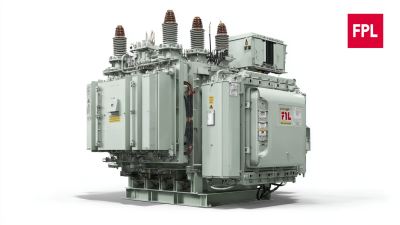
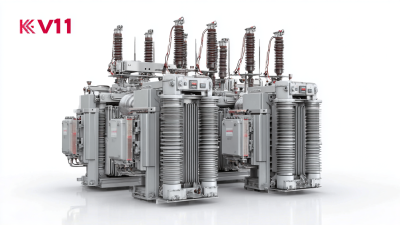
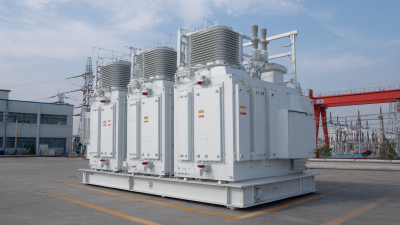
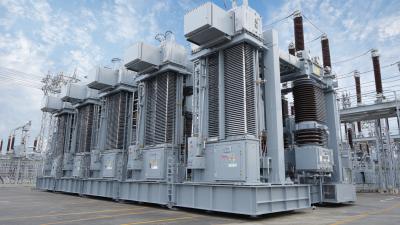
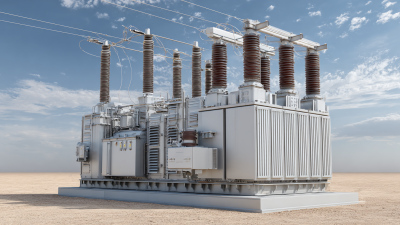
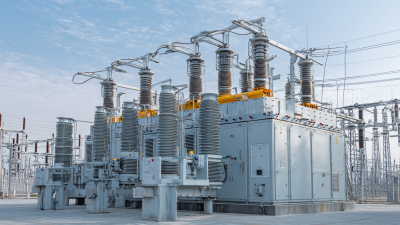
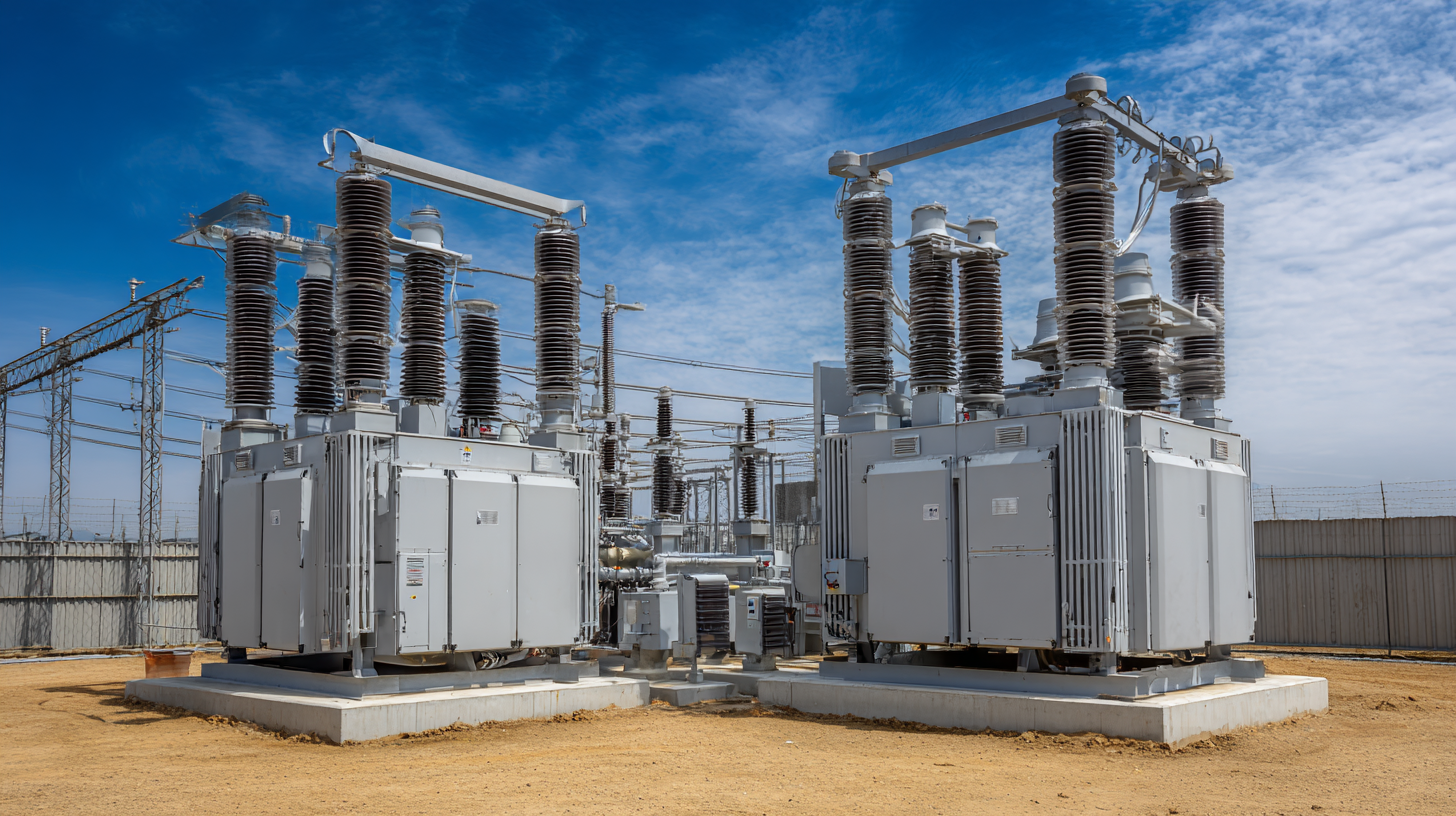
When it comes to spreading out energy efficiently, Pad Mounted Transformers—often called PMTs—really are key players. They help make sure power gets to where it needs to go, reliably and smoothly. And with global electricity needs soaring—according to the International Energy Agency, we're looking at a 24% boost from 2020 to 2040—having a solid energy infrastructure is more important than ever. These transformers are designed to be installed underground and can handle increased energy loads, which is why you'll see more and more of them being used in both homes and businesses nowadays.
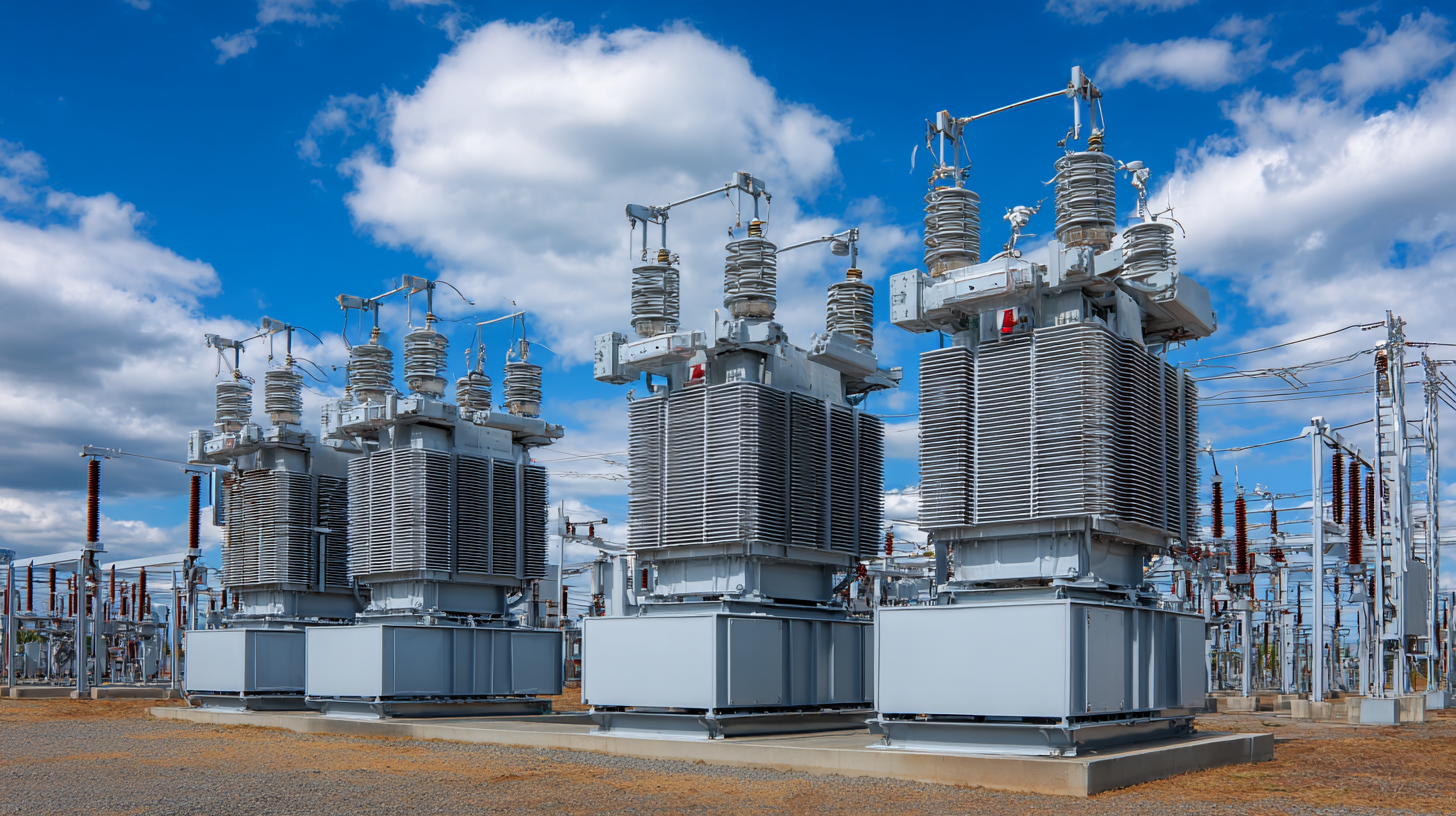
With over 30 years of experience under their belt, JZPE POWER TRANSFORMER (JIANGSU) CO., LTD., or JEZOU POWER as they’re known, truly stand out as leaders in designing and making power solutions. Founded way back in 1989 and operating on a massive 200,000 square meters, they use cutting-edge design ideas and careful manufacturing processes to ensure their Pad Mounted Transformers meet top-notch quality and reliability standards—so energy keeps flowing without a hitch.
Key Features of Pad Mounted Transformers and Their Role in Energy Distribution
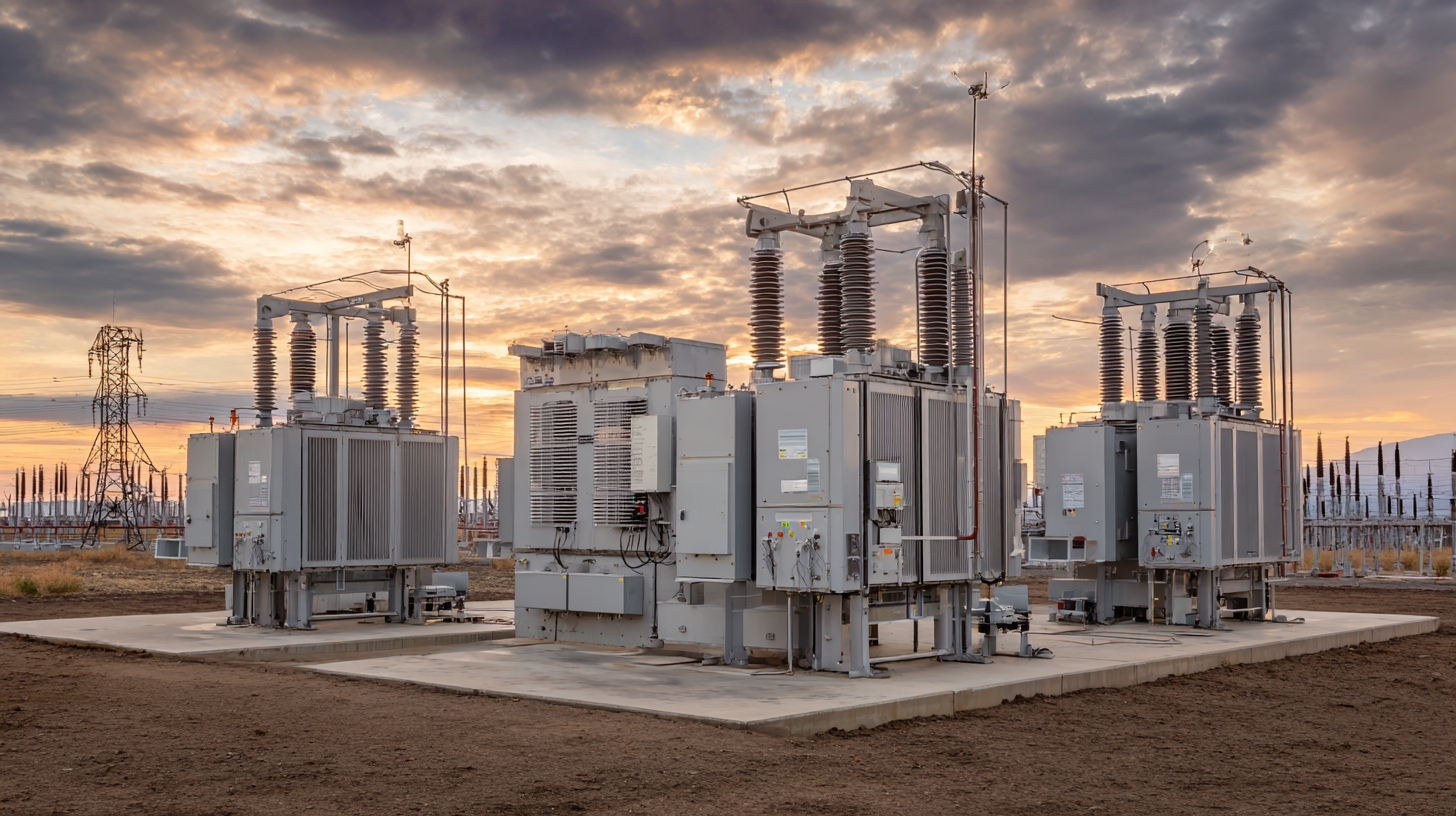 Pad-mounted transformers are pretty important when it comes to spreading electricity efficiently, especially in city and suburban areas. These small, ground-level units are built to take high-voltage power from the lines and step it down to levels that homes and businesses can actually use. One thing folks really appreciate about them is their tough, weatherproof enclosures—they keep out the rain, snow, and curious hands, making sure everything runs safely and smoothly.
They’re also super flexible when it comes to installation. Thanks to their compact size, you can squeeze them into tight spaces or just pop them somewhere convenient. Plus, modern pad-mounted transformers are often connected to smart grid tech, which means better monitoring and control over electricity flow. With features like remote sensing and remote control, they help create a more reliable, efficient energy system—perfect for keeping up with today's growing demand for power that’s both safe and dependable.
Benefits of Using Pad Mounted Transformers for Efficient Energy Management
Pad-mounted transformers, or PMTs for short, are really catching on these days, especially when it comes to managing energy in cities and suburbs. One of the biggest perks? They’re super efficient and flexible, which means they help get the power where it’s needed without wasting a lot. The U.S. Department of Energy points out that if energy systems aren’t managed well, we could be losing between 5% and 15% of the energy — that’s a pretty big chunk. But with PMTs, that’s less of an issue. They handle localized voltage transformation, making sure the electricity is at the right level for homes and businesses, which cuts down on unnecessary waste.
Plus, these transformers are built to last. They’re tough enough to handle rough outdoor conditions, so you don’t need to worry about frequent maintenance. According to NEMA, they can operate in temperatures ranging from as low as -30°C up to 40°C — perfect for all sorts of climates. What’s also great is their compact design and easy access, making them a smart choice for tight, crowded spaces where every bit of room counts. All in all, PMTs don’t just boost efficiency—they also make it easier to incorporate renewable energy sources, supporting a more sustainable future.
Installation Considerations for Pad Mounted Transformers: Best Practices
When you're out there installing pad-mounted transformers, there are quite a few things you really need to keep in mind to make sure everything runs smoothly and safely. First off, picking the right spot for the transformer is super important. You want it in a place that's easy to access for maintenance, but at the same time, it should meet local rules about how far it needs to be from buildings and trees. Oh, and don’t forget about good drainage — you definitely don’t want water sitting around and causing trouble for the equipment.
Another key point is setting up a solid grounding system. This isn’t just about safety; it also protects everything else in the electrical system and keeps people safe from electrical faults. It’s a good idea to check the soil's resistivity because that helps you figure out what kind of grounding system will work best. And honestly, don’t skip regular inspections and maintenance. Keeping an eye on things and servicing them on time can really help extend the transformer’s life and keep energy flowing efficiently. If you follow these basic steps, you'll help ensure the system stays solid and reliable — that’s what keeps the whole energy distribution running smoothly, after all.
Understanding the Essentials of Pad Mounted Transformers for Optimal Energy Distribution - Installation Considerations for Pad Mounted Transformers: Best Practices
| Dimension | Specification | Best Practices |
| Transformer Rating | Up to 500 kVA | Select appropriate rating based on load requirements. |
| Installation Location | Dry, Well-Drained Area | Ensure proper clearance and accessibility. |
| Grounding Requirements | Effective Grounding System | Follow NEC guidelines for grounding. |
| Cooling Method | Oil-Immersed | Ensure sufficient cooling for efficient operation. |
| Insulation Type | Class 155 (F) | Choose according to environmental conditions. |
| Cable Entry Points | Multiple Points Available | Plan cable entry for optimal layout. |
| Maintenance Schedule | Annual Inspection Recommended | Regular checks ensure longevity and safety. |
| Environmental Considerations | Noise Level, Oil Containment | Compliance with local regulations essential. |
Maintenance Tips for Ensuring Longevity and Performance of Pad Mounted Transformers
Pad-mounted transformers are pretty much the backbone of modern electrical distribution. They do a crucial job of turning voltage levels reliably and helping us cut down on energy waste. If you want these units to last as long as possible and perform well, doing regular maintenance is a must. I read somewhere that, with the right care, these transformers can last over 30 years—a pretty impressive lifespan! But here's the thing: many fail well before that because they’re neglected or not maintained properly.
One of the best tips I’ve come across is to do routine visual checks and use thermal imaging. These methods can spot potential problems, like hotspots or early signs of wear, before they turn into big issues. The folks over at IEEE even say that infrared thermography can boost transformer reliability by over 20%. Oh, and don’t forget to keep the area around the transformer clear of overgrown vegetation or debris—that’s a simple way to prevent damage and help everything run smoothly.
Also, it’s a good idea to regularly test the insulation resistance and power factor. These tests give important insights into how healthy your transformer is. The NEMA recommends doing them at least every three years. By sticking to these maintenance routines, you’ll not only extend the life of your pad-mounted transformers but also make your entire energy distribution system more efficient. It’s a win-win all around!
Comparing Pad Mounted Transformers with Other Transformer Types for Energy Needs
When you start thinking about how energy gets distributed, pad-mounted transformers (or PMTs), as folks often call them, really stand out because they have some pretty cool advantages over the traditional types. A lot of people tend to go for PMTs in commercial and industrial setups, mainly because of their compact design and the ability to pack in high capacity—even in tight spaces. I came across a recent report by the Electric Power Research Institute that mentioned PMTs can handle from around 300 kVA all the way up to 5000 kVA. That makes them perfect for city environments where every inch of space counts.
Now, compared to pole-mounted transformers, which are kind of out there in the elements, PMTs are installed right at ground level and come in special protective enclosures. This setup helps protect them from bad weather and prevents vandalism—so, in the long run, they tend to require less maintenance. Oh, and here’s a neat bit: a study by the National Electrical Manufacturers Association points out that PMTs tend to be quieter, making them a better fit for residential neighborhoods or places where noise matters.
Tip 1: When you’re choosing a transformer, think about how much space you've got and how exposed to weather or vandalism the spot might be—that’ll help you pick the best one.
Tip 2: Regular check-ups and maintenance on your pad-mounted transformers can really help them last longer and keep running efficiently, so you avoid those surprise costs down the line.
Common Applications of Pad Mounted Transformers in Modern Energy Systems
Pad-mounted transformers are pretty much a staple in today’s energy systems, playing a key role in lots of different applications that help things run smoother and more reliably. For instance, in urban and suburban neighborhoods, they’re what keep the underground electrical distribution going without a hitch. Just to give you a perspective, the U.S. Energy Information Administration mentions that about 65% of Americans live in these dense city or suburban areas—so, having dependable power solutions in these spots really matters.
And it doesn’t end there. These transformers are also absolutely vital in commercial settings—think shopping malls, office parks, and big complexes. As demand for electricity bumps up in these places, we need equipment that can handle the extra load without breaking a sweat or risking safety issues. A report from the National Electrical Manufacturers Association revealed that in 2022, roughly 18% of all electricity used in the U.S. went to the commercial sector. That just goes to show how critical efficient energy distribution is here, and why pad-mounted transformers are so popular—they’re easy to install, maintain, and help keep everything running smoothly with less downtime.
All in all, these little workhorses might not always get the spotlight, but they’re absolutely essential for keeping our cities, neighborhoods, and businesses powered up without a fuss.
FAQS
: Pad mounted transformers are designed to transform high voltage electricity from power lines into lower voltage levels suitable for residential and commercial use, playing a crucial role in the efficient distribution of electricity.
Key features include durable, weather-resistant enclosures that protect against the elements and unauthorized access, as well as their compact design which allows for versatile installation.
With proper maintenance, the average lifespan of pad mounted transformers can exceed 30 years.
Regular visual inspections, thermal imaging assessments, keeping the surrounding area clear of vegetation, and routine testing of insulation resistance and power factor are recommended maintenance practices.
Pad mounted transformers are installed at ground level in protective enclosures, which reduces risks from weather damage and vandalism, while also offering lower noise levels, making them more suitable for residential areas.
Pad mounted transformers can efficiently handle power loads ranging from 300 kVA to 5000 kVA, making them ideal for urban installations where space is limited.
Regular maintenance is crucial to extend the operational life of pad mounted transformers, improve overall energy distribution efficiency, and reduce unexpected operational costs.
Pad mounted transformers can be integrated with smart grid technologies, enhancing the monitoring and management of electricity distribution through capabilities like remote sensing and control.
Their compact design allows for efficient space utilization, and their protective enclosures help minimize maintenance costs and improve reliability in urban environments.
Thermal imaging helps identify potential hotspots and wear or damage, allowing for proactive maintenance and increased reliability of the transformers.
Conclusion
Pad-mounted transformers are pretty essential when it comes to modern Power Distribution. They play a big role in making sure energy gets where it’s supposed to go efficiently. These transformers are built with some key features that boost their performance and help them fit into all kinds of setups. Using pad-mounted transformers means you get a smaller footprint, better safety, and increased reliability — honestly, they’re a smart choice for keeping the energy flowing smoothly.
When you're picking out a pad-mounted transformer, it’s a good idea to think about proper installation practices and stay on top of regular maintenance. That way, you’ll get the most out of your investment and extend its lifespan. Compared to other options, pad-mounted transformers often stand out because they’re more cost-effective and flexible — perfect for a range of energy needs. And speaking of dependable solutions, JEZOU POWER, which has been around since 1989, really focuses on designing innovative, high-quality transformers that are built to handle the demands of today’s power systems efficiently.

 +86 18068001229
  Contact Phone
 Contact Email