+86 18068001229 


Looking ahead to 2025, the world of High Voltage Oil Immersed Transformers is expected to see some pretty exciting changes. This push comes mainly because of rising global energy needs and a growing shift toward more sustainable power solutions. Industry experts say the overall transformer market is set to grow quite a bit — we're talking roughly 6% each year over the next few years. That’s a big deal, especially for top manufacturers like JZPE POWER TRANSFORMER (JIANGSU) CO., LTD. and JEZOU POWER, who’ve been known for pushing the envelope with innovative designs and tight quality controls since way back in 1989. With their huge factory spanning about 200,000 square meters, JEZOU POWER is really well-positioned to meet the changing demands of the global power systems market. As industry standards shift and technology keeps evolving, it’s super important for buyers to stay on top of these trends if they want to make smart investments in High Voltage Oil Immersed Transformers — because, honestly, those choices could make a big difference down the line.
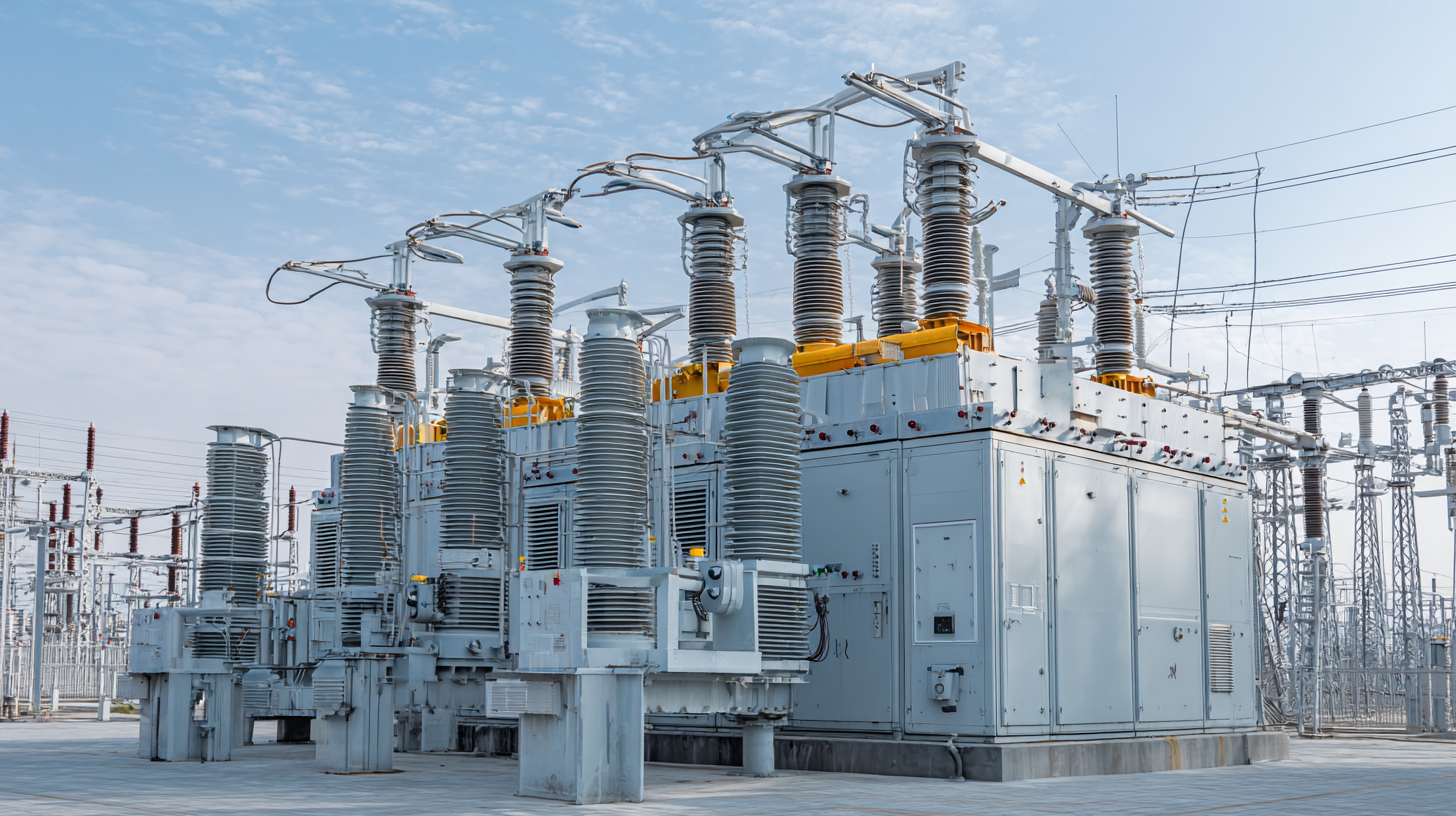
You know, the high voltage Oil-Immersed Transformer scene is really gearing up for some exciting changes as we head towards 2025. I mean, did you hear about the launch of the world's first 765 kV natural ester oil transformer? That’s a pretty big deal — it’s a real game-changer when it comes to making power grids safer and greener. This new transformer isn’t just breaking records in the renewable energy world; it actually shows how the industry is serious about going eco-friendly. And according to reports I came across lately, the global market for sustainable transformers is projected to grow at around 8.5% CAGR up to 2027. That just highlights how urgent it is for us to push the envelope on transformer design and materials.
On a similar note, manufacturers are really stepping up their R&D game, often partnering with universities and research centers. For example, one major player recently rolled out a 110 kV liquid-immersed transformer that’s non-flammable — talk about prioritizing safety and reliability in these high-voltage setups. Industry experts also believe that advances in material science, especially in insulation and cooling tech, are going to be huge in making transformers more efficient and longer-lasting. Which makes sense, right? As global energy needs keep climbing, we gotta have resilient, high-performance systems in place. These innovations are absolutely key if we want to keep up with the growing demand and ensure our electrical infrastructure stays solid for the future.
The chart below illustrates key innovations and their projected adoption rates in high voltage oil immersed transformer designs for the year 2025. As technology evolves, we expect significant advancements in efficiency, sustainability, and digital integration.
As the world of high-voltage oil-immersed transformers keeps evolving, it’s pretty clear that sustainability and caring for our environment are becoming huge deal-makers in shaping the tech trends leading up to 2025. You know, with everyone pretty much more aware of environmental issues these days, companies like JZPE Power Transformer (Jiangsu) Co., Ltd. are really stepping up their game—finding smart ways to make their transformers more eco-friendly. Things like using biodegradable insulating oils and adopting energy-efficient manufacturing methods are now part of their standard practice. It’s all about delivering top-notch performance while doing our bit to cut down on ecological harm.
And check this out—advanced design ideas are helping create transformers that last longer, work better, and leave a smaller carbon footprint. JZPE Power’s commitment to strict quality control means these green technologies don’t just sound good—they actually meet or even beat industry standards while providing reliable power. As the market gets more and more into sustainable solutions, adopting these innovative approaches will definitely give buyers a better shot at investing in environmentally responsible transformer tech. Honestly, the future is about finding that sweet spot—where operational efficiency meets eco-consciousness—to match global goals for sustainability. It’s exciting to see how technology and environmental care are coming together in this space.
| Aspect | Trends | Sustainability Impact | Environmental Considerations | Expected Developments by 2025 |
|---|---|---|---|---|
| Material Innovations | Use of bio-based insulating oils | Reduced carbon footprint | Lower toxicity and improved recyclability | Adoption of standards for eco-friendly materials |
| Efficiency Improvements | Enhanced core materials and designs | Lower energy losses during operation | Supporting global energy efficiency targets | Introduction of ultra-efficient transformer designs |
| Digitalization | IoT and smart monitoring systems | Enhanced predictive maintenance | Minimized environmental impact through reduced downtime | Expansion of automated diagnostics |
| Recycling Initiatives | Focus on end-of-life management | Increase in recyclable components | Reduction of landfill waste | Implementation of circular economy strategies |
| Thermal Management | Advanced cooling techniques | Improved performance at high loads | Extended lifespan of transformers | Integration of heat recovery systems |
The energy industry is really on the verge of a major tech shift, mainly thanks to advances in smart transformer technologies. You know, according to a report by Allied Market Research, the worldwide market for smart transformers is expected to hit around $6.6 billion by 2025, and it’s growing pretty fast — about 16.1% annually from 2018 to 2025. These transformers aren’t your average devices; they come with IoT features that let us keep a closer eye on power systems and manage them more effectively. With real-time data analytics, utility companies can boost grid reliability and efficiency — all while cutting down costs. Pretty cool, right?
And it’s not just about saving money. Smart transformers play a huge role in making renewable energy sources easier to integrate. The International Energy Agency (IEA) points out that shifting to renewables could cut carbon emissions in the power sector by up to 70% by 2050. Since renewable sources like solar and wind can be a bit unpredictable, these smart transformers help manage that variability, making sure energy supply matches the demand. As global buyers think about investing in high-voltage oil-filled transformers, it’s more important than ever to understand how these smart tech solutions can contribute to a more sustainable, future-proof energy setup.
So, as we get closer to 2025, the whole process of making high voltage oil-filled transformers is really hitting some pretty big roadblocks. With everyone looking for more efficient and eco-friendly energy solutions, manufacturers are having to juggle a bunch of tough issues—like sourcing the right materials, minimizing environmental harm, and staying up-to-date with the latest tech. For example, using natural ester fluids is becoming a real game-changer; it not only boosts safety but also helps cut down environmental risks, all while keeping things running smoothly. Recent breakthroughs show that companies are getting pretty creative with new designs that make these transformers safer and also support the shift toward renewable energy sources in the grid.
On top of that, there's a big push to modernize existing facilities and upgrade processes to meet the ever-changing industry standards and expectations. The High Voltage Transformer market is booming—projected to hit around USD 22.6 billion in 2024, with growth sticking around at about 6.6% annually through 2034. To stay ahead, manufacturers need to invest in cutting-edge tech like AI solutions, which can help speed up production, make things more precise, and cut down on lead times. Basically, blending innovation with modernization is key if companies want to keep their edge in a market that's growing rapidly due to rising electricity demands and ongoing infrastructure upgrades.
Hey, have you noticed how the worldwide smart grid market is really picking up steam? In 2023, it's already worth around $40.61 billion, and experts expect it to grow to about $49.21 billion in 2024. But what’s really crazy is that by 2032, it could hit nearly $204 billion! That’s a hefty jump, all thanks to a solid compound annual growth rate of about 19.5%. It kinda shows how more and more countries are craving smarter, more reliable energy systems, which leads to a bigger demand for advanced transformer solutions.
And get this—the transformer market itself isn’t sitting still either. It’s projected to go over $63.8 billion in 2024, driven by supportive regulations that push for better grid infrastructure and the ever-growing need for electricity. Looking ahead, from 2025 to 2034, this sector is expected to keep growing steadily, cementing its role as a key player in global energy management. Plus, with tech constantly evolving and market needs shifting, innovations in high voltage oil-immersed transformers are going to be absolutely essential if we want to meet the world’s energy demands without a hitch in the coming years.
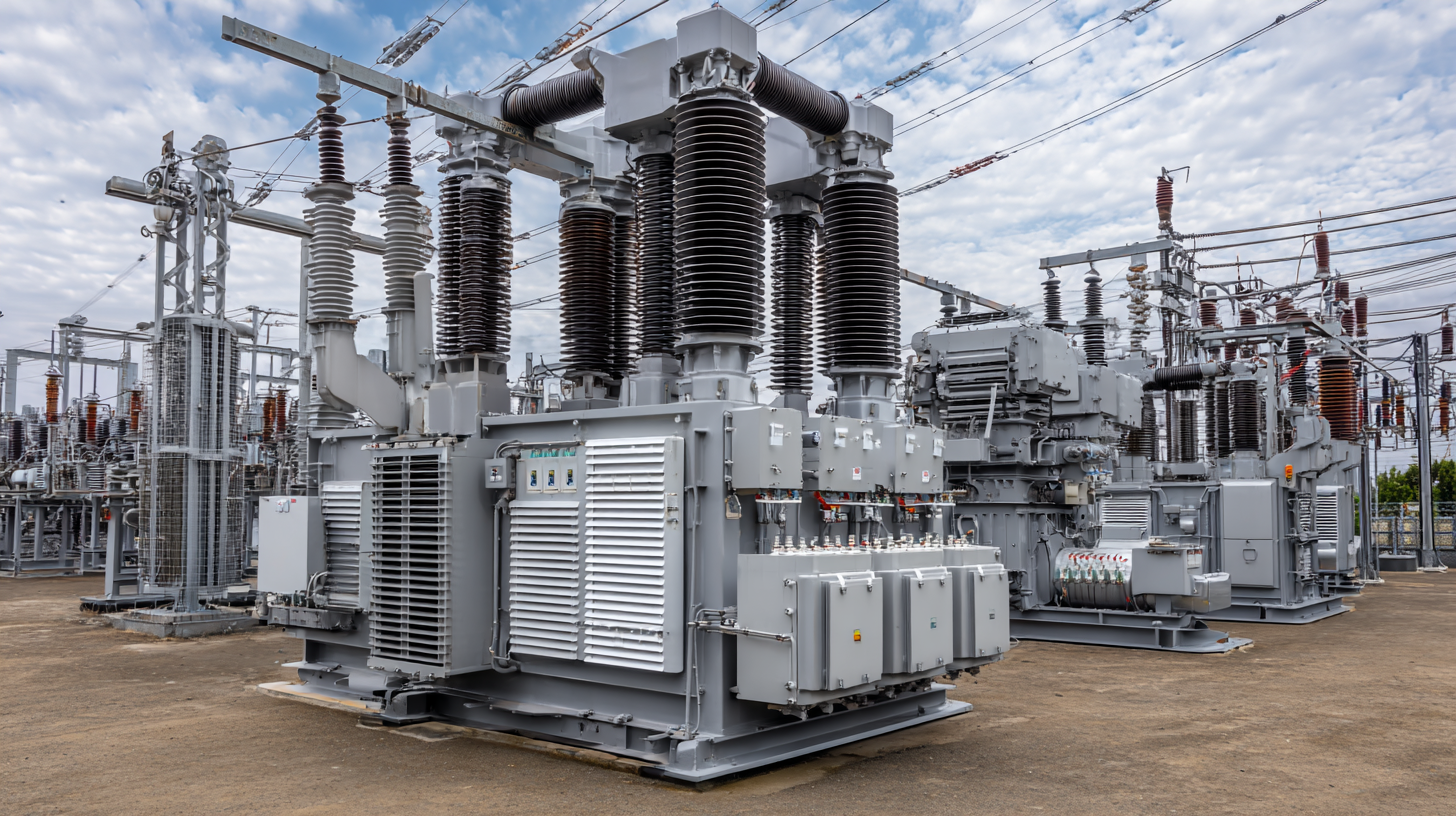
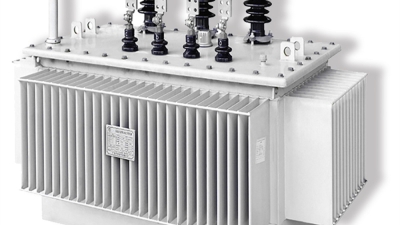
The 2023 Global Grid Systems Report highlights the critical need for reliable and efficient power distribution solutions as global energy demands surge. One standout recommendation from the report is the adoption of durable oil-immersed three-phase transformers. These transformers are specifically engineered to handle high-voltage electricity while minimizing energy losses, making them an optimal choice for various applications ranging from residential neighborhoods to large industrial setups.
Oil-immersed transformers utilize insulating oil for both cooling and electrical insulation, which significantly enhances their performance in demanding environments. According to industry research, these transformers can achieve efficiencies exceeding 98%, ensuring that more energy reaches the end-user while reducing operational costs. Their longevity is further augmented by their robust design, which adheres to international standards set by organizations like IEC and IEEE, guaranteeing safety and sustainability.
As industries pivot towards more efficient energy solutions, investing in oil-immersed three-phase transformers not only aligns with sustainability goals but also contributes to a more reliable power distribution network. With the increasing pressure on power infrastructures to deliver uninterrupted service, their ability to support continuous operation is invaluable, ultimately enhancing efficiency within the global energy landscape.
: Companies like JZPE POWER TRANSFORMER are integrating eco-friendly practices such as biodegradable insulating oils and energy-efficient manufacturing processes to minimize ecological impact while maintaining performance.
Manufacturers are facing challenges like material sourcing and environmental impact, and they are looking into the integration of natural ester fluids and innovative designs to enhance safety and support renewable energy transitions.
Advanced technologies, including AI-driven solutions, are essential for modernizing facilities and processes, streamlining production, improving accuracy, and reducing lead times to stay competitive in the high voltage transformer market.
The high voltage transformer market is expected to exceed $63.8 billion in 2024, with significant growth driven by favorable regulations and increasing electricity demand, maintaining a steady CAGR from 2025 to 2034.
The smart grid market is projected to grow from $40.61 billion in 2023 to approximately $203.92 billion by 2032, indicating a rising demand for advanced transformer solutions that support reliable and efficient energy systems.
Ecological stewardship is critical as global consciousness regarding sustainability increases; balancing operational efficiency with ecological impact is essential for meeting both technological and environmental goals.
Innovations in high voltage oil immersed transformers, driven by advancements in technology and evolving market needs, will play a vital role in meeting global energy demands effectively in the coming years.
Adhering to strict quality control procedures ensures that sustainable transformer technologies meet or exceed industry standards, providing reliable power solutions while emphasizing environmental responsibility.
Manufacturers are investing in advanced technologies and modernizing their processes to meet the rising demand for efficient energy solutions as the grid infrastructure evolves and electricity needs grow.