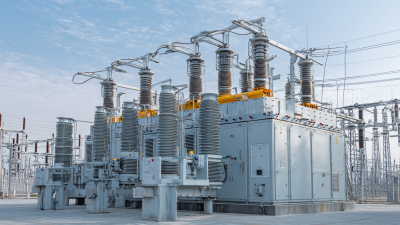
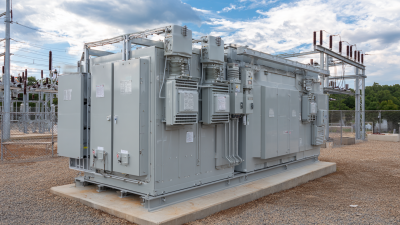
In the fast-changing world of power systems, picking the right Copper Winding Transformer is super important if you want things to run smoothly and reliably. Recent industry reports show that transformers are responsible for about 40% of energy losses during Power Distribution, so it really pays off to choose high-quality designs and materials. As a leader in this field—designing, manufacturing, and installing—JZPE Power Transformer (Jiangsu) Co., Ltd. uses cutting-edge design ideas and strict quality checks to provide top-notch power solutions around the globe. Founded back in 1989 and sprawling over 200,000 square meters, JEZOU Power blends innovative production methods with solid industry know-how to create transformers that don’t just meet standards but actually go beyond them. It’s all about meeting the growing need for energy efficiency and sustainability in today’s power grids, and they’re definitely up to the task.

Understanding the Role of Copper Winding Transformers in Power Systems Efficiency
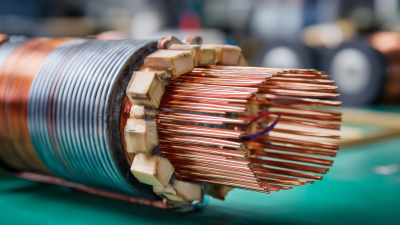
Copper-wound transformers are pretty crucial when it comes to making power systems more efficient. I read in a report from the Electric Power Research Institute (EPRI) that these transformers are responsible for about 10% of the energy lost in the whole system — mostly because of resistive heating in the windings. Picking copper as the conductor material is a big deal since it conducts electricity about 60% better than aluminum, which means less energy wasted. For instance, a transformer built with copper windings can often hit efficiency levels above 99%, helping to cut down on wasted energy and, in turn, lower operational costs.
And here’s the thing — copper windings tend to last longer and need less maintenance, making them a smarter choice overall. The International Energy Agency (IEA) even suggests that swapping out older, less efficient transformers with newer, copper-wound ones could cut greenhouse gas emissions by up to 20%. That’s pretty significant, right? It’s a win-win situation because not only does it support environmental goals, but it also boosts energy efficiency on a bigger scale.
When folks are choosing a transformer, they really should think about these points. Investing in copper windings might seem like a little extra upfront, but it pays off in better performance and sustainability down the line. Definitely something worth considering if you want your power systems to run smoothly and responsibly.
Efficiency Comparison of Copper Winding Transformers
Key Specifications for Selecting Copper Winding Transformers: Ratings, Losses, and Performance
When you're choosing a copper winding transformer for your power system, it's super important to really understand the key specs. Ratings basically tell you how much load the transformer can handle without it overheating—so picking one that matches your system’s needs is a must. I came across a recent report from the International Electrotechnical Commission that says if you go for a transformer rated above 1000 kVA and it’s designed right, you can actually get efficiencies above 98%. Pretty impressive, right?
Now, let’s talk losses—these are a big deal when it comes to performance. No-load losses happen when the transformer is just sitting there, powered up but not actively supplying any load. Load losses, on the other hand, occur whenever it's actually running. The goal? Minimize these losses because they directly impact efficiency. The Department of Energy mentions that, with the right materials and clever design, we can cut these losses by up to half compared to standard models.
A couple of tips: always look for transformers that have low losses and good thermal stability—they’ll last longer and run more efficiently. Plus, regular check-ups are a no-brainer; they help catch any issues early on. And don’t forget to peek at the manufacturer’s efficiency curves—they give you a good idea of where your transformer performs best under different conditions.

Comparing Copper vs. Aluminum Windings: The Impact on Efficiency and Cost-Effectiveness
When you're choosing a transformer for your power system, one of the big decisions is whether to go with copper or aluminum windings. Both have their pros and cons, so it really depends on what you're aiming for. Copper windings are well-known for their excellent electrical conductivity and lower resistance, which means they’re more efficient—great for applications where minimizing energy loss is crucial. If you're dealing with high loads or want the best performance, copper is often the way to go.
But hey, aluminum windings aren’t without their merits. They’re usually cheaper and lighter, which can really add up on your budget. Sure, they might not conduct electricity quite as well as copper, but with modern design tricks and manufacturing improvements, some of that efficiency difference has started to shrink.
At JZPE Power Transformer (Jiangsu) Co., Ltd., we really focus on making sure every transformer hits the right balance between cost and performance. Thanks to our advanced production methods and strict quality control, we’re able to deliver reliable power systems no matter which winding material you pick. We understand that every project is unique, so we’re here to provide solutions tailored just for you.
Assessing Load Requirements: Sizing Transformers for Maximum Energy Efficiency
Picking out the right copper winding transformer for your power setup isn’t just about size—it’s really about understanding your load needs. If you get it too big, you might end up wasting energy through extra losses; if it’s too small, overheating and even failure could become real issues. So, taking the time to analyze your system’s peak and average loads is absolutely worth it to make smarter choices.
A good starting point is to gather historical data on how much energy you’ve been using—this helps you make realistic predictions based on your actual operational patterns. Using load calculation software can also come in handy; it gives you a clear picture of peak demands and how your loads fluctuate throughout the day or year.
And don’t forget about the future. It’s smart to plan ahead for growth—whether that’s more equipment or expanding your facility—so your transformer can handle the increase without a hitch. Thinking ahead like this not only keeps your system running smoothly but also helps save energy and cut costs over time. Trust me, spending a little extra time now can pay off big in the long run!

Innovative Technologies in Transformer Design: Enhancing Efficiency and Sustainability
When it comes to transformer design, being innovative is really key if we want to make power systems more efficient and eco-friendly. For example, the world's biggest 765 kV transformer filled with natural ester recently hit a new milestone in green tech—showing that you can have high performance while reducing environmental impact. As we bring more renewable energy sources into the grid, it's not just about having sturdy transformers; it’s also about using sustainable materials. That’s why natural ester-filled designs are becoming such a hot trend in the industry.
Thinking about picking the right transformer? Well, try to focus on ones that are more eco-conscious—things that use greener materials and smarter tech. Features like compatibility with smart grids or better cooling systems can really make a difference, making sure everything runs smoothly and efficiently. Plus, with everyone pushing for more renewable energy, it’s smart to choose gear that fits those sustainable goals.
And here’s a little extra — as companies start embracing AI and smarter technology, teaming up with innovative tech firms can actually help you make better decisions when selecting transformers. It’s all about boosting operational efficiency and staying ahead with cutting-edge tech that supports a greener, more sustainable way of electrification.
How to Choose the Right Copper Winding Transformer for Optimal Efficiency in Power Systems - Innovative Technologies in Transformer Design: Enhancing Efficiency and Sustainability
| Parameter | Description | Impact on Efficiency | Sustainability Factor |
| Winding Material | Type of material used for windings (e.g., copper) | Higher conductivity materials improve efficiency | Copper is recyclable, enhancing sustainability |
| Transformer Design | The layout and configuration of transformer components | Optimal design minimizes losses | Innovative designs can reduce material usage |
| Cooling System | Method used to dissipate heat (air-cooled vs. oil-cooled) | Efficient cooling increases life and performance | Oil-cooling can have a lower environmental impact |
| Load Capacity | Maximum load the transformer can handle | Overloading can cause inefficiency | Matching capacity with demand reduces waste |
| Regulation | Ability to maintain voltage under varying load conditions | Better regulation enhances overall system efficiency | Stability contributes to a sustainable grid |
Maintenance Practices to Ensure Optimal Performance of Copper Winding Transformers
Taking care of your Copper Winding Transformers is super important if you want them to perform at their best—it’s like giving them regular check-ups. You should regularly inspect them to catch anything that might cause trouble down the line, like overheating, insulation wearing out, or loose connections. Keeping an eye on the temperature and comparing it to what the manufacturer says is normal helps stop problems before they become big issues.
Also, making sure there’s good ventilation around the transformer can really boost its efficiency and help it last longer.
On top of that, don’t forget to give them a good clean every now and then—dust and debris can mess with heat dissipation and cause overheating. If your transformer has moving parts, a little lubrication now and then can go a long way in preventing friction wear. For the tech-savvy, using predictive maintenance tools like thermal cameras or vibration sensors can detect issues early on, saving you from surprises later.
And finally, keeping your maintenance team up-to-date with the latest techniques and tools is key to keeping those copper transformers running smoothly and reliably in your power system.
Maximizing Energy Efficiency and Reliability with 2000kVA Three Phase Pad Mounted Transformers: Insights from the Latest Industry Reports
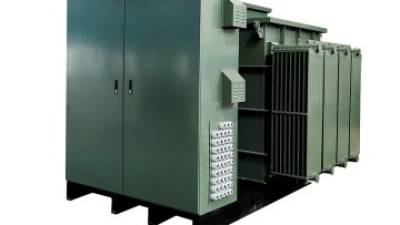
In the evolving landscape of energy management, maximizing efficiency and reliability is crucial, especially with the growing demand for sustainable power solutions. The latest industry reports highlight the importance of utilizing advanced three-phase Pad Mounted Transformers, specifically the 2000kVA model with notable specifications that cater to the needs of modern energy applications. With a primary voltage rating of 34500 Delta and secondary voltage ratings of 480Grdy/277, these transformers are designed to support various energy systems, including battery energy storage and auxiliary power systems.
One of the key features of this transformer type is its Dyn1 connection, which enhances system stability and performance. Coupled with a BIL rating of 150/30 and adherence to standards set by ANSI, IEEE, and NEMA, these transformers ensure high reliability and safety in operation. The KNAN cooling method further optimizes performance by efficiently managing thermal conditions, making them well-suited for demanding environments. As industries continue to prioritize energy efficiency, investing in a 2000kVA three-phase pad mounted transformer becomes an essential step towards achieving optimal power management solutions.
FAQS
: Key specifications include the transformer's rating, which indicates its capacity to handle load without overheating, and the losses associated with no-load and load operations. It's essential to choose a transformer that aligns with the system's requirements to maximize efficiency.
Losses can be minimized by selecting appropriate materials and designs, which can potentially reduce losses by up to 50% compared to standard models, as suggested by the Department of Energy. Regular maintenance also plays a critical role in maintaining efficiency.
Innovative technologies, such as natural ester-filled designs, enhance efficiency and sustainability by reducing environmental impact while maintaining high performance, making them particularly suitable for integrating renewable energy sources into the grid.
Regular maintenance is essential to identify and address potential issues, such as overheating and insulation degradation, thereby ensuring optimal performance and longevity of the transformers.
Essential practices include conducting regular inspections, monitoring temperature levels, ensuring proper ventilation, periodic cleaning to remove dust, and lubricating moving parts. Implementing a predictive maintenance strategy is also beneficial.
When selecting transformers, it is important to consider their environmental footprint by choosing designs that utilize sustainable materials and advanced features that promote efficiency, aligning with the increasing demand for renewable energy integration.
Partnering with innovative technology firms can enhance decision-making processes, leading to improved operational efficiency and the adoption of cutting-edge transformer technologies that support sustainable electrification initiatives.
Key issues to monitor include overheating, insulation degradation, loose connections, and general temperature levels, ensuring they align with the manufacturer's specifications to avoid premature failure.
Efficiency can be evaluated by consulting manufacturer efficiency curves, which provide insights into the specific conditions under which a transformer performs optimally.
These predictive maintenance techniques help detect potential issues before they escalate, ensuring that transformers operate at peak efficiency and reducing the risk of unexpected failures.
Conclusion
When you're on the lookout for the most efficient power system setup, picking the right Copper Winding Transformer really makes a huge difference. These little guys are super important because they help improve how well the whole system runs—cutting down on losses and making better use of energy. So, when you're choosing a copper transformer, it’s a good idea to pay close attention to specs like ratings, losses, and overall performance. If you compare copper with aluminum windings, you’ll notice there are pretty significant differences in efficiency and cost, which can really influence your decision. Oh, and don’t forget—sizing the transformer correctly based on your load needs is key to getting the best energy efficiency out of it, no matter what.
Plus, there are always new tech innovations coming out in transformer design—things that push for better efficiency and more sustainability. Keeping up with regular maintenance is also crucial to ensure your Copper Winding Transformers keep performing at their best. At JEZOU POWER, they’ve been leading the way in power solutions since 1989. Their focus on innovative design and strict quality checks really guarantees you get high-performance transformers that match today’s energy demands worldwide.

 +86 18068001229
  Contact Phone
 Contact Email