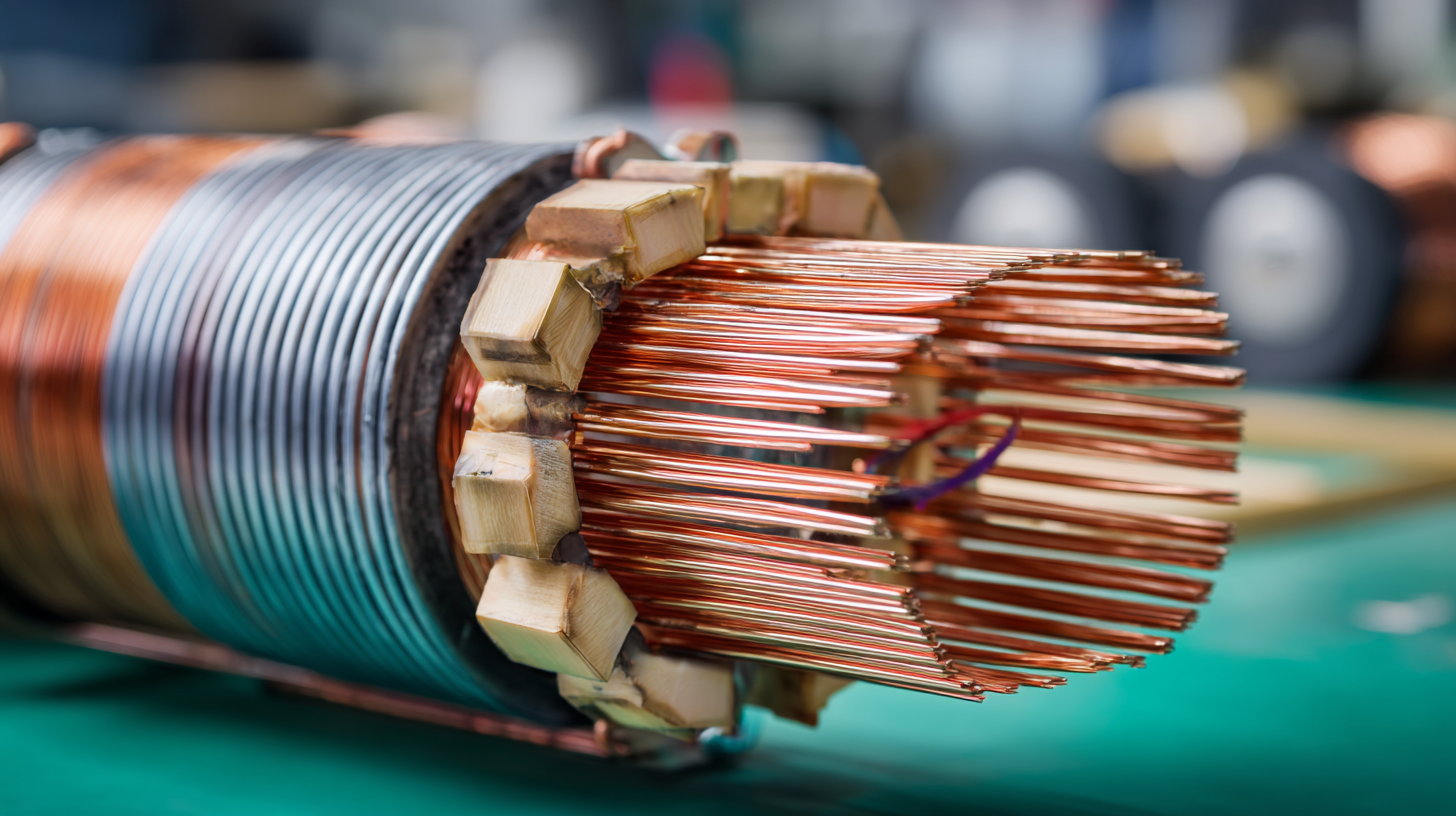
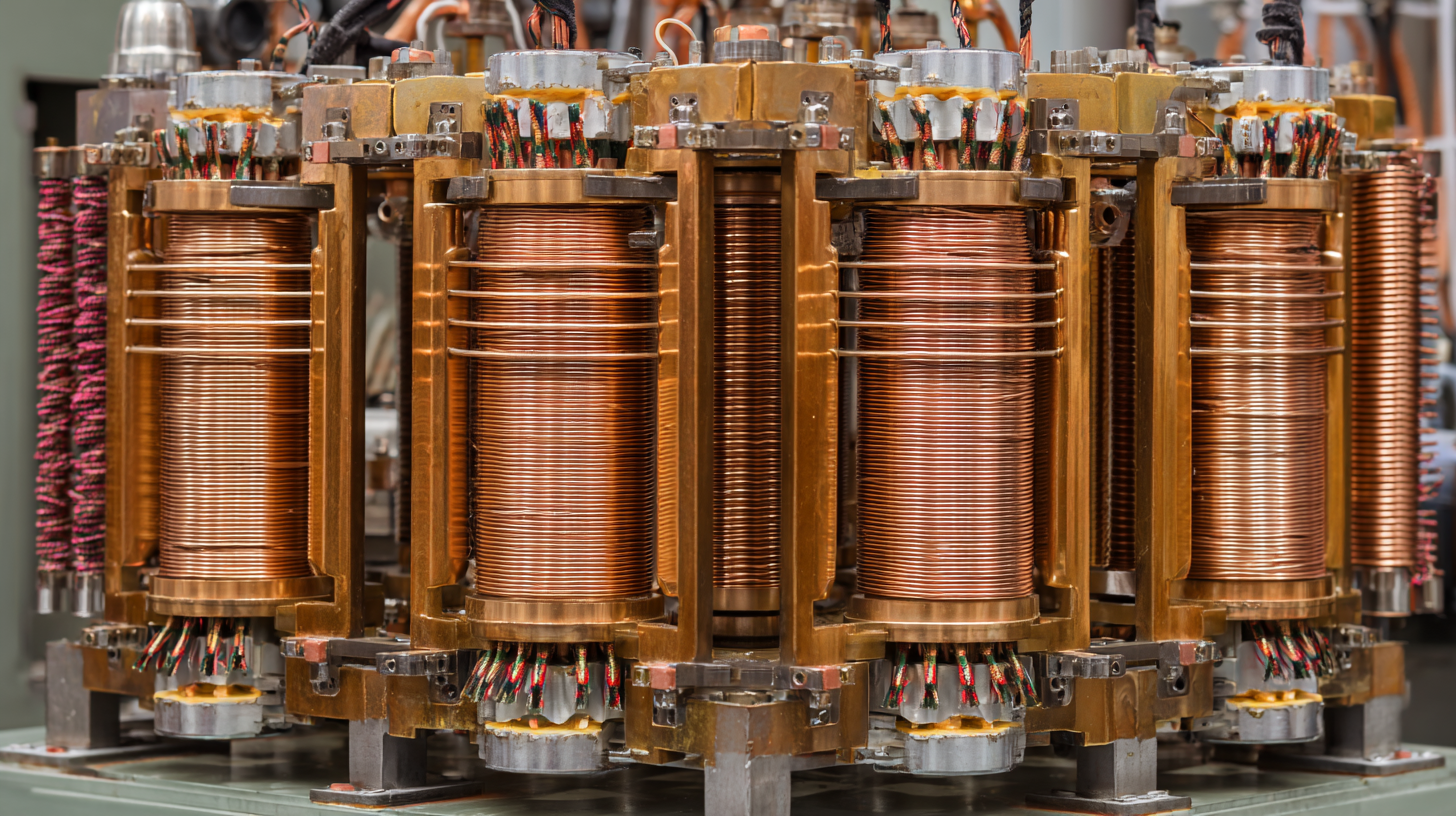
You know, in today's fast-moving energy world, there's never been a bigger push for super efficient and reliable power solutions. Copper wound transformers? They’re a pretty big deal in lots of electrical gadgets, playing a key role in how power gets distributed and converted.
I recently came across a report from Global Market Insights, and it talks about how the transformer market could hit over $100 billion by 2026. A big chunk of that growth is expected to come from copper-wound transformers, mainly because of their awesome conductivity and performance.
Here at JEZOU POWER TRANSFORMER (JIANGSU) CO., LTD., we’ve been around since 1989, working out of a huge facility covering about 200,000 square meters. We’re really proud to be at the forefront of this industry, constantly pushing for innovative designs and top-quality manufacturing. Our focus on cutting-edge design and strict quality checks means we’re committed to meeting the highest standards — which is why we’re trusted worldwide to deliver strong, reliable power system solutions.
Key Characteristics of Copper Winding Transformers and Their Applications
When you're choosing high-quality manufacturersfor Copper Winding Transformers, it’s really important to get a good grasp of what makes these devices tick and where they’re commonly used. Copper windings are pretty popular because they conduct electricity so well and handle heat better, which makes these transformerssuper efficient—especially when it comes to power applications. If you dive into comparative studies, you'll see that transformers built with copper tend to lose less energy due to hysteresis than those with aluminum, and that’s a big deal if you’re looking to save power.
For instance, some research even shows that high-temperature superconducting (HTS) transformers can cut down hysteresis losses quite a bit by using multi-segment windings—that's pretty cutting-edge stuff.
Now, about the costs—copper isn’t always the cheapest option out there. Prices can fluctuate a lot. Still, most experts agree that copper’s durability and top-notch performance make it the go-to choice for medium to high Power Transformers.
A recent report points out that, although copper might only make up about a quarter of the overall transformer cost, the savings you get over time—like better energy efficiency and less maintenance—more than make up for the higher upfront price. So, it’s worth partnering with reputable manufacturers who really understand market trends and stick to high standards in design and quality—that’s key to getting a good copper winding transformer that’ll serve you well for years to come.
Understanding Different Types of Copper Winding Transformers in the Market
So, if you're diving into the world of copper winding transformers, it’s pretty important to get a handle on the different types out there and what they’re best suited for. Basically, you’ve got three main kinds: dry-type, oil-immersed, and Cast Resin Transformers. I came across a report from Grand View Research that said the global market for Dry-Type Transformers was worth about $4.81 billion in 2022. And guess what? It’s projected to grow steadily—around 6.5% CAGR from 2023 to 2030. The boost? Mainly because industries are really pushing for energy-efficient solutions, and dry-type transformers fit perfectly into that move toward sustainability.
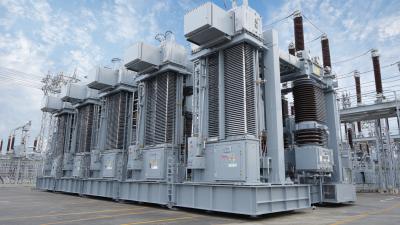
On the other hand, Oil-Immersed Transformers are pretty common, especially in high-voltage setups. They’re great at cooling and handling overloads. According to the International Energy Agency, these types actually make up nearly 60% of the overall transformer market—that’s a big deal, showing just how vital they are for power distribution.
Then we have cast resin transformers. They’re kind of on the rise, mainly because they’re safer and cost less on maintenance. A report from Mordor Intelligence pointed out that the market for cast resin types is expected to grow quite a bit — especially in renewable energy projects. Knowing the differences between these options isn’t just about picking the right one; it also highlights the importance of choosing trustworthy manufacturers who meet industry standards. Bottom line: understanding these nuances can really make a difference in making the best choice for your needs.
How to Evaluate the Quality Standards of Transformer Manufacturers
When you're trying to figure out the quality standards of different transformer manufacturers, there are a few key things you definitely want to look into. First off, check their certifications and industry standards—stuff like ISO 9001 or similar quality management certificates. These give you a good clue that they’re serious about maintaining high quality and follow strict control measures.
But certifications are just one piece of the puzzle. It’s also really helpful to look into how long they've been around and what kind of reputation they’ve built. Usually, a company with a long track record and solid reviews from customers is a safer bet. Don't forget to read customer testimonials, case studies, or online reviews—they can reveal a lot about how they perform and how good their customer service is.
And hey, it’s also worth asking about their manufacturing process and testing methods. You want to know that they’re using top-quality materials and the latest tech—especially when it comes to copper winding transformers. Doing a bit of homework upfront will help you find manufacturers that are reliable and can actually deliver durable, efficient transformers that last.
Essential Factors to Consider When Choosing a Manufacturer for Transformers
When you're choosing a manufacturer for copper winding transformers, there are a few really important things to keep in mind to ensure you're getting something reliable and top-notch. First off, it's a good idea to look into how much experience they have and what kind of reputation they’ve built in the industry. A company with a solid track record usually knows their stuff and can deliver products that meet all the industry standards. Don't be shy about reaching out to previous clients or asking for recommendations—that can give you a real sense of how dependable and consistent they are.
Another key point is to pay attention to the materials they use, especially the copper and insulation. High-quality raw materials really make a difference when it comes to the efficiency and lifespan of the transformers. Make sure the manufacturer follows strict quality control processes—this is crucial for ensuring you're getting a good, reliable product.
**Quick Tip:** Always ask for certifications and compliance documents relevant to your industry—they’re like your peace of mind saying, “Yep, this company plays by the rules.” Plus, see if they can customize and tailor transformers to your specific needs. That’s a big plus, especially if you’re working on something specialized that might need a more personal touch.
How to Identify Quality Manufacturers for the Best Copper Winding Transformer
| Factor | Description | Importance Level |
| Experience | Number of years in manufacturing transformers and reputation in the industry. | High |
| Certifications | Relevant quality and safety certifications, such as ISO 9001. | High |
| Material Quality | Use of high-grade copper and insulation materials in production. | Very High |
| Technology | Modern manufacturing techniques and technology utilized in production. | High |
| Customization Options | Ability to customize transformers according to specific requirements. | Medium |
| Customer Support | Availability and quality of after-sales support and service. | High |
| Price Competitiveness | Comparison of prices with similar manufacturers for value assessment. | Medium |
Top Features to Look for in High-Quality Copper Winding Transformers
So, when you're on the hunt for top-notch copper winding transformers, there are a few key things you really want to pay attention to. First off, the thermal stability of the materials used is super important. Lately, I've seen reviews emphasizing how cellulose insulation, if processed properly, can offer great thermal stability and last longer—meaning the transformer can run smoothly even when the load varies a lot. That's a big plus!
Another thing to consider is how
efficient the transformer is overall—basically, how much energy gets lost during operation. Market reports are buzzing about
newer materials like
nanocomposite conductors, which seem to outperform the old-school copper and aluminum. Switching to these
smarter materials can really save you money and boost performance, so it's worth choosing manufacturers who are ahead of the curve with this tech.
And let's not forget about the
internal design—specifically, the magnetic and structural features of the copper windings. Research on new materials like
doped nickel oxide shows promise for making transformers more efficient and reliable. Brands that really put effort into
R&D to refine these aspects are probably gonna produce better, more dependable transformers suited for today’s needs.
Tips for Conducting Manufacturer Audits to Ensure Quality Production
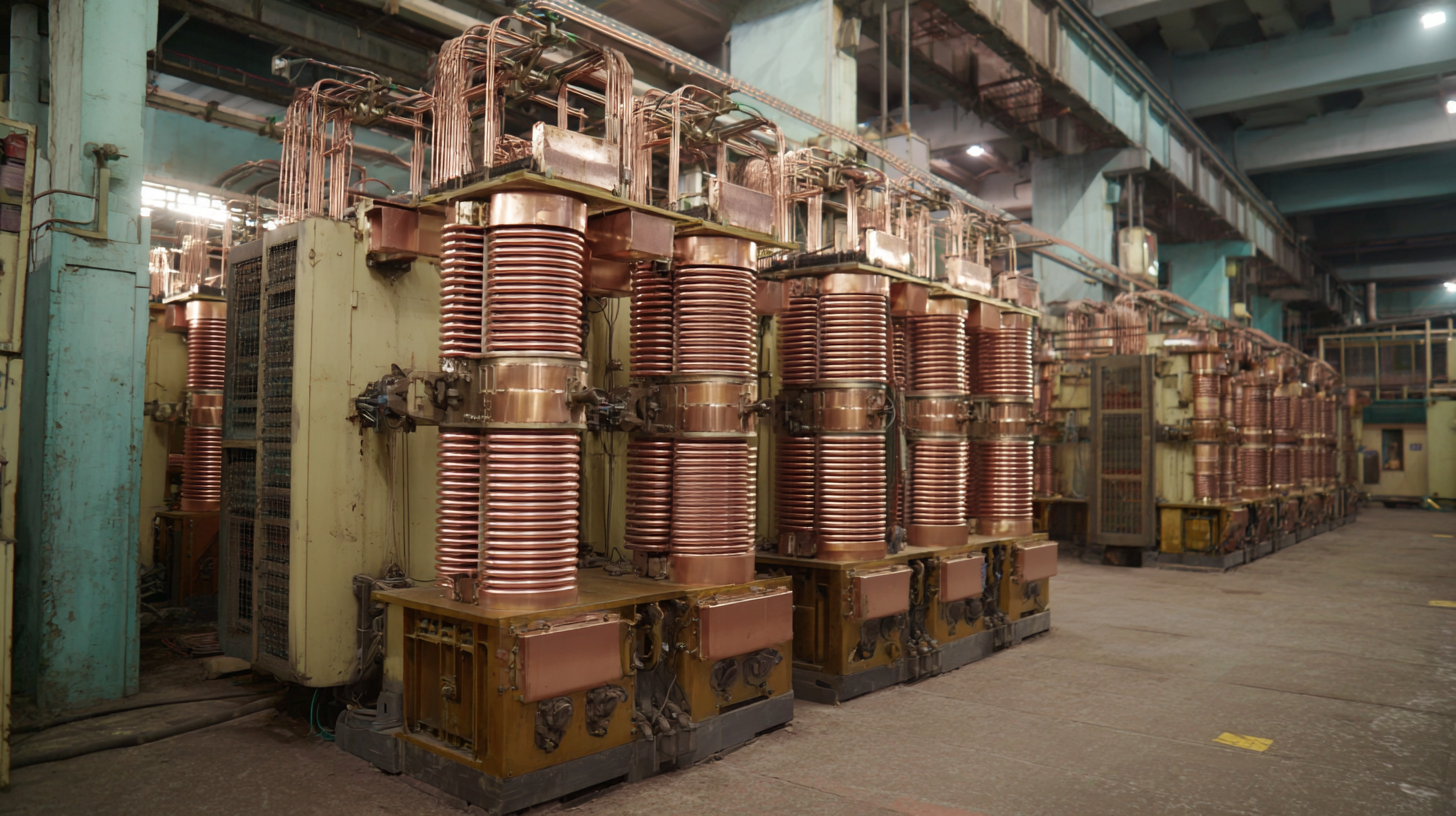
When you're on the hunt for good quality copper winding transformers, doing a thorough manufacturer audit is pretty much a must. It helps you make sure they’re sticking to solid production standards. A good starting point is checking out their facilities—taking a look at how clean and organized everything is can actually tell you a lot about how serious they are about quality. Notice if the equipment looks well-maintained and if different areas are dedicated to specific tasks—that stuff can really impact how consistent and efficient their production turns out to be.
On top of that, don’t forget to ask about their quality control process. Find out what kind of testing they do and whether they’ve got certifications like ISO 9001. A trustworthy manufacturer should have solid paperwork showing their quality checks and records of regular inspections. Chatting with the production team can also give you some insight into their training and expertise—whether they really know their stuff. By paying attention to these details during your audit, you'll be in a much better position to team up with a manufacturer that’s consistently delivering top-notch copper winding transformers.

 +86 18068001229
  Contact Phone
 Contact Email