In today's crazy global marketplace, it’s super important to get a grip on international export certifications—especially if you’re on the lookout for reliable equipment like those 50kva and 80kva Transformers. These certifications aren’t just some red tape; they actually ensure everything’s up to snuff with regulations and that the products meet those tough quality and safety standards we all care about.
Now, let me tell you about JZPE POWER TRANSFORMER (JIANGSU) CO., LTD., or as most people call it, JEZOU POWER. They’ve been leading the charge in innovation since they kicked things off in 1989. With a whopping 200,000 square meters of manufacturing space and some really cutting-edge design ideas, JEZOU POWER puts a big emphasis on rigorous quality control—you know, to make sure you’re getting top-notch products.
This guide is here to help buyers around the world get a handle on the sometimes messy world of export certifications for those 50kva and 80kva transformers. We want to make sure you're making smart purchases that fit your operational needs and tick off all the right regulatory boxes.
Market Overview for 50kVA and 80kVA Transformers in 2025: Trends and Projections
Hey there! As we turn our sights to 2025, it looks like the market for 50kVA and 80kVA transformers is really gearing up for some exciting growth. This is mainly because there's a growing demand for energy in different industries. Some recent studies suggest that the global transformer core market could hit about USD 12.7 billion by 2034, with a steady growth rate of around 3.1%. This really points to how crucial transformers are becoming for efficient Power Distribution and keeping up with those ever-stricter energy regulations we’re all hearing about.
On a related note, the green power transformer market also has a lot of potential, with projections showing it might rise from USD 1.22 billion in 2024 to about USD 1.81 billion by 2030. This is pretty exciting and highlights just how much we're shifting toward sustainable energy solutions these days. Not to forget, it’s really vital for exporters to grab those international certifications so they can meet import requirements without a hitch.
**A Quick Tip for Global Buyers:** When you’re in the market for transformers, make sure you double-check that they meet international safety and quality standards. Staying updated on market forecasts is super helpful too—it’ll really help you make smart choices based on where things are headed, especially with all the new tech out there. And hey, understanding the specific specs and certifications needed in different regions can definitely smooth out your procurement process and give you a bit of a leg up in the competitive global market!
Understanding International Export Certifications for the Best 50kva 80kva Transformers
| Certification Type | Region | Validity Period | Key Requirements | Market Growth Rate (%) |
| ISO 9001 | Global | 3 Years | Quality Management System | 5% |
| CE Marking | European Union | Indefinite | Safety Standards Compliance | 6% |
| UL Certification | United States | Renewable Annually | Product Safety Testing | 4% |
| IEC 60076 | International | Indefinite | Performance Standards | 7% |
| PSE Mark | Japan | 3 Years | Electrical Safety Compliance | 5.5% |
Key International Export Certifications: What Global Buyers Need to Know
Hey there! If you're in the market for transformers, especially the 50kva and 80kva models, it’s super important to get a handle on the different international export certifications out there. These certifications do more than just tick boxes for regulatory standards; they also give you peace of mind about quality and reliability. You’ve probably heard of key certifications like ISO 9001, CE, and UL. They all mean that a company is serious about sticking to industry best practices and safety requirements. For instance, ISO 9001 is all about effective quality management systems, while CE marking shows that a product meets the health, safety, and environmental standards in Europe. Knowing these certifications can really help influence your purchasing decision—after all, you want to ensure you’re investing in products that comply with global standards, right?
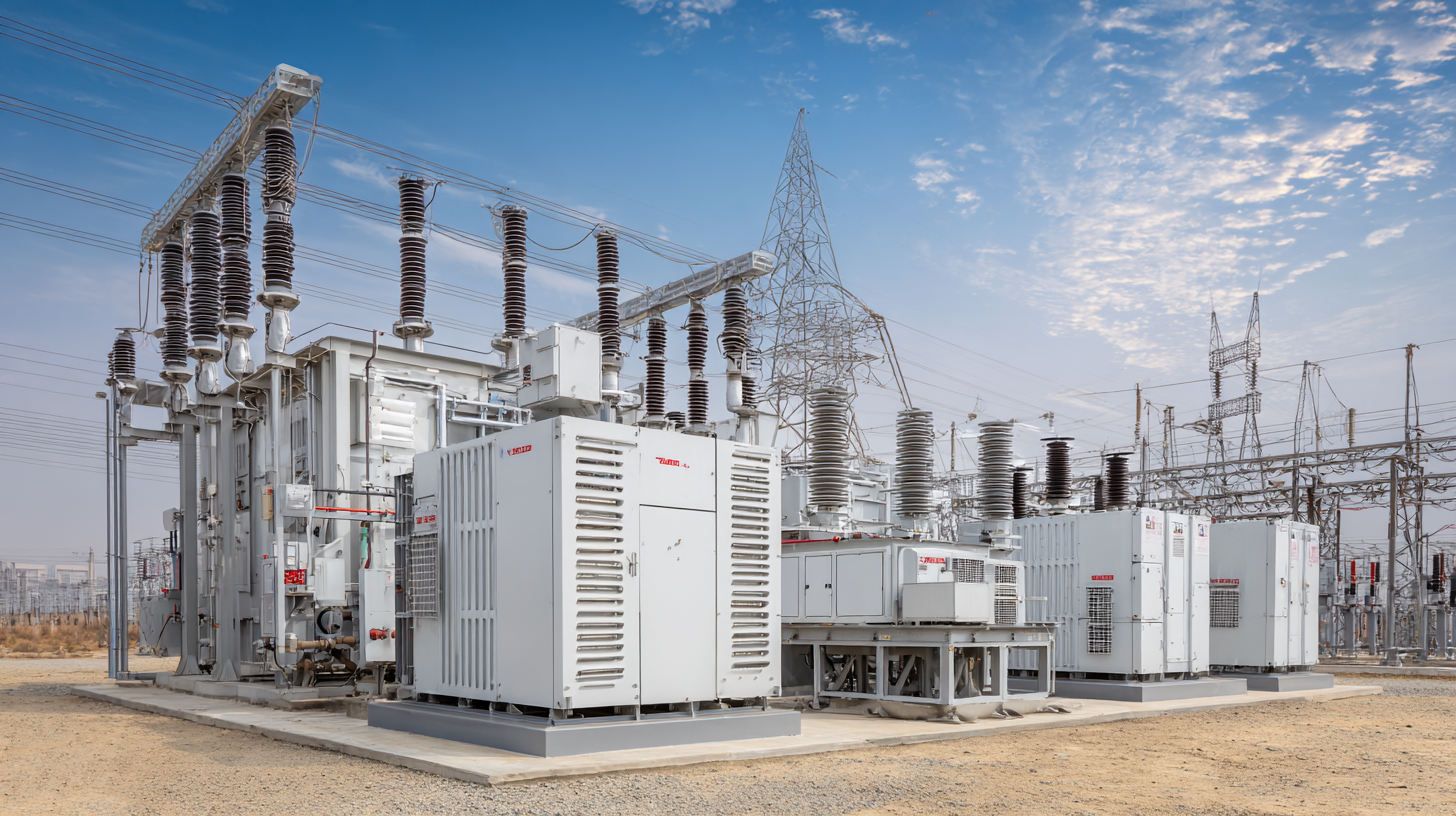
At JZPE POWER TRANSFORMER (JIANGSU) CO., LTD., we take a lot of pride in our cutting-edge design concepts and tight quality control processes. Since we started back in 1989, we’ve worked hard to build a solid reputation as a top-notch designer, manufacturer, and installer of power systems around the globe. Our facilities are massive, covering over 200,000 square meters, and we use the latest production techniques to make sure that every transformer we produce not only meets but often exceeds international export certification requirements. So, if you’re thinking about our 50kva and 80kva transformers, you can trust that we’ve got quality and safety as our top priorities, all backed by the right certifications to make international trade smooth and easy.
Understanding Quality Standards: Compliance for 50kVA and 80kVA Transformers
When you dive into the world of international trade, getting the right certifications for 50kVA and 80kVA transformers is super important, especially for global buyers who want to tick all the boxes on quality standards. I mean, with the market for Distribution Transformers set to soar to around USD 9.18 billion in Europe by 2033, you really can’t afford to overlook these certifications. Being compliant not only boosts product reliability but also helps you navigate the maze of regulations that vary from place to place. So, if you’re a buyer, you definitely want to keep an eye on the rules in the EU and UK, where there’s a growing emphasis on data protection and consumer rights—it’s all about tailoring your procurement strategy to fit those requirements.
And let’s not forget the recent changes in energy efficiency standards by the U.S. Department of Energy—they really show how quickly compliance can shift. With the DOE pushing back timelines and updating efficiency targets, manufacturers have a perfect chance to get creative while still meeting these new standards. This opens the door for transformers that use cutting-edge materials and tech, which is crucial for longevity and reliability to keep up with the booming market. So, for anyone trying to navigate this tricky terrain, staying in the loop about quality standards and certifications isn’t just helpful—it’s absolutely essential for making those global transactions work out smoothly.
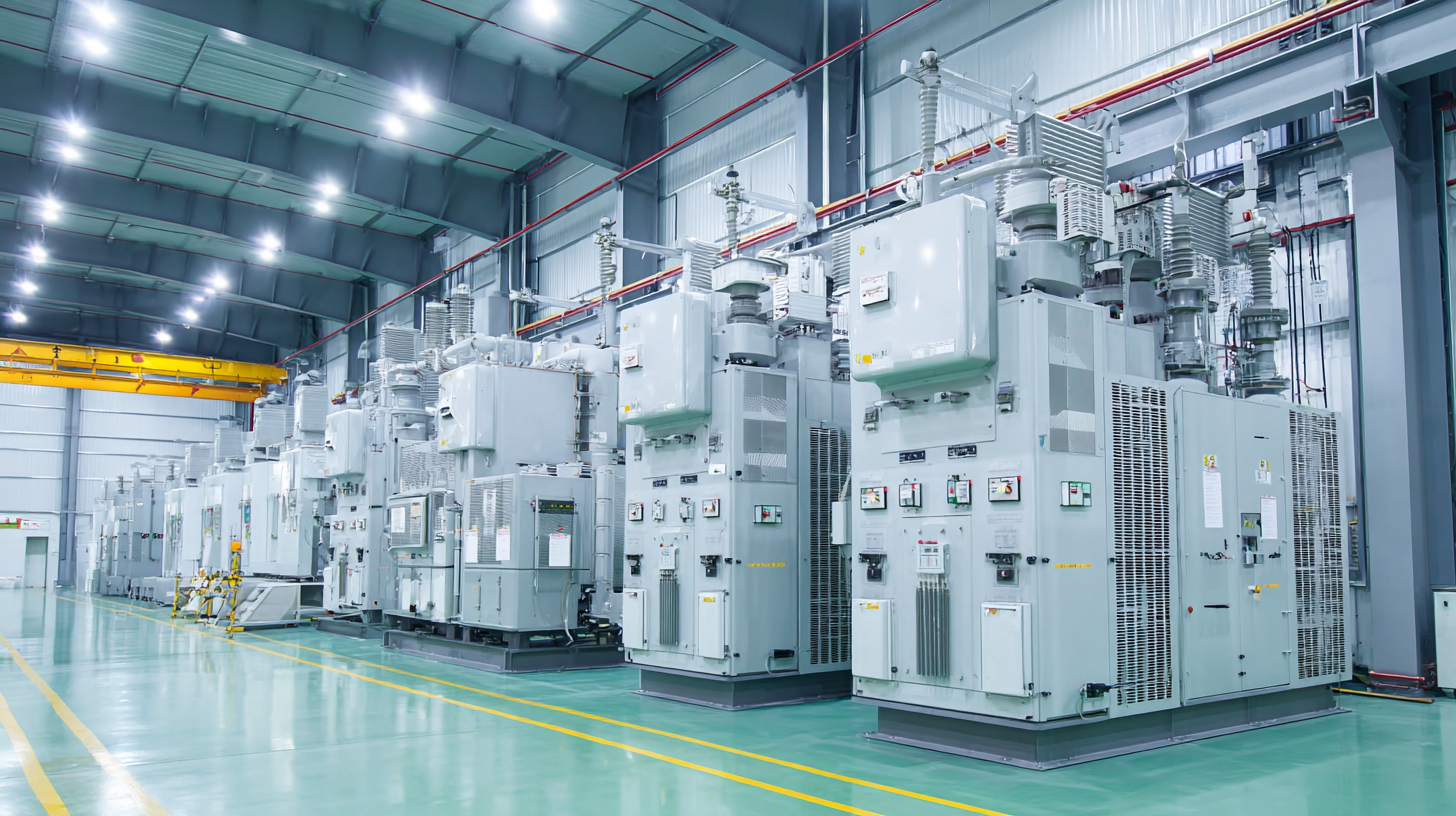
Tips for Navigating the Certification Process: A Step-by-Step Approach
Navigating the certification process for transformers, especially the ones in the 50kva and 80kva range, can really feel overwhelming for buyers around the world. To make things easier, it’s super important to kick things off with a solid understanding of the different international export certifications that pertain to your equipment. You’ll need to dive into documentation like IEC standards, ISO certifications, and the regulations specific to each country, and trust me, taking the time to review these thoroughly will pay off big time in terms of ensuring compliance with your transformers’ specs.
Start by sorting out which certifications are necessary for the market you’re targeting. Since each country has its own rules, getting familiar with both the local and international standards is key. It might be helpful to whip up a checklist that highlights all the necessary tests and paperwork, like safety evaluations and performance metrics. And don’t forget to keep the lines of communication open with your supplier; they can be a great resource for clarifying which certifications you’ll need to get your transformers ready for export, making sure all the paperwork is squared away.
Once you’ve got a handle on what’s required, the next step is diving into the certification process itself. Team up with recognized certifying bodies to perform the necessary tests and inspections. It pays to be proactive in gathering all your documentation to sidestep any delays. Also, keeping yourself updated on changes in international regulations can smooth things out, helping you to anticipate any bumps in the road and adjust your approach as needed.
Export Certification Types for 50kVA and 80kVA Transformers
Common Challenges in International Export Certification and How to Overcome Them
Hey there! If you've ever dabbled in international exports, you know how tricky those certification processes can get, especially when it comes to buying transformers like the 50kva and 80kva models. Honestly, one of the biggest headaches is figuring out the different certification requirements that each country has—it's like trying to decode a secret language! Each region has its own rules and standards that you really have to follow if you want to successfully break into the market. It’s no wonder buyers often feel overwhelmed trying to keep track of all those requirements. This confusion can lead to delays and, let’s be real, extra costs that nobody wants.
At JZPE POWER TRANSFORMER (JIANGSU) CO., LTD., we totally get it. We've been in the game since 1989, and our facility spans an impressive 200,000 square meters! Our focus? Making sure that the certification process is as straightforward as possible for our clients.
We’re not just about meeting standards; we want to exceed them, and we work hand-in-hand with international certification bodies to make that happen. Trust us, when you stick to the right certification procedures, it not only cuts down on risks but also boosts the appeal of your transformers in this crazy competitive market. So let’s make exports smoother together!
Future Outlook: Innovations and Changes in Transformer Export Certifications by 2025
You know, the world of transformer export certifications is really changing fast. By 2025, we’re looking at some pretty big innovations and regulatory shifts that are going to shake things up for global buyers. JZPE POWER TRANSFORMER (JIANGSU) CO., LTD. has been in the power system solutions game for over 30 years, so they totally get how crucial it is to keep up with these changes. Recent reports suggest that we could see as much as 30% of transformer shipments worldwide needing to meet new international standards by 2025. That’s going to change how businesses approach sourcing and market dynamics, no doubt about it.
Here's a tip: make sure you stay updated on the specific certifications that your target markets are asking for. If you have a handle on the local regulations, you can make your procurement process a lot smoother and avoid any nasty delays. Plus, companies like JEZOU POWER are stepping up their quality control to meet these tougher certification requirements. So, if you’re sourcing, it’s smart to team up with manufacturers who are really committed to innovation and compliance.
And let’s not forget about the impact of digital technologies here. We’re likely to see more transparent and efficient certification processes thanks to things like data analytics and blockchain tech. These advancements will help ensure that the transformer products out there are traceable and authentic. JZPE POWER is all about top-notch design and production, and they’re ready to take advantage of these innovations to ensure their transformers not just meet but actually blow past those evolving certification standards.
So here’s another tip for you: partner with suppliers who are investing in the latest technologies. It’s a win-win—you’re not only ensuring product integrity but also aligning with those eco-friendly goals since the industry is really pushing towards sustainable practices.
Enhancing Electrical Performance: Insights from Recent Industry Reports on Cooper Oil Immersed Transformers and High Frequency Technology
In the realm of electrical engineering, the quest for enhanced performance is never-ending. Recent industry reports have highlighted significant advancements in the development of Cooper Oil Immersed Transformers and high-frequency technology. These innovations are not just contributing to improved efficiency but are also redefining reliability and longevity in power distribution systems. As high-frequency technology gains traction, it offers the potential to reduce losses and improve the overall performance of transformers, making them a more viable option for various applications.
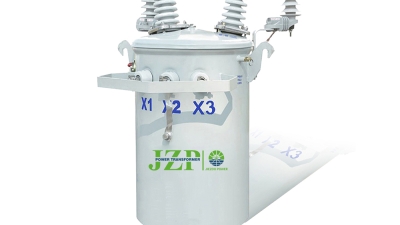
One of the standout products in this evolving landscape is the range of Single Phase Oil Distribution Transformers, available in capacities from 15kVA to an impressive 500kVA. These transformers have been engineered to cater to diverse power needs, whether stepping up or stepping down voltage levels. The oil-immersed design enhances cooling and insulation properties, ensuring that the transformers operate efficiently even in the most demanding conditions. With options covering every possible requirement, from smaller residential applications to large industrial setups, these transformers are pivotal for businesses looking to optimize their electrical performance while ensuring safety and durability.
As the industry continues to innovate, integrating high-frequency technology with dependable transformer design will be essential for those aiming to stay ahead in the competitive energy landscape. Emphasizing quality and performance, the latest offerings in oil distribution transformers represent a crucial investment for enhanced electrical efficiency.
FAQS
: The key certifications include ISO 9001, CE, and UL. These certifications indicate adherence to quality management systems and compliance with safety and environmental standards.
Export certifications assure quality and reliability, ensuring that products meet regulatory standards and best practices, which influences purchasing decisions.
Buyers often struggle with understanding varying certification requirements across different countries, which can lead to delays and increased costs.
JZPE POWER TRANSFORMER simplifies the certification process by working closely with international certification bodies to ensure products meet and exceed global standards.
By 2025, up to 30% of global transformer shipments may require compliance with new international standards, affecting market dynamics and sourcing strategies.
Buyers should stay informed about specific certification requirements in their target markets, streamlining the procurement process to avoid delays.
Digital technologies, such as data analytics and blockchain, are expected to enhance the transparency and efficiency of certification processes, ensuring product traceability and authenticity.
Collaborating with innovative suppliers helps ensure product integrity and aligns with sustainability goals as the industry shifts toward more eco-friendly practices.
JZPE POWER TRANSFORMER has been operating since 1989 and is committed to advanced design concepts and rigorous quality control procedures to meet international standards.
By adhering to the correct certification procedures and partnering with compliant manufacturers, buyers can reduce risks and enhance the marketability of their transformers.

 +86 18068001229
  Contact Phone
 Contact Email