 +86 18068001229
 Leave Your Message
- Contact WhatsApp
-
 Contact Phone
 -
 Contact Email
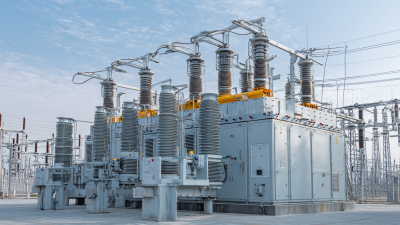
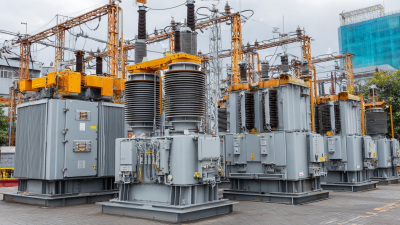
These days, with renewable energy really taking off, having a reliable and efficient electrical infrastructure is more important than ever. High Voltage Oil Immersed Transformersare a key part of power distribution — they basically help make sure that energy from wind, solar, and other sources can be smoothly delivered and used. Industry reports suggest that the global market for these High Voltage Transformers is expected to hit over$20 billion by 2026, mainly because of the growing demand for renewable tech and upgrades to the power grid.
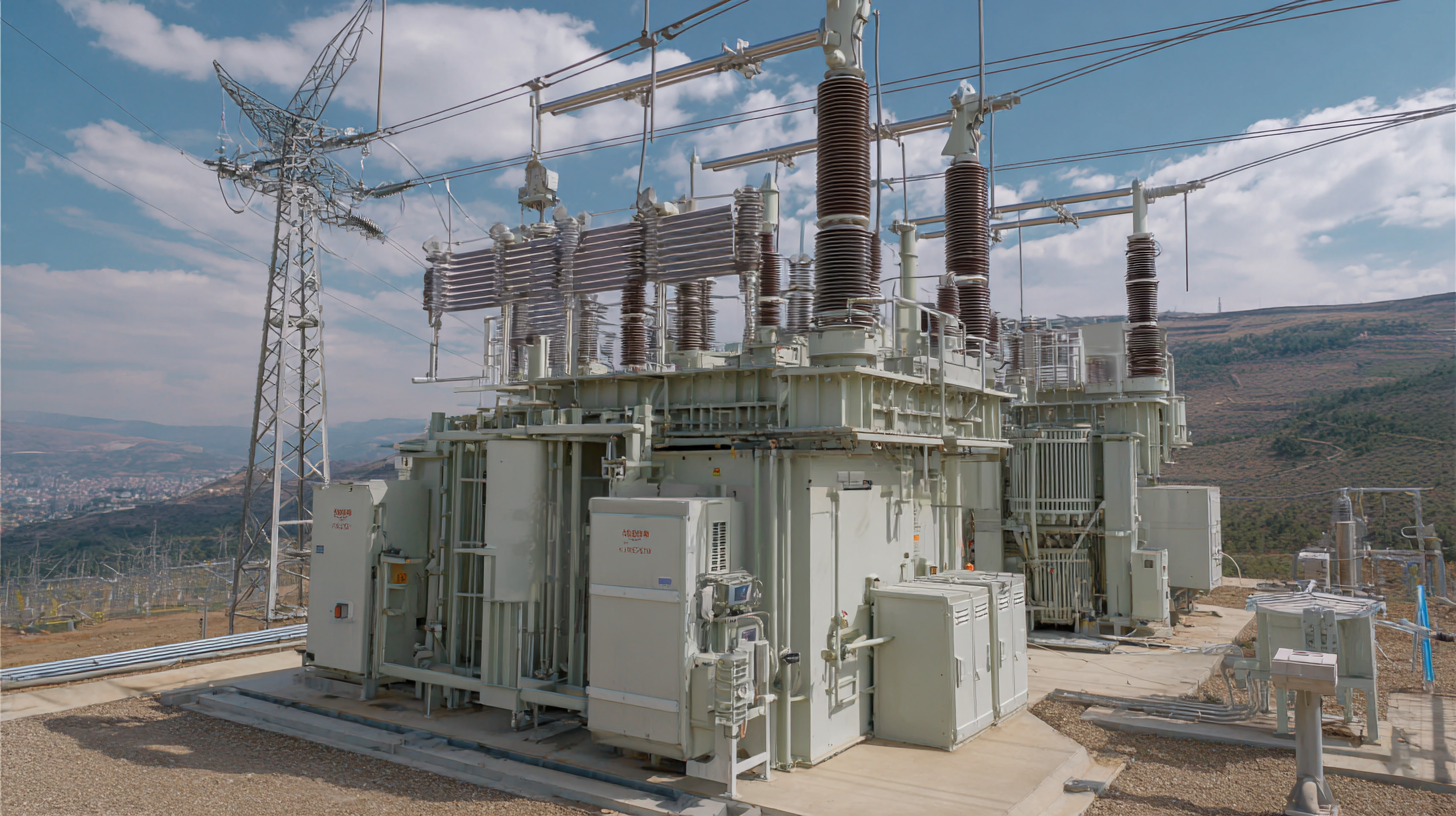
One company that’s really leading the way is JZPE POWER TRANSFORMER (JIANGSU) CO., LTD., better known as JEZOU POWER. They've been around since 1989 and have a huge facility covering about 200,000 square meters, constantly pushing innovation and quality control.
As we move forward with this shift toward cleaner energy, these high voltage transformers will play a big role in making everything more efficient and reliable, helping to build a more sustainable and resilient power system for the future.
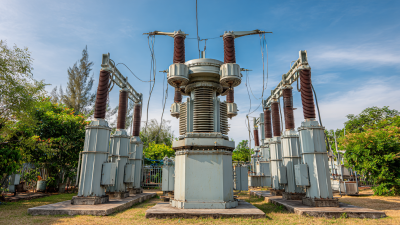
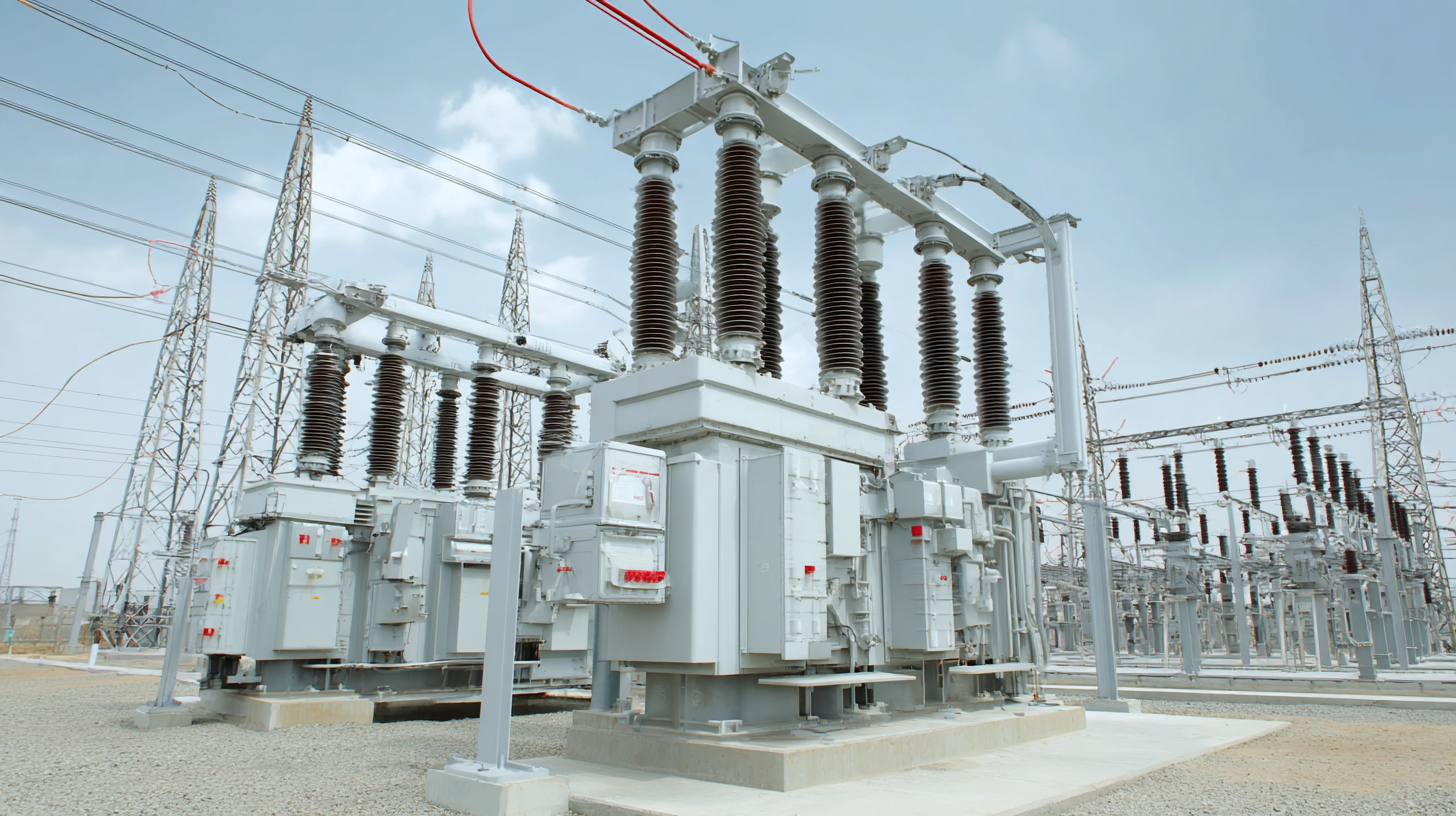
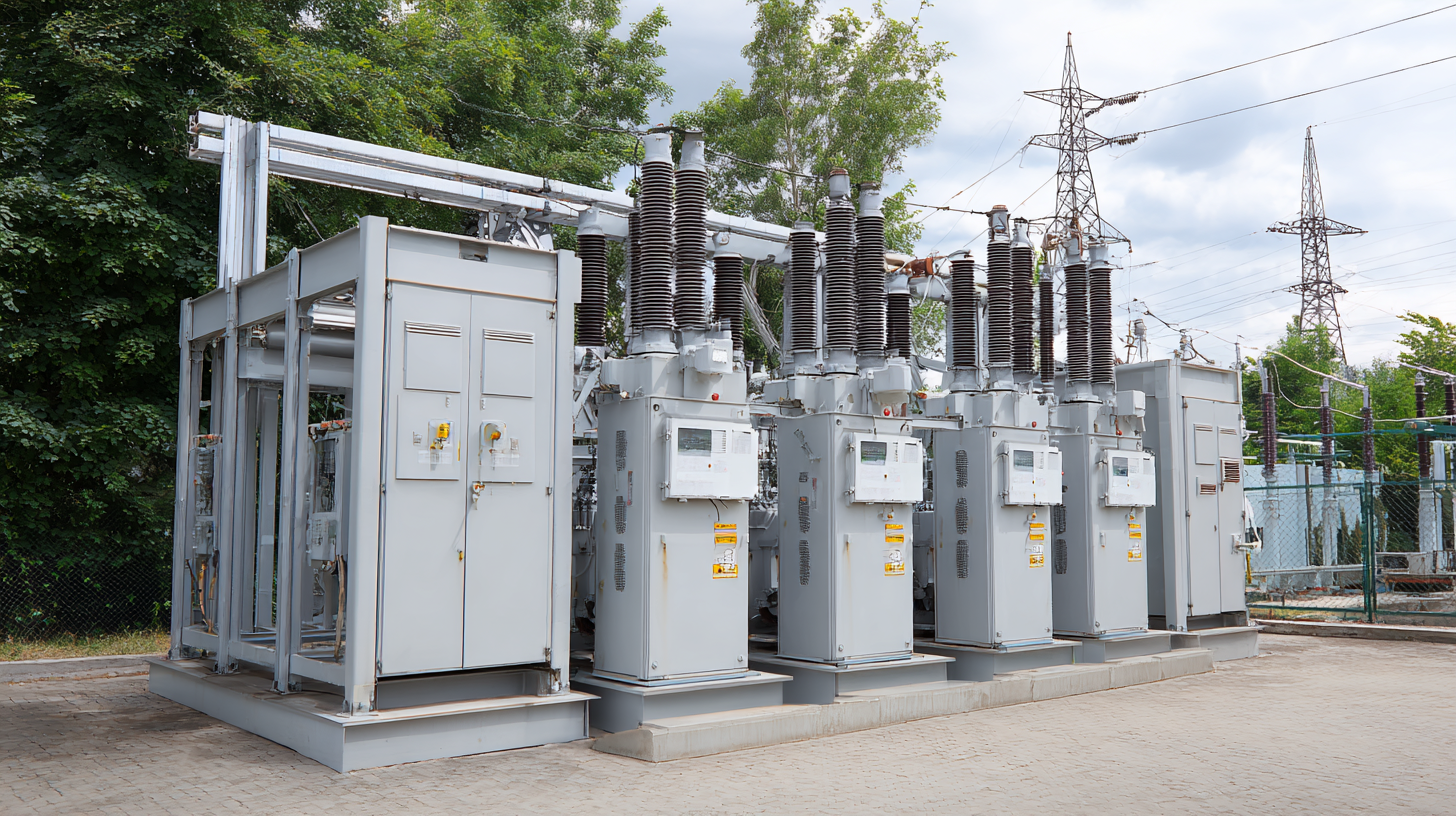 High voltage oil-immersed transformers, or HVOTs for short, are pretty much the backbone when it comes to integrating renewable energy sources into our power grid. They do a great job of managing and converting electricity from things like wind and solar farms. As these renewable options are popping up more frequently and contributing more to our overall energy supply, having reliable systems to transmit and distribute that power is more important than ever. HVOTs are built to handle really high voltages, keeping things stable and dependable, which makes them essential for linking these green energy setups to the main grid.
But it’s not just about their efficiency. These transformers also do a crucial job of transforming voltages, especially for sending electricity over long distances with minimal loss—something that’s a big deal for remote renewable sites. Plus, their oil-filled design means they stay cool even when the loads fluctuate a lot, which is pretty common with renewable energy sources. As we move towards a more sustainable future, HVOTs are definitely going to play a key role in making sure clean energy reaches everyone reliably. Basically, they're a vital piece in the puzzle of building a greener, more reliable energy system.
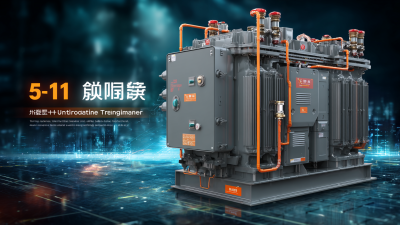
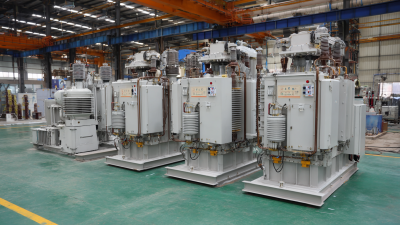
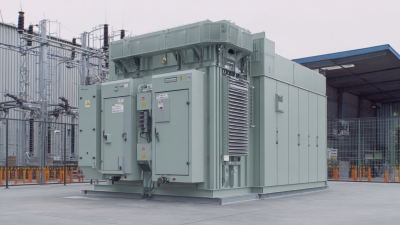
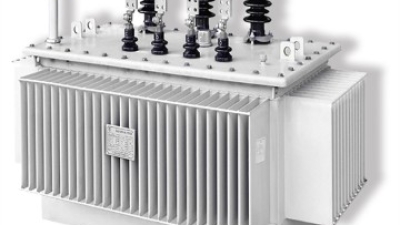
High-efficiency 220kVA oil transformers play a crucial role in ensuring optimal performance and reliability for heavy-duty applications across various sectors, including industrial, commercial, and infrastructure settings. These transformers are designed to meet the rigorous demands of today’s power distribution requirements while maintaining exceptional efficiency levels. Utilizing mineral oil or eco-friendly insulating oil for cooling, these units provide stable voltage conversion—from high voltages such as 10kV down to 0.4kV—ensuring seamless energy flow and performance stability.
Constructed with robust materials and advanced technology, the 220kVA oil-immersed transformer offers a long service life and low maintenance, making it an ideal choice for facilities that require continuous and reliable power supply. Its engineering allows for adaptability in harsh environments, providing resilience against temperature fluctuations and other challenging conditions. This transformer not only optimizes operational efficiency but also supports sustainable energy management practices, making it a preferred solution for businesses that prioritize both performance and environmental responsibility in their power distribution systems.
: HVOTs are pivotal in enhancing the efficiency of power transmission, particularly in integrating renewable energy sources and minimizing energy losses during transmission.
HVOTs can reduce energy losses during transmission by up to 50% compared to older models, achieving efficiency levels above 99%.
Load capacity is crucial for transformer efficiency as it ensures reliable delivery of renewable energy, particularly during peak usage periods when energy demand is high.
According to the International Energy Agency, losses in transformers can account for up to 3% of total energy loss in electrical systems.
By improving efficiency and minimizing energy losses, HVOTs help reduce overall greenhouse gas emissions and facilitate the seamless integration of renewable energy into the grid.
Future trends include the development of solid-state transformers, improvements in performance and flexibility, and the incorporation of AI and automation technologies for enhanced monitoring and control.
High voltage transformers play a critical role in enhancing efficiency and reliability, allowing for effective energy transmission from renewable sources and supporting rising energy demands.
Innovations such as AI and automation in transformers facilitate better management of electricity flows, reducing losses and improving overall grid resilience.
HVOTs are essential components in the shift towards sustainable energy systems by enhancing energy efficiency and supporting the integration of renewable energy into existing power grids.
HVOTs can manage higher capacities without compromising performance, making them suitable for handling the variable loads typical of renewable energy generation.
Hey, did you read that article called "Unlocking Efficiency: The Role of High Voltage Oil Immersed Transformers in Renewable Energy Integration"? It really dives into how these transformers are such a big deal in today’s renewable energy setups. Basically, high voltage oil-immersed transformers are crucial if you want your wind and solar projects to run smoothly and efficiently. They help cut down on energy losses and handle load better, which totally affects how well the whole system works. The article also points out some key numbers and metrics, showing how these transformers can make a real difference in operational efficiency.
Plus, there are some interesting case studies featuring real-world examples of these transformers doing their thing in renewable energy projects. Looking ahead, the piece touches on upcoming trends and new tech innovations in transformer design. Companies like JZPE Power Transformer (Jiangsu) Co., Ltd. are really pushing the envelope, using advanced designs and strict quality checks to come up with smart solutions for today’s changing energy needs. All in all, it really highlights just how important these transformers are for building a cleaner, more sustainable energy future.