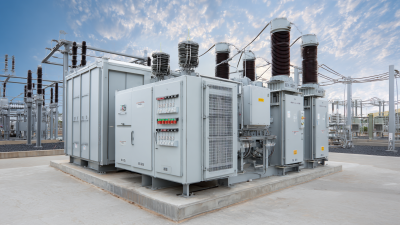
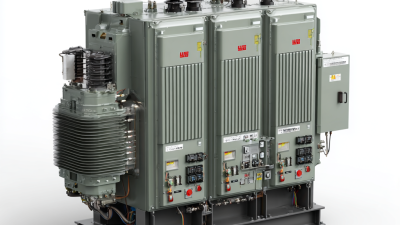
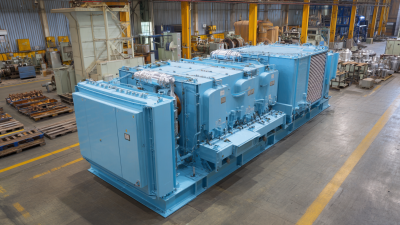
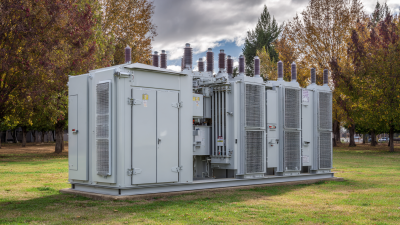
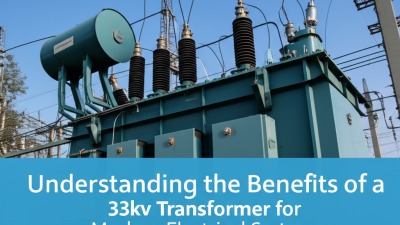
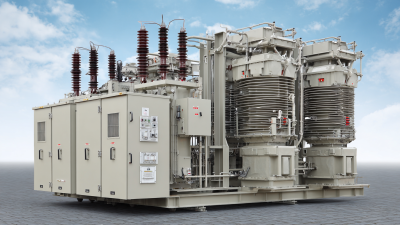
In today’s super busy and energy-hungry world, making sure our power systems run smoothly and efficiently is more important than ever—whether you're in industry or running a business. That’s where a 125kva Transformer really comes in; it’s a key piece of the puzzle when it comes to managing energy smartly. These transformers are versatile, supporting everything from factory operations to green energy setups. Interestingly, a recent report from the International Energy Agency points out that the global need for better, more efficient power solutions is set to jump by about 30% over the next decade. That just goes to show how vital it is to have transformers that can handle bigger loads and keep systems running reliably. Companies like JZPE Power Transformer in Jiangsu, along with Jezou Power, have been leading the charge since 1989. They use innovative designs and strict quality checks to meet the rising demands, positioning themselves as some of the key players shaping the future of transformer tech.
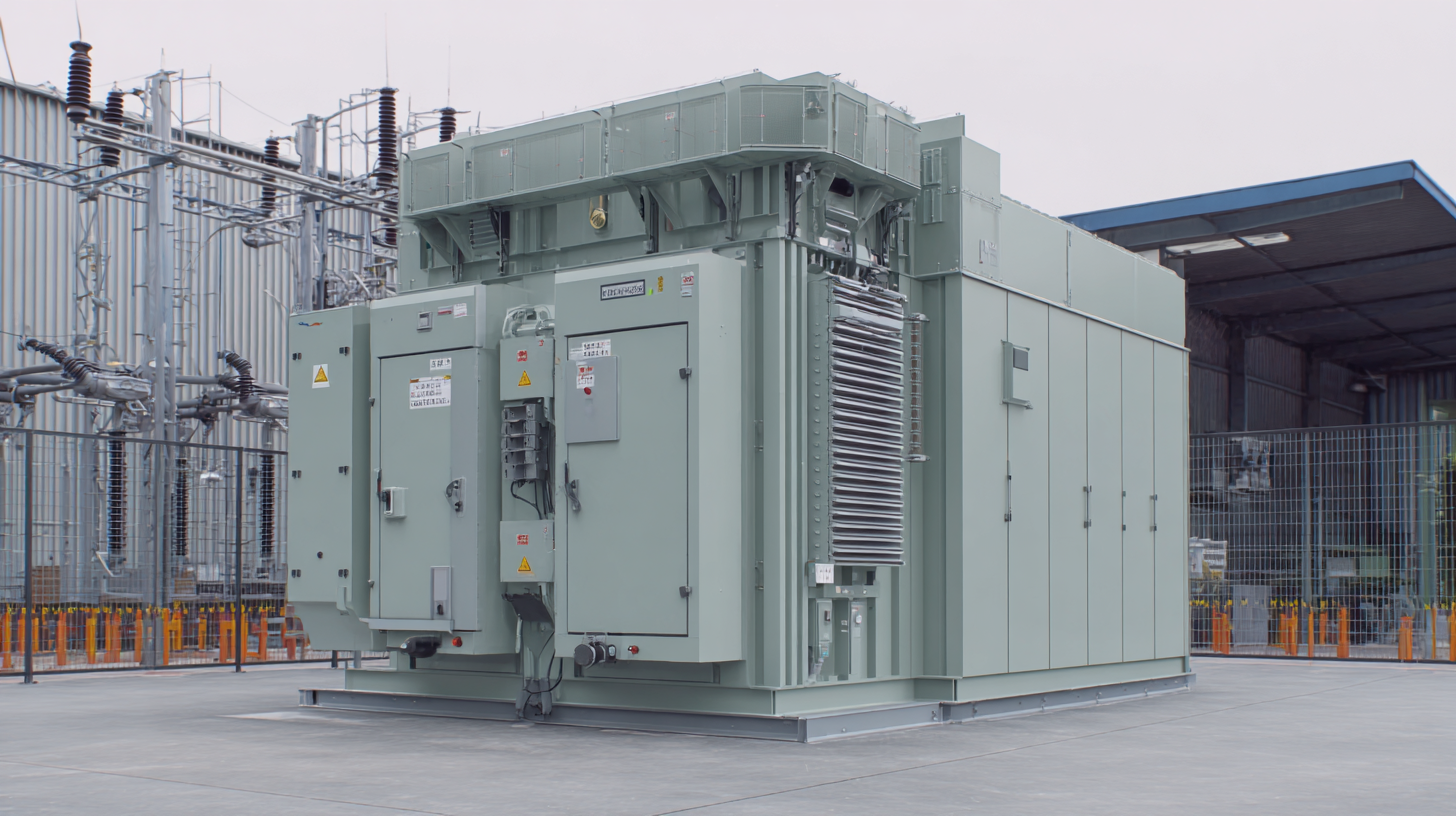
Types of 125kVA Transformers and Their Applications in Modern Power Systems
In today’s power systems, 125kVA transformers are pretty essential because of how versatile and efficient they are. You’ll find them coming in different types—like dry-type, oil-immersed, and shielded transformers—each suited for specific needs. For example, dry-type transformers tend to be your go-to for indoor setups, especially when safety and saving space are big concerns. On the other hand, Oil-Immersed Transformers are often found in substations and big industrial sites—they’re more efficient and better at cooling, which is a plus in those environments. Industry reports suggest that the demand for these 125kVA units is set to rise quite a bit, mainly thanks to new infrastructure projects and the increasing push toward renewable energy sources.
When you're choosing the right 125kVA transformer, it’s important to think about where and how you’re gonna use it, along with environmental factors. Oh, and here’s a quick tip: **Tip 1:** Always check the climate of your installation site. It really impacts what type of transformer makes sense. **Tip 2:** Keep an eye on the available space—dry-type models don’t need as much room, but they might not handle larger capacity needs as well as oil-immersed ones do. Also, working with a reputable manufacturer like JZPE POWER TRANSFORMER (JIANGSU) CO., LTD., known for their innovative designs and strict quality standards, can really help ensure your power setup runs smoothly and efficiently.
Understanding the Differences: Dry-Type vs. Liquid-Filled Transformers
So, when it comes to choosing between dry-type and liquid-filled transformers, it’s a pretty important decision—each has its own perks and fits different needs. Dry-type transformers, like the cool new RESIBLOC model, are pretty popular these days because they’re safer, more environmentally friendly, and require less maintenance. They’re a great pick for indoor setups or places where fire safety is a big deal. That’s why you see them often in city buildings and industrial sites. Thanks to tech advancements, these dry-type transformers just keep getting better—more reliable and efficient to keep up with today’s growing power demands.
On the flip side, liquid-filled transformers are known for their high efficiency and big capacity, especially when talking about large-scale stuff. Take Europe’s oil-filled Distribution Transformer market—it's booming, which shows there's still a huge need for solid, reliable power solutions across different industries. These transformers use special oils that help with cooling and insulation, making them perfect for handling heavy loads without breaking a sweat. As the market keeps evolving, understanding the pros and cons of both types becomes really important for companies looking to make smart choices with their power systems and stay sustainable in how they use energy.
Factors Influencing the Selection of 125kVA Transformers for Various Industries
When it comes to choosing 125kVA transformers, there are quite a few key factors that play into the decision—and these can really differ depending on the industry. As demand for electricity keeps climbing—especially with the U.S. power grid struggling to keep up—utilities are feeling the pressure to find solutions that are both efficient and reliable. Right now, we're also facing a pretty tough transformer shortage, and on top of that, things like tariffs are making supply chain issues even messier. For industries that rely on steady power, like tech and renewable energy sectors, thinking about a transformer’s dependability and capacity isn’t just a detail—it’s a must when they're making buying choices.
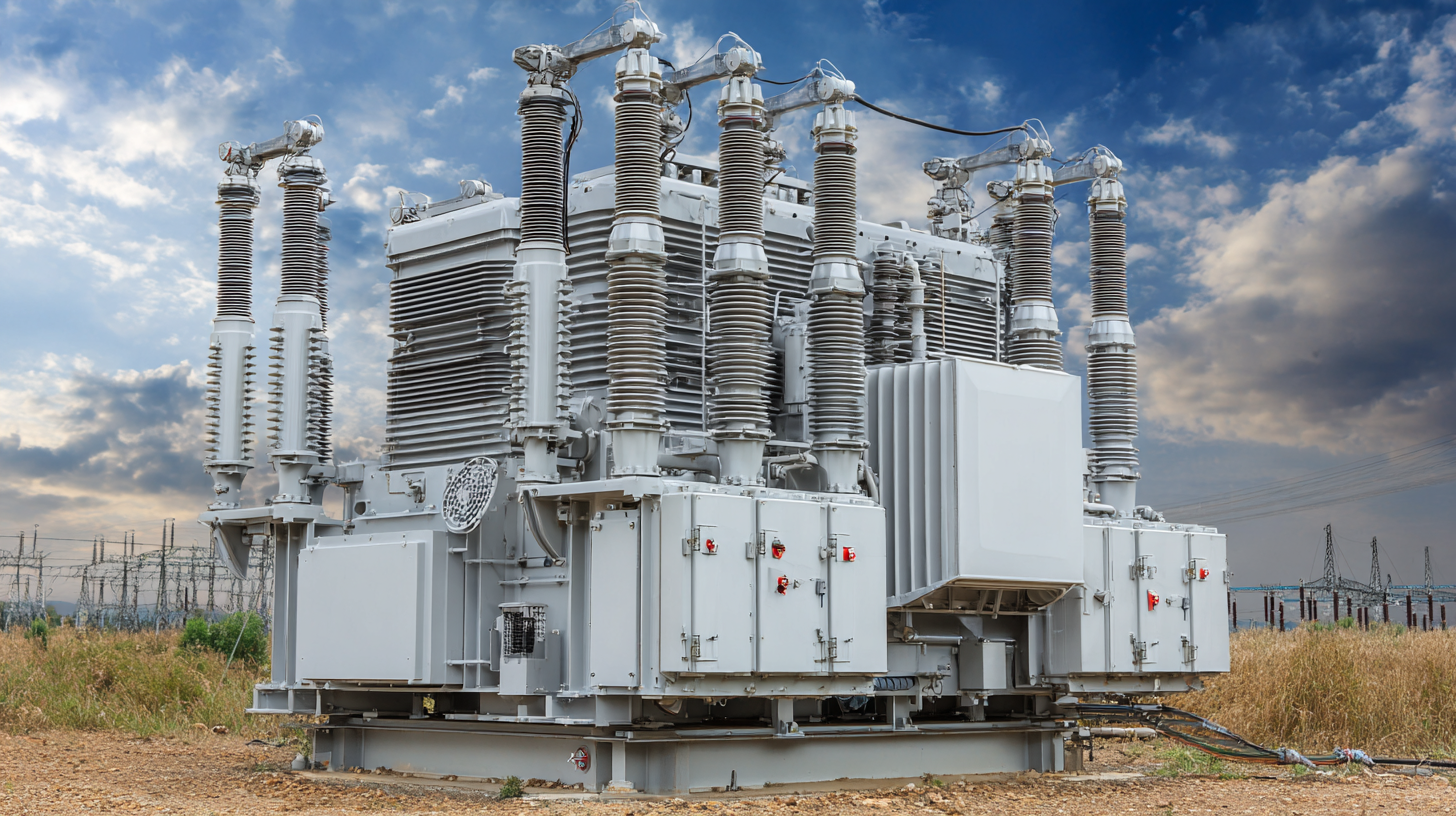
On top of all that, new tech like smart grids is shaking things up in the transformer market. As companies push to upgrade their electrical systems, having advanced, smart transformer systems becomes more important than ever for keeping things running smoothly and being able to grow. The ongoing push for smart grids and fixing older electrical setups are really fueling the demand for 125kVA transformers. So, it’s more important than ever for businesses to keep up with the latest tech trends and navigate the ups and downs of the global market to make sure their power solutions are up to the task.
Key Features and Specifications of 125kVA Transformers for Optimal Efficiency
Thinking about a 125kVA transformer? Well, there are a few key features and specs you definitely want to keep an eye on to make sure you’re getting the most out of it for today’s power needs. First off, the efficiency rating is a big deal — most of these transformers fall somewhere between 95% and 98%. That might not sound like a huge difference, but even a small bump up in efficiency can really cut down on energy waste, which is great for your electric bill and good for the planet too. In addition, cooling methods matter a lot — whether it’s oil or air cooling — because they help the transformer run smoothly and last longer. This means it can handle different environments, whether it’s a busy office building or a heavy-duty industrial site.
Another thing to keep in mind is the impedance level. That’s basically how well the transformer can handle short circuits without getting damaged. Usually, for a 125kVA transformer, the impedance sits between 4% and 6%. And of course, you want to make sure the primary and secondary voltage ratings match what your setup needs, so everything runs seamlessly without hiccups. All these little details add up and really determine how well the transformer performs — making a 125kVA unit a pretty solid choice for making sure your energy use is efficient and your power needs are met, no fuss.
Efficiency Comparison of 125kVA Transformers
Installation Considerations and Best Practices for 125kVA Transformers
Thinking about installing a 125kVA transformer? Well, there are a few important things to keep in mind to make sure it runs smoothly and lasts a long time. First off, choosing the right spot for installation is super important. You want a place that's well-ventilated, away from any dampness or hazards that could mess with its performance. Also, making sure it’s properly aligned with your power needs is key—to avoid overloads and to keep it working within its designed limits.
At JEZOU POWER, we get that a solid installation is essential for your power systems to perform reliably. With over 30 years in the game, our team of experienced designers and installers takes pride in sticking to top-notch quality control throughout the whole process. From picking the right materials to following the latest installation best practices, we make sure our 125kVA transformers deliver dependable performance that matches today’s power demands—built with cutting-edge tech and smart design stuff in mind.
Unlocking Efficiency: The Ultimate Guide to 125kVA Transformers for Modern Power Needs
| Parameter | Value | Unit | Notes |
| Rated Power | 125 | kVA | Standard rating for small to medium power applications. |
| Input Voltage | 415 | V | Typical input for industrial transformers. |
| Output Voltage | 230/400 | V | Common output voltages for distribution. |
| Efficiency | 95 | % | High efficiency minimizes energy loss. |
| Weight | 800 | kg | Weight may vary based on design and materials. |
| Cooling Method | Oil-Immersed | - | Improves thermal performance and longevity. |
| Installation Type | Indoor/Outdoor | - | Can be installed in various environments. |
Maintenance and Troubleshooting Tips for Ensuring Transformer Longevity
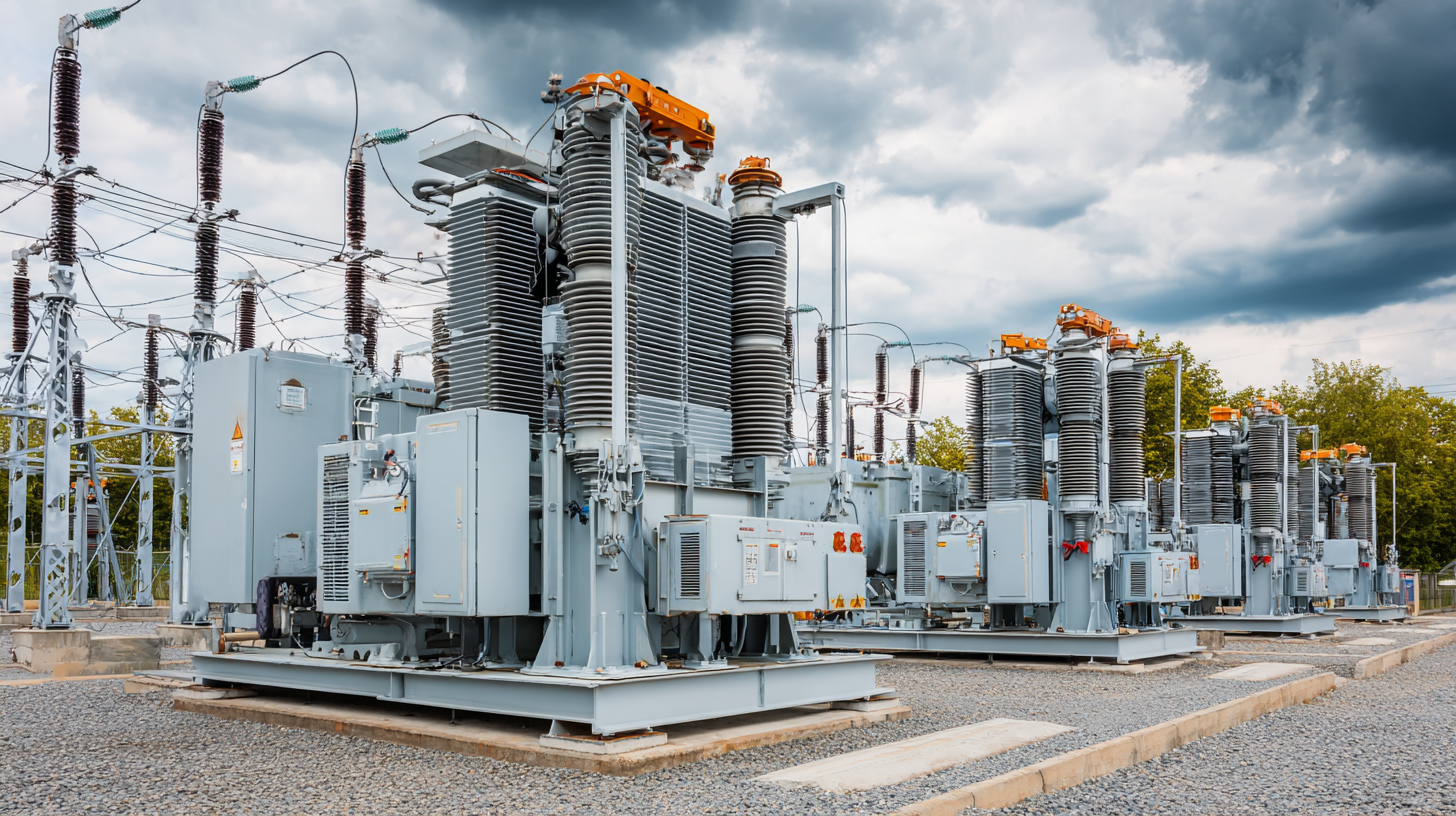 Keeping 125kVA transformers well-maintained is super important if you want them to last and keep working reliably, especially with the way modern power systems are constantly evolving. I mean, a report from the Department of Energy pointed out that neglecting proper maintenance could cut down a transformer’s lifespan by up to 30%. Yikes, right? Doing regular check-ups—things like inspecting connections, tightening bolts, and giving the insulation a good cleaning—can really go a long way in preventing issues before they become big problems. And don’t forget about thermographic inspections; they’re great for spotting hotspots that might cause serious failures if you ignore them.
On top of that, setting up routine oil analysis can really give you a sneak peek into the transformer’s health. The IEEE mentions that dissolved gas analysis (DGA) is especially useful because it can detect early signs of electrical trouble—like overheating or internal arcing—by looking at the gases released inside. Being proactive like this not only saves you money on repairs but also keeps things safe and minimizes downtime. So, if you're following these maintenance tips and troubleshooting tricks, you'll be doing your part to keep those 125kVA transformers running smoothly for a long time.
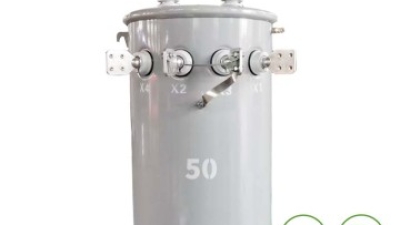
Comprehensive Guide to Selecting and Installing a Single Phase Pole Mounted Transformer—50kVA for Optimal Efficiency
When selecting and installing a single-phase pole-mounted transformer, particularly a 50kVA unit, one must prioritize optimal efficiency tailored to specific application needs. Various primary voltage ratings, such as 13.8 kV, 12.47 kV, and 24.94 kV, cater to a diverse range of distribution environments and utility requirements. The versatility of secondary voltage ratings including 120/240V, 240/480V, and 347/600Y makes these transformers suitable for both residential and commercial applications, giving users the ability to integrate them seamlessly into existing electrical infrastructures.
In terms of performance, the H.V. tap range of 2280-36225V allows for flexibility in system configurations, accommodating fluctuating load demands while maintaining efficiency. Moreover, the recommended connection types, Ii0 and Ii6, offer options for various installation settings. According to industry data, adhering to standards set by organizations such as IEEE, ANSI, and CSA significantly enhances transformer reliability and safety, ensuring robust operation even in demanding conditions. Additionally, the BIL ratings ranging from 30 to 150 kV provide confidence in the transformer's ability to withstand transient voltage events, a critical factor for utility applications.
Efficient transformer selection is not solely about the technical specifications; it also involves understanding the specific requirements of the application, including installation conditions and regulatory compliance. Reports suggest that choosing the right transformer can lead to significant energy savings, underscoring the importance of evaluating transformers based on both performance data and operational criteria. By keeping these factors in mind, stakeholders can optimize their energy distribution systems effectively.
FAQS
: Dry-type transformers offer enhanced safety, environmental friendliness, and reduced maintenance requirements, making them ideal for indoor installations and areas at risk for fire hazards.
Liquid-filled transformers are preferred in large-scale applications due to their high efficiency and capacity, particularly in sectors that require reliable power solutions.
Key factors include the increasing demand for electric power, the reliability and capacity needs of industries, the current transformer shortage, and the integration of smart grid technologies.
Improper maintenance can reduce the lifespan of transformers by as much as 30%, highlighting the importance of effective maintenance practices.
Recommended practices include regular inspections, checking connections, tightening bolts, cleaning insulation materials, and conducting thermographic inspections.
Implementing a routine oil analysis program can provide vital insights into the transformer's condition, detecting electrical disturbances and signs of overheating early on.
The integration of smart grid technologies is important as it modernizes electrical infrastructure, ensuring efficiency and scalability to meet increasing power demands.
Challenges include global supply chain issues and tariffs that exacerbate the current transformer shortage, affecting various industries' ability to secure reliable power solutions.
Thermographic inspections identify hotspots that may lead to failures if left unchecked, allowing for proactive maintenance to enhance transformer reliability.
DGA detects early electrical disturbances by analyzing gases in the transformer's oil, indicating potential issues such as overheating or internal arcing, which helps prevent catastrophic failures.
Conclusion
Hey there! So, I came across this article called "Unlocking Efficiency: The Ultimate Guide to 125kVA Transformers for Modern Power Needs," and I gotta say, it does a pretty solid job explaining everything about these transformers. It walks you through the different types out there—dry-type versus liquid-filled—and helps industries figure out what’s best for their specific needs. They also highlight the main features and specs, showing how to get the most efficiency out of them. Plus, the guide gives some handy tips on installation and maintenance, making sure these crucial components last longer and work smoothly.
Now, about JZPE POWER TRANSFORMER (JIANGSU) CO., LTD.—they’re pretty well-known in the power world. Since starting back in 1989, they’ve been all about pushing the envelope with design and quality control. They really get how important a 125kVA transformer can be in keeping modern power systems running without a hitch, and they’re there to support industries every step of the way.

 +86 18068001229
  Contact Phone
 Contact Email