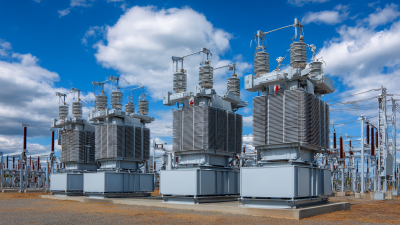
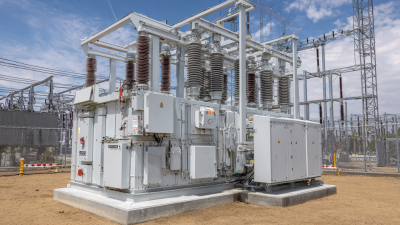
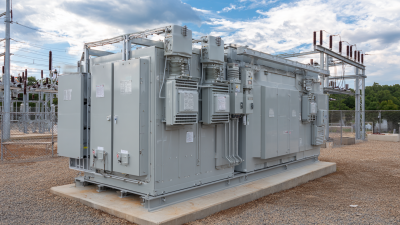
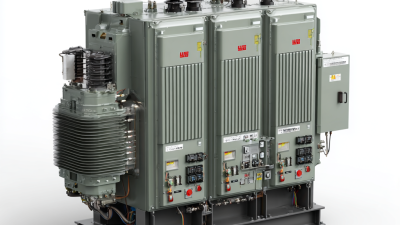
As industries keep pushing for better and more efficient Power Distribution, you really can’t ignore the importance of the315kva Transformer. It’s a key part of so many different setups, from busy commercial buildings to heavy industrial sites, helping keep things running smoothly with reliable energy. I read somewhere that the global transformer market is booming — it’s forecasted to jump from around $47 billion in 2021 to over $61 billion by 2026, so the demand for models like this 315kVA is definitely on the rise. Recognized for its solid design and dependable performance, the 315kVA Transformer is absolutely essential in today’s electrical systems. Here at JZPE POWER TRANSFORMER (JIANGSU) CO., LTD., JEZOU POWER — we’ve been at this since 1989 — we focus on designing and making top-notch power solutions. That includes this very transformer, crafted with cutting-edge processes and strict quality checks, because we want our clients to get the best in terms of reliable and efficient power systems.
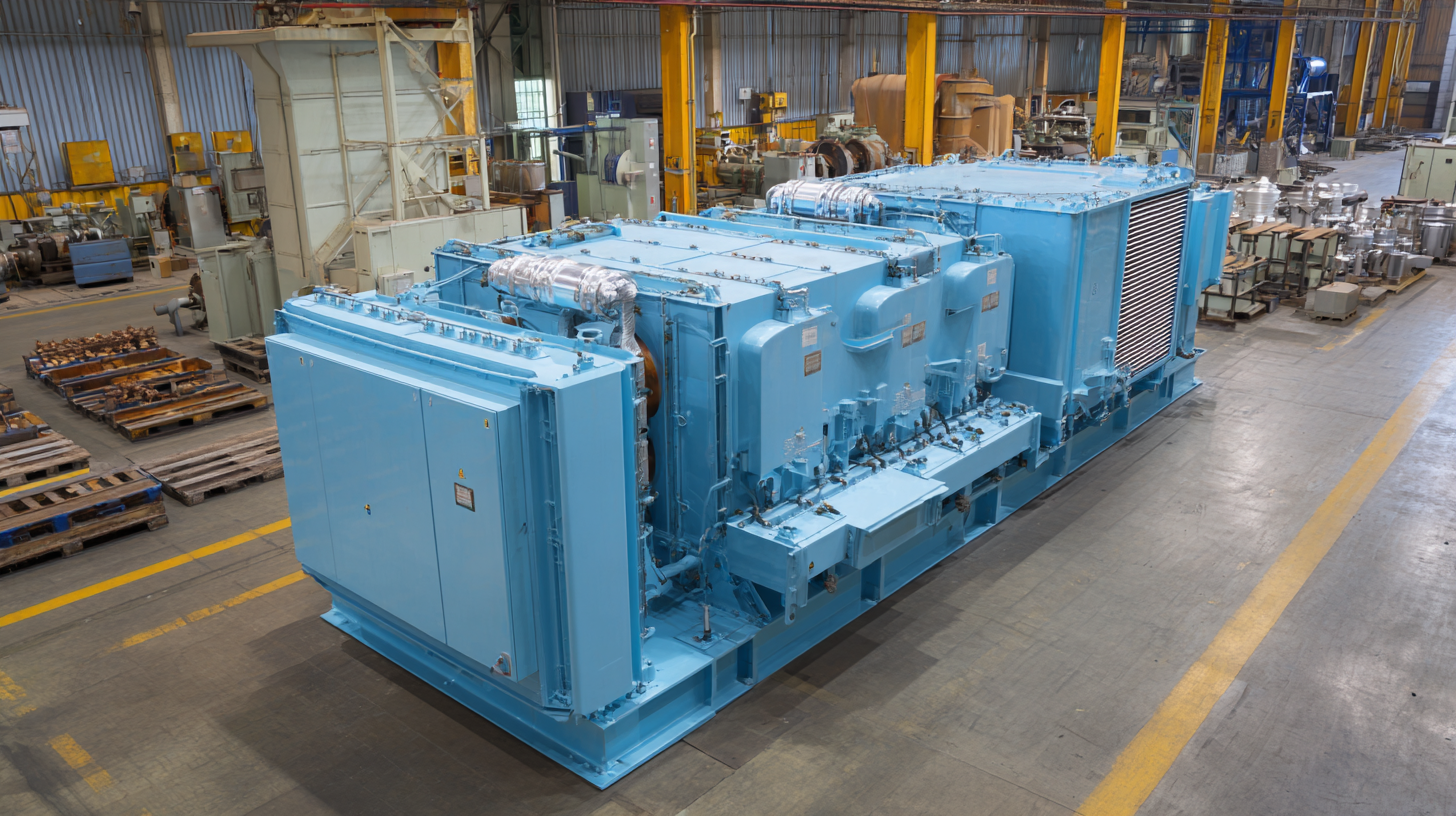
Key Specifications of 315kVA Transformers You Should Know
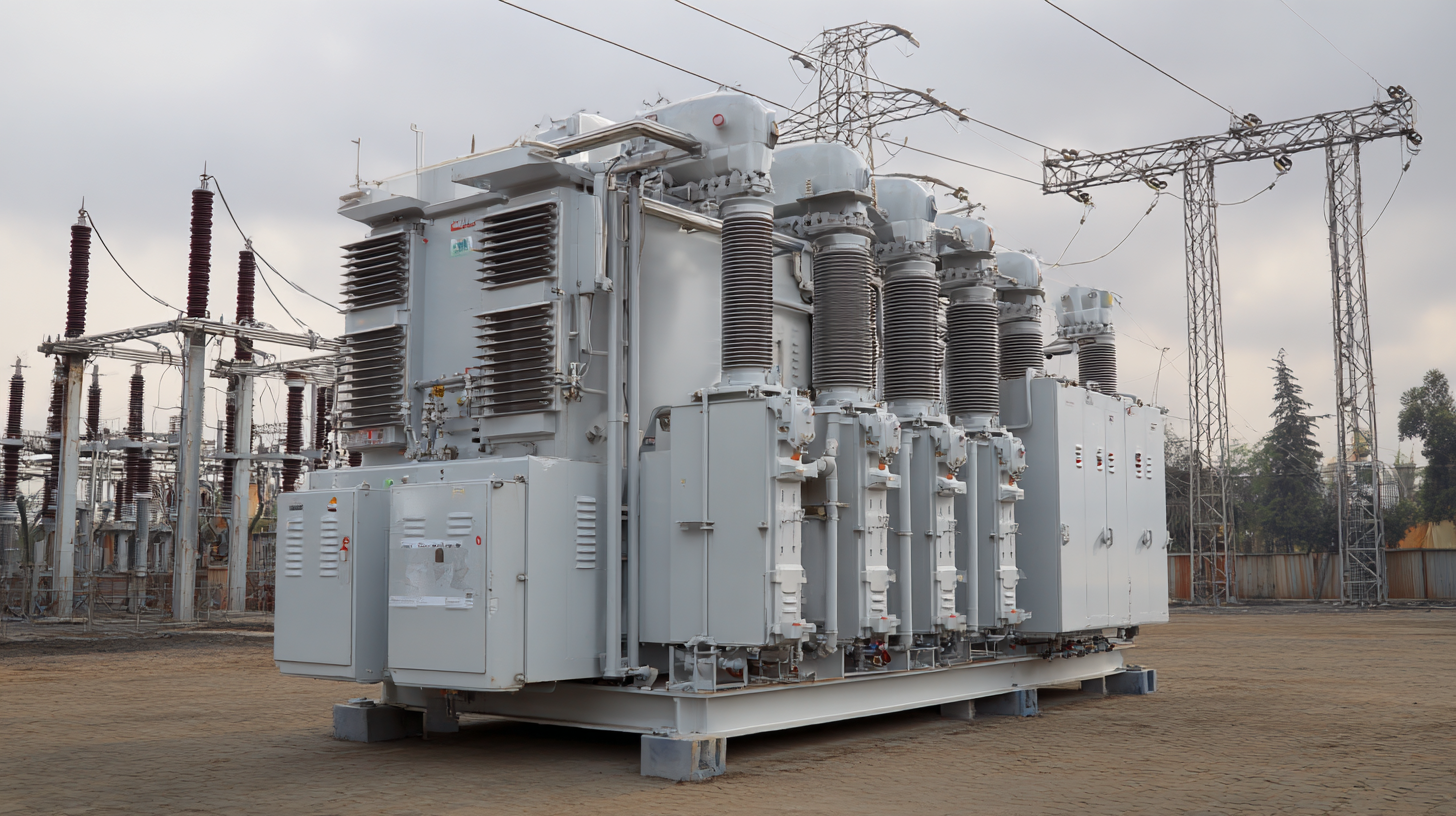 When you're looking at a 315kVA transformer, understanding its main specs is pretty important to make sure it fits well across different industries. Usually, these transformers are built to handle voltages up to around 11 kV, which makes them pretty reliable for mid-level voltage distribution. One thing folks always look at is the Efficiency Rating—most of the time, it's over 98%. That might not sound like a big deal, but it really matters because higher efficiency means lower operating costs and less energy lost along the way. In fact, some industry reports suggest that using transformers with better efficiency ratings can actually cut energy bills by up to 10% every year—pretty sweet, right?
Quick tip: Make sure to keep up with regular maintenance. Checking connections and insulation now and then can help find potential issues early on, so you avoid energy waste and keep things running smoothly for longer.
Another thing to keep in mind is how well the transformer manages heat. These units are designed to handle ambient temperatures up to 40°C and can even tolerate some overload without breaking a sweat. That’s really handy when you're in tougher environments. Just a heads up though—proper sizing and proper installation are key here. If you get it wrong, overheating can become a real problem, leading to costly repairs or, worse, safety hazards.
Pro tip: Always get advice from a professional when it comes to choosing the right size for your transformer. Sizing it correctly makes a huge difference in how reliable and efficient it will be in the long run.
Benefits of Using 315kVA Transformers in Various Industries
So, using 315kVA transformers really brings a lot of advantages across different industries, especially as our smart grids get smarter. These little powerhouses are key for improving energy efficiency, cutting down operational costs, and making sure the electricity gets distributed reliably. In industries where demand shoots up and down, having a 315kVA transformer can really help balance things out during those busy peak times. It’s becoming pretty important as companies try to use less energy without sacrificing their production.
In the world of smart grids, these transformers are a big part of building a more sustainable energy future. Thanks to new tech, they let us keep a close eye on energy use, making billing more accurate and wasting less power. Moving towards smart transformers isn’t just about saving money; it’s also about strengthening our energy systems to be more resilient and dependable. And honestly, this kind of innovation sets the stage for even cooler advancements down the line in how we manage energy.
Common Applications for 315kVA Transformers in Power Distribution
The 315kVA transformer is pretty much the backbone of power distribution these days. It plays a key role in both commercial and industrial setups. Usually, what it does is step down the high voltage coming from transmission lines to a level that’s easier and safer to work with locally. If you've ever been in a city, you might notice these transformers supporting office buildings, malls, or factories—places where a steady, reliable energy supply really makes all the difference. According to the International Energy Agency, the need for these kinds of transformers in city power networks is growing—by about 4% every year! That just goes to show how crucial models like the 315kVA are in powering up our busy urban areas.
Now, if you're thinking about installing one, it’s worth paying attention to their efficiency. These transformers can run at up to 98% efficiency, which means they’re pretty good at minimizing energy loss during transit. Plus, they’re built to handle peak loads common in commercial environments, so they’ve got your back whenever demand gets tight.
**Heads up:** When choosing a transformer, it’s smart to think about your current load needs as well as any potential growth down the road. Planning ahead like this makes sure you won’t need to replace it too soon. Also, don’t forget regular check-ups—annual inspections can spot issues early and help keep your transformer running smoothly for years to come.
Understanding the 315kVA Transformer: Key Features and Applications Explained
Maintenance Tips to Ensure Longevity of Your 315kVA Transformer
If you want your 315kVA transformer to last as long as possible, regular upkeep is pretty much a must. One of the most important things you can do is to casually check it over – look for any signs of wear or damage, especially around the insulation and the connections. Keeping it clean, free of dust and debris, really helps prevent overheating and other pesky issues. Trust me, a little tidy-up goes a long way.
On top of that, regularly monitoring the temperature and oil levels is super important. If it gets too hot, it can really cut down on how long your transformer stays in good shape. Using thermal cameras or thermographic checks to spot any unusual heat spots can save you a headache later on. Also, making sure the oil is topped up and clean keeps the machine running smoothly and efficiently over time.
And don’t forget about testing the electrical parts and protection systems every now and then. Double-check that relays and circuit breakers are working properly — that’s your safeguard against overloads or faults. Setting up a proper maintenance routine isn’t just about keeping things running smoothly; it also helps avoid unexpected breakdowns, which can save you both time and money in the long run.
Comparative Analysis: 315kVA vs. Other Transformer Sizes
When you compare the 315kVA transformer to other sizes, it’s pretty important to keep in mind what makes it stand out. This transformer is known for being reliable in industrial settings, handling pretty hefty loads without breaking a sweat, all while staying efficient. Plus, thanks to its relatively compact size, it’s flexible enough to fit into a bunch of different spots—whether that’s a big commercial building or a busy factory. No wonder it’s such a popular choice!
Lately, there’s been quite a bit of talk about how we model transformers, especially when it comes to studying transient recovery voltage (TRV). In those cases, knowing the differences in transformer sizes really matters. For example, the modeling approach you use on a 315kVA transformer can really change what you predict during faults—those moments when stuff gets a bit chaotic. By comparing how different sizes react, we get a better idea of how our models perform under transient conditions, which helps us design more reliable transformers and improve overall grid stability. All in all, picking the right size really does make a difference for performance and fault management down the line.
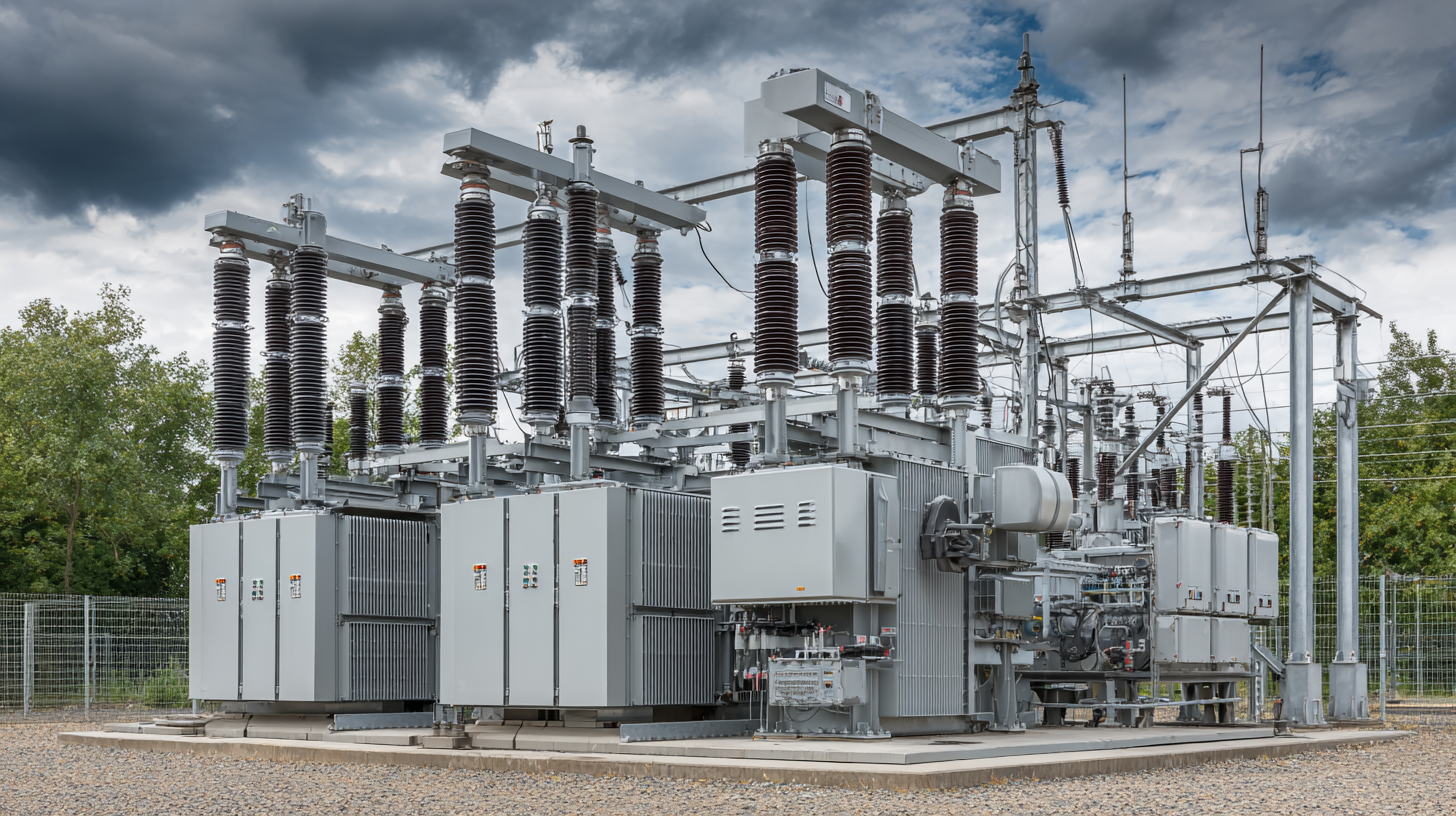
Safety Considerations When Working with 315kVA Transformers
When you're working with a 315kVA transformer, safety really needs to be your top priority—especially nowadays, considering the recent blackouts at Kenyatta University. Those outages caused pretty big disruptions and even led to protests, reminding us just how vital it is to keep power systems reliable. Making sure transformers are operated safely isn't just about avoiding accidents; it’s also about keeping the lights on for homes and institutions alike.
One of the key things you should never skip is doing regular inspections. Check the transformer and all its parts—look out for signs of wear or damage, make sure the cooling systems are working properly, and verify there aren’t any oil leaks if you’re dealing with oil-filled transformers. A bit of routine maintenance might seem simple, but it really helps improve performance and cuts down on the chances of accidents happening.
And don’t forget about the people working around these things. Proper training is a big deal—everyone who handles or operates the transformers should know emergency procedures, how to handle equipment safely, and why wearing protective gear is so important. When companies like JZPE Power Transformer (Jiangsu) Co., Ltd. put safety first, they’re not just protecting their staff—they’re making sure communities get a steady, reliable power supply every day.
Understanding the 315kVA Transformer: Key Features and Applications Explained
| Feature | Description | Applications | Safety Considerations |
| Power Rating | 315 kVA | Industrial applications, commercial buildings | Ensure proper grounding, use insulated tools |
| Voltage Levels | Typically 400V or 230V | Power distribution networks | Verify voltage ratings before installation |
| Cooling Method | Oil-cooled or air-cooled | Data centers, manufacturing plants | Monitor temperature levels, inspect cooling systems |
| Efficiency | Typically above 95% | Renewable energy systems | Check for load losses and harmonics |
| Protection Features | Overcurrent, overload, short-circuit protection | Utilities, commercial installations | Regularly test protection systems |
FAQS
The efficiency rating of 315kVA transformers is often above 98%, which reduces operational costs and minimizes energy loss.
Using transformers with better efficiency ratings can lower energy costs by up to 10% annually.
Regular inspections of the transformer’s physical condition, particularly in the insulation and connections, are crucial for maintenance.
Proper thermal management allows these transformers to handle ambient temperatures of up to 40°C, crucial for avoiding overheating issues in harsh environments.
Monitoring temperature and oil levels, along with conducting thermographic inspections for abnormal temperature variations, is essential for preserving transformer functionality.
Regular inspections of transformers and training personnel on emergency protocols and proper handling techniques are vital for ensuring safety.
Incorrect sizing can impact both the efficiency and reliability of the transformer in operation, making professional consultation for sizing important.
Implementing a detailed maintenance schedule enhances the reliability of the transformer and minimizes the risk of unexpected downtime, saving time and resources.
Personnel should be trained on emergency protocols, proper handling techniques, and the importance of personal protective equipment to ensure safe operations.
Conclusion
The 315kVA transformer is honestly a pretty essential part of any power setup. It packs some important specs that make it a great fit for a bunch of industrial uses. People really appreciate its efficiency and reliability — it's like having a dependable workhorse that helps keep energy flowing smoothly across industries like manufacturing, construction, and commercial spaces. Knowing what makes it good and where it’s typically used can really help companies fine-tune their power systems, so they can handle their operations while also keeping safety in check.
Taking care of it is super important if you want it to last. Regular check-ups and following best practices can make all the difference. When you compare it to other transformer sizes, you quickly see how versatile and efficient the 315kVA model really is. At JZPE POWER TRANSFORMER (JIANGSU) CO., LTD., we use cutting-edge design principles and rigorous quality controls to produce high-quality transformers. That means our clients around the world get reliable, solid power solutions — every time.

 +86 18068001229
  Contact Phone
 Contact Email