+86 18068001229 


In today’s constantly changing world of Power Distribution, choosing the rightPad Mounted Transformer isn’t just a technical decision—it’s pretty much crucial for getting the best possible performance and efficiency. Did you know that industry projections say the global transformer market’s gonna hit around $83.9 billion by 2027? That’s mainly thanks to the growing need for reliable power and all the new tech happening in this space. As a top player in the game, JZPE POWER TRANSFORMER (JIANGSU) CO., LTD.—better known as JEZOU POWER—has been rocking this industry since 1989, so we’ve got over 30 years of experience under our belt. We put a big focus on innovative design and world-class quality control at our huge 200,000-square-meter facility, all to make sure we're offering power solutions that really perform. In this blog, I’ll walk you through five key tips for picking out your Pad Mounted Transformer—stuff that'll help you make smarter choices and ensure your power system runs smoothly and reliably.
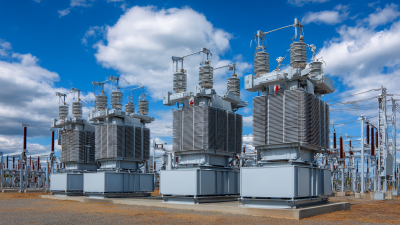
When you're thinking about getting the best performance out of your pad-mounted transformers, it’s super important to really understand what your power needs are. The energy scene these days? It’s quite the rollercoaster — rising demand everywhere and all the fuss about climate change. Power plants produce electricity, which then travels through vast transmission lines, and utilities are feeling the pressure to get more green energy into the mix. Knowing exactly what you need helps you pick a transformer that can handle the load now and in the future, without breaking a sweat.
Some key things to keep in mind are load capacity, voltage specs, and environmental conditions where the transformer will sit. Taking a good, honest look at these factors makes sure your transformer runs smoothly no matter what comes its way. Plus, with tech like battery energy storage becoming more common, having a flexible power setup really gives you a leg up. Companies like JEZOU POWER are all about using these new insights, incorporating modern design tricks and tough quality standards to deliver solutions that aren’t just up to today’s standards but are also ready for tomorrow’s renewable energy wave. This kind of approach helps customers stay ahead of the game in this changing energy world, making sure their power stays reliable and sustainable — now and down the road.
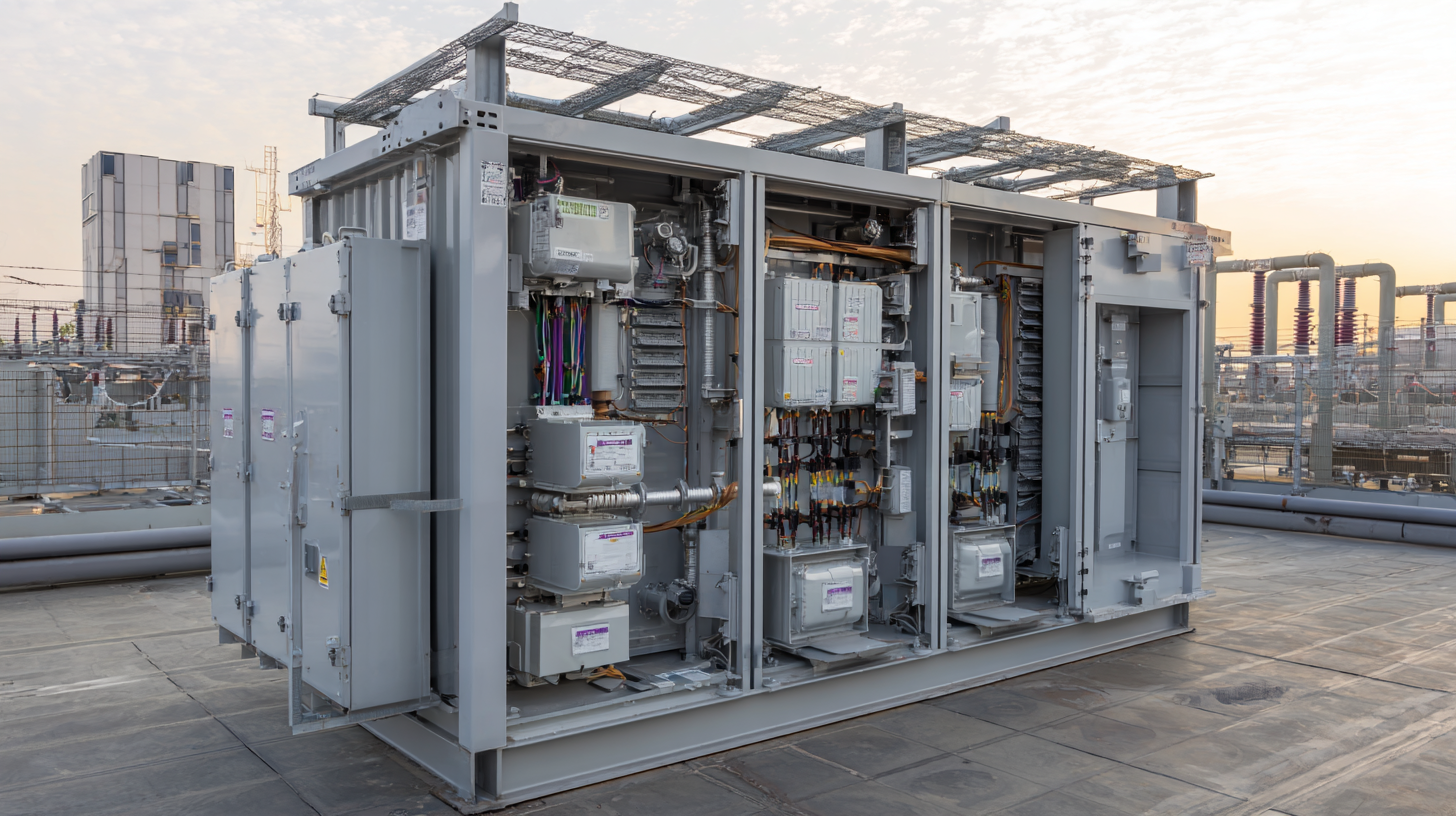
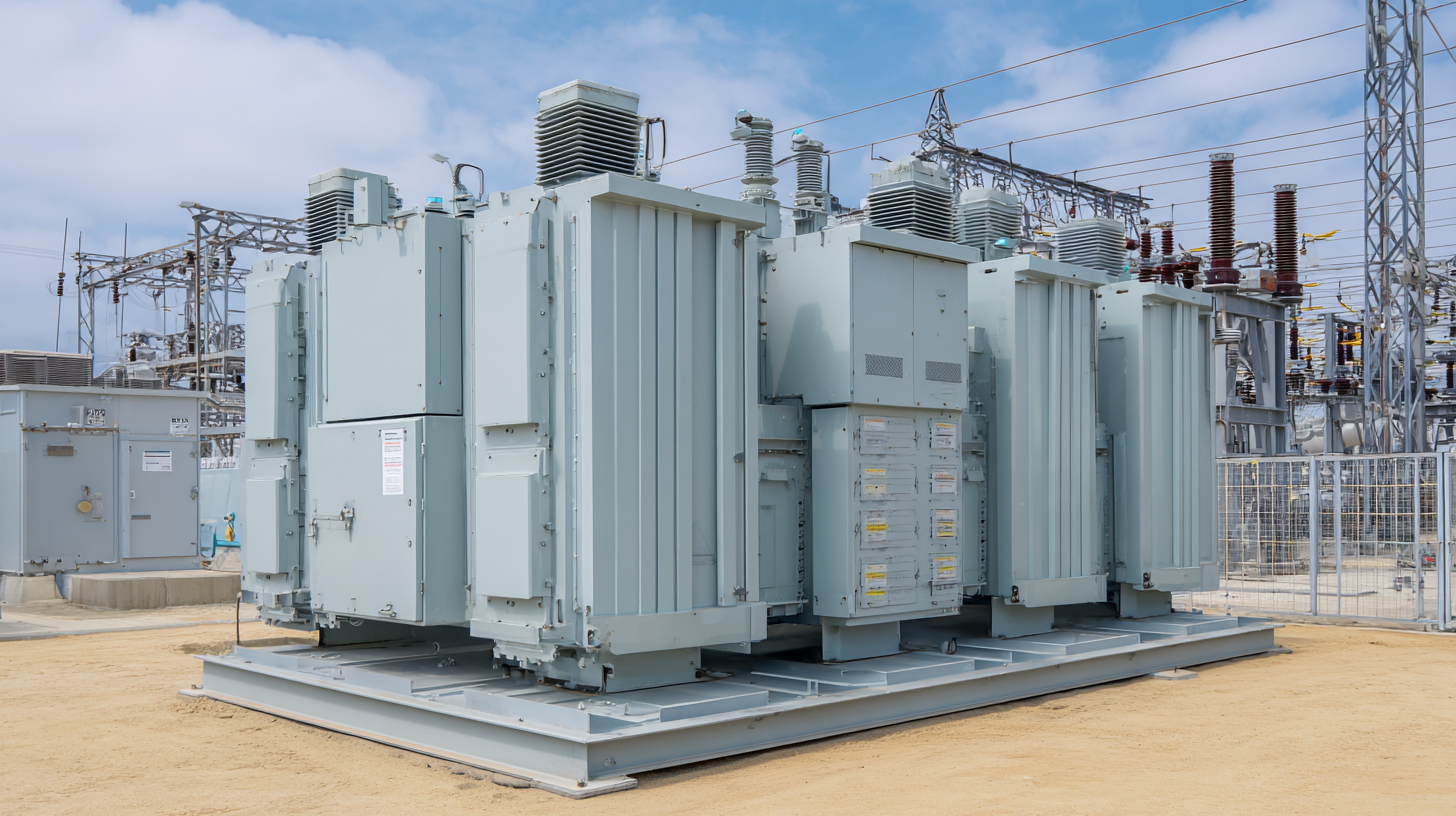
Picking the right pad-mounted transformer isn’t just about size — it’s really about understanding its ratings to make sure it performs well and lasts longer. I came across a report from the IEEE Power and Energy Society that points out how choosing the proper transformer rating helps cut down on energy losses and keeps the whole electrical system running smoothly. For example, transformers are usually rated in kVA, so it’s super important to pick one with a capacity that matches or just a bit above what you expect your load to be. Otherwise, you risk overheating or even causing a failure down the line.
Another thing to keep in mind is the ambient temperature rating. Most transformers are rated at around 30°C ambient, but in real-world setups, temperatures can go higher—sometimes way higher—which can seriously hurt their performance. A study from the Electric Power Research Institute mentioned that running transformers above their rated temps could cut their insulation lifespan by half. So, it’s smart to think about how hot it might get during peak loads and choose a transformer that can handle those conditions without breaking a sweat. Paying attention to these ratings isn’t just technical mumbo jumbo — it’s key to keeping your electrical system reliable and efficient over time.
| Practice | Description | Importance | Recommended Rating |
|---|---|---|---|
| Load Calculation | Accurately assess the maximum and average load requirements. | Ensures adequate transformer capacity and prevents overloads. | At least 10-20% above expected load |
| Environmental Considerations | Consider temperature, humidity, and potential exposure to contaminants. | Prolongs transformer life and ensures optimal performance. | Choose enclosure ratings based on environment |
| Voltage Rating | Match the transformer's voltage rating with the system requirements. | Prevents voltage issues and ensures compatibility. | Match primary and secondary voltages |
| Cooling Method | Select appropriate cooling method based on load and environment. | Enhances efficiency and prolongs transformer life. | Natural or forced air, oil cooling options available |
| Maintenance Considerations | Plan for regular maintenance and inspections. | Minimizes downtime and extends operational life. | Follow manufacturer recommendations |
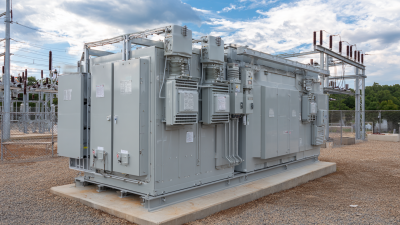
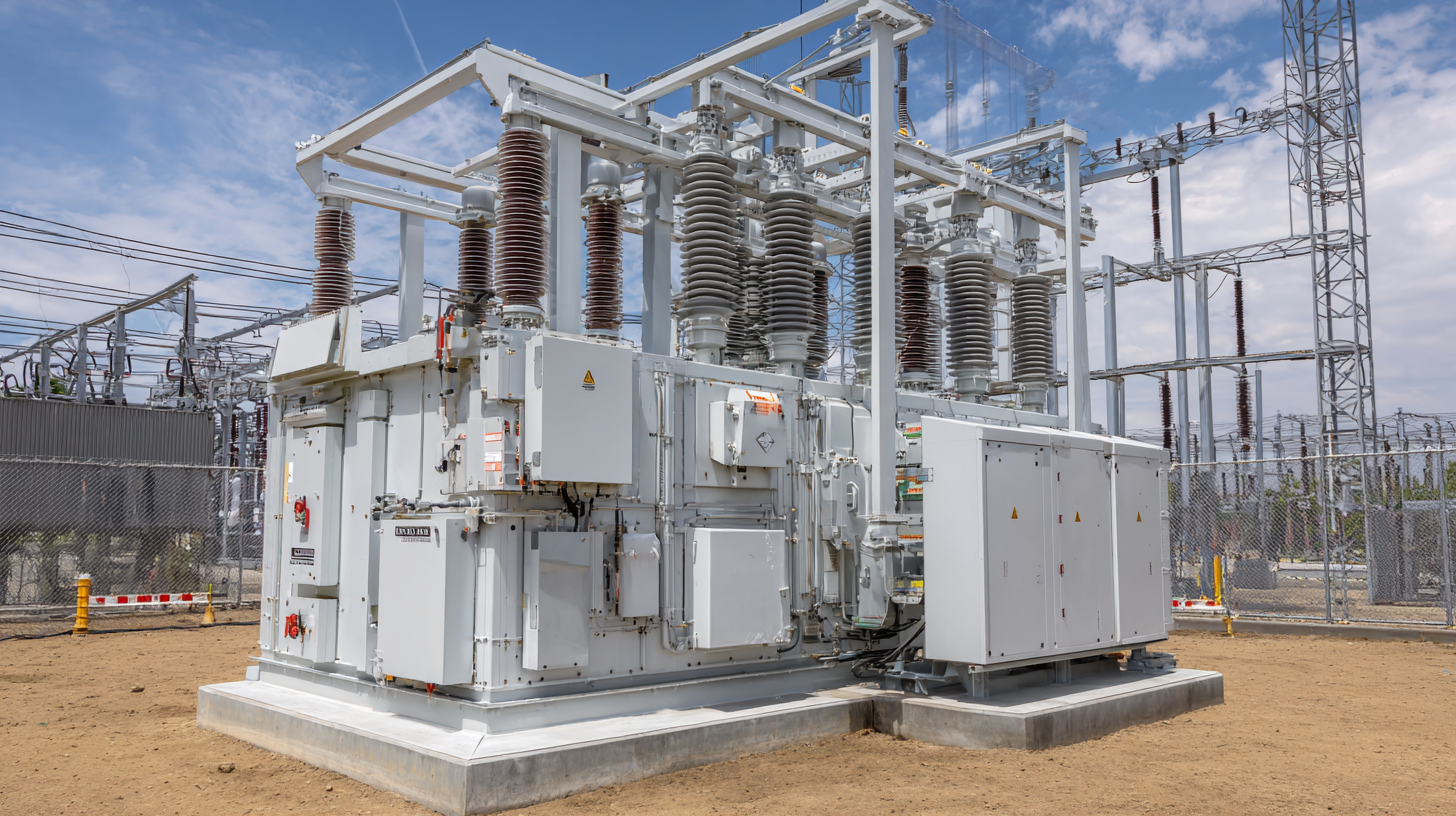
When you're picking out a pad-mounted transformer, one thing that often gets overlooked but really shouldn't is where you actually place it. The environment around it makes a huge difference in how well it works and how long it lasts. Ideally, you want to set it somewhere it’s not constantly exposed to crazy weather—like avoiding direct sunlight or heavy rain—because that can help prevent overheating or moisture issues. Also, it's worth thinking about nearby hazards such as overgrown trees or structures that might get damaged or cause problems during storms.
Another thing to keep in mind is the soil and drainage at your chosen spot. Transformers need a solid, level foundation—poor drainage can lead to water pooling and that’s never good news for the equipment. It’s a good idea to do a quick environmental check before you install. This not only helps you pick the right location but also makes sure you’re following any local rules or regulations about where transformers should go. Basically, paying attention to environmental stuff from the get-go makes your installation smoother and helps ensure everything runs smoothly and reliably over time.
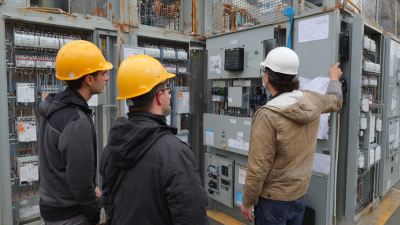
When you're choosing a pad-mounted transformer, you really don't want to overlook how important maintenance and easy access are if you want it to last long-term. A transformer that's placed thoughtfully makes all the difference—it's way easier to do regular inspections and quick repairs. That means less downtime and more peace of mind. Picking a spot that's easy to get to isn’t just about convenience; it actually helps keep an eye on how it's working, which can extend its lifespan and keep it running smoothly. In the end, this little bit of planning can save you a lot of money.
And just like how aircraft use the Skywise platform to get real-time data and catch issues before they become big problems, a pad-mounted transformer can really benefit from having some performance tracking. Setting up monitoring tools lets you see how the transformer is doing in the moment, and can give you early warnings if something's off. Catching issues early means fewer costly repairs and a longer, more efficient life for the equipment. Combining good accessibility with smart monitoring is a game changer—it makes your entire system more reliable and keeps things running like clockwork.
When you're picking out a pad-mounted transformer, it’s really all about finding that sweet spot between cost and performance. You want something that’s efficient without breaking the bank upfront, but also won’t drain your wallet in the long run. The U.S. Department of Energy mentions that upgrading to high-efficiency transformers can actually save you around 15 to 25% on energy costs compared to standard models. That really puts into perspective why it’s worth thinking about the long-term savings rather than just going for the cheapest option right away. Spending a bit more now on better tech can make a big difference because you'll use less energy overall, which means lower utility bills for years to come.
Here's a tip: Take a close look at what your project needs in terms of load. If you go for a transformer that's too small, you might end up losing more energy and facing inefficiencies. On the flip side, choosing one that's too big can mean higher upfront costs. It’s best to pick a size that fits your current needs but also leaves some room for potential growth down the line.
Plus, don't forget about maintenance costs — that’s a crucial factor too. According to a study from the Electric Power Research Institute, higher-quality transformers might cost more initially, but they usually need less maintenance and repairs over time. That’s a real bonus, especially for critical setups where reliability really matters.
My suggestion? Work with qualified engineers or tech experts who can help you figure out the best specs based on your specific operations. Their advice can really help you strike the right balance between what you spend upfront and the reliable performance you need, making sure your transformer keeps things running smoothly without any surprises.
When you're choosing a pad-mounted transformer, making sure it meets all the necessary regulations is super important. These standards—like those from the National Electrical Manufacturers Association (NEMA) and IEEE—set the bar for how these transformers should be designed and how they should perform. Getting familiar with these rules can really give you a better sense of the quality and reliability of the transformer you're considering. Trust me, it'll pay off in the long run with smoother performance and fewer headaches.
: Evaluating transformer ratings is crucial because it reduces energy losses and enhances the efficiency of the entire electrical distribution system, ensuring optimal performance and longevity.
Transformers are typically rated in kVA, and it is essential to select a transformer with a capacity that meets or slightly exceeds the anticipated load.
Transformers are often rated at 30°C ambient temperatures, but higher temperatures can negatively impact performance and may lead to a reduction in insulation lifespan.
Operating transformers at temperatures exceeding their rated limits can lead to up to a 50% reduction in insulation lifespan.
Maintenance and accessibility are critical for long-term reliability as they simplify routine inspections, servicing, and enhance performance monitoring, which leads to cost savings and maximized operational lifespan.
Implementing monitoring systems provides valuable insights into operational health, helping technicians identify potential issues early and preventing costly repairs.
Facilities can achieve remarkable reliability and performance by combining accessible locations for transformer installation with advanced monitoring systems.
Proactive maintenance helps minimize downtime and ensures the transformer operates at peak efficiency throughout its lifecycle.
Selecting a transformer that meets or slightly exceeds the anticipated load is vital to prevent overheating and potential failures.
A well-placed transformer simplifies routine inspections and servicing, making it easier to monitor performance and conduct necessary repairs.
When you're choosing a pad-mounted transformer, it's pretty important to really understand your specific power needs and take a close look at the transformer ratings to make sure everything runs smoothly. Don’t forget to think about where you’re installing it and the environmental conditions—these can really affect how long the transformer lasts and how well it performs. Also, pay attention to maintenance and how easy it is to access for servicing, because keeping up with regular check-ups can boost reliability and save you money in the long run.
On top of that, you wanna strike a good balance between how much the transformer costs and how well it performs. That way, you're not only saving upfront but also keeping things efficient on the operational side. And of course, make sure your transformer meets all the necessary safety and regulatory standards—that’s a must. At JZPE POWER TRANSFORMER, we use cutting-edge design techniques and strict quality checks to deliver top-quality power solutions, so you can trust that your pad-mounted transformer will meet all your needs without a hitch.