+86 18068001229 


As our demand for reliable and efficient energy keeps growing, it’s clear just how important Pad Mounted Transformers are becoming in today’s energy systems. According to the U.S. Department of Energy, using advanced transformer tech can boost energy efficiency by up to 20%, which really helps utility companies cut down on operational costs.
JZPE POWER TRANSFORMER (JIANGSU) CO., LTD., a company known for its innovative designs and manufacturing prowess, has been leading the way in this space since way back in 1989. They’re really committed to quality and staying ahead with cutting-edge design processes.
With their focus on using the latest technology and a solid understanding of what the market needs, JEZOU POWER aims to deliver awesome Pad Mounted Transformer solutions. Not only do these help improve operational efficiency, but they also support the sustainability goals that are so important for today’s energy landscape.
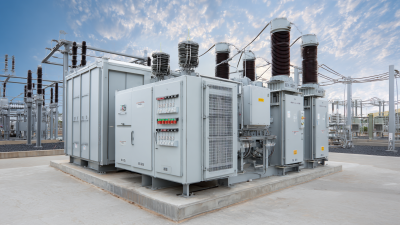
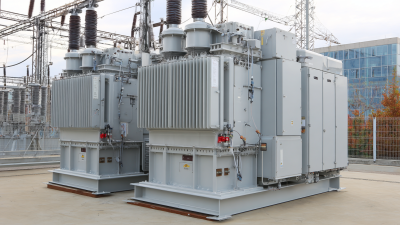
You know, the way pad-mounted transformers are improving these days is pretty important for modern energy systems, especially as everyone’s really pushing for better energy efficiency. These things sit right at ground level in protected enclosures and are evolving fast—thanks to cool new tech like AI, IoT, and even blockchain. It’s like all these innovations are working together to make them run more smoothly, with real-time monitoring and predictive maintenance. That means utility companies can keep things running nicely, spot issues early, and cut down on unexpected outages.
On top of that, there’s a clear shift happening toward more sustainable and eco-friendly solutions for these transformers. As the world needs smarter and more efficient Power Distribution, manufacturers are coming up with new designs aimed at saving energy and cutting losses. It’s no surprise that the global transformer market is expected to hit around USD 57.75 billion in 2024—that’s pretty big! And as places like the U.S. start adopting more advanced tech, the move towards ‘smart’ transformers is set to totally change how we deliver power, making the entire system more reliable and efficient than ever before.
When you compare traditional and newer transformer solutions, it's pretty clear how much things are evolving in modern energy systems. For ages, we've relied on those trusty pad-mounted transformers, but honestly, they’re showing their age—especially when it comes to efficiency, sustainability, and keeping up with the latest tech. Plus, security is becoming a real concern, especially now with the Industrial Internet of Things (IIoT) taking off. These vulnerabilities remind us that we need smarter, more resilient frameworks that can handle emerging technologies without sacrificing security.
On the flip side, the new wave of transformer solutions is really pushing the envelope. They make use of innovative materials, smart tech, and automation to work better and be gentler on the environment. Take AI and machine learning, for example—they can help optimize how transformers run, alert us when maintenance’s due, and boost energy efficiency overall. Not only do these innovations make systems more reliable, but they also fit right into the big picture of modern power generation—think integrating more renewables and cutting down on waste. As we head toward a more connected, greener energy future, understanding the strengths and weaknesses of both traditional and innovative transformers is super important. That way, we can craft smarter strategies for tomorrow’s energy landscape.
With modern energy systems becoming more and more a reality, our electrical infrastructure has to keep up, especially when it comes to pad-mounted transformers (PMTs). These guys are pretty much the backbone of reliable power delivery in cities and suburbs alike. When people look at new designs for these transformers, a cost-benefit look shows that innovative models don’t just run more efficiently — they also save a bunch in the long run. By using smarter materials and tech—think better insulation and heat management—these transformers can be way more energy-efficient, which totally cuts down operational costs.
Plus, trying to save a few bucks upfront on older designs can backfire when you factor in maintenance and the risk of failures. Newer PMTs are built to last, with materials that handle corrosion and wear better, meaning less downtime and fewer costly repairs. And here’s the cool part: with smart grid tech, these transformers can send real-time data, helping utility guys optimize the whole grid and react fast to changing energy needs. All in all, it’s not just about saving money today — investing in these next-gen transformers means a more sustainable, resilient energy system down the road.
You know, the environmental impact of pad mounted transformers (PMTs) is becoming a pretty big deal these days, especially with everyone pushing for cleaner, greener energy options. Companies like Siemens and Schneider Electric really stand out because they’re coming up with clever ways to cut down their ecological footprint while also making these transformers more efficient. I read somewhere that, according to the International Energy Agency, we’ve gotta rethink our energy systems because electricity demand is expected to jump by about 70% by 2040. So, making PMT designs more efficient isn’t just nice — it’s kinda essential. In fact, modern transformers can now reach efficiency levels over 98%, which is pretty impressive when you think about how much energy that saves.
When it comes to the materials used, Siemens is all about recycling and making components that are easier to manage after their lifespan ends. On the other hand, Schneider Electric has been experimenting with bio-based insulating fluids. These not only boost fire safety but also help lessen the environmental impact of mineral oils traditionally used in transformers. There was this study from the Electric Power Research Institute that pointed out switching to these eco-friendly fluids could cut the overall environmental impact of transformers by about 25%. Looking at what these two big players are doing, it’s clear that both smart design and better material choices are really driving sustainability forward in our energy systems today.
| Parameter | Company A | Company B |
|---|---|---|
| Efficiency Rating (%) | 98.5 | 97.8 |
| Carbon Footprint (kg CO2/kWh) | 0.045 | 0.050 |
| Life Cycle (years) | 30 | 25 |
| Recyclability (%) | 85 | 80 |
| Operational Noise Level (dB) | 50 | 55 |
In today’s energy world, you really can’t overlook how important innovative transformer tech is for keeping power systems running smoothly and efficiently. I’ve come across some pretty interesting case studies showing how advanced pad-mounted transformers are making a real difference out there in the field. These upgrades don’t just cut down on energy waste — they also make it easier to bring renewable energy sources into the mix, which is such a big deal for sustainable living nowadays.
Seeing how these modern transformers are actually used in cities is pretty eye-opening. They help EVs charge up without a hitch and boost overall grid resilience. Plus, they’re increasingly relying on data-driven approaches—think along the lines of AI innovations—that are really changing the game across different industries. As our energy needs keep growing, embracing these new transformer technologies seems like a smart move, especially when we’re trying to meet higher demands and switch to greener energy sources at the same time.
: The main environmental concern is the ecological footprint of PMTs as the demand for cleaner energy solutions increases.
Siemens focuses on using recyclable components in their PMTs, while Schneider Electric uses bio-based insulating fluids to enhance fire safety and reduce environmental impact.
The study highlighted that switching to environmentally compliant fluids could lead to a 25% reduction in the overall environmental impact of transformers.
Optimizing PMT designs is crucial because it can significantly reduce energy losses, with modern transformers achieving efficiency levels above 98%.
Modern transformers reduce energy losses and improve the reliability of power systems, which is essential for integrating renewable energy sources.
Case studies demonstrate the real-world application and transformative impact of advanced transformers in optimizing energy efficiency and supporting sustainable energy solutions.
They facilitate the smooth integration of electric vehicles and improve grid resilience in urban settings.
They employ data-driven methods, similar to advancements in artificial intelligence, to address evolving energy needs.
The projected 70% increase in electricity demand by 2040 underscores the necessity for innovative transformer solutions to meet this demand sustainably.
Modern transformers optimize efficiency and reliability, which are crucial for coping with the challenges of rising demand and the shift toward greener energy sources.
When it comes to modern energy systems, the development of Pad Mounted Transformers plays a pretty crucial role in making energy use more efficient and eco-friendly. In this post, we're diving into some of the latest trends in transformer tech—stuff like innovative designs that actually beat out older, traditional models when it comes to reliability and efficiency. We’ll also compare different options to show you why these newer transformers are a smart investment, both in performance and costs.
Plus, we’re taking a look at the environmental efforts by big names like Siemens and Schneider Electric, seeing how their products contribute to more sustainable energy solutions. We’ve included some real-world case studies to give you a better idea of how these transformers perform in everyday scenarios—no fluff, just real results. With over 30 years of experience, JZPE POWER TRANSFORMER has really been leading the charge in this space. Their innovative designs and strict quality checks are shaping what the future of Pad Mounted Transformers looks like, and it’s pretty exciting to see where it’s headed.