As the need for better energy efficiencykeeps growing, the power distribution world is really starting to look into new options beyond the old-school Fpl Pad Mounted Transformers. I saw a report from theInternational Energy Agency that said these cutting-edge, energy-smart technologies could cut global energy use by up to 40%. That just shows how urgently we need to find smarter solutions in this industry.
JZPE POWER TRANSFORMER (JIANGSU) CO., LTD., based in Jiangsu, has been leading the charge on this front since they started back in 1989. Their facility spans a huge 200,000 square meters, and with their innovative designs and focus on quality, JEZOU POWER is really positioning itself as a pioneer in developing new transformer tech.
These new alternatives aren’t just about efficiency—they’re also a step toward global sustainability. As we explore more about these alternatives to traditional Fpl Pad Mounted Transformers, it’s clear that some pretty exciting innovations might just change the way energy is distributed in the future.
Emerging Technologies in Energy-Efficient Transformer Design
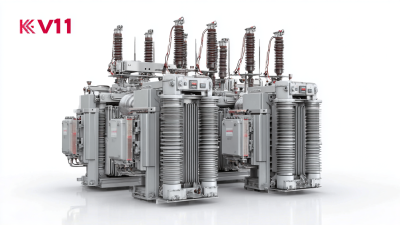
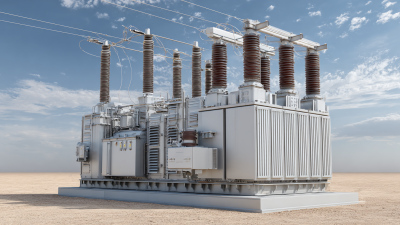
As energy efficiency keeps growing in importance when it comes to designing power systems, the way we develop transformers really becomes a game-changer for overall performance. You know, newer transformer tech is popping up with really cool, innovative features that go beyond the usual options like those FPL pad-mounted transformers. By using cutting-edge materials and smarter design ideas, manufacturers are able to cut down on energy losses—sometimes by as much as 30%! Things like amorphous steel and improved core designs are making a big difference (U.S. Department of Energy, 2021).
At JZPE POWER TRANSFORMER (JIANGSU) CO., LTD., we’re actually leading the charge when it comes to these new advancements. We rely on top-notch design concepts and strict quality checks to ensure our products stay ahead of the curve. Having been around since 1989, we bring a ton of experience and a real passion for innovation, which helps us find new ways to boost energy efficiency while also meeting the needs of markets all over the globe. As we develop transformers that are better for the environment and help save energy, we’re also tapping into modern digital monitoring tech. This new tech helps us do predictive maintenance and keeps the whole system running smoothly — making sure our solutions aren’t just effective, but also sustainable for the long haul.
Comparing Traditional FPL Pad Mounted Transformers and Alternative Solutions
As electricity needs keep climbing across the U.S., thanks to tech innovations and more folks leaning on renewable energy, making our power solutions more efficient has never been more important. You know, those traditional FPL pad-mounted transformers are still around, but honestly, they might not cut it anymore given the stricter energy efficiency standards these days. I recently read that NextEra Energy — you know, one of the big names in renewables — is branching out into natural gas and nuclear power to keep its growth going. It’s kind of like a reflection of the bigger picture: the industry is really shifting towards balancing efficiency with sustainability, all while trying to meet rising demand and keep the environment in check.
When it comes to newer options, there are some pretty cool alternatives popping up that help distribute energy more effectively and cut down operational costs. Like, smart transformers with fancy monitoring tech that can really minimize energy losses compared to old-school models. These new gadgets are made with the latest manufacturing techniques and strict quality checks — much like what JEZOU POWER has been doing since 1989. By jumping on these tech upgrades, companies can better handle the growing demand for power and at the same time support a more sustainable energy future. It’s exciting to see how these innovations are shaping the way we power our world.
Exploring the Alternatives to Fpl Pad Mounted Transformers for Enhanced Energy Efficiency
| Transformer Type | Energy Efficiency (%) | Initial Cost ($) | Maintenance Cost ($/year) | Lifespan (Years) |
| Traditional Pad Mounted | 95 | 12,000 | 500 | 30 |
| Fluid-Filled Transformers | 98 | 15,000 | 400 | 35 |
| Dry Type Transformers | 97 | 10,000 | 600 | 25 |
| Smart Transformers | 99 | 20,000 | 300 | 40 |
|
Compact Transformers | 96 | 13,000 | 550 | 28 |
The Role of Smart Grids in Enhancing Transformer Efficiency
You know, the whole idea of integrating smart grids is really changing the game when it comes to energy. It’s like opening a new door to making transformers way more efficient. Thanks to some pretty cool tech in communication, these smart grids can monitor and analyze how energy is being used in real-time. It’s almost like giving utilities a heartbeat, so they can fine-tune things on the fly. This means better operation of those pad-mounted transformers, cutting down on energy losses that used to happen during transmission and distribution. In the end, utility companies can be more proactive, which helps keep the lights on more often and makes the service more reliable.
Oh, and here’s a handy tip: putting smart sensors on transformers can gather a ton of useful info about load patterns. That way, managing energy flow becomes way more precise and resources are used more efficiently.
Plus, smart grids are a huge help when it comes to working with renewable energy like wind and solar. Since these sources can be pretty unpredictable, smart management helps keep everything balanced. Transformers can adapt to those fluctuating inputs, making the whole system more efficient. It’s like having a smart traffic cop directing energy where it’s needed most, without overwhelming the existing infrastructure.
Another tip — thinking about investing in software that crunches data from smart meters can be a game-changer. It can predict peak times for usage and help distribute energy more smartly, which, of course, boosts transformer efficiency even more.
Innovative Materials and Their Impact on Transformer Performance
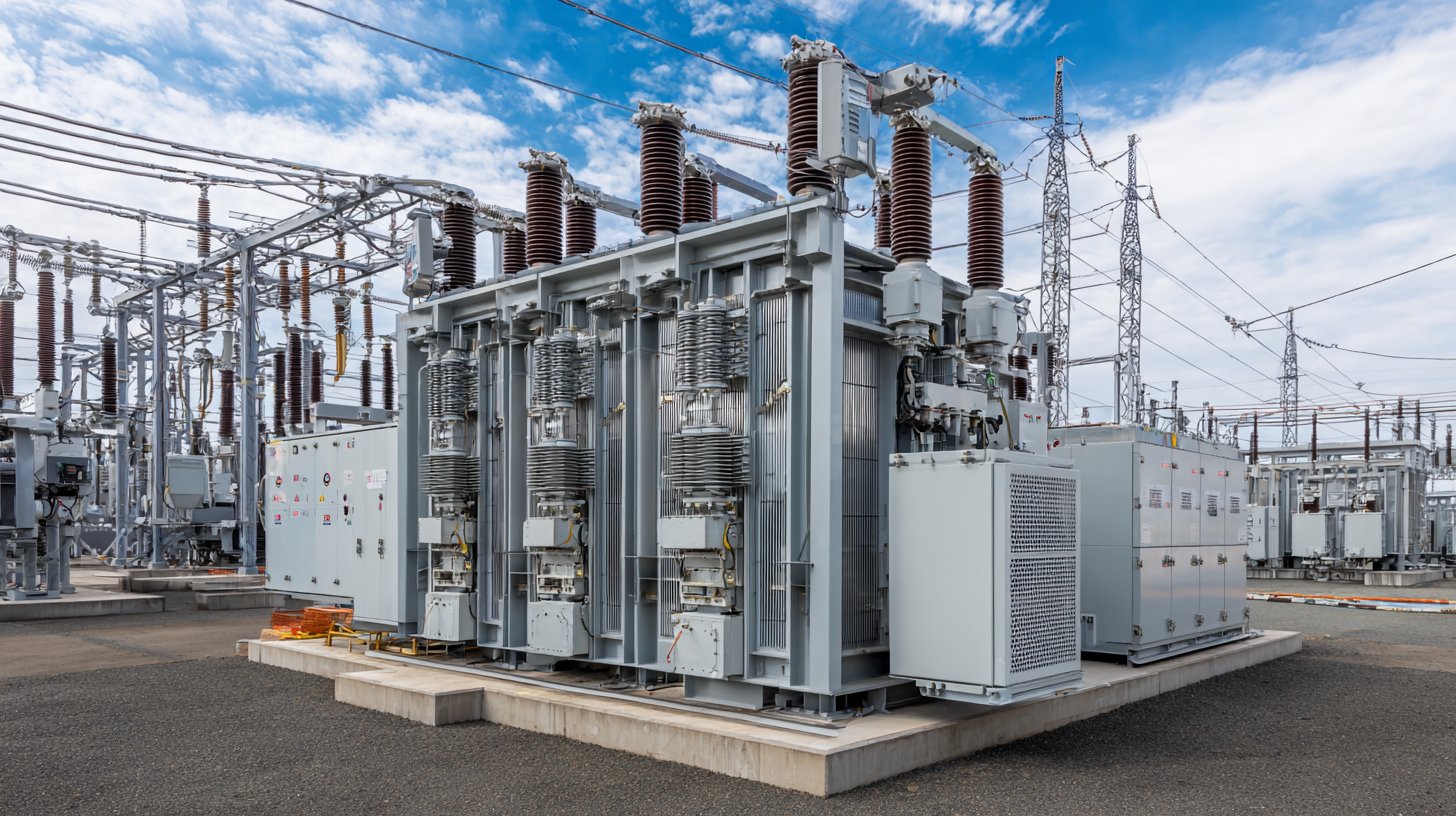
As industries look for better ways to boost energy efficiency, it's really important to explore alternatives to the traditional FPL pad-mounted transformers. Using innovative materials can make a huge difference in how these transformers perform. For example, recent advances in amorphous steel cores have resulted in lower energy losses and better overall efficiency. Not only does this help save energy, but it also makes the whole system more eco-friendly—something we're all trying to do these days, right?
Here's a tip: When you're considering new materials for transformers, try to look at their long-term performance just as much as the initial cost. Sometimes, spending a bit more upfront can pay off in the long run with lower energy bills and a greener footprint.
And then there’s the cool stuff like advanced insulation materials, including high-temperature superconductors. These can really improve heat resistance and help the transformers handle higher loads without overheating—super important because electricity demand keeps climbing.
Quick advice: Make sure to thoroughly test and assess these materials before actually integrating them. Checking their compatibility with your existing setup can save you a lot of headaches and costs down the line.
Cost-Benefit Analysis of Upgrading to Energy-Efficient Transformers
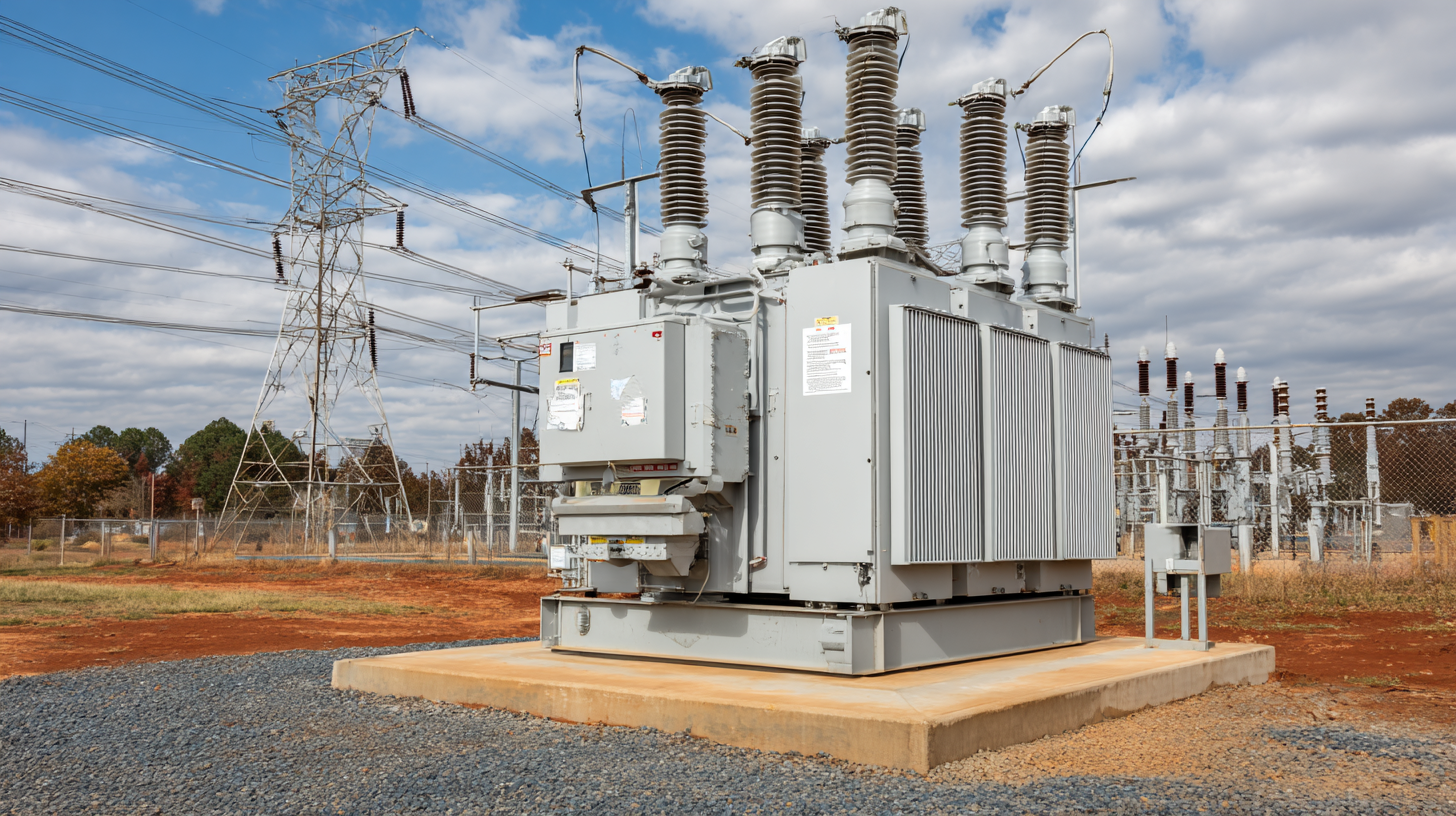
If you're looking to cut down on energy costs and make your business more eco-friendly, upgrading to energy-efficient transformers is definitely something you ought to consider. I mean, did you know that old-school transformers can waste up to 10% of their energy just sitting there no matter what? That adds up over time—you're literally throwing money away every year. On the flip side, newer tech like amorphous steel transformers can slash those no-load losses by up to half, which can really add up to some pretty serious savings over the long run.
Now, I get it—paying a bit more upfront, like 10-15% more than your usual models, might seem a bit daunting at first. But honestly, the savings you’ll see in your energy bills usually make it worth it within just a few years. According to the folks at NEMA, switching to these energy-efficient options can save big bucks—sometimes thousands annually, depending on how much power you use. Plus, with all the push toward sustainability and tighter energy laws these days, making the switch isn’t just good for the planet. It can also come with some pretty nice incentives or rebates that help offset the initial cost. So, yeah—it's a smart move all around.
Future Trends in the Development of Sustainable Transformer Technologies
Looking ahead, it’s pretty clear that the future of sustainable transformer tech is being shaped by how much more energy-efficient and innovative the power sector is becoming. For instance, the global market for transformers is expected to grow from around $822 million today to about $1.178 billion by 2033 — that’s a CAGR of roughly 4.6%. This kind of growth really shows that we're moving toward smarter, more efficient transformer designs. With the world shifting towards electric vehicles and ramping up renewable energy, transformers are more important than ever for keeping the grids stable and cutting down on energy waste.
And it doesn’t stop there — the solid-state transformer market is also on the rise. Experts are predicting it could hit about $330.3 million by 2032, growing at a pretty robust rate of 10.4% CAGR. What’s driving this? Mainly, the buzz around integrating new tech like AI and IoT — it’s transforming how transformers work and making them way more efficient. Also, China is really making an impact here, with its strong supply chain and rising demand for cutting-edge solutions. All in all, the push is towards greener, more sustainable transformer options, which lines up perfectly with global sustainability goals.”
Exploring Energy Efficiency in Transformer Technologies
Enhancing Efficiency and Safety with Secure Three-Phase Pad-Mounted Distribution Solutions
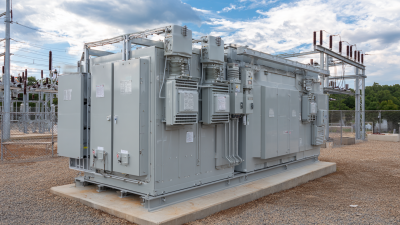
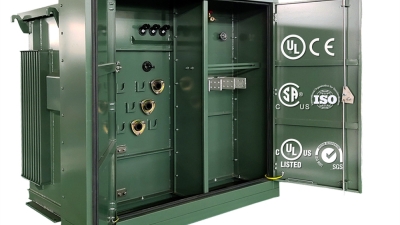
In modern electrical distribution, ensuring both efficiency and safety is paramount. Secure three-phase pad-mounted distribution solutions serve as a cornerstone of effective power management, particularly in commercial and industrial environments. These robust devices are engineered to step down medium-voltage power to usable lower voltages, making them essential for high-density residential applications as well. With their ground-level installation, they provide a practical solution that integrates seamlessly into urban infrastructure.
One of the key advantages of three-phase pad-mounted transformers is their tamper-resistant enclosure, which enhances security in public and populated areas. This design not only protects against unauthorized access but also reduces the risk of accidents, further promoting safety in electrical distribution. Their reliability underpins modern underground distribution systems, allowing for a steady flow of power necessary for everyday operations in both industrial facilities and large-scale residential developments.
Moreover, the adaptability of these transformers makes them suitable for a variety of settings, from bustling cities to expansive utility projects. By investing in secure three-phase pad-mounted solutions, businesses and municipalities can achieve enhanced efficiency, streamlined operations, and greater peace of mind regarding electrical safety.
FAQS
: Traditional FPL pad mounted transformers may not meet the enhanced energy efficiency standards required in today's evolving energy landscape, which is increasingly driven by technology and renewable energy sources.
NextEra Energy's diversification reflects a broader industry trend aimed at balancing efficiency and sustainability to meet growing energy demands while addressing environmental concerns.
Alternatives such as smart transformers equipped with advanced monitoring capabilities are emerging, designed to optimize energy distribution and reduce operational costs while minimizing energy losses.
Innovative transformer technologies, including those produced by companies like JEZOU POWER, utilize cutting-edge production processes and stringent quality control to enhance energy distribution efficiency and support sustainable energy transitions.
The future trends include a projected growth in the global traction transformer market and a rise in the solid-state transformer market, driven by the demand for energy-efficient designs and the integration of smart technologies.
The global traction transformer market is projected to grow from $822 million to approximately $1.178 billion by 2033, with a compound annual growth rate (CAGR) of 4.6%.
Smart technologies, such as AI and IoT, are revolutionizing traditional transformer applications, improving operational efficiency, and contributing to the rising demand for solid-state transformers.
There is an urgent need for sustainable transformer solutions due to the increasing demand for eco-friendly practices in manufacturing and deployment, which aligns with global sustainability goals.
The focus of transformer technology is expected to shift towards more eco-friendly options, enhancing grid stability and reducing energy losses in line with advancing energy systems and sustainability objectives.
Conclusion
When it comes to boosting energy efficiency, exploring options beyond the usual FPL pad-mounted transformers has become pretty important these days. This blog dives into new and emerging tech in transformer design—think smarter materials and ways to better integrate with smart grids. By looking at traditional FPL transformers side by side with these newer, more efficient solutions, we can really see the benefits of upgrading to energy-saving options and how they fit into creating a more sustainable power system.
Plus, there's a solid case to be made with a cost-benefit look at upgrading transformers—showing how the long-term savings add up. It’s a no-brainer for businesses considering making the switch to greener tech. As the industry moves in this direction, staying in the loop about upcoming trends will be super important for anyone involved in energy. It’s all about paving the way to a future where our energy use is smarter and more sustainable.

 +86 18068001229
  Contact Phone
 Contact Email