Leave Your Message
0%

Getting a good grasp on High Voltage Oil Immersed Transformers is really important if you're working in the power industry—especially if you're looking for reliable solutions for your electrical systems. At JZPE Power Transformer (Jiangsu) Co., Ltd., also known as Jezou Power, we understand just how critical these transformers are. They play a key role in keeping Power Distribution bothefficient and safe. Since we started back in 1989, and with a factory sprawling over 200,000 square meters, Jezou Power has become one of the leading names around the world when it comes to designing, manufacturing, and installing power system solutions. We pride ourselves on combining cutting-edge design ideas and high-level production techniques with strict quality checks—keeping us ahead of the game in innovation. In this article, I’ll share five essential tips to help you better understand High Voltage Oil Immersed Transformers, so you can make smarter decisions and get the most out of your equipment.
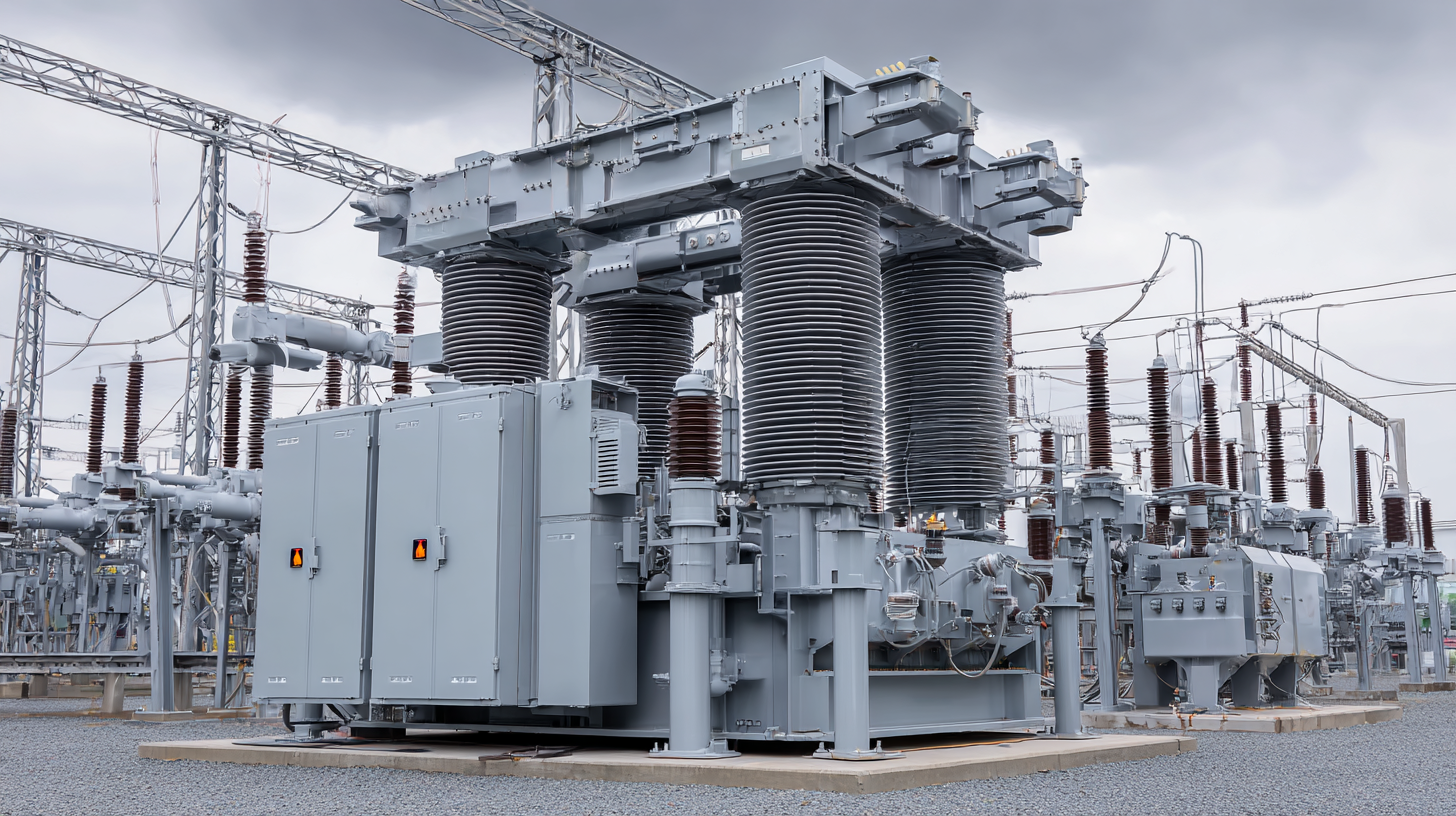
5 Essential Tips for Understanding High Voltage Oil Immersed Transformers

Understanding the Basics: What Are High Voltage Oil Immersed Transformers?

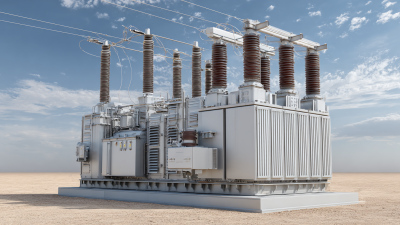
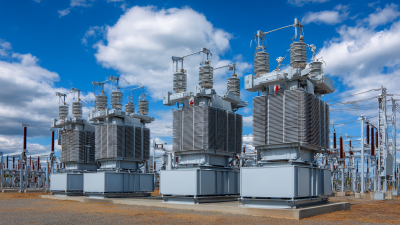
High voltage Oil-Immersed Transformers, or HVOTs for short, are pretty much the backbone of power distribution and transmission, especially when it comes to big industrial setups. These transformers are built to handle voltages over 36 kV, which means they can send electricity over long distances more efficiently and with fewer energy losses—pretty important, right? The oil used inside not only boosts the insulation strength but also helps keep things cool, so everything stays within the right temperature range and works reliably. Interestingly, the International Energy Agency predicts that the global market for HVOTs is gonna grow at around 5.8% annually from 2021 to 2026, mainly because there's a huge uptick in electricity demand around the world.
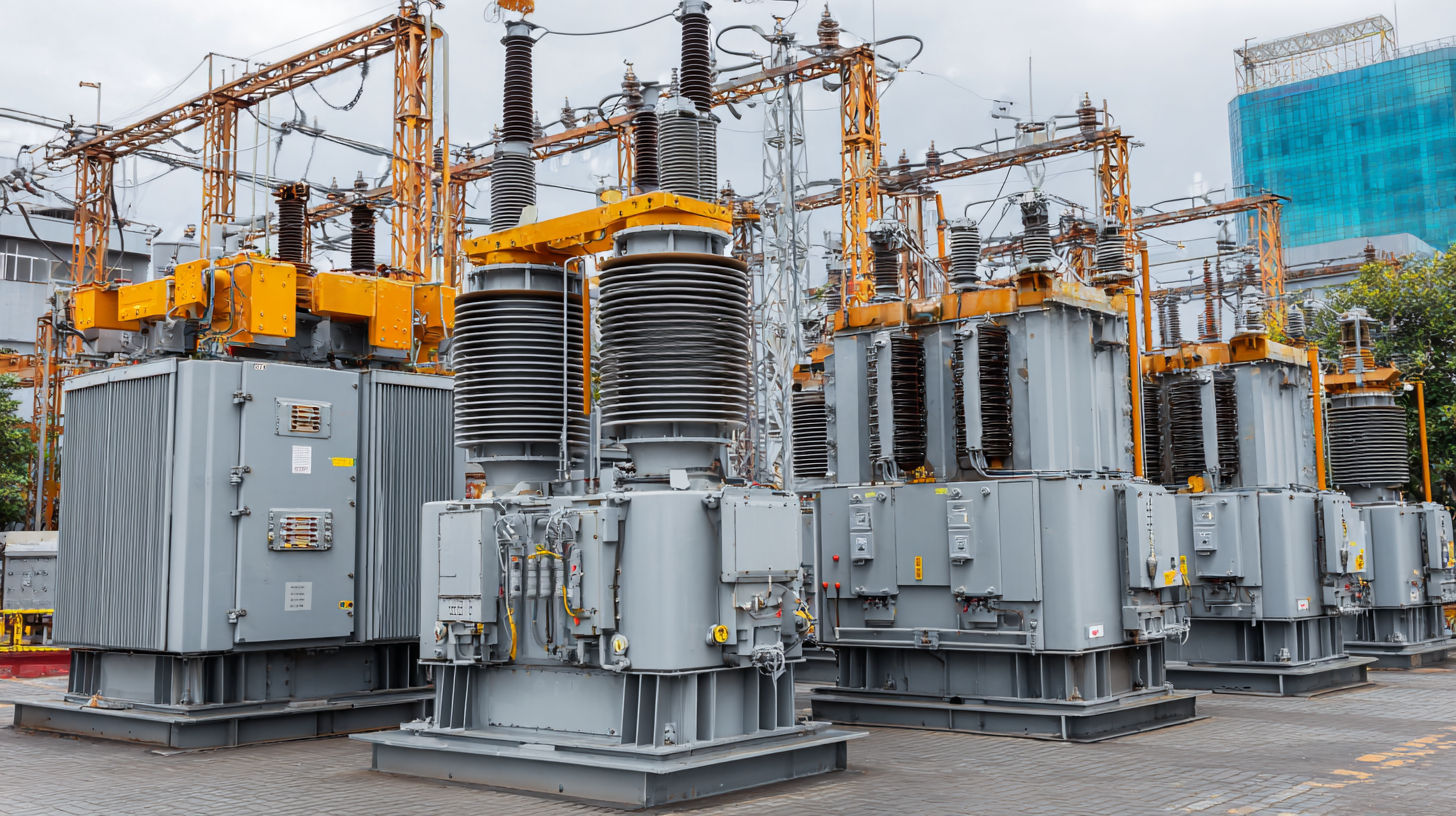
5 Essential Tips for Understanding High Voltage Oil Immersed Transformers

Now, how do these transformers actually work? Well, they rely on a few main parts—like the core, the windings, and the insulating oil. That oil, usually mineral oil or sometimes natural esters, does a bunch of jobs: it stops electrical discharges, pulls heat away from the system, and keeps out moisture, which can mess things up. Lately, there's been a buzz about bio-based oils, with studies—like one from Penn State in 2020—showing they can be better for the environment while doing the same job. If you're involved in designing, operating, or maintaining these big transformers, understanding these basics is crucial—because they affect how efficient, safe, and long-lasting the whole system is.

Key Components and Their Roles in Transformer Efficiency and Safety

High voltage oil-filled transformers, or HV-OITs, are really key players in how we distribute electricity. They do a great job of transferring energy efficiently while keeping safety in check. If you peek inside one, you'll find main parts like the core, the windings, insulating oil, and bushings. The core—usually made of silicon steel—is engineered to cut down on energy losses, boasting an efficiency of over 99%, at least according to the IEEE standards. That kind of efficiency isn’t just about saving money, but it also helps lessen environmental impact, which is pretty cool.

Then there's the insulating oil—it's not just there to insulate the internal bits, but it also helps cool things down by getting rid of the heat generated during operation. The Electric Power Research Institute (EPRI) points out that the oil’s dielectric strength is super important; it needs to stay above 30 kV to keep the system running safely and avoid electrical faults. Plus, these transformers usually have bushings—those are the parts that connect the electrical wires while keeping everything insulated. The longevity of these parts really makes a difference when it comes to how well the transformer performs. That’s why regular maintenance—like testing the oil, inspecting the bushings, and all that—is so crucial. It helps extend their life and makes sure everything stays safe and reliable in the long run.

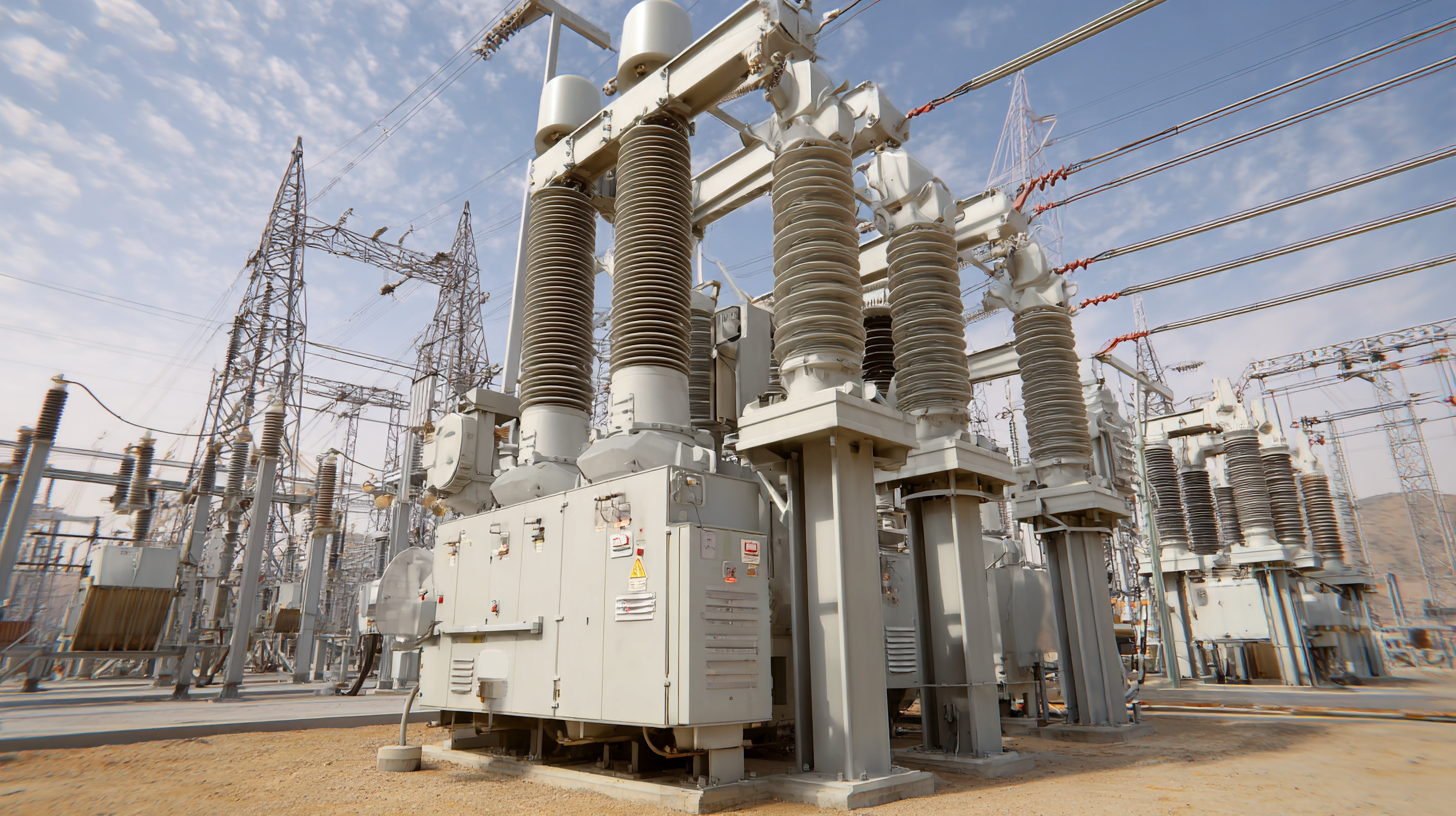
5 Essential Tips for Understanding High Voltage Oil Immersed Transformers

Recognizing Common Operating Issues in Oil Immersed Transformers

High voltage oil-immersed transformers are super important when it comes to distributing electricity efficiently. But, to keep them running smoothly and safely, it’s also pretty key to understand some of the common problems they face. For example, overheating happens quite a lot—did you know that, according to a 2021 IEEE report, nearly 40% of transformer failures are due to this? It usually happens because of poor ventilation or if the transformer is overloaded, which can cause the insulation to break down faster and shorten its lifespan.

Another issue you’ve probably heard of is moisture getting into the insulating oil. This might seem small, but it can seriously mess with how well the transformer works. Researchers published a study in the Electrical Engineering Journal showing that when moisture levels go over 50 ppm, it weakens the oil’s dielectric strength, making the transformer less stable during operation. The good news? Regularly checking the oil quality and doing maintenance before problems get out of hand can really help catch issues early. Keeping an eye on these things not only helps the transformer last longer but also keeps everything running more efficiently. When operators understand these common hiccups, they can set up better monitoring systems and jump in at the right moments—ultimately making sure high Voltage Transformers stay in top shape for years to come.

5 Essential Tips for Understanding High Voltage Oil Immersed Transformers - Recognizing Common Operating Issues in Oil Immersed Transformers

Issue Description Potential Causes Recommended Actions
Overheating Excessive heat generation that can damage insulation. High load, poor ventilation, or faulty cooling system. Regularly monitor temperature; improve ventilation.
Oil Leaks Loss of insulating oil leading to reduced efficiency. Seal damage or corrosion of tank. Inspect seals; replace damaged components.
Bubbles in Oil Presence of gas bubbles indicates potential problems. Overloading or overheating of the transformer. Reduce load; conduct a thorough inspection.
High Dissolved Gases Elevated gas levels can indicate arcing or overheating. Faulty insulation, electrical faults. Test oil regularly; consider oil filtration.
Unusual Noises Strange sounds can indicate potential issues. Loose components or electrical disturbances. Investigate source; tighten components as needed.

Maintenance Strategies to Extend the Lifespan of Oil Immersed Transformers

High voltage oil-immersed transformers are real workhorses in power systems. Take good care of them, and they'll last longer and run more reliably. Regular check-ups and maintenance are a must—they can seriously extend how long these transformers keep working well. A key part of looking after them is keeping an eye on the oil quality, because if contaminants get in, they can mess with the insulation and cause failures down the line. Setting up a routine for oil testing helps catch problems early before things get seriously bad, so you can fix them in time.

On top of that, keeping the cooling system in top shape is super important for the transformer’s efficiency. Overheating isn’t just uncomfortable—it can speed up the wear and tear. So, making sure the cooling parts are working smoothly and there’s no blockage blocking airflow is really crucial. At JZPE POWER TRANSFORMER (JIANGSU) CO., LTD., they put a big emphasis on smart design and tight quality controls, especially when it comes to regular maintenance. If you hire knowledgeable folks to handle inspections and follow a solid, systematic plan, you’ll get better performance and dependability out of your transformers. In the end, it all adds up to a more stable and reliable power system that everyone can count on.

5 Essential Tips for Understanding High Voltage Oil Immersed Transformers

This chart illustrates the average lifespan and maintenance frequency of high voltage oil immersed transformers based on various factors. Regular maintenance can significantly extend the operational life of transformers.

Interpreting Industry Standards: IEC and IEEE Guidelines for High Voltage Transformers

Getting a good grip on high-voltage oil-immersed transformers is pretty important if you want to keep things safe and running smoothly in electrical setups. Standards set by big organizations like IEC and IEEE really shape how these transformers are designed, built, and used. They’re like the rulebooks that make sure everything works reliably and safely. These guidelines lay out what performance should look like, how testing should be done, and what safety measures are needed—so these transformers can handle the high voltages without a hitch.


IEC standards mainly focus on making things work well across the globe, covering stuff like heat management, insulation, and the ability to perform under tough conditions. Meanwhile, IEEE’s guidelines are more tailored for North America—they pay close attention to maintenance routines and environmental factors. Both sets emphasize the importance of sticking to certain ratings—these are super important to prevent overheating or unexpected failures.


If engineers and technicians really get what these guidelines are saying, they can make sure those transformers run like champs while keeping everyone safe from electrical hazards. It’s all about understanding and applying the standards the right way, you know?

Optimizing Energy Efficiency: The Role of 69kV 4200kVA 5250kVA 3 Phase Power Transformers in Modern Industries

In modern industries, optimizing energy efficiency is a fundamental objective, and one of the key players in achieving this goal is the use of high-capacity power transformers. Among these, the 69kV 4200kVA and 5250kVA three-phase transformers stand out for their reliability and performance. Designed to handle primary voltage ratings of 110kV, 115kV, and 121kV, these transformers allow industries to effectively manage energy distribution while minimizing losses. The appropriate selection of secondary voltage ratings, such as 11kV, 10.5kV, 6.6kV, or 6.3kV, ensures that the transformers can cater to specific operational requirements.

The high voltage tap range of ±8×1.25% provides flexibility for voltage regulation, accommodating fluctuations in supply and demand without compromising system stability. Furthermore, the YNd11 connection type facilitates efficient phase shifting, improving the overall power factor of industrial systems. Typically available as oil-immersed transformers, these units excel in thermal management and durability, making them suitable for challenging environments while ensuring minimal maintenance. In essence, integrating such advanced transformers into industrial frameworks enhances not only energy efficiency but also operational efficacy, paving the way for sustainable development in the energy sector.

FAQS

: What are the key components of high voltage oil immersed transformers (HV-OITs)?

: The key components include the core, windings, insulating oil, and bushings. Each component plays a vital role in ensuring the efficiency and safety of the transformer.

How does the core of a transformer affect its efficiency?

The core, typically made of silicon steel, is designed to minimize energy losses, achieving efficiency rated at over 99%, which is essential for reducing operational costs and environmental impact.

Why is insulating oil important in HV-OITs?

Insulating oil not only insulates internal components but also dissipates heat generated during operation. Its dielectric strength must be maintained above 30 kV to ensure safe operation and prevent electrical faults.

What are common issues faced by high voltage oil immersed transformers?

Common issues include overheating, which accounts for nearly 40% of transformer failures, and the presence of moisture in insulating oil, which can impair functionality if moisture levels exceed 50 ppm.

How can overheating in transformers be mitigated?

Overheating can be mitigated by ensuring proper ventilation, avoiding excessive load, and maintaining optimal cooling conditions to prevent insulation breakdown and extend lifespan.

What maintenance strategies can enhance the lifespan of oil immersed transformers?

Essential maintenance strategies include regular inspection, monitoring oil quality through routine testing, maintaining cooling systems, and ensuring unobstructed airflow.

Why is monitoring oil quality critical for transformer maintenance?

Monitoring oil quality is critical because contaminants can degrade insulation properties, leading to transformer failures. Early detection through routine testing allows for timely interventions.

What impact does moisture have on transformer functionality?

Moisture increases in the insulating oil can significantly degrade its dielectric strength, affecting the transformer’s operational stability and overall performance.

How does JZPE POWER TRANSFORMER (JIANGSU) CO., LTD. contribute to transformer maintenance?

JZPE emphasizes regular maintenance practices and advanced design concepts, alongside stringent quality control procedures, to enhance the performance and reliability of oil immersed transformers.

What is the significance of bushing inspections in transformer maintenance?

Bushing inspections are crucial as these components enable electrical connections while providing insulation, and their lifespan directly influences transformer performance and safety standards.

Conclusion

High Voltage Oil Immersed Transformers are pretty much the backbone of our power systems. They’re specially designed to handle high-voltage electricity efficiently, all while keeping safety in check. In this article, I’ll walk you through the key points about these transformers — starting with how they work and what parts are essential for making sure they run smoothly. We’ll also look at common issues you might run into during operation and share some handy maintenance tips to help these transformers last longer. Plus, I’ll touch on industry standards, especially the IEC and IEEE guidelines, which are super important for staying compliant and keeping safety standards high in the power industry.

As a major player in the power solutions world, JZPE POWER TRANSFORMER (JIANGSU) CO., LTD. has built a solid reputation for designing and manufacturing top-quality High Voltage Oil Immersed Transformers. Since kicking things off in 1989, JEZOU POWER has been all about quality and innovation. They’re really well-equipped to handle the changing needs of the global energy market, making sure you get reliable and efficient energy solutions.
Lila

Lila

Lila is a dedicated marketing professional at JEZOU POWER, a leading designer, manufacturer, and installer of power system solutions established in 1989. With an impressive facility spanning 200,000 square meters, Lila plays a pivotal role in showcasing the company's advanced design concepts and......
Previous Navigating the 2025 Technology Trends in Electrical Engineering Through Best Three Phase Dry Type Transformers