 +86 18068001229
 Leave Your Message
- Contact WhatsApp
-
 Contact Phone
 -
 Contact Email
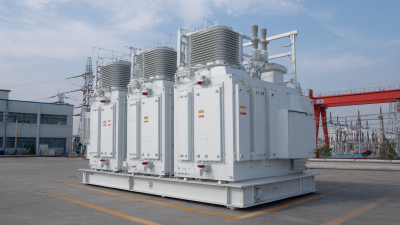
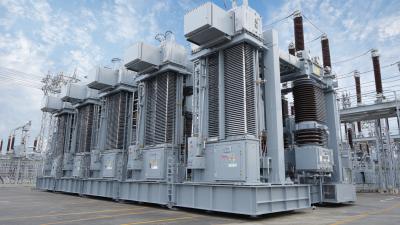
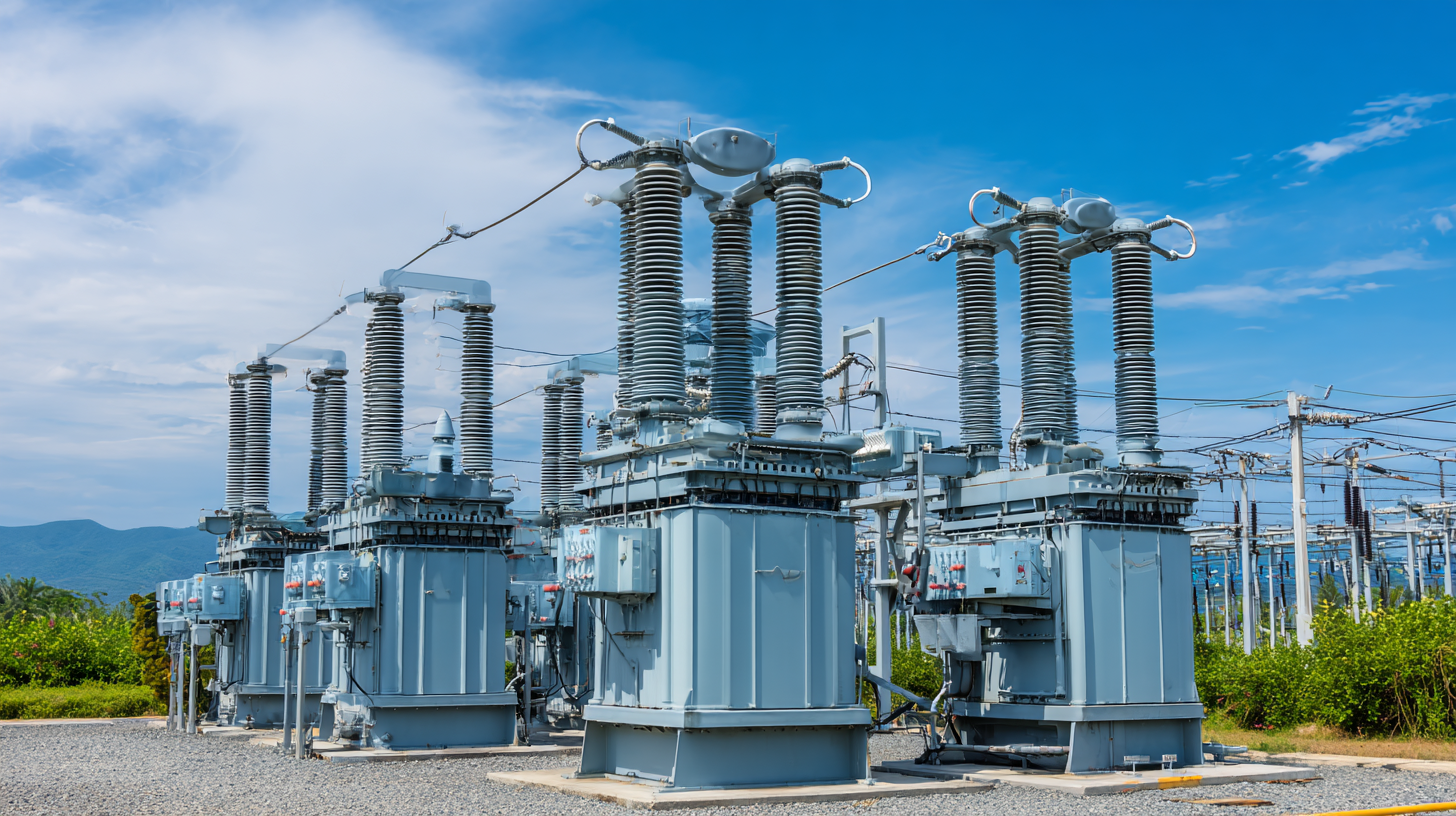
You know, in the constantly changing world of energy distribution, picking the right transformer really makes a difference when it comes to performance and efficiency. Lately, oil-filled transformers have been gaining a lot of popularity — and for good reason. They've got solid insulation and cooling features that help them last longer and work more reliably, which is a big deal for power systems. I read somewhere that the global transformer market is expected to hit around $70 billion by 2025, and a lot of that growth is leaning towards oil-filled versions, mainly because they just offer better technical benefits compared to air-cooled options. Companies like JZPE Power Transformer (Jiangsu) Co., Ltd. have been leading the charge since they started back in 1989. With a massive manufacturing plant covering about 200,000 square meters, they’re really using the latest tech to produce high-quality, high-performance oil-filled transformers. Their goal? To meet the energy needs of customers all around the globe, giving them innovative, sustainable solutions for Power Distribution systems. It's pretty impressive stuff, honestly.
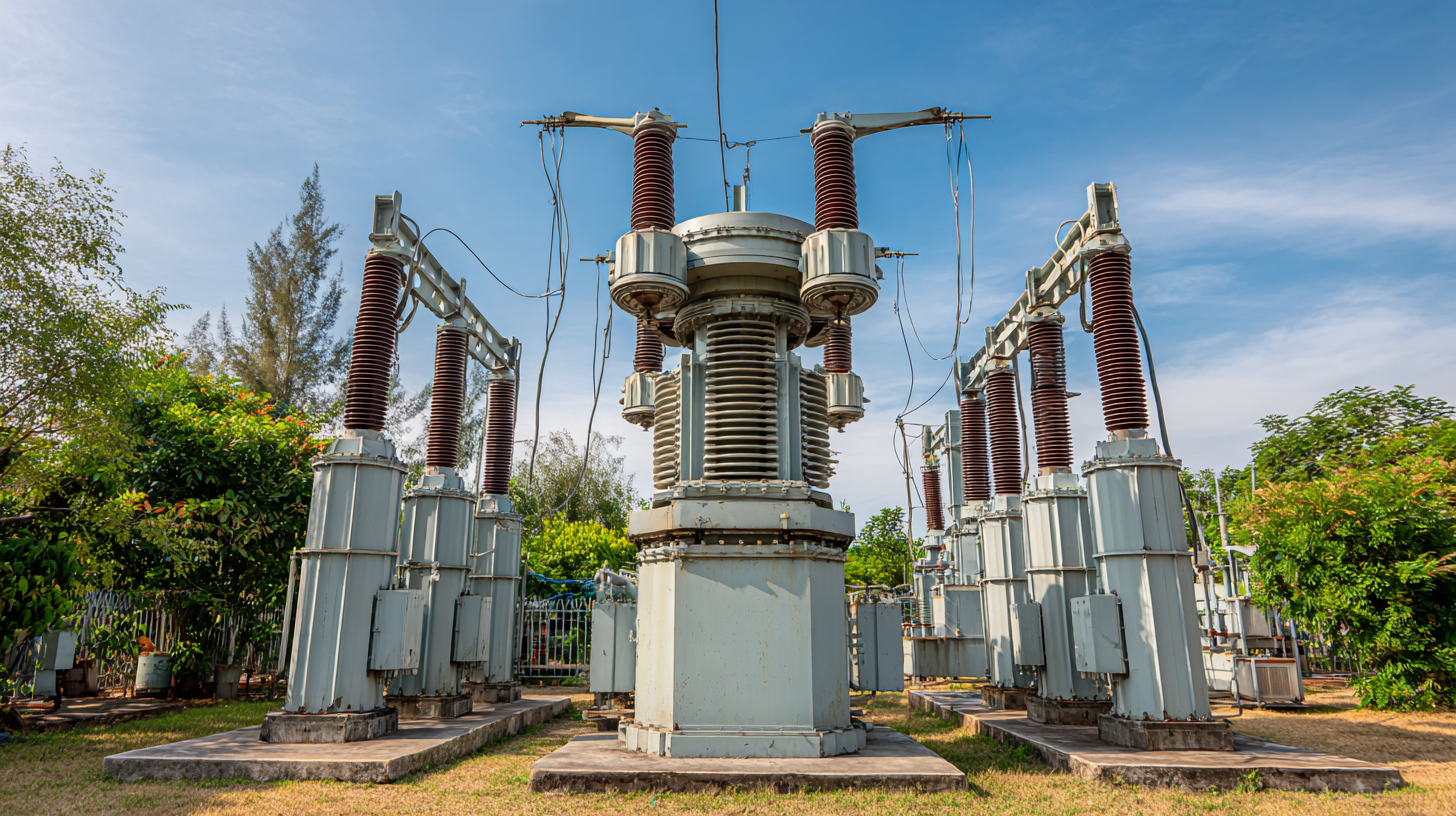
So, when you're picking out an oil-filled transformer for your power needs, there are a few important things to keep in mind. First off, the power rating is a big deal. According to a report by the Edison Electrical Institute, the global market for transformers is expected to hit around $29.1 billion by 2026 — which really shows how much the demand for reliable, efficient power systems is growing. It’s super important to get a handle on your load expectations and potential peak demands. That way, you pick a transformer that can handle everything without overheating or breaking down unexpectedly.
Another key factor is the insulation quality of the transformer. The IEEE Standards Association points out that good insulation isn’t just about safety — it helps the transformer last longer and cuts down on maintenance costs. Well-made oil-filled transformers can even last over 30 years if taken care of properly. Cooling methods are also worth thinking about — whether it’s natural oil circulation or forced cooling — because that can really impact how efficient the transformer runs. Some studies, like one in the International Journal of Electrical Power & Energy Systems, found that properly cooled transformers can be up to 10% more efficient. That kind of boost can add up to some serious energy savings over time. If you consider these factors, you’ll be way better equipped to choose the right oil-filled transformer for your particular energy needs—making sure it’s reliable and efficient in the long run.
| Feature | Description | Considerations |
|---|---|---|
| Power Rating | The maximum electrical power the transformer can handle, usually measured in kVA. | Select a transformer that can accommodate your peak load requirements. |
| Efficiency | The ratio of output power to input power, expressed as a percentage. | Higher efficiency can reduce operational costs and energy loss. |
| Cooling Method | Type of cooling system used, such as natural or forced air cooling. | Ensure adequate cooling for optimal performance and longevity. |
| Voltage Rating | The nominal voltage level that the transformer is designed to operate. | Match the transformer's voltage rating with your application requirements. |
| Insulation Class | The thermal endurance capability of the insulation system used. | Choose a class that suits the ambient temperature conditions. |
| Regulatory Compliance | Standards that the transformer must meet for safety and performance. | Ensure compliance with local and international regulations. |
| Cost | The total price of the transformer, including installation and maintenance. | Consider lifecycle costs rather than just initial purchase price. |
| Size and Weight | Physical dimensions and mass of the transformer. | Ensure your installation site can accommodate the size and weight. |
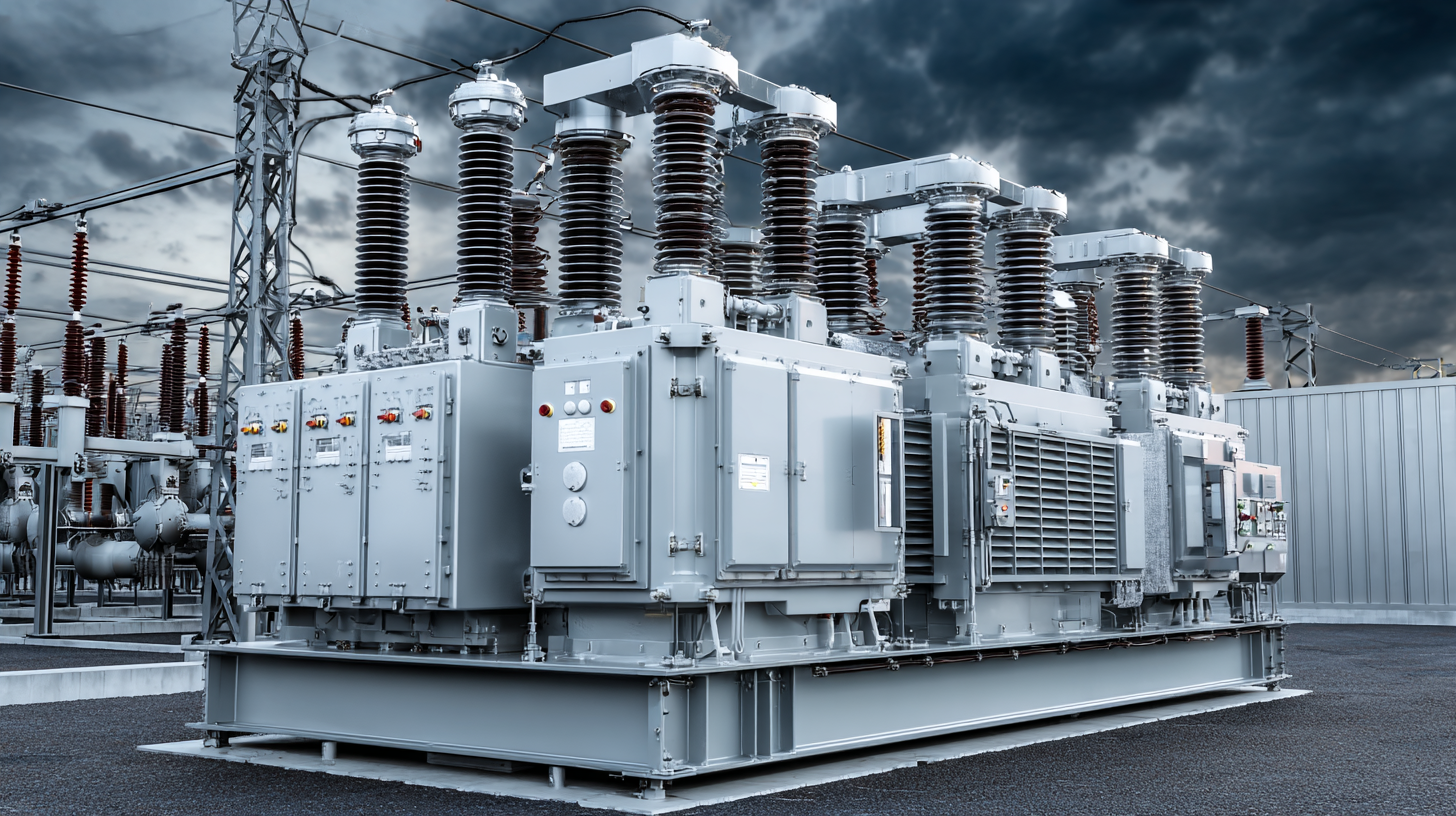
The analysis of 138kV and 132kv Power Transformers highlights their pivotal role in modern electrical infrastructure. Recent industry reports emphasize efficiency and reliability as critical factors when selecting transformers for high voltage applications. These transformers typically feature primary voltage ratings of 132kV or 138kV, making them well-suited for substations and industrial settings where high capacity is essential. Their secondary voltage ratings, which can include options like 11kV, 10.5kV, or even 6.6kV, provide flexibility for various distribution needs, enabling effective power delivery across different voltage levels.
Additionally, the high voltage tap range of ±8×1.25% offers enhanced adaptability, allowing operators to make fine adjustments in voltage to accommodate fluctuations in demand or supply conditions. This feature is critical for maintaining system stability and optimizing power flow. The standard connection type, YNd11, is recognized for its ability to enhance phase balance and reduce harmonics, thereby improving the overall performance of the electrical network. Furthermore, the oil-immersed design of these transformers ensures efficient heat dissipation and durability, catering to the rigorous demands of operational environments. Thus, selecting the right transformer based on these insights not only ensures reliable performance but also contributes to the efficiency of power systems in the long run.
: The two main types of oil-filled transformers are self-cooled transformers and forced-oil-cooled transformers. Self-cooled transformers use oil for cooling, suitable for moderate loads, while forced-oil-cooled transformers use pumps to circulate oil for higher loads.
To determine the appropriate size, assess the total load the transformer will support, including peak demand and future load growth. It’s also important to consider operational characteristics like required voltage levels and environmental factors.
Factors influencing the cost include the initial purchase price, installation costs, maintenance, and operational expenses. Transformer costs can vary widely based on specifications and capacity.
A transformer that is too small can lead to overheating and unexpected failures, compromising reliability and potentially causing outages.
Considering lifecycle costs is important because while some transformers may have a lower upfront cost, they might be less efficient over time, leading to higher energy consumption and maintenance costs.
Consulting with a qualified electrical engineer can provide tailored advice to optimize your energy system for efficiency and sustainability, ensuring the right transformer selection according to specific operational needs.
The global market for oil-filled transformers is projected to grow at a compound annual growth rate (CAGR) of 4.3% from 2021 to 2026.
One should assess projected load requirements and consider future expansion needs to ensure the selected transformer can accommodate growth efficiently.
Exploring financing options and potential incentives from local energy authorities can help alleviate the financial burden associated with acquiring the right oil-filled transformer.
Looking into 'The Essential Guide to Choosing the Right Oil-Filled Transformer for Your Energy Needs,' you'll find some key tips to help you pick the right transformer. It really highlights the importance of understanding the different types out there, making sure you get the right size to match your specific energy demands, and not forgetting the need for regular maintenance — that’s what keeps everything running smoothly in the long run. Plus, there’s a handy cost analysis that can give you a good idea of what to budget for when you're planning to buy one.
Now, when it comes to a trusted name in this game, JZPE POWER TRANSFORMER (JIANGSU) CO., LTD. really stands out. They've been around since 1989, designing and making power system solutions with cutting-edge tech and strict quality checks. That kind of experience really makes them a solid partner if you're after reliable, effective oil-filled transformers tailored to your energy needs.


 Thinking about buying an oil-filled transformer? Well, one of the most important things to get right is your budget. The price tag on the transformer itself is just the start—don’t forget about the installation, ongoing maintenance, and running costs, either. Depending on what you need in terms of size and specs, prices can really vary. For instance, a small transformer might be a few grand, while bigger, more sophisticated models can easily run into tens of thousands. So, it’s pretty crucial to have a