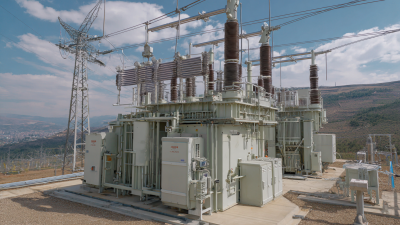
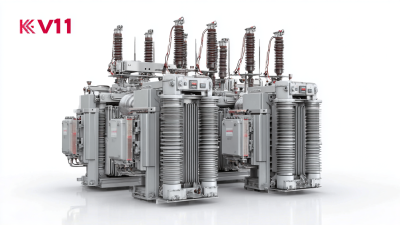
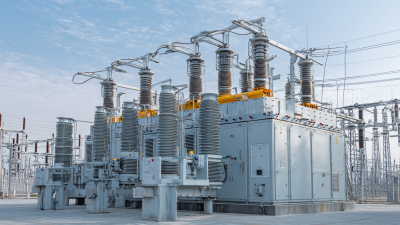
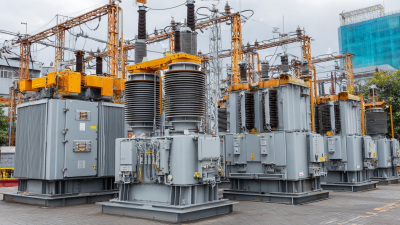
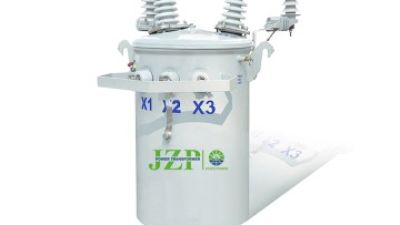
When you're choosing a High Voltage Oil Immersed Transformer, it's really important to get a good sense of what you actually need. These transformers are pretty essential when it comes to distributing power, and they gotta work reliably and efficiently, often in different kinds of environments. So, taking the time to carefully assess your specific requirements is definitely worth it.
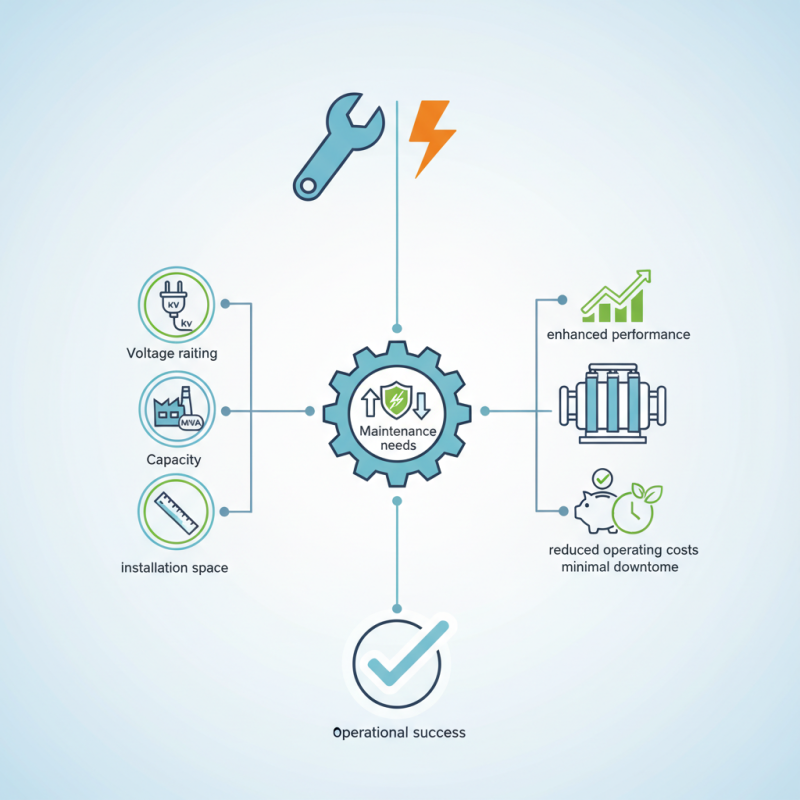
Think about things like the voltage levels, how much capacity you need, and where you'll be installing it. Picking the right model can make a big difference in how well everything runs. Brands like Siemens and ABB have tons of options, but honestly, finding the perfect fit isn’t always a walk in the park. Sometimes folks forget to pay attention to key specs, which can lead to issues down the line.
It's also smart to look into how efficient the transformer is and how much maintenance it’ll likely need. A top-notch transformer should help cut down on downtime and keep your operating costs in check. Every decision you make here matters in the long run, so it’s worth taking the time to consider all these factors to avoid costly mistakes. At the end of the day, picking the right High Voltage Oil Immersed Transformer is crucial to keeping everything running smoothly and successfully.
Factors to Consider When Selecting a High Voltage Oil Immersed Transformer
When selecting a high voltage oil immersed transformer, several factors come into play. First, the electrical specifications are crucial. Determine the voltage rating and power capacity you need. This can prevent potential failure or inefficiency in the grid. It's essential to conduct a thorough load analysis. Miscalculations here can lead to significant issues later.
Next, consider the ambient conditions. If the transformer will operate in a hot or humid environment, ensure it's designed to handle such conditions. The insulation and cooling systems are also vital. Poor thermal management may result in overheating. Look for models that provide adequate protection.
Lastly, examine the maintenance requirements. Regular upkeep is necessary for optimal performance. Some transformers may require more frequent checks. This can lead to increased costs and downtime. Evaluate if your team is equipped for this task. If not, seek options that require less routine attention. Balancing these factors can be quite challenging. Each decision should align with your specific needs and circumstances.
Understanding the Different Voltage Ratings and Their Applications
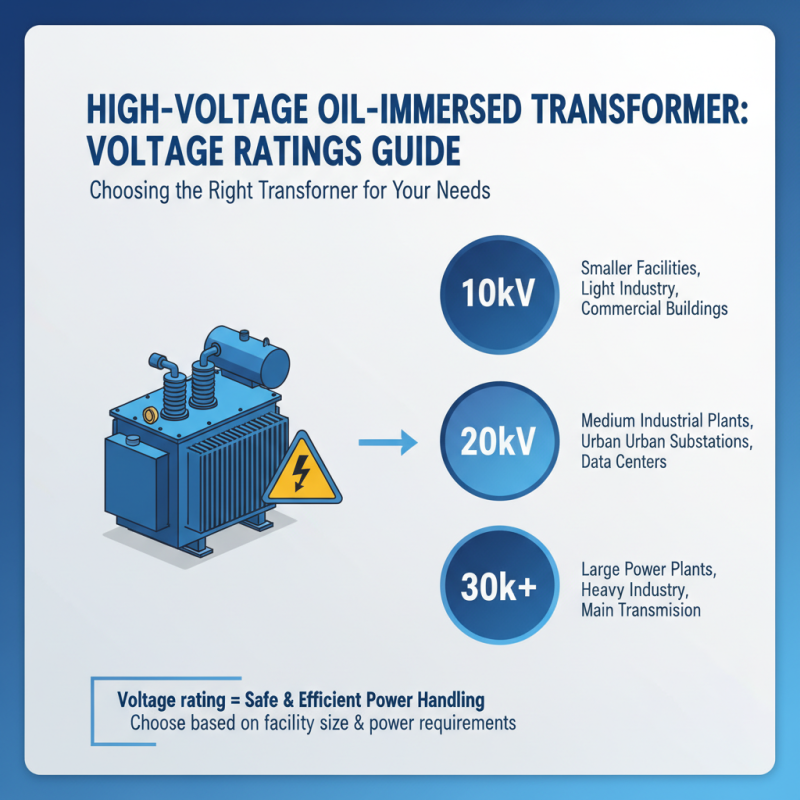
Choosing the right high voltage oil immersed transformer requires a clear understanding of voltage ratings. Voltage ratings indicate how much electricity the transformer can handle safely and efficiently. Common ratings include 10kV, 20kV, and 30kV. Each rating serves specific applications in industrial or commercial settings. For instance, lower voltage ratings suit smaller facilities, while higher ratings are vital for large power plants.
Moreover, the application environment is essential. High Voltage Transformers work in various conditions, from humid to dry. Selecting the correct rating can be complex. A mismatch may lead to overheating or inefficient power distribution. In some cases, users overlookTransformer Oil High Voltage requirements. This can result in reduced performance and potential failures.
Despite having guidelines, many fade when faced with real-world pressures. Site conditions and available space often complicate choices. It's worth revisiting the fundamental principles of high voltage transformer ratings and their applications. Understanding these nuances helps avoid costly mistakes. Investing time in research pays off in the long run.
Evaluating Transformer Capacity: KVA versus Load Requirements
When selecting a high voltage oil immersed transformer, understanding transformer capacity is crucial. KVA ratings are essential. They indicate how much power a transformer can handle. For example, a 100 KVA transformer supports a load demand of 100 KVA under optimal conditions.
Load requirements often fluctuate. A plant may need 80 KVA at peak times. However, during off-peak hours, the requirement could drop to 50 KVA. Your transformer must meet these varying demands. According to industry reports, overloading a transformer by just 10% can reduce its lifespan significantly. This may require costly replacements earlier than anticipated.
Furthermore, consider efficiency. A highly efficient High Voltage Transformer will reduce losses. Even a small increase in efficiency can save hundreds of dollars annually in energy costs. Yet, many users ignore this aspect. They opt for lower upfront costs instead of long-term savings. This choice can lead to wastage of resources and increased operational expenses over time.
Key Materials Used in High Voltage Oil Immersed Transformers
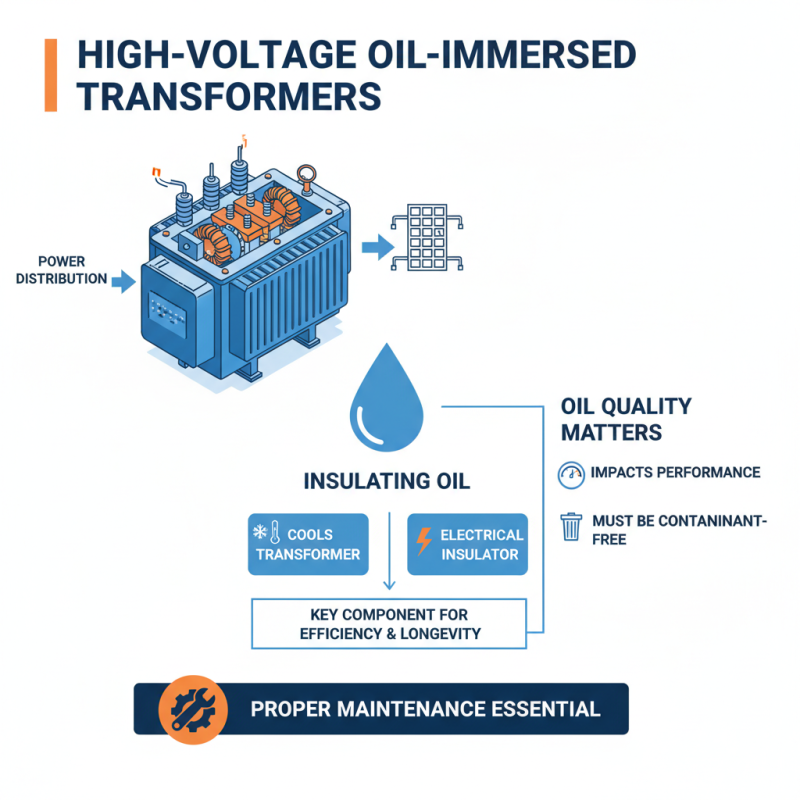
High voltage Oil Immersed Transformers play a critical role in power distribution. Choosing the right materials is vital for their efficiency and longevity. Insulating oil is one of the key components. It not only cools the transformer but also acts as an insulator. The quality of the oil can significantly impact performance. Proper maintenance is essential to ensure it remains free from contaminants.
The core is another significant part. Usually made from silicon steel, this material helps in reducing energy losses. The core design must be precise. Any imperfection can lead to inefficiencies. Additionally, copper or aluminum windings are used for conductivity. Copper offers lower resistance but comes at a higher cost. Aluminum is lighter and more cost-effective but may require thicker wires.
Lastly, the tank material must withstand environmental factors. Steel is commonly used, but it might corrode over time. Proper coatings can extend its life. Each component must be scrutinized to avoid future issues. For those selecting a 50hz High Voltage Transformer, consider the interplay of these materials carefully. They determine not only performance but also safety and reliability.
Importance of Cooling Systems in Transformer Efficiency
Cooling systems play a critical role in maintaining the efficiency of high voltage oil immersed transformers. These transformers generate heat as they operate. Without proper cooling, excessive heat can lead to equipment failure. Cooling systems help dissipate this heat, ensuring optimal performance and longevity.
There are various types of cooling methods, such as natural and forced oil circulation. Natural cooling relies on the convection of oil within the transformer. This method works but can be less efficient. Forced circulation, on the other hand, uses pumps to enhance heat transfer. This option tends to be more effective in managing temperatures. Each method has its pros and cons, and the choice depends on specific operational requirements.
Consideration of ambient temperature is also vital. In hotter climates, more robust cooling solutions may be needed. Sometimes, even well-designed systems may struggle in extreme conditions. Regular maintenance is required to ensure these systems operate correctly. Neglect can lead to costly downtime and failures. Balancing efficiency and reliability requires ongoing attention to cooling requirements.
Assessing Regulatory Standards and Compliance Issues
When selecting a high voltage oil immersed transformer, regulatory standards are crucial. Compliance with local and international standards ensures safety and reliability. These standards often dictate design, materials, and testing protocols. It is vital to familiarize yourself with standards like IEEE and IEC. They can affect functionality, efficiency, and longevity.
Tips: Keep documentation organized. Regular audits can prevent compliance issues.
Understanding testing requirements is equally important. Certifications verify that the transformer meets specific operational criteria. Quality assessments should include insulation tests, thermal performance checks, and dielectric strength evaluations. Failing to adhere to these can lead to equipment failure.
Tips: Engage with experienced professionals. Regular training can help your team stay updated on compliance changes.
Remember, the right transformer is not only about specifications. Reflect on past installations and their issues. Each project can introduce unique challenges requiring fresh considerations. Balancing compliance with operational needs is essential for a successful deployment.
Analyzing Maintenance and Longevity Expectations of Transformers
When selecting a high voltage oil immersed transformer, maintenance and longevity are key factors. Regular maintenance can significantly extend a transformer's lifespan. It is essential to establish a routine that includes oil testing, thermal imaging, and general inspections. Over time, oil quality can degrade. Contaminants may accumulate, leading to serious issues. Keeping track of oil conditions is vital.
The environment plays a huge role, too. Factors like humidity and temperature fluctuations can affect performance. Medium High Voltage Transformers often need more attention in harsher conditions. Inspections should be frequent and thorough. Small signs of wear can escalate quickly. Ignoring them can lead to expensive repairs or replacements. Operators must be vigilant.
Budget constraints often affect maintenance schedules. Investing in thorough checks may seem costly upfront. However, overlooking maintenance can lead to even greater financial burdens. Balancing cost and care is a challenge many face. Prioritizing proactive measures can pay off. Longevity relies heavily on consistent and careful management. Long-term planning is essential for reliable operation.
Analyzing the Efficiency and Reliability of Cooper Oil Immersed Transformers in High Frequency Applications: Insights from Recent Industry Reports
In high-frequency applications, the efficiency and reliability of Cooper oil immersed transformers are critical for optimal performance. Recent industry reports indicate that transformers with a capacity range of 15kVA to 500kVA are increasingly favored for their adaptability and robust design. With the rise in renewable energy sources and electric vehicle charging stations, these transformers are proving essential in providing stable and efficient power distribution.
A report from the International Electrotechnical Commission (IEC) highlighted that oil-immersed transformers operate effectively in various conditions, achieving an efficiency rating of over 98%. This high efficiency is attributed to their advanced cooling mechanisms, which minimize losses during operation. Additionally, the insulation properties of the oil used in these transformers not only enhance reliability but also contribute to their long-term durability, making them suitable for continuous operation in demanding environments.
Furthermore, studies have shown that transformers in the larger capacity range (up to 500kVA) exhibit improved thermal performance and can handle load fluctuations more effectively than their smaller counterparts. This is particularly relevant in industrial settings, where power demands can vary widely. The selection of the right transformer for a specific application involves careful consideration of these performance metrics to ensure compliance with industry standards and the seamless integration of high-frequency technology.
FAQS
: The product aims to provide users with convenience and efficiency in daily tasks.
Follow the user manual for detailed instructions. Practice makes usage easier over time.
Yes, always use it in a well-ventilated area. Keep away from children and pets.
Try resetting it. If the problem persists, consult customer support for assistance.
Yes, it can serve various functions depending on your needs and creativity.
Regular cleaning is essential. Neglecting maintenance may lead to performance issues.
The lifespan varies but is generally several years with proper care.
Not reading the manual fully can lead to misuse. Take time to understand it.
Yes, a limited warranty is usually provided. Check the terms for details.
Yes, many sellers offer a return policy. Check conditions for returns and exchanges.
Conclusion
Choosing the right High Voltage Oil Immersed Transformer involves a detailed assessment of several critical factors. It is essential to understand the various voltage ratings and their specific applications, ensuring that the selected transformer meets the operational requirements. Evaluating the transformer's capacity in relation to load requirements is crucial, as it determines efficiency and performance. Additionally, the materials used in constructing these transformers significantly impact their reliability and longevity.
The efficiency of a High Voltage Oil Immersed Transformer is also influenced by its cooling system, which must be appropriately designed to manage operational heat. Compliance with regulatory standards is vital for safety and performance, while anticipated maintenance routines play a pivotal role in extending the lifetime of the transformer. Thus, a comprehensive evaluation of these elements will guide users in selecting a transformer that meets both functional and regulatory needs effectively.

 +86 18068001229
  Contact Phone
 Contact Email