In the ever-changing world of electrical engineering, picking the right High Voltage Oil Immersed Transformer isn’t just a technical choice—it's pretty much key to making sure power gets distributed reliably. I was reading a recent report from the International Energy Agency, and it’s kinda crazy how much the transformer market is expected to grow. By 2027, they say it’ll hit around 26.2 billion USD! That’s a lot, and honestly, it makes sense when you think about how more and more countries are focusing on better energy management and pushing for renewable sources—they usually need solid transformer tech to keep everything running smoothly.
Experts are also stressing just how important it is to pick the right transformer. Dr. Emily Schwartz, who’s basically an authority in this area, mentioned, 'Choosing a High Voltage Oil Immersed Transformer isn’t just about specs; it’s a big part of making sure systems are efficient and safe.' That really hits home because it’s not just about the numbers on paper—it’s about how these transformers fit into the bigger picture of safety and performance in today’s infrastructure.
So, when it comes to selecting one of these transformers, understanding what really matters can make a big difference in how long they last and how well they perform. Folks involved in these decisions should really think about more than just the technical specs—they also need to consider environmental conditions, how much maintenance’s involved, and whether they are meeting all the industry standards. It’s not just a purchase—it’s an investment in safety and efficiency overall.
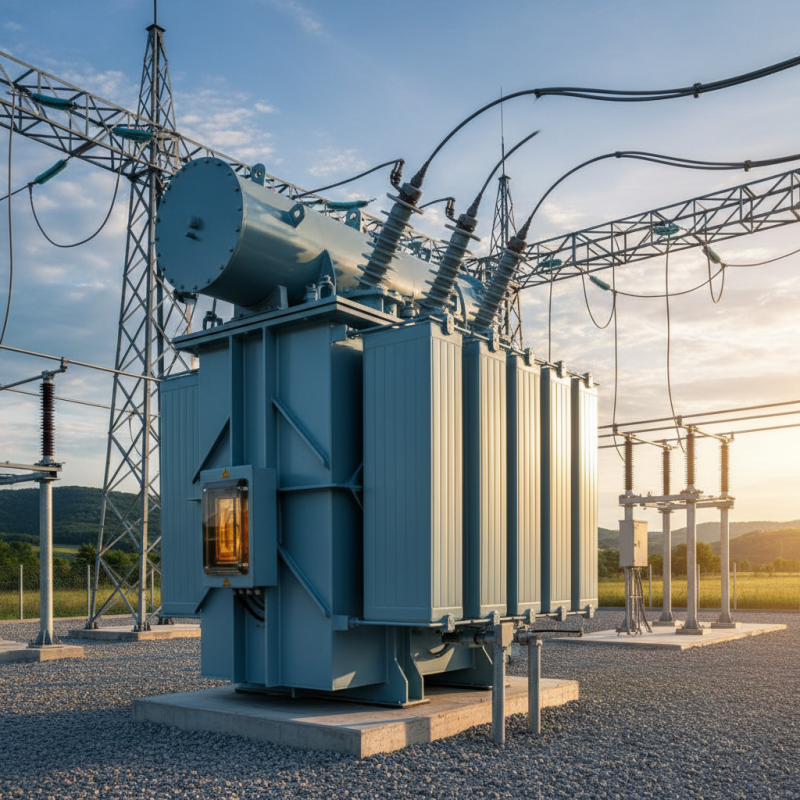
Understanding High Voltage Oil Immersed Transformer: Key Features
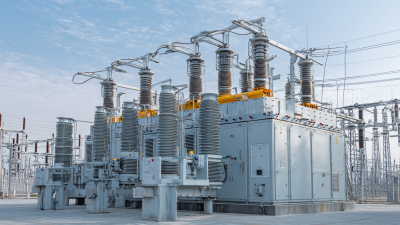
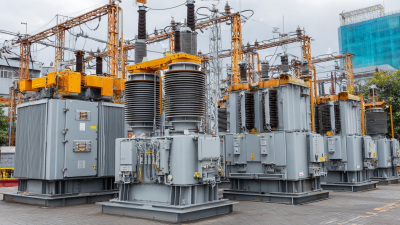
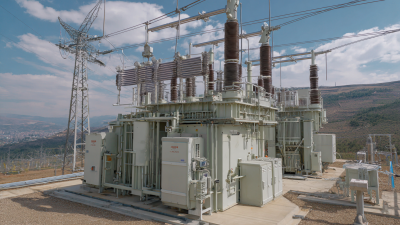
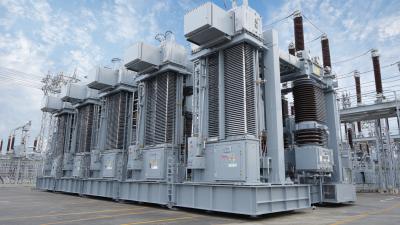
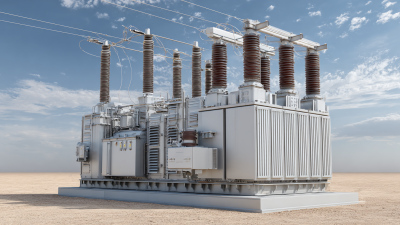
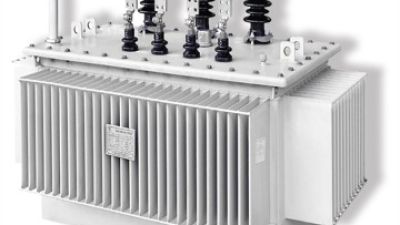
High voltage Oil Immersed Transformersare essential components in Power Distribution systems, designed to operate efficiently under extreme conditions. One of the key features of these transformers is their ability to cool the electrical components through the oil in which they are immersed. This oil not only provides cooling but also offersinsulation, which is vital for maintaining the transformer's performance and longevity. The high dielectric strength of the oil contributes to the safe operation of transformers, allowing them to handle significant electrical loads without overheating or failing.
In addition to their cooling and insulating properties, high voltage oil immersed transformers are engineered with robust safety features. They are equipped with pressure relief devices to manage internal pressures during operation, which can be critical during fault conditions. Furthermore, these transformers typically include safety alarms and monitoring systems that provide real-time data on temperature, pressure, and oil levels. This proactive approach to monitoring ensures that any potential issues can be addressed before they lead to system failures, thus enhancing operational safety and reliability.
Evaluating Load Capacity: Determining the Right Power Rating (kVA)
When selecting a high voltage oil immersed transformer, evaluating load capacity is crucial for determining the appropriate power rating in kVA (kilovolt-amperes). The power rating reflects the maximum load a transformer can handle without overheating or experiencing operational failures. To accurately assess load requirements, one must consider the entire system's demand, including peak loads, continuous operation levels, and potential future expansions. Gathering detailed information about the types of equipment that will be connected to the transformer helps in making precise calculations.
Additionally, it's important to factor in the environmental conditions the transformer will operate in, such as temperature and humidity levels. These elements can influence the transformer's efficiency and overall performance. For instance, a transformer running in a hotter climate may require a higher kVA rating to maintain optimal functioning compared to one in a cooler setting. By carefully evaluating both the expected load and environmental factors, one can choose a transformer that not only meets current demands but is also resilient enough to accommodate future needs. This strategic approach ensures long-term reliability and cost-effectiveness in transformer performance.
Top Tips for Choosing a High Voltage Oil Immersed Transformer Safely - Evaluating Load Capacity: Determining the Right Power Rating (kVA)
| Load Type | Power Rating (kVA) | Voltage (kV) | Phase | Efficiency (%) |
| Lighting Load | 100 | 11 | Single | 95 |
| Industrial Load | 250 | 11 | Three | 97 |
| Commercial Load | 150 | 11 | Three | 94 |
| HVAC Load | 200 | 11 | Three | 95 |
| Motors Load | 300 | 11 | Three | 96 |
Insulation Class: Importance of Proper Ratings for Safety and Efficiency
When selecting a high voltage oil immersed transformer, understanding the insulation class is paramount for achieving both safety and operational efficiency. The insulation class refers to the thermal endurance of the insulating materials used within the transformer. It is classified according to temperature ratings, which can significantly impact the transformer's longevity and performance. Choosing a transformer with the appropriate insulation class ensures that it can operate safely under the thermal stresses present in high voltage applications, thereby minimizing the risk of breakdown or failure.
Additionally, proper insulation ratings play a crucial role in the energy efficiency of transformers. High insulation ratings allow for better thermal management, which in turn reduces energy losses due to overheating. This not only helps in prolonging the lifespan of the transformer but also contributes to lower operational costs. It is essential to consult industry standards and guidelines when determining the suitable insulation class for specific applications, as this will aid in selecting a transformer that meets safety regulations while optimizing performance under demanding conditions.
Transformer Cooling Methods: Impact on Performance and Longevity
Transformer cooling methods play a crucial role in the performance and longevity of high voltage oil immersed transformers. The primary cooling techniques include natural cooling, forced air cooling, and water cooling. Natural cooling, also known as oil immersion cooling, relies on the natural circulation of coolant oil within the transformer to dissipate heat. This method is often beneficial for standard applications, as it requires minimal maintenance and is generally efficient. However, its effectiveness may be limited in high-capacity transformers where heat generation is significant.
In contrast, forced air and water cooling systems are designed to improve heat dissipation in high-demand scenarios. Forced air cooling uses fans to circulate air over the transformer surfaces, while water cooling employs a heat exchanger system to regulate temperatures. These methods can significantly enhance the transformer's thermal performance, leading to reduced operating temperatures and increased lifespan.
Moreover, they can support higher load capacities, making them ideal for industrial applications where efficiency is paramount. Evaluating the cooling method's suitability for specific transformer use cases is essential, as it directly impacts overall reliability and durability.
Selecting Materials: The Role of Oil Quality and Dielectric Strength
When selecting materials for a high voltage oil immersed transformer, two critical factors stand out: oil quality and dielectric strength. The quality of the insulating oil plays a vital role in the transformer's overall reliability and longevity. According to the IEEE Guide for Acceptability of Insulating Oil for Transformers, a minimum breakdown voltage of 30 kV is often considered a benchmark for high-quality transformer oils. Oils with higher dielectric strength not only offer better insulation but also stability under varying temperature conditions, reducing the risk of failures.
Moreover, the choice of oil significantly impacts the efficiency of heat dissipation within the transformer. Research shows that vegetable-based insulating oils can have a dielectric strength up to 20% higher than traditional mineral oils. This increase in dielectric strength translates to improved performance under high-load conditions, making them a compelling choice for modern transformer designs.
Regular monitoring of oil quality is crucial; the presence of contaminants or moisture can drastically lower dielectric strength. It's recommended to conduct annual oil testing to ensure consistent performance, aligning with the recommendations from the IEC 60475standard for the determination of the dielectric strength of insulating liquids. By prioritizing oil quality and dielectric strength, engineers can enhance the safety and efficiency of High Voltage Transformers.
Safety Standards: Compliance with IEC and ANSI Regulations
When selecting a high voltage oil immersed transformer, compliance with established safety standards is paramount. The International Electrotechnical Commission (IEC) and the American National Standards Institute (ANSI) set forth regulations that govern the design, construction, and testing of transformers to ensure they operate safely and effectively. Adhering to these standards helps mitigate risks associated with electrical faults, overheating, and environmental hazards. It is essential for manufacturers and operators to ensure that their equipment meets the latest IEC and ANSI guidelines to avoid potential safety violations that could arise from outdated practices.
Moreover, understanding the specific requirements outlined by the IEC and ANSI can significantly influence the safety features integrated within the transformer. For instance, these standards may stipulate the use of specific materials, insulation processes, and operational parameters that enhance the reliability and efficiency of the transformer. Engaging with certified professionals who are well-versed in these regulations during the selection process can facilitate a safer operational environment and promote best practices in maintenance and troubleshooting. Ensuring compliance not only aligns with legal requirements but also fosters a culture of safety and accountability within electrical installations.
Maintenance Practices: Ensuring Reliability and Preventing Failures
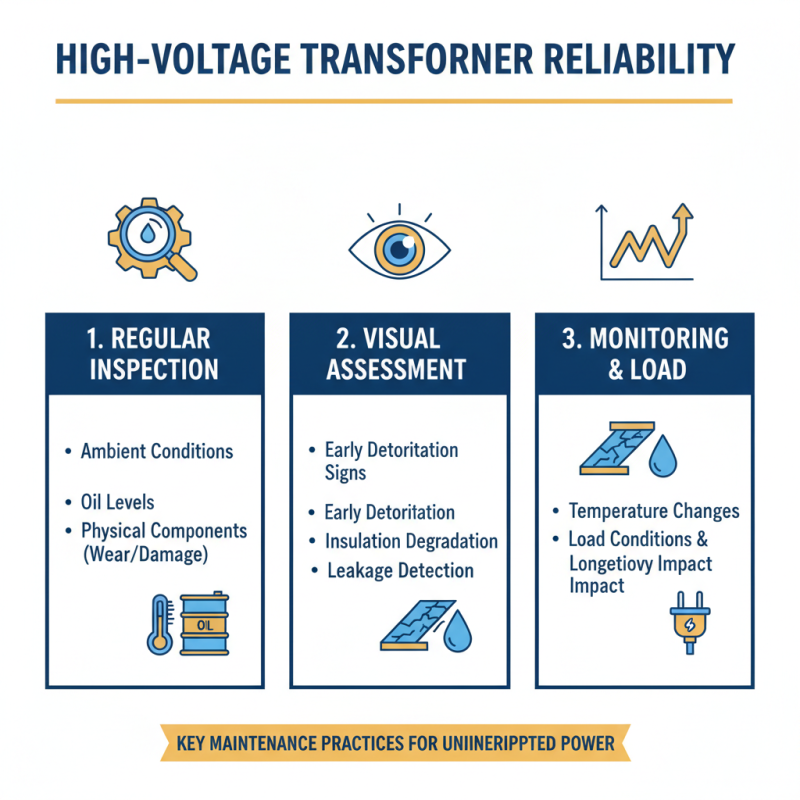
Maintenance practices play a crucial role in ensuring the reliability of high voltage oil immersed transformers and preventing potential failures. Regular inspection is the first step to effective maintenance. This includes checking ambient conditions, oil levels, and examining physical components for signs of wear or damage. A thorough visual inspection can often reveal early signs of deterioration, such as insulation degradation or leakage. Additionally, it's important to monitor temperature changes and load conditions, as these can impact the transformer's performance and longevity.
Another key maintenance practice is oil testing and analysis. The insulating oil within these transformers is critical for both cooling and electrical insulation. Periodic testing for moisture content, dissolved gases, and other contaminants can help identify problems before they escalate into serious issues. Proper oil filtration and replacement, as needed, will also enhance transformer performance and extend its operational life. Coupled with routine maintenance checks, implementing a proactive oil management strategy can significantly reduce the risk of transformer failures, ensuring safer and more reliable power distribution.
Advancements in Durable Oil-Immersed Three-Phase Grid Systems: Insights from the 2023 Global Energy Report
The 2023 Global Energy Report highlights significant advancements in durable oil-immersed three-phase grid systems, particularly in the face of increasing demand for reliable power distribution solutions. With the global energy landscape evolving, the need for efficient transformers that can operate under varying environmental conditions has never been more critical. Three-phase oil-immersed distribution transformers have emerged as a robust option for stepping down high-voltage electricity to levels that can be effectively utilized in different sectors.
These transformers, designed for continuous operation, utilize insulating oil not only for cooling but also for electrical insulation. This dual functionality enhances their reliability and longevity, making them suitable for residential, commercial, and industrial applications. According to recent industry reports, the deployment of oil-immersed transformers can lead to energy efficiency improvements of up to 15%, reducing operational costs significantly while adhering to international standards set by IEC and IEEE. Their design prioritizes safety and sustainability, reflecting a growing commitment to environmentally friendly energy solutions.
As more regions strive to modernize their electrical grids, the focus on durability and efficiency in oil-immersed transformers has become paramount. The 2023 Global Energy Report underscores this trend, indicating that investments in these technologies are essential for achieving global energy targets. As such, oil-immersed three-phase distribution transformers stand out as a critical component in the development of resilient power distribution networks, ensuring a stable and sustainable energy future.
FAQS
: The insulation class is crucial for ensuring safety and operational efficiency, as it indicates the thermal endurance of the insulating materials. Proper insulation ratings help minimize the risk of breakdown or failure under thermal stresses.
High insulation ratings improve thermal management, reducing energy losses due to overheating. This not only extends the transformer's lifespan but also lowers operational costs.
The primary cooling methods include natural cooling (oil immersion cooling), forced air cooling, and water cooling. Each method varies in efficiency and maintenance requirements, depending on the transformer’s load capacity.
Forced air and water cooling methods enhance heat dissipation, resulting in reduced operating temperatures, increased lifespan, and the ability to support higher load capacities, making them ideal for industrial applications.
The quality of insulating oil is critical for the transformer’s reliability and longevity. Oils with higher dielectric strength offer better insulation and stability, reducing the risk of failures.
A minimum breakdown voltage of 30 kV is typically considered a benchmark for high-quality transformer oils, ensuring adequate insulation performance.
Vegetable-based insulating oils can have a dielectric strength up to 20% higher than traditional mineral oils, which improves performance under high-load conditions.
Regular monitoring is essential because contaminants or moisture can significantly lower dielectric strength, impacting the transformer's performance and safety. Annual oil testing is recommended.
The cooling method directly influences the transformer's thermal performance. Proper cooling ensures efficient temperature regulation, enhancing overall reliability and durability.
It is essential to consult industry standards and guidelines to determine the suitable insulation class, ensuring compliance with safety regulations while optimizing performance under demanding conditions.
Conclusion
When selecting a High Voltage Oil Immersed Transformer, it is crucial to understand its key features, including load capacity, insulation class, and cooling methods. Evaluating the transformer’s power rating (kVA) ensures that it meets the specific demands of the application. Proper insulation ratings are vital for safety and efficiency, while the choice of cooling method affects both performance and longevity.
The quality of materials, particularly oil quality and dielectric strength, significantly influences the transformer's reliability. Adhering to safety standards, including IEC and ANSI regulations, is essential for compliance and operational integrity. Regular maintenance practices further enhance the reliability of the High Voltage Oil Immersed Transformer, minimizing the risk of failures and extending its service life.

 +86 18068001229
  Contact Phone
 Contact Email