So, when you look at today's energy scene, it’s pretty clear that how we distribute power really depends on having good solutions in place. One option that's been catching people's eye lately is the Pole Mounted Transformer(PMT). I recently read what Dr. John Smith from PowerTech Solutions had to say — he’s pretty much an expert, right? — and he mentioned, "Pole Mounted Transformers are absolutely crucial for delivering energy efficiently, whether you’re in the city or out in the countryside." That kind of sums up their importance, doesn’t it?
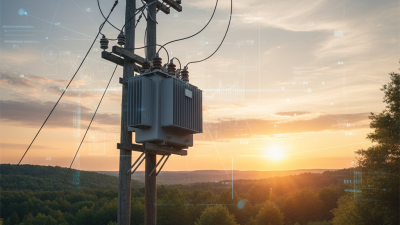
These devices are actually installed right on utility poles, which makes them less bulky and easier to access. They connect straight to the power lines, so they keep the power flowing reliably without causing much hassle or disruption around the neighborhood. What’s nice is that they’re pretty compact and simple to maintain, so they’re quite popular. Of course, I’d say a little caution is always good during installation — safety shouldn’t be overlooked.
Now, even though PMTs have a lot going for them, making the decision to go with one isn’t always straightforward. You need to think about things like how much load they’ll need to handle and what kind of environmental conditions they’ll be exposed to. While these transformers are super handy for Power Distribution, it’s important to plan things out carefully and get advice from experts. When you do that, you’ll make sure the system runs smoothly, reliably, and efficiently, meeting everyone’s power needs without a hitch.
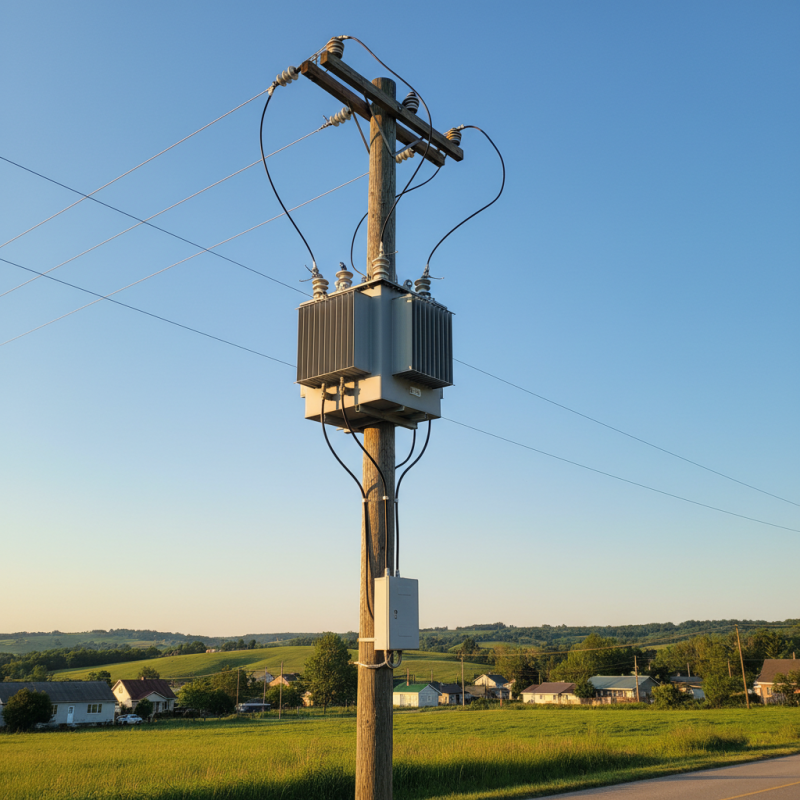
Understanding Pole Mounted Transformers: An Overview
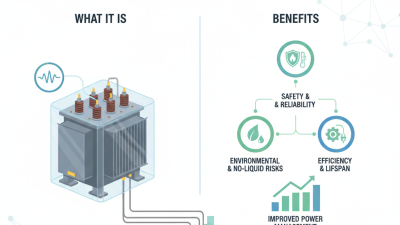
Pole mounted transformers are essential components in modern power distribution systems. Their design allows for efficient energy transfer from high voltage power lines to lower voltage, making electricity usable for homes and businesses. These transformers are typically installed on utility poles, taking advantage of existing infrastructure, which reduces installation costs. Their placement also helps in reducing the footprint of electrical equipment in urban areas.
One key advantage is their ability to withstand harsh weather conditions. Pole mounted transformers are built to endure rain, snow, and extreme temperatures. This durability ensures a reliable power supply. However, regular maintenance is necessary to spot potential issues. Neglect can lead to equipment failures, resulting in outages. It's important for utility companies to schedule inspections.
Safety is another crucial aspect. Proper grounding and insulation are vital to prevent accidents. However, there can be challenges with urban development that encroaches on power lines. This poses unique risks that must be addressed. Striking a balance between accessibility and safety is essential for optimal performance. It is also a responsibility shared by utilities and the community.
The Functionality of Pole Mounted Transformers in Power Distribution
Pole mounted transformers play a crucial role in modern power distribution. They transform high voltage electricity into a usable low voltage for homes and businesses. According to the Electric Power Research Institute, these transformers contribute significantly to grid reliability. They enhance efficiency and minimize energy losses.
One key benefit of pole mounted transformers is their compact design. This allows for easy installation in various environments. These transformers can be placed on utility poles, saving valuable ground space. However, they may sometimes be subject to environmental wear and tear. Regular maintenance is essential for optimal functionality. A study by the International Energy Agency showed that 20% of transformer failures are due to lack of maintenance.
Tip: Regularly inspect transformers for physical damage.
Additionally, pole mounted transformers have lower operational costs. They typically require less investment than substations. The average lifespan is around 30 years, making them a reliable choice. However, they can face challenges in extreme weather. Proper installation techniques and location selection are vital to minimize risk.
Tip: Conduct a risk assessment for installation locations.
Advantages of Using Pole Mounted Transformers for Energy Needs
Pole mounted transformers are an efficient choice for energy distribution. They provide several advantages for both residential and commercial applications. Their elevated design saves ground space, making them ideal for urban settings. Many utilities prefer them due to easier accessibility for maintenance. A 5kv Pole Mounted Transformer can handle significant loads while being compact.
One critical advantage is enhanced reliability. These transformers are less prone to damage from flooding or other ground-level hazards. Additionally, pole mounted options often have a longer lifespan because they are better ventilated. Proper placement can lead to reduced energy losses.
**Tips:** When selecting a pole mounted transformer, consider the specific energy demands of your site. Always consult with a professional for optimal placement to ensure safety and efficiency. Regular inspections can prevent minor issues from escalating. Plus, be aware of local regulations regarding installation.
Comparing Pole Mounted Transformers to Ground Mounted alternatives
When comparing pole mounted transformers to ground mounted alternatives, several factors need consideration. Pole mounted transformers are often favored for their space-saving design and ease of installation. They typically require less groundwork, making them quicker to deploy. According to industry studies, they can be installed in 30% less time compared to ground mounted units. This translates to lower labor costs.
On the other hand, ground mounted transformers have a few advantages too. They are generally more accessible for maintenance and can operate at higher capacities. This can be crucial for areas with high energy demands. Reports indicate that ground mounted systems might exhibit better thermal performance under heavy loading conditions. However, their installation can be complicated due to site preparation and increased space requirements.
Tips: If you choose pole mounted transformers, assess the environment carefully. Proximity to trees or buildings could raise maintenance issues. Also, consider future expansion needs, as pole mounted systems may limit capacity growth over time. Always consult a qualified electrician to evaluate which option best suits your specific power needs and conditions.
Key Components and Technical Specifications of Pole Mounted Transformers
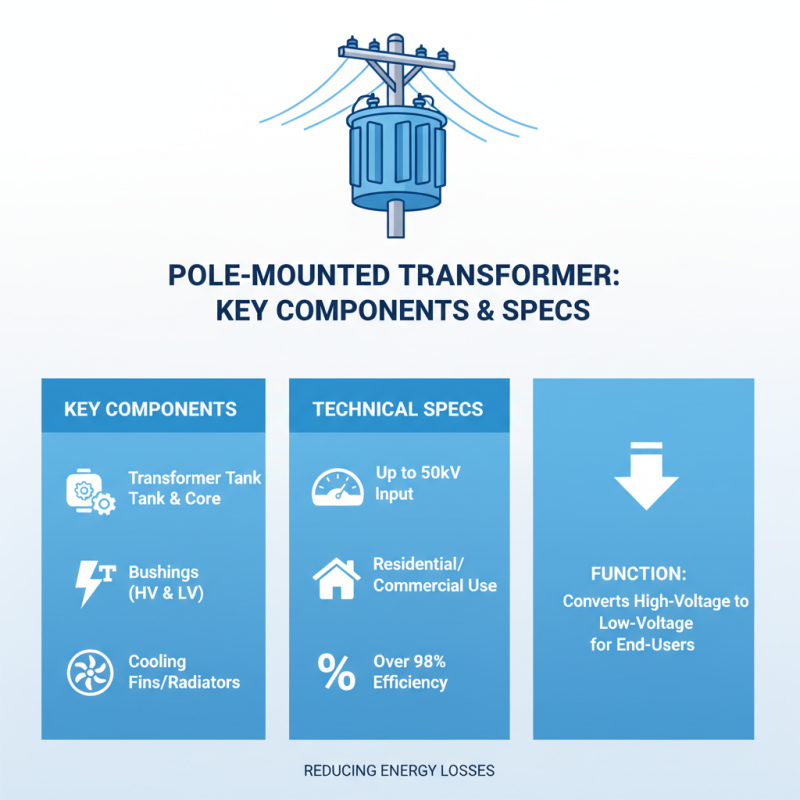
Pole mounted transformers play a crucial role in the distribution of electricity. These transformers vary in size and capacity, but most are designed to handle loads of up to 50kV. This capability makes them ideal for residential and commercial applications. They serve as a bridge, converting high voltage transmission power to a lower voltage suitable for end-user consumption. The efficiency of these transformers can often reach over 98%, which is critical for reducing energy losses during transmission.
Key components of a pole mounted transformer include the primary and secondary windings, the core, and insulation materials. The core is usually made from silicon steel, which enhances magnetic properties. Insulation materials not only protect against electrical faults but also withstand environmental stressors. According to industry reports, these components must meet strict technical specifications to ensure reliability. A good pole mounted transformer will operate well within the temperature range of -30°C to 40°C, enhancing its longevity.
However, installation and maintenance are not without challenges. Proper placement and alignment are essential for performance. Regular inspection can catch issues early, but often, maintenance schedules are overlooked. Pollutants and moisture can degrade insulation, leading to failures. The 50kv Pole Mounted Transformer, if improperly checked, might result in unexpected outages, underscoring the need for a proactive maintenance approach in real-world scenarios.
Installation and Maintenance Considerations for Pole Mounted Transformers
When considering a pole mounted transformer, installation and maintenance are key factors. These transformers are typically situated high above the ground. This elevation helps in reducing risks from flooding and animals. A professional installation is crucial. Proper know-how ensures that the transformer operates efficiently and safely.
Regular maintenance is essential for optimal performance. Inspecting connections, checking insulation, and monitoring for leaks can prevent larger issues. It’s worth noting that maintenance schedules may vary based on the environment, such as weather conditions or pollution levels. While some may overlook these tasks, neglect can lead to costly repairs.
Using a 25kv Pole Mounted Transformer requires awareness of local safety protocols. Knowing how to shut down power during maintenance is vital. It is always wise to establish clear communication with technicians. Ensuring they understand the site's specific challenges will enhance safety and improve reliability. Each installation brings unique factors that need attention.
Safety Standards and Regulations for Pole Mounted Transformers in Use
When considering a pole mounted transformer, safety should be a top priority. These units must adhere to strict safety standards and regulations. Many countries have specific guidelines ensuring that these transformers are installed and maintained properly. Regular inspections are essential to ensure compliance with these safety standards. Adhering to these regulations not only protects workers but also the public.
Tips: Always check for updated regulations. Regular maintenance can prevent potential hazards. Understand your local requirements.
The 230v Pole Mounted Transformer plays a vital role in urban and rural energy distribution. Its design helps minimize risks from electrical faults. Proper grounding and protective equipment are critical to its safe operation. Additionally, using surge protection can mitigate voltage spikes that may cause failures.
Tips: Invest in high-quality installation services. Conduct periodic reviews of safety protocols. Training for operators is essential for safe handling.
Maximizing Efficiency and Reliability with the Single Phase Pole Mounted Transformer—15KVA for Your Power Needs
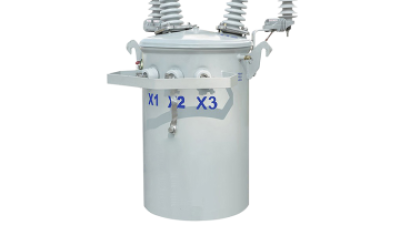
When it comes to maximizing efficiency and reliability in electrical systems, the Single Phase Pole Mounted Transformer—15KVA stands out as a critical component in utility and distribution applications. Designed to operate effectively at a primary voltage rating of 12470 Delta V, this transformer is engineered to meet rigorous industry standards such as IEEE C57.12.20 and ANSI C57. The precision of its performance is enhanced by the secondary voltage ratings of 120/240V, making it an adaptable solution for various power needs, from light commercial use to more expansive utility projects.
The flexibility in its high-voltage tap range of ±2*2.5% allows for adjustments to be made according to the specific requirements of the electrical system, ensuring optimal performance regardless of external conditions. This adaptability is crucial, as continuous voltage stability is paramount for minimizing downtime and maximizing operational efficiency. Furthermore, the BIL rating of 95/30 kV ensures that the transformer withstands transient surges, providing reliability in the face of unpredictable electrical environments.
In an era where energy efficiency is increasingly prioritized, utilizing a pole-mounted transformer like the 15KVA unit can contribute significantly to reducing losses in distribution systems. According to data from the U.S. Department of Energy, transformers can account for approximately 30% of energy losses in electrical distribution networks. Hence, investing in a high-quality transformer not only enhances the reliability of power supply but also supports sustainability efforts by minimizing waste, ensuring that it is an essential part of any forward-thinking energy strategy.
FAQS
: They are devices that transfer high voltage electricity to lower voltage for homes and businesses.
They use existing utility poles, reducing installation costs and space requirements in urban areas.
They are designed to withstand harsh conditions like rain, snow, and extreme temperatures.
Yes, regular maintenance is crucial to identify potential issues and prevent outages.
Proper grounding and insulation are vital to prevent accidents and ensure reliable operation.
Urban development can encroach on power lines, posing unique safety risks that need to be managed.
They generally have enhanced reliability and can resist damage from flooding and other hazards.
Optimal placement can reduce energy losses and improve overall efficiency.
Professionals can provide guidance on meeting specific energy demands and ensuring safety during installation.
Assess the energy needs at your site and be aware of local installation regulations.
Conclusion
A Pole Mounted Transformer is a crucial component in power distribution, providing an efficient means to manage electricity flow from higher voltages to usable levels for residential and commercial needs. These transformers are strategically installed on utility poles, benefiting from minimal ground space usage while ensuring reliable service in various environments. Their design allows for straightforward installation and maintenance, posing advantages over ground-mounted alternatives, particularly in areas with limited land availability or challenging terrain.
The advantages of Pole Mounted Transformers include their cost-effectiveness, reduced risk of damage from flooding or animals, and enhanced accessibility for repair and service. Understanding their key components and technical specifications is essential for optimizing their performance. Additionally, Pole Mounted Transformers must adhere to stringent safety standards and regulations to ensure reliable functioning and safety for both workers and the public. Overall, they represent an effective solution for modern energy distribution needs.

 +86 18068001229
  Contact Phone
 Contact Email