Leave Your Message
0%

In the fast-changing world of energy distribution, the Pole Mounted Transformer really plays a crucial part. Basically, it’s the gear that steps down the voltage so electricity can actually be used by homes and businesses. Keeping these transformers in good shape and running smoothly is super important if you want everything to be efficient. Whether you're a huge utility company or a small local provider, chances are you rely on these transformers daily.

Getting a solid handle on how Pole Mounted Transformers work can really help improve their performance. Sadly, a lot of folks tend to overlook simple maintenance tasks. Regular check-ups and fixing issues early on can save you a ton of headaches later down the line. Sometimes, equipment just decides to misbehave, causing outages or interruptions. Looking back at what’s happened before can definitely help you figure out how to do better next time.

Plus, using new technology can seriously boost how well these transformers work. Things like smart monitoring systems are a game changer, really. But here’s the thing: not everyone has jumped on that bandwagon yet. This mix of old-school methods and high-tech solutions might actually be the key to getting the most out of these transformers. Finding the right balance is all about harnessing their full potential and keeping the power flowing smoothly.

Ultimate Guide to Pole Mounted Transformer Tips for Better Performance?

Understanding the Basics of Pole Mounted Transformers

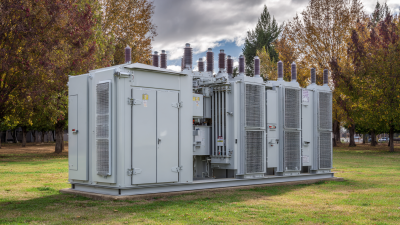
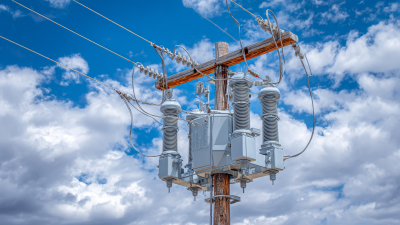
Pole mounted transformers are crucial for distributing electricity in urban and rural areas. They are installed on utility poles and help reduce voltage levels, making electricity safe for use. Understanding the basics of these transformers can enhance performance and efficiency.

A typical 5kv Pole Mounted Transformer steps down high voltage from power lines. Knowing how these devices function is essential for maintenance and safety. They consist of key components like the core, windings, and tap changer. Each part plays a significant role in their operation. Yet, issues can arise. Overheating and exposure to the elements can lead to failures.

Regular inspections are vital. They help identify wear and tear. Sometimes, adjustments are overlooked. Small issues grow if not addressed promptly. Users must remain vigilant. Understanding and acting on this knowledge can lead to safer and more reliable electricity distributions.

Key Components and Their Functions in Performance

Pole mounted transformers play a vital role in electrical distribution systems. Understanding their key components can significantly enhance performance. The core elements include the transformer itself, insulation materials, and overcurrent protection devices. The transformer's core is crucial, as it determines efficiency. A report by the IEEE suggests that cores with better magnetic properties lead to lower energy losses.

Insulation materials must withstand environmental stresses. Poor insulation can lead to failures and outages. A study showed that 30% of transformer failures stem from insulation issues. Regular inspections can prevent these failures. Additionally, overcurrent protection devices protect against faults. They ensure system safety, which is critical in maintaining operational continuity. However, many installations overlook routine checks on these devices, leading to potential risks.

Every component of the pole mounted transformer must work together seamlessly. A malfunction in just one part can compromise the entire system. Operators must evaluate performance regularly and be proactive about maintenance. Not acknowledging these aspects could lead to increased downtime and costly repairs.

Ultimate Guide to Pole Mounted Transformer Tips for Better Performance

Component Function Impact on Performance Maintenance Tips
Primary Windings Transforms high voltage supply to lower voltage. Critical for voltage regulation. Regular insulation testing and connection checks.
Secondary Windings Delivers lower voltage output for consumer use. Affects overall Power Distribution efficiency. Inspect for wear and maintain secure connections.
Tap Changer Adjusts voltage levels based on load requirements. Essential for optimal performance under varying loads. Regular lubrication and functionality checks.
Transformer Oil Provides insulation and cooling. Crucial for preventing overheating and dielectric breakdown. Check levels regularly and ensure purity.
Breather Removes moisture from air entering the tank. Prevents moisture-related damage. Replace silica gel as needed and check integrity.

Factors Affecting the Efficiency of Pole Mounted Transformers

Efficiency in pole mounted transformers is influenced by various factors. A critical aspect is the transformer’s load handling capability. If a 50kv Pole Mounted Transformer is consistently overloaded, it will overheat. This overheating can reduce lifespan and performance. Monitoring the load is essential to maintain efficiency.

Environmental conditions also play a role. High humidity can lead to moisture build-up. This can cause insulation breakdown and increased losses. Regular maintenance checks are necessary to detect any such issues early. Maintain proper ventilation around the unit for optimal operation.

Tips for better performance include ensuring correct installation. Incorrect mounting can lead to mechanical stress, impacting efficiency. Regular cleaning of the transformer can prevent dust accumulation. Dust can act as an insulator, affecting heat dissipation. Make sure to inspect the connections regularly. Loose connections can lead to energy losses and potential safety hazards. Pay attention to environmental changes that could affect transformer operations.

Ultimate Guide to Pole Mounted Transformer Efficiency

Maintenance Tips for Longevity and Reliability

Ultimate Guide to Pole Mounted Transformer Tips for Better Performance?

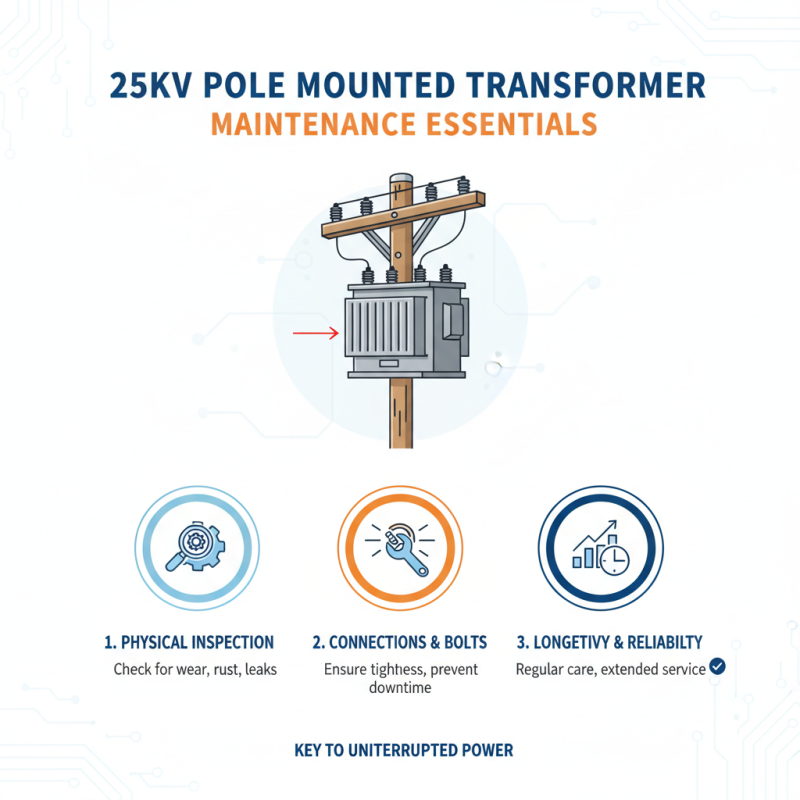
Regular maintenance is crucial for the longevity and reliability of a 25kv Pole Mounted Transformer. Start by inspecting the physical condition regularly. Look for signs of wear or rust on the housing. A small rust spot can turn into a bigger issue if ignored. Check for any loose connections that may develop over time. Tightening these may prevent future downtime.

Monitor the environment around the transformer. Vegetation can encroach on equipment, causing potential hazards. Regular trimming of nearby trees is essential. Also, ensure that there is good drainage around the base. Water pooling can lead to electrical failures.

Proactive cleaning is another aspect to consider. Dust and debris buildup can cause overheating. Use a soft brush to keep surfaces clean. A neglected transformer can lead to inefficiency. Sometimes, systems in place may overlook these basic checks. Keeping a checklist can help in maintaining focus and organization. Each small step in maintenance can contribute to overall performance and reliability.

Common Issues and Troubleshooting Techniques

Pole-mounted transformers are critical for efficient power distribution. However, they can face several common issues. Understanding these problems is vital for troubleshooting. Overheating is a frequent concern. High temperatures can lead to insulation breakdown. Regular temperature checks can help identify potential overheating before it becomes a significant issue.

Another common problem is poor connections. Loose or corroded connections can cause voltage drops. This not only affects performance but can also lead to equipment damage. Inspecting connections regularly is essential. If you notice discolored or damaged wires, addressing these issues sooner rather than later can reduce repair costs.

Additionally, noise from transformers can indicate underlying issues. Unusual sounds might suggest mechanical problems or vibration. These noises should not be ignored. Lastly, consider environmental factors that can impact performance. Weather conditions and pollution can affect transformer efficiency. Regular maintenance checks that account for these factors are crucial. Ignoring them may lead to preventable failures.

Upgrading and Retrofitting for Improved Performance

Upgrading and retrofitting pole-mounted transformers can significantly enhance performance. A recent industry report indicates that retrofitting can improve efficiency by up to 30%. This increase results from better materials and technology. Modern transformers often incorporate advanced insulation and cooling methods, which reduce energy loss. These enhancements are critical as energy needs grow worldwide.

Many older transformers suffer from inefficiencies. A study from the National Electric Energy Testing, Research, and Application Center found that nearly 40% of aging transformers could not meet current operational demands. Upgrading these units can lead to better load management. It also allows for increased capacity without necessitating additional infrastructure. However, retrofitting is not always straightforward. Technical challenges often arise when integrating new components with existing systems.

Operators must also consider the cost-benefit aspect of upgrading. While initial investments can be high, the long-term savings in maintenance and energy costs often justify the expenses. The potential for downtime during upgrades can also present risks. Regardless, rationalizing these necessary changes is essential for energy reliability. The focus on retrofitting rather than complete replacements offers a more sustainable approach for utilities.

Best Practices for Installation and Safety Standards

Ultimate Guide to Pole Mounted Transformer Tips for Better Performance?

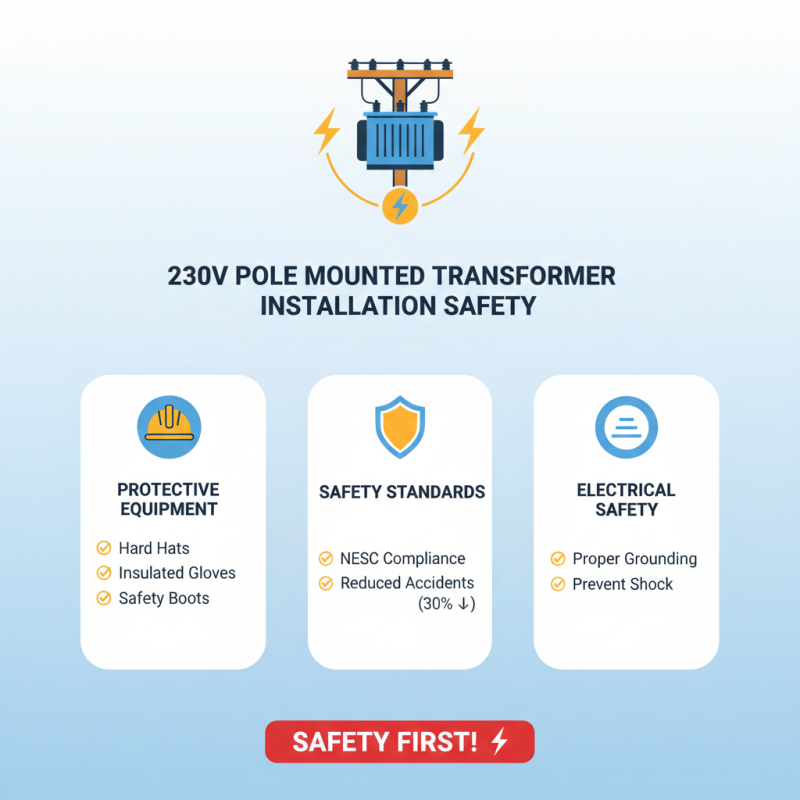
When installing a 230v Pole Mounted Transformer, safety must remain a top priority. According to the National Electrical Safety Code (NESC), workers should wear proper personal protective equipment (PPE) during installation. This includes hard hats, insulated gloves, and safety boots. Compliance ensures reduced accident rates by up to 30%. Ensure all equipment is properly grounded to prevent electrical shock.

Monitoring environmental conditions during installation is crucial. A study by the Institute of Electrical and Electronics Engineers (IEEE) highlights that weather elements can impact transformer performance. For example, high humidity can lead to condensation, affecting insulation. Regular inspections can identify any wear and tear before they escalate, though many overlook this step.

It's common for installers to skip documentation of the installation process. However, proper record-keeping can mitigate future safety risks. Projects lacking thorough documentation often face compliance issues later. This practice should not be disregarded, as it provides essential data during inspections or audits. Enhanced communication among teams can facilitate this effort and reinforce safety protocols significantly.

FAQS

: What types of environments are suitable for growing plants?

: Plants thrive in varied environments, including indoors, backyards, and balconies. Bright, indirect sunlight is ideal.

How often should plants be watered?

Water frequency depends on the plant type. Most need watering when the top soil feels dry.

Why do leaves turn yellow?

Yellowing leaves may indicate overwatering or nutrient deficiencies. Examine soil moisture and consider fertilizing.

What’s the best way to prune plants?

Pruning helps stimulate growth. Use clean, sharp scissors and remove dead or damaged leaves carefully.

How can I prevent pests on my plants?

Regularly inspect plants for signs of pests. Using natural remedies can be effective, but may require persistence.

Is it necessary to fertilize plants?

Fertilizing helps provide essential nutrients. However, over-fertilization can harm plants, so proceed with caution.

Conclusion

Pole mounted transformers are essential components in electrical distribution systems, converting high-voltage electricity to a lower voltage suitable for residential and commercial use. Understanding the basics, including key components like bushings, tap changers, and cooling systems, is crucial for optimizing their performance. Various factors, including ambient temperature, load conditions, and electrical losses, can significantly affect their efficiency.

Regular maintenance is vital for ensuring the longevity and reliability of pole mounted transformers. Common issues such as insulation breakdown and overheating can be addressed through effective troubleshooting techniques. Upgrading and retrofitting existing transformers can also lead to improved performance. Furthermore, adhering to best practices for installation and safety standards is imperative to minimize risks and ensure the safe operation of these critical devices.
Lila

Lila

Lila is a dedicated marketing professional at JEZOU POWER, a leading designer, manufacturer, and installer of power system solutions established in 1989. With an impressive facility spanning 200,000 square meters, Lila plays a pivotal role in showcasing the company's advanced design concepts and......
Previous Navigating the 2025 Technology Trends in Electrical Engineering Through Best Three Phase Dry Type Transformers