You know, in the ever-changing world of electrical engineering, we really can’t ignore how crucial efficient power distribution is. One thing that’s been making waves lately is the Three Phase Dry Type Transformer. Honestly, these things are game-changers when it comes to optimizing electrical systems—they come with quite a few advantages compared to the traditional transformers we used to rely on. I remember hearing Dr. Emily Carter from Global Power Solutions mention that “Three Phase Dry Type Transformers are really shaking things up in power management, mainly because they’re safer and more environmentally friendly.” That really stuck with me.
What’s awesome about these transformers is they avoid the risks that come with liquid-filled ones—means they’re safer for a bunch of different applications. Plus, their design helps them dissipate heat better, which means they tend to be more reliable and last longer. As our power needs grow and sustainability becomes more than just a buzzword, these transformers are shaping up to be key players, helping our electrical systems keep up with modern demands.
Honestly, getting a good grip on how these transformers work and what benefits they bring can really help engineers and companies make smarter choices—things that can boost performance and safety all around. As we get into this topic deeper, I think you’ll see how these transformers could really help pave the way for the future of energy management.
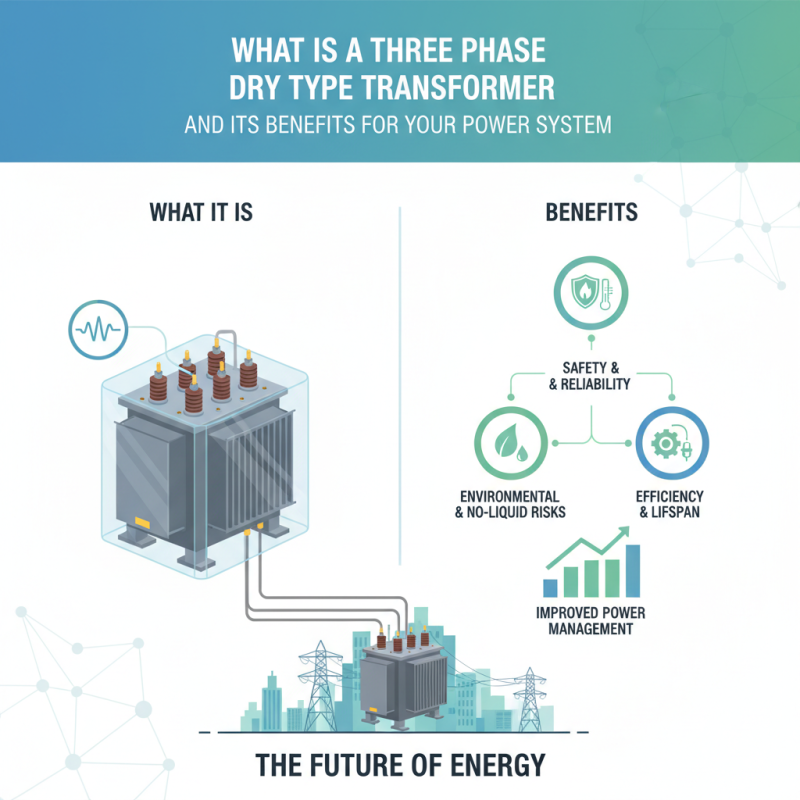
What is a Three Phase Dry Type Transformer?
A three-phase dry type transformer is a vital component in electric power systems, designed to step up or step down voltage levels efficiently. These transformers utilize air as a cooling medium, distinguishing them from traditional oil-filled transformers. Their construction typically involves a core made of high-grade magnetic materials and windings insulated with resin, which allows for better heat dissipation. The dry type design offers several advantages, such as lower environmental impact, enhanced reliability, and minimal fire risk.
Tips: When considering the installation of a three-phase dry type transformer, always evaluate the specific cooling requirements based on physical location and load demands. Proper placement and ventilation are crucial for optimizing performance and longevity.
The benefits of dry type transformers extend beyond safety and sustainability. They are designed for both indoor and outdoor use, making them versatile for various applications, including commercial and industrial settings. Furthermore, their low maintenance needs can translate into cost savings over time. By choosing a three-phase dry type transformer, power system operators can enhance overall performance while ensuring that they meet regulatory safety standards.
Tips: Regular inspections can help identify potential issues early, ensuring the transformer operates efficiently and reducing the risk of unexpected failures.
Key Components of Three Phase Dry Type Transformers
Three-phase dry type transformers are essential components in modern power systems, primarily utilized for their reliability and efficiency. One of the key components of these transformers is the core, which is typically made from high-grade silicon steel. This material enhances magnetic properties and reduces energy losses, permitting operations at higher efficiency ratings. According to the U.S. Department of Energy, dry type transformers can achieve efficiency levels exceeding 98%, making them ideal for various applications, including commercial and industrial settings.
Another critical component is the insulation system, which is typically made of epoxy resin or polyester film. This not only provides excellent electrical insulation but also improves thermal properties, allowing the transformer to operate safely in environments with high temperatures and humidity. Moreover, studies indicate that properly maintained dry type transformers can have a service life of over 30 years, significantly reducing the need for replacements and associated waste.
Tips: Regular maintenance checks and thermal imaging inspections can help identify potential issues before they lead to failures. Additionally, ensure proper ventilation around the transformer to optimize its cooling and prolong its lifespan. Consider adopting energy-efficient practices to further enhance the overall performance of your power system, as integrating advanced monitoring systems can also provide valuable insights for managing power loads effectively.
Working Principle of a Three Phase Dry Type Transformer
The working principle of a three-phase dry type transformer revolves around electromagnetic induction, a fundamental concept in electrical engineering. It operates without the use of liquid coolant, making it ideal for environments where moisture and flammability are concerns. Within the transformer, three sets of windings correspond to the three phases of electricity. As alternating current flows through the primary winding, it generates a magnetic field that induces a current in the secondary winding. This process enables efficient voltage transformation and power distribution across various loads.
Tips: When considering the installation of a three-phase dry type transformer, it’s vital to assess factors such as cooling requirements, ambient temperature, and installation space. Proper ventilation is crucial for maintaining optimal operating temperatures and enhancing efficiency.
Additionally, the dry type transformer’s design often allows for easier maintenance and a longer lifespan compared to oil-filled counterparts. The absence of flammable liquids not only reduces fire risk but also facilitates safe operations in different environments. Implementing this type of transformer can significantly improve the reliability and performance of your power system while contributing to lower environmental impact.
What is a Three Phase Dry Type Transformer and Its Benefits for Your Power System
| Specification | Description |
| Voltage Rating | Up to 35 kV |
| Power Rating | From 15 kVA to 2500 kVA |
| Cooling Method | Air-Cooled |
| Insulation Type | Epoxy Resin |
| Efficiency | Up to 98% |
| Application Areas | Industrial, Commercial, and Renewable Energy Systems |
| Advantages | Low Maintenance, Environmental Safety, Compact Design |
Advantages of Using Dry Type Transformers in Power Systems
Dry type transformers are increasingly favored in power systems due to their numerous advantages. One of the primary benefits is their enhanced safety profile. Unlike oil-filled transformers, dry type transformers use air as a cooling medium, significantly reducing the risk of fire hazards and environmental contamination. This makes them particularly suitable for indoor installations or areas with stringent safety regulations.
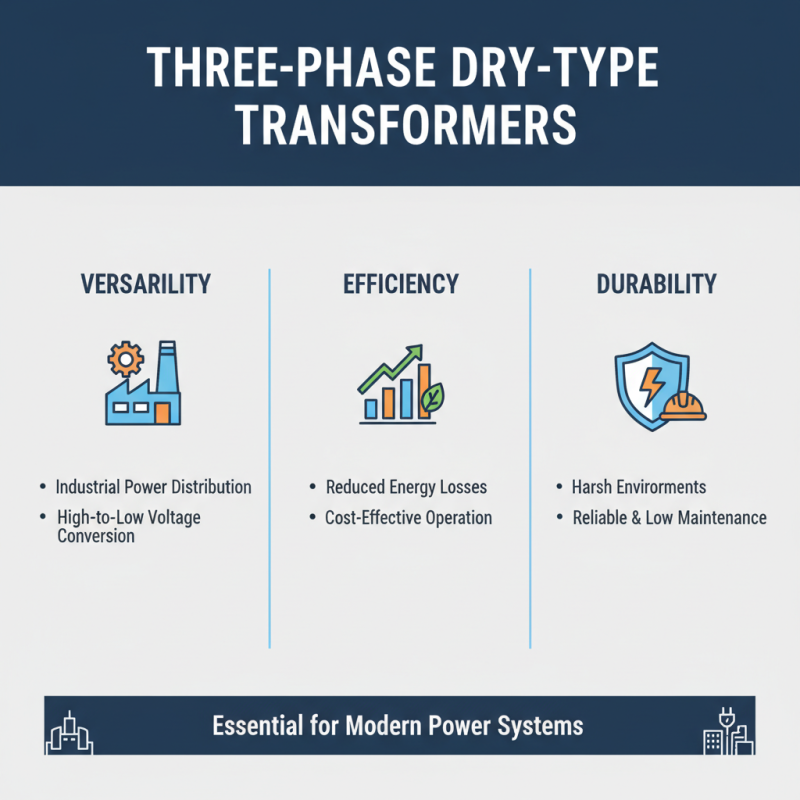
Additionally, dry type transformers require minimal maintenance, which is a crucial aspect for efficient power system management. Their robust design means they are less susceptible to mechanical failure and do not need periodic oil testing or replacement. This translates to lower operational costs over time and increased reliability in power distribution. Furthermore, dry type transformers operate effectively in various environments, including those with extreme temperatures or high humidity, thereby ensuring consistent performance regardless of external conditions.
Applications of Three Phase Dry Type Transformers
Three phase dry type transformers are essential components in various power systems, primarily due to their widespread versatility and efficiency. These transformers are commonly employed in industrial settings for power distribution, where they convert high voltage electricity to lower voltage levels suitable for commercial and residential use. Their robust design enables them to operate effectively in harsh environments, making them a preferred choice in factories, mining operations, and large commercial buildings where reliability and durability are crucial.
In addition to industrial applications, three phase dry type transformers are also utilized in renewable energy systems, particularly in wind and solar power installations. These transformers facilitate the integration of renewable resources into the grid by stepping up the voltage generated from these systems for efficient transmission over long distances. Furthermore, due to their low maintenance requirements and lack of flammable liquid insulation, they are ideal for urban settings where safety and space constraints are significant considerations. Their adaptability makes them a vital solution for modern electrical infrastructure, ensuring that energy distribution is both safe and efficient.
Maintenance and Safety Considerations for Dry Type Transformers
Dry type transformers are widely recognized for their reliability and safety, making them a preferred choice in many power systems. However, like any electrical equipment, they require routine maintenance to ensure optimal performance and safety. Regular inspections should include checking for dust accumulation, ensuring proper ventilation, and verifying that all electrical connections are secure. Since dry type transformers do not use oil, the risk of leaks is eliminated, but it’s still crucial to monitor for overheating or unusual sounds that may indicate a problem.
Tips: Always maintain a clean environment around the transformer to prevent overheating caused by dust and debris. Implement a schedule for regular maintenance checks that include electrical testing and thermal imaging to identify potential issues before they escalate.
Safety considerations are paramount when working with dry type transformers. Employees should always follow safety protocols, including using appropriate personal protective equipment (PPE) and staying vigilant to electrical hazards. Adequate signage and training can help reduce the risk of accidents during maintenance tasks. It's advisable to consult with qualified professionals for any repairs to ensure compliance with safety standards and to avoid any operational downtime.
Tips: Create a comprehensive training program for staff that emphasizes safety procedures and emergency response plans related to transformer operations. Regularly review and update these protocols to adapt to any changes in technology or equipment.
Comparative Analysis: Dry Type vs. Oil-Filled Transformers
When evaluating transformer options for power systems, a comparative analysis between dry type and oil-filled transformers reveals key differences that can significantly impact operational efficiency and safety. Dry type transformers utilize solid insulation materials and are known for their compact size and lower maintenance requirements. Since they do not contain any liquid, the risk of leakage and environmental hazards is minimized, making them ideal for indoor applications and sensitive environments. Additionally, their ability to withstand extreme temperatures without compromising performance further supports their use in challenging conditions.
On the other hand, oil-filled transformers have been the traditional choice for larger installations due to their ability to efficiently manage high power loads and provide better cooling through the use of insulating oil. However, they come with heightened concerns regarding flammability and environmental impact, as spills and leaks can pose significant risks. Furthermore, the maintenance of oil-filled transformers is often more complex and costly, primarily because they require regular monitoring of the oil levels and quality.
Ultimately, when selecting between dry type and oil-filled transformers, factors such as application environment, maintenance capacity, and environmental safety should be carefully considered to ensure the most suitable choice for the power system.
Innovative High-Efficiency Power Transformer Solutions for Modern Energy Needs
Innovative High-Efficiency Power Transformer Solutions for Modern Energy Needs
As the global energy landscape evolves, high-efficiency Power Transformers have become indispensable in meeting the demands of modern electrical systems. These transformers are expertly engineered to seamlessly transfer alternating current (AC) electricity between circuits at varying voltage levels, addressing the critical need for reliable power distribution in energy grids, industrial facilities, and commercial applications. Recent studies indicate that high-efficiency transformers can reduce energy losses by up to 20%, significantly enhancing overall system performance while contributing to sustainability goals.
Power transformers are pivotal in stepping up or down voltages, ensuring energy transmission is both efficient and reliable. According to the International Electrotechnical Commission (IEC), improper voltage regulation can lead to substantial energy wastage, estimated at approximately 30% of total generation capacity in some regions. This underscores the importance of deploying transformers that meet international standards, including those set by the IEC and IEEE, particularly in terms of safety, efficiency, and environmental impact.
The advancements in transformer technologies, such as the use of amorphous steel and optimized design methodologies, represent significant strides in achieving higher efficiencies. The U.S. Department of Energy reports that modern transformers fitted with advanced materials can achieve efficiency ratings as high as 99%, which not only provides economic benefits but also aligns with global efforts toward carbon reduction and sustainable energy practices. These innovations ensure that high-efficiency power transformers are well-positioned to support the evolving energy needs of our societies.
FAQS
: A three-phase dry type transformer is an electric power system component that efficiently steps up or steps down voltage levels using air for cooling instead of oil. It features a core made of high-grade magnetic materials and resin-insulated windings, resulting in improved heat dissipation and lower fire risk.
The advantages include a lower environmental impact, enhanced reliability, minimal fire risk, versatility for indoor and outdoor use, and low maintenance needs, which can lead to cost savings over time.
It works on the principle of electromagnetic induction, where alternating current in the primary winding creates a magnetic field that induces a current in the secondary winding, allowing for efficient voltage transformation and power distribution.
Yes, they can be used in both indoor and outdoor environments. However, it's important to assess specific cooling requirements, ambient temperature, and installation space for optimal performance.
Key factors include cooling requirements, ambient temperature, installation space, proper ventilation, and ensuring that the transformer operates within optimal temperature ranges for efficiency.
Dry type transformers are more compact, require lower maintenance, and present less environmental risk since they do not contain liquid. In contrast, oil-filled transformers manage larger power loads better but come with higher flammability and environmental concerns.
Dry type transformers do not require monitoring of oil levels and quality, as there are no liquids involved, leading to less complex maintenance and potentially longer lifespans compared to oil-filled transformers.
The absence of flammable liquids reduces fire risk and allows for safer operations in various environments, making them a more secure option for power systems.
Yes, regular inspections can identify potential issues early, helping to ensure the transformer operates efficiently and reducing the risk of unexpected failures.
Dry type transformers generally have a lower environmental impact due to the absence of liquid coolant and their ability to operate without causing leaks or spills, making them a more sustainable choice for power systems.
Conclusion
A Three Phase Dry Type Transformer is a vital component in modern power systems, designed to efficiently transform voltage levels while offering enhanced safety and reliability. Unlike oil-filled transformers, these units utilize air for cooling and insulation, making them less flammable and more environmentally friendly. The key components include the core and windings, which work together based on electromagnetic principles to facilitate power distribution.
The advantages of using Three Phase Dry Type Transformers are numerous, such as lower maintenance costs, reduced risk of leakage, and suitability for indoor installations. Common applications range from commercial buildings to industrial plants, where efficient energy distribution is critical. Regular maintenance and safety considerations are essential to ensure optimal performance and longevity. Ultimately, a comparative analysis indicates that, while both dry type and oil-filled transformers have their unique benefits, dry type transformers are increasingly preferred in many applications due to their operational safety and minimal environmental impact.

 +86 18068001229
  Contact Phone
 Contact Email