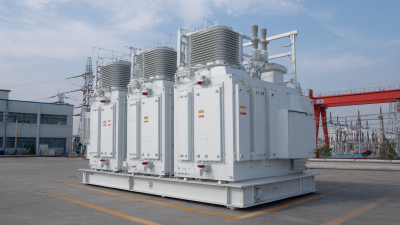
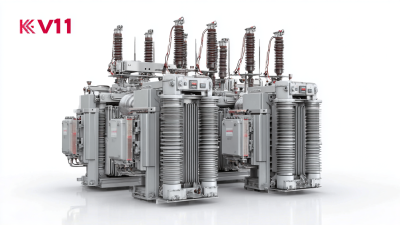
In the constantly changing world of electrical power systems, the importance of the Three Phase Dry Type Transformer can't be overstated. These transformers are really essential when it comes to making power distribution more efficient and reliable. They’re built to handle different kinds of environments, all while keeping maintenance low and costs in check. Lately, industry reports are pointing out that the global need for three-phase transformers is expected to jump quite a bit—mainly thanks to more investments in renewable energy and smart grid tech. Founded back in 1989, JZPE POWER TRANSFORMER (JIANGSU) CO., LTD., also known as JEZOU POWER, has been leading the charge. They’re a professional outfit when it comes to designing, manufacturing, and installing power system solutions. With a focus on cutting-edge designs, strict quality control, and a huge 200,000 square meter facility, JEZOU POWER is all about delivering top-notch efficiency. Products like their Three Phase Dry Type Transformer really show off their innovation and have helped boost their reputation worldwide.
Understanding Three Phase Dry Type Transformers: Key Features and Benefits
When it comes to powering up industrial setups, three-phase Dry Type Transformers really stand out—they're known for being both efficient and super reliable. Plus, they cool themselves using just air, which makes them a safe and eco-friendly choice. Unlike those oil-filled transformers you might have heard about, these dry types don’t have the risk of leaks or fires, so they're perfect for indoor use or places where safety is a top priority. If you're trying to figure out which one to pick, it’s pretty important to know their main features.
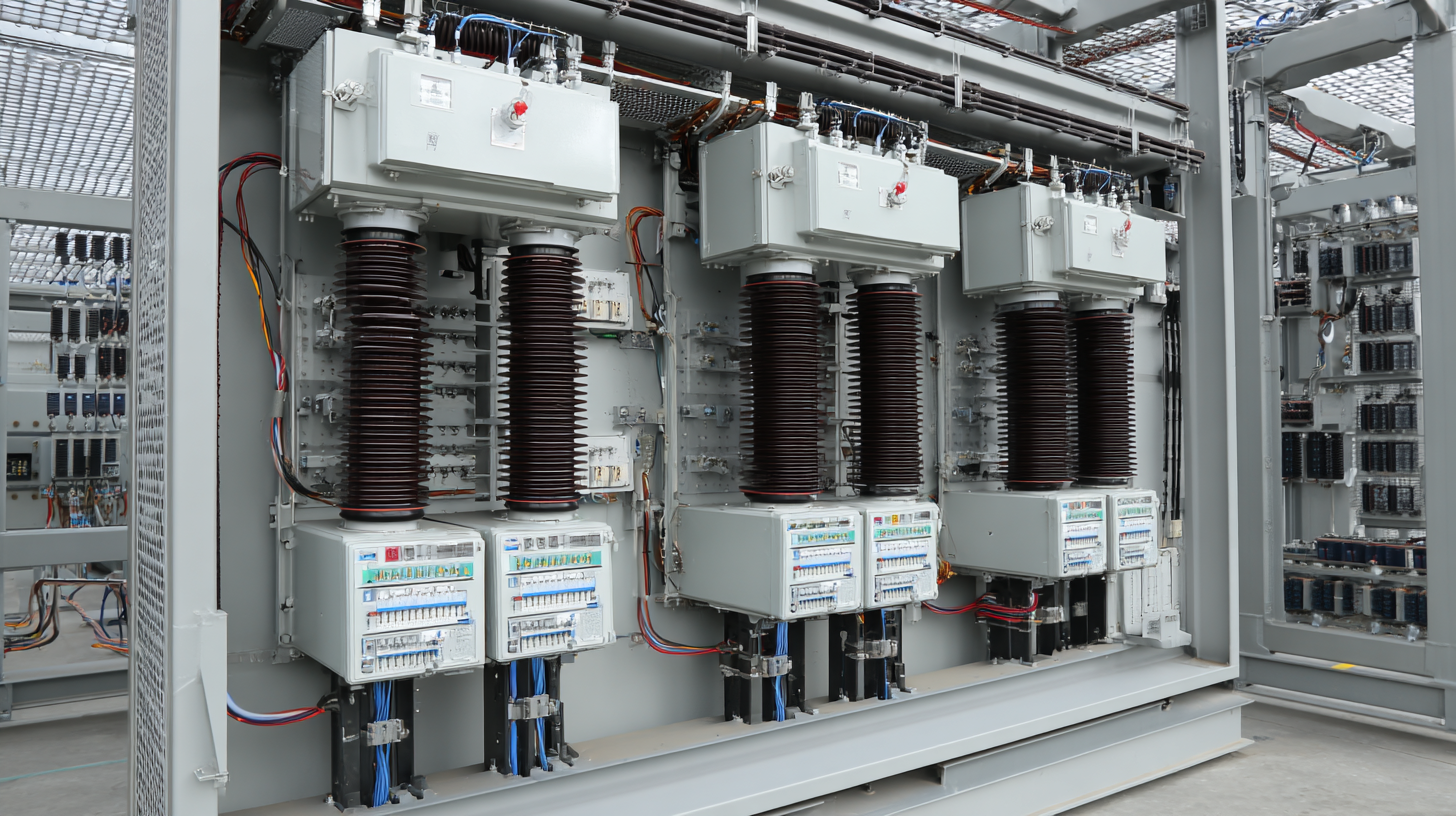
One of the biggest perks of these transformers is how efficient they are during operation. They’re built to cut down on energy wastage caused by heat, so more of the power gets to where it’s needed. The high-quality insulation materials also help them last longer and keep maintenance costs lower. Another thing I like is their modular design, which makes them easy to expand or adjust if your business grows or if you need to handle different loads—pretty handy, right? All in all, choosing a three-phase dry type transformer isn’t just about safety and dependability; it’s also about getting the best energy performance and supporting a greener, more sustainable future.
Factors Influencing Efficiency in Dry Type Transformers: Technical Specifications
So, when you're picking out a three-phase Dry-Type Transformer, it’s pretty important to understand the technical specs that really impact how efficient it is. For example, the core material plays a big role—amorphous steel, for instance, tends to have lower losses compared to the traditional silicon steel. That can add up to some serious energy savings over time. Plus, the way the transformer is designed—especially the winding configuration—matters a lot. A well-thought-out winding that reduces reactance and cancels out stray losses makes a noticeable difference in efficiency.
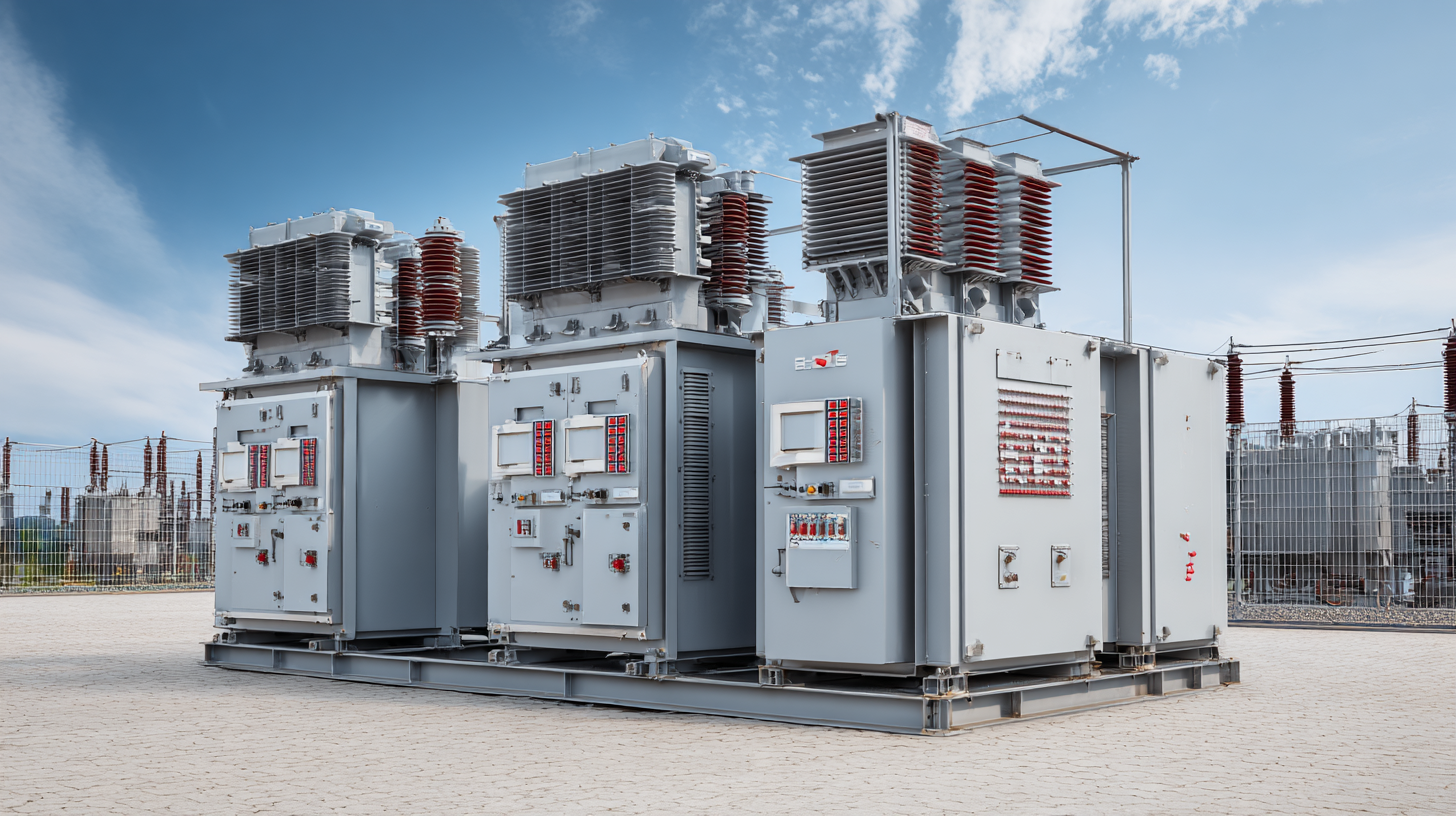
Another thing to keep in mind is how the transformer is cooled. Usually, dry-type transformers use air for cooling, so good ventilation is essential to keep things running at the right temperature. Having a temperature monitoring system can really help boost efficiency because it makes sure the transformer doesn’t overheat—overheating can lead to energy loss and damage. Oh, and the insulation materials you choose also count. Opting for high-quality insulation not only improves thermal performance but also helps prevent failures and gets the most lifespan out of the unit. All these little details add up to a more reliable and energy-efficient transformer in the long run.
Comparative Analysis of Transformer Types: Dry vs. Oil-Filled Performance Metrics
Hey, when you're trying to pick the right transformer for your project, it’s pretty important to get a good grasp on the different types and what they’re good for. Mostly, you’ll hear about dry type and oil-filled transformers. Dry type ones are kinda safer overall—they use air to cool themselves, so there's less worry about leaks or big failures. Plus, they handle a wider range of temperatures pretty well, which often means they last longer and need less maintenance. That’s a big plus, right?
On the flip side, oil-filled transformers have been around forever, mainly because they’re great at handling larger loads. The oil acts as both insulator and coolant, so they can pack quite a punch in terms of power. However, they do come with some downsides—like needing more fire safety precautions, and there’s always the environmental concern if the oil leaks.
So, if you’re looking at capacity, oil-filled might be the way to go. But when it’s about safety, reliability, and keeping things eco-friendly—especially in cities or sensitive areas—dry type transformers are a pretty solid choice. At the end of the day, it all depends on what exactly you need for your specific setup and what environmental factors you’ve got to consider.
Maintenance Best Practices for Optimizing Transformer Efficiency and Longevity
If you want your three-phase dry-type transformers to run smoothly and last longer, sticking to good maintenance habits is a must. Regular check-ups are key—look out for signs like overheating, insulation issues, or loose connections. The IEEE Transformer Maintenance Guide pretty much confirms that keeping things cool goes a long way. If you keep the temperature down below those rated limits, you could boost your transformer's lifespan by up to 50%. Pretty impressive, right?
Also, don’t forget to keep the area around the transformers clean. Dust and debris might seem minor, but they can cause overheating or electrical problems down the line. A study from the Electric Power Research Institute (EPRI) actually showed that regular cleaning and managing the environment can cut down on operational hiccups by around 30%. On top of that, doing routine electrical tests and preventive maintenance helps catch issues early before they turn into big problems. It’s all about following established guidelines, like those in the ANSI/IEEE Std. C57.919. When you stay consistent with these practices, you’ll find your transformers perform more reliably and stay efficient throughout their life—sounds like a win-win, right?
Efficiency Comparison of Different Three Phase Dry Type Transformers
Emerging Technologies in Transformer Design: Enhancements in Efficiency and Sustainability
You know, the latest advances in transformer design are really shaking up how we think about making electrical systems more efficient and eco-friendly. Lately, new materials science breakthroughs have led to some pretty cool core materials that cut down on energy waste big time. For example, amorphous steel cores are gaining popularity because they have better magnetic properties, which means less no-load loss — so, modern three-phase Dry Transformers are more efficient than they’ve ever been.
On top of that, smart tech is being integrated into transformers, making them work even smarter. Nowadays, many transformers come with snazzy monitoring systems that give real-time updates on how they’re performing. This not only helps catch issues early through predictive maintenance, saving you downtime and money but also helps us manage energy more sustainably by balancing loads better. As everyone’s pushing for greener solutions, these new tech twists are setting pretty high standards for transformer design and operation. It’s exciting to see how all this is shaping a more sustainable energy future — it feels like we’re heading in the right direction.
Cost-Benefit Analysis: Investing in High-Efficiency Dry Type Transformers for Industries
When it comes to industrial energy use, choosing the right transformer can really make a difference in both costs and how efficiently things run. High-efficiency dry type transformers—those built to last and perform smoothly—actually give quite a solid return on investment. I recently read a report from the U.S. Department of Energy that said industries putting money into these kind of transformers can save up to 30% on energy costs compared to the standard ones. That’s a pretty sweet deal! Not only does cutting down on energy use help save money on utility bills, but it also checks the boxes for companies wanting to be more environmentally friendly.
Now, I get it—these high-efficiency transformers can cost a bit more upfront. But honestly, in the long run, the savings really add up. A study from the Electric Power Research Institute found that while a regular transformer might run you around $10,000, going for the high-efficiency version could save you about $65,000 over 15 years—thanks to lower energy bills and less maintenance hassle. So, when you do the math, it’s pretty clear: investing in those modern transformer techs is a smart move for industries aiming for better efficiency and a smaller environmental footprint.
Unlocking Energy Savings: Insights from the Latest Industry Reports on High-Efficiency Power Transformer Solutions
In today's energy landscape, high-efficiency power transformers play a pivotal role in unlocking significant energy savings across various sectors. As we delve into the latest industry reports, it becomes evident that investing in state-of-the-art transformers not only enhances performance but also contributes to a more sustainable future. Designed to efficiently transfer alternating current (AC) electricity at varying voltage levels, these Transformers are essential for reliable power distribution in energy grids, industrial facilities, and commercial applications.
Our power transformers are engineered for durability and optimal performance, adhering to international standards such as IEC and IEEE. By stepping up or down voltages with precision, they minimize energy losses and ensure operational reliability. The focus on safety, efficiency, and sustainability in their design translates to reduced operating costs and a smaller environmental footprint. As industries seek to navigate the complex challenges of energy consumption, high-efficiency transformers emerge as a vital solution to meet not only current demands but also future sustainability goals. Embracing these advanced technologies paves the way for smarter, greener power management systems that benefit both businesses and the planet.
FAQS
: Amorphous steel is recommended, as it offers lower losses compared to traditional silicon steel, leading to significant energy savings over the transformer's lifecycle.
A well-designed winding, optimized for reduced reactance and enhanced cancelation of stray losses, will improve the overall efficiency of the transformer.
Dry type transformers typically use air as a cooling medium, which requires adequate ventilation to maintain optimal operating temperatures.
Temperature monitoring systems ensure that the transformer operates within safe temperature limits, preventing overheating that can lead to energy losses.
Selecting high-performance insulation materials reduces the risk of failures and extends lifespan, contributing to the overall operational efficiency of the unit.
Dry type transformers have enhanced safety features, lower environmental impact, can operate in a wider range of temperatures, and often require lower maintenance.
Proper thermal management can significantly enhance transformer lifespan by ensuring operating temperatures remain below rated limits, potentially increasing longevity by as much as 50%.
Keeping the area around transformers clean prevents dust and debris accumulation, which can lead to overheating and electrical failures, reducing operational interruptions by up to 30%.
Regular inspections for overheating, insulation breakdown, and loose connections, along with routine electrical testing and environmental control, are crucial for maintaining efficiency and reliability.
Systematic maintenance practices aligning with standards like the ANSI/IEEE Std. C57.919 help identify potential issues early, ensuring optimal performance and extending the operational life of transformers.

 +86 18068001229
  Contact Phone
 Contact Email