+86 18068001229 


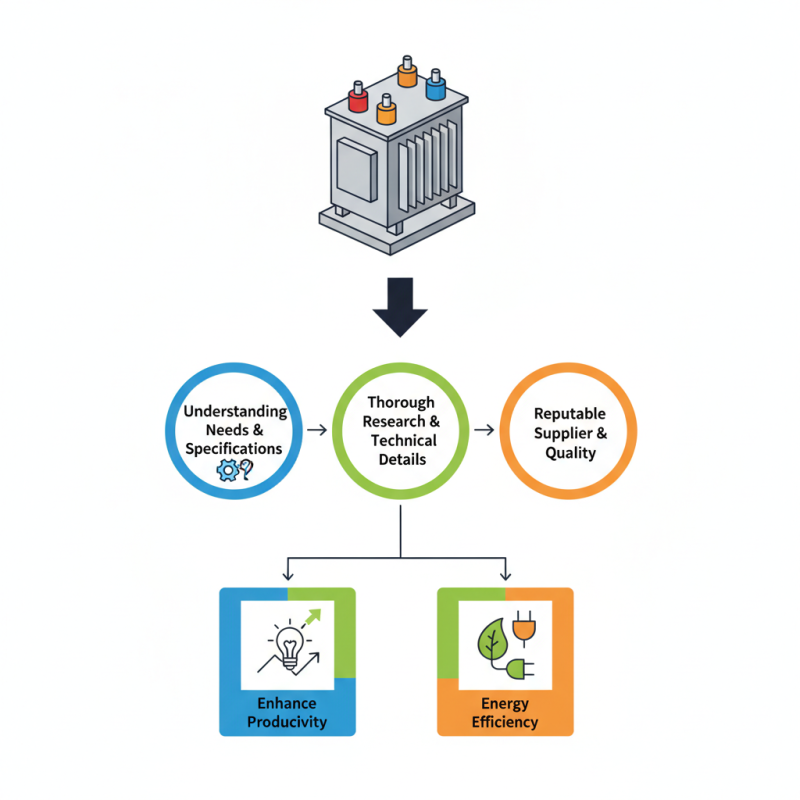
Thinking about getting a 37.5kva Transformer? Well, you're not alone—lots of buyers worldwide face similar challenges. The market’s huge, with tons of options, but honestly, knowing what you need makes all the difference. Taking the time to understand your specific requirements and technical specs really helps in picking the right one. And don’t forget—experience matters! Sometimes, folks overlook those little technical details, but those can actually impact how well the transformer performs.
That’s where specialized companies like PowerPro Transformers come in. They’ve got the knowledge to guide you through the maze and clear up any confusion. It's super important to choose a reputable supplier because that’s what guarantees reliability and efficiency. With so many manufacturers out there, telling the good from the not-so-good is key.
Also, it’s a smart move to reassess what you need from your transformer now and then. What works today might not cut it tomorrow, so doing some quick research, chatting with manufacturers, and asking plenty of questions can really pay off. Checking out customer reviews can also give you insights you won’t find elsewhere. At the end of the day, choosing the right 37.5kva Transformer can really boost your productivity and save energy in the long run.
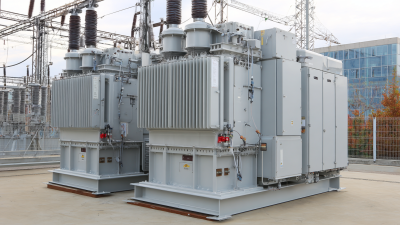
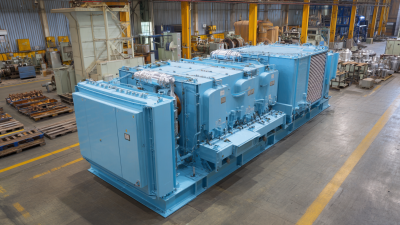
When considering a 375kVA transformer, understanding its specifications and applications is crucial. These transformers are designed to step down voltage for various industrial and commercial settings. They often feature advanced cooling systems to enhance efficiency and performance. Key specifications include insulation type, efficiency ratings, and size constraints. Understanding these factors can help gauge their suitability for your needs.
375kVA transformers are highly versatile. They serve in manufacturing plants, data centers, and power facilities. Their ability to handle heavy loads makes them ideal for environments with fluctuating energy demands. However, installation requires careful planning. Overlooking site conditions may lead to inefficiencies. Each transformer must be matched with the specific power requirements and environmental conditions of the application.
Not all 375kVA transformers behave the same. Variations in quality and design can impact performance. It is essential to assess potential vendors carefully. Review of technical documents can uncover differences in efficiency and reliability. Engage with knowledgeable professionals to discuss the specifications that matter most for your operation. Each detail can influence performance outcomes significantly, so informed decisions are vital for long-term success.
| Specification | Value | Application |
|---|---|---|
| Power Rating | 375 kVA | Industrial Facilities |
| Voltage Primary | 11 kV / 6.6 kV | Mining Operations |
| Voltage Secondary | 400 V / 230 V | Commercial Buildings |
| Frequency | 50 Hz / 60 Hz | Data Centers |
| Cooling Type | Oil-Cooled | Power Generation |
| Phase | Three-Phase | Manufacturing |
| Insulation Class | Class F | Heavy-Duty Applications |
| Weight | Approx. 800 kg | Construction Sites |
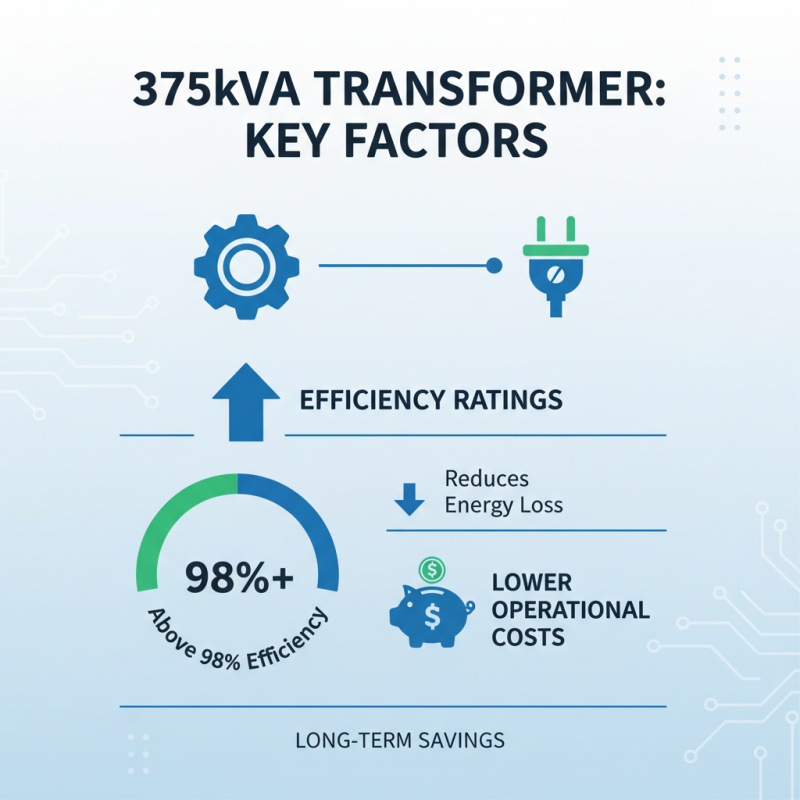
When considering the purchase of a 375kVA transformer, several key factors come into play. First, understand the transformer's efficiency ratings. According to a recent industry report, transformers can operate at efficiencies above 98%. An efficient transformer reduces energy loss, which translates to lower operational costs. This efficiency is crucial in driving long-term savings on energy bills.
The transformer’s load capacity is also essential. A 375kVA unit is suitable for medium-sized commercial applications. Research shows that underloading transformers can lead to increased losses and reduced lifespan. Conversely, overloading can cause overheating and failure. Thus, accurately assessing your power needs is vital for longevity and performance.
Finally, consider the installation and maintenance costs. A comprehensive industry analysis indicates that maintenance can account for up to 15% of total lifecycle costs for transformers. Selecting a model with accessible maintenance features can ease this burden. Regular maintenance is often overlooked, yet vital for ensuring reliability over time. A thoughtful approach here can prevent unexpected outages and costly repairs.
The market for 375kVA transformers is witnessing notable growth. This trend is driven by increasing industrial demands. Many sectors, like construction and manufacturing, require reliable power supply solutions. As industries expand, the need for efficient energy solutions becomes more pressing. Companies are investing in transformers to ensure operational continuity.
Analyzing the demand reveals that emerging markets are at the forefront. Regional developments in Asia and Africa are particularly significant. However, challenges exist. Some buyers struggle to find reliable suppliers. Quality concerns and long lead times can hinder projects. It's essential for buyers to focus on selecting trusted manufacturers to avoid these pitfalls.
The sustainability aspect is also important in the transformer market. Many buyers now consider energy efficiency a primary factor. Poor choices can lead to high energy costs and environmental impact. Every decision should balance performance and sustainability. By doing so, buyers can meet both their operational needs and corporate responsibility goals.
This chart illustrates the projected growth in demand for 375kVA transformers over a five-year period, indicating a steady increase in units sold from 2022 to 2026. The data reflects trends in both industrial and commercial sectors contributing to the rising need for efficient power solutions.
In 2026, the market for 375kVA transformers continues to evolve. Buyers need to focus on key manufacturers who lead the industry. A recent report from Global Transformers Insights highlighted that the demand for efficient transformers, including the 37.5kva Pad Mount Transformer, has seen a noticeable increase in industrial applications. These transformers are favored for their compact design and adaptability, making them suitable for various installation environments.
Several manufacturers have emerged as leaders in the 375kVA transformer market. They invest heavily in research and development to enhance performance and energy efficiency. These companies prioritize high-quality materials and strict quality control measures. According to industry forecasts, the global transformer market is expected to grow by 6% annually due to the increasing need for reliable energy solutions. However, potential buyers should consider the compatibility of these transformers with existing infrastructure.
While many manufacturers boast impressive specifications, performance can vary across different models. It's crucial for buyers to conduct thorough assessments. Understanding the unique needs of your project is essential. Not all transformers will meet every requirement, and a misstep in selection could lead to inefficiencies.
When purchasing a 375 kVA transformer, efficiency ratings are critical. Different regions have distinct standards that govern efficiency. These ratings ensure that the transformers are not just efficient, but also environmentally friendly. Understanding these standards helps in making an informed choice.
Efficiency ratings, like IEEE and IEC standards, highlight the performance of transformers. They indicate how well a transformer converts energy without excessive losses. For buyers, knowing the difference between full-load and no-load losses can influence decisions. Additionally, considerations for a 5 kVA single-phase transformer can lead to comparisons with larger models. This not only enhances understanding but also fosters deeper insights into their operational roles.
It’s essential to evaluate these transformers under varying loads. Some models may promise high efficiency, but real-world performance can differ. Reviewing feedback from previous users can also shed light on potential issues. This reflective approach ensures buyers do not overlook crucial details before finalizing their investments.
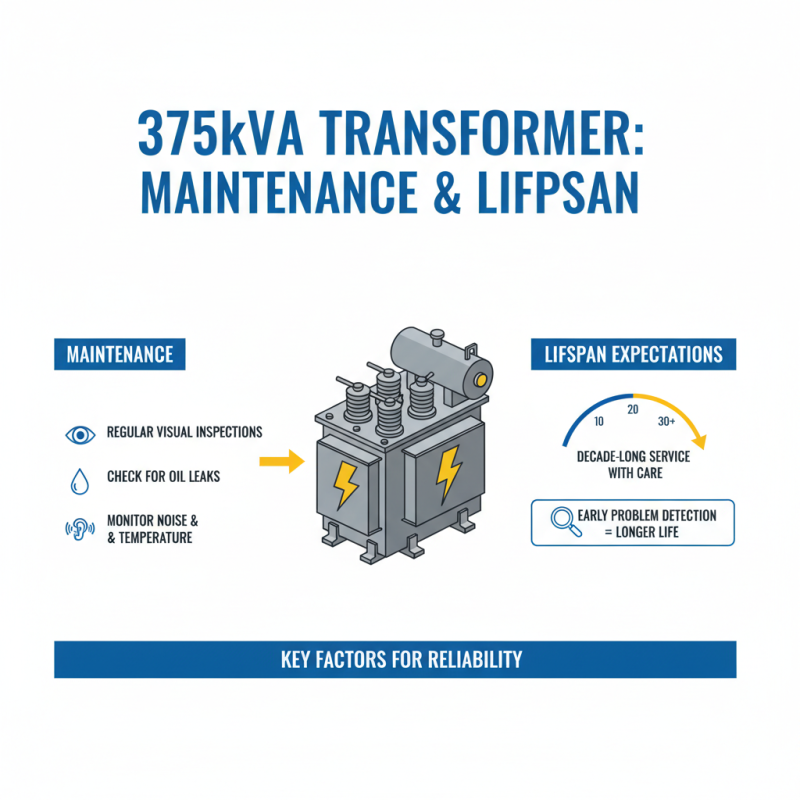
When considering the maintenance and expected lifespan of a 375kVA transformer, several factors come into play. Regular inspections are essential. Check for any oil leaks, unusual noises, and monitor temperature levels. These factors can indicate potential issues. A simple visual inspection can often reveal significant problems early.
Users should also think about the environment where the transformers operate. Excessive dust, humidity, or extreme temperatures can lead to reduced lifespan. Adequate ventilation is crucial to prevent overheating. Investing in a 37.5kVA Single-Phase Transformer can be beneficial for operations needing reliability and efficiency. However, neglecting maintenance could shorten its operational life.
Expected lifespan varies, but many transformers last around 20 to 30 years with proper care. Over time, insulation breakdown and mechanical failures may occur. Having a robust maintenance plan helps extend this lifespan. Regularly scheduled maintenance saves on costs in the long run. Don't take these tasks lightly; they are vital for ensuring efficiency and reliability.
When considering the purchase and installation of a 375kVA transformer, cost is a major factor. The upfront price is just one piece of the puzzle. Installation expenses can vary widely based on location and complexity. Labor costs can add significantly to your budget. It's essential to account for these factors in your overall financial plan.
In many cases, buyers overlook additional considerations. Permits, electrical upgrades, and safety inspections can inflate the total cost. Some buyers might underestimate their need for ancillary equipment. For example, a Single Phase Isolation Transformer 5kva may be necessary for specific applications. This adds to the initial investment but enhances operational safety.
Long-term maintenance costs should also be factored into your budget. Regular servicing can prevent major breakdowns and extend the lifespan of the transformer. Buyers often neglect this aspect and end up facing unexpected expenses. It's crucial to weigh these costs against the initial purchase price for a comprehensive financial strategy. Misjudgments in budgeting can lead to financial strain in the future.
In the rapidly evolving landscape of high-frequency applications, the importance of maximizing efficiency and reliability in power systems cannot be overstated. The Cooper Oil Immersed Transformer is well-suited for such demanding environments, particularly in the realm of single-phase Oil Distribution Transformers. With a wide range of capacity options—including 15kVA, 25kVA, 37.5kVA, up to 500kVA—these transformers provide excellent versatility for both step-up and step-down power requirements.
According to industry data, Oil-Immersed Transformers are recognized for their superior thermal management and electrical performance, which are crucial for high-frequency applications. The insulating properties of oil allow for efficient heat dissipation, thereby extending the lifespan of the transformer and ensuring reliable operation under fluctuating load conditions. Furthermore, studies indicate that transformers with larger capacities tend to exhibit improved efficiency ratings, often exceeding 98%, making them ideal for modern industrial applications where power reliability is essential.
Additionally, the use of advanced materials and design methodologies in these transformers contributes to their robustness and efficiency. As reported by recent energy efficiency assessments, deploying high-quality oil distribution transformers can significantly reduce energy losses, translating to lower operational costs over time. For businesses aiming to enhance their power distribution systems, investing in high-capacity oil-immersed transformers stands out as a strategic choice to meet the challenges of high frequency and reliability in today's energy landscape.
transformers market?
Emerging markets, especially in Asia and Africa, are leading in demand. Regional developments significantly impact growth.
Buyers often struggle with unreliable suppliers. Quality issues and long lead times can delay critical projects.
Many buyers prioritize energy efficiency. Poor choices can result in high energy costs and environmental harm.
Regular inspections are essential. Check for oil leaks, noises, and temperature levels to identify potential issues.
Dust, humidity, and extreme temperatures can reduce lifespan. Adequate ventilation is crucial to prevent overheating.
Many transformers can operate for 20 to 30 years. Maintenance is key to extending their lifespan.
Insulation breakdown and mechanical failures may happen. A strong maintenance plan can mitigate these risks.
Neglecting maintenance can shorten a transformer's operational life. Regular care is essential for efficiency and reliability.
Regular maintenance reduces long-term costs. It helps prevent major issues and ensures optimal performance.
The "2026 Top 375kVA Transformer Buying Guide for Global Buyers" provides a comprehensive overview of 375kVA transformers, detailing their specifications and applications. It emphasizes key factors that buyers should consider, such as efficiency ratings, industry standards, and maintenance requirements. The market analysis indicates current trends and demand for 375kVA transformers, highlighting their growing importance in various sectors.
Additionally, the guide covers essential insights regarding the lifespan expectations and cost considerations associated with the purchase and installation of these transformers. Understanding these elements is crucial for buyers aiming to make informed decisions in today’s evolving energy landscape, ensuring that the chosen 375kVA transformer meets both operational and regulatory standards while fitting within budget constraints.