Leave Your Message
0%

As 2026 gets closer, it’s pretty clear that the transformer industry is going through some major shifts. Companies like Shanghai Electric and Schneider Electric are really pushing the envelope, bringing in innovative tech for Dry Type Transformers. These improvements could boost efficiency and make things more reliable. But, let’s be honest, the path isn’t all smooth sailing.

Dry Type Transformers are catching on faster lately, mainly because they’re safer and better for the environment. Unlike Oil Type Transformers or those 50Hz ones, they don’t need flammable stuff, which is a big plus—especially in city areas. Still, manufacturers face their own hurdles, like managing heat and fitting everything into limited space. It’s all about designing in a way that keeps performance high but also tackles those space and heat issues.

Getting these new Dry Type Transformers off the ground isn’t simple. There are always hurdles—like high production costs and tight regulations. Striking the right balance between keeping costs down and pushing new tech forward is a constant challenge. Moving forward, R&D will be more important than ever. Change is unavoidable, but if we want a sustainable future in energy, everything has to be done just right—flawlessly, even.
2026 Top Custom China Dry Type Transformers Factory Innovations?

Innovative Technologies in Dry Type Transformers Manufacturing

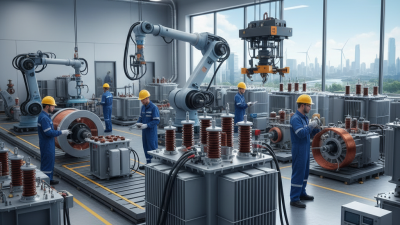
The manufacturing landscape for Dry Type Transformers is evolving rapidly. Innovative technologies play a crucial role in enhancing efficiency and reliability. According to a recent report, the global dry type transformer market is expected to grow significantly, reaching $5.6 billion by 2026. This rising demand is mainly driven by their increasing adoption in urban infrastructure and renewable energy applications.

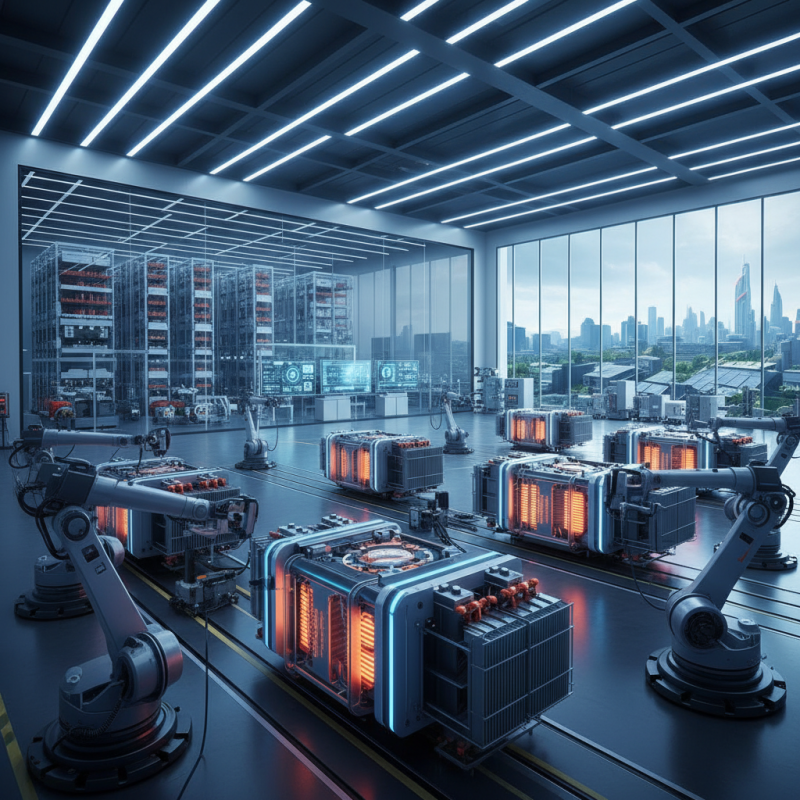
Advanced manufacturing techniques, such as automated winding and resin encapsulation, are transforming production processes. These methods not only streamline operations but also improve the quality of Dry Type Transformers. Furthermore, the integration of IoT technologies offers real-time monitoring, which enhances maintenance practices and reduces downtime. However, these innovations also come with challenges. Implementing advanced systems requires significant investment and skilled personnel.

Sustainability has become a focal point as well. Manufacturers are exploring eco-friendly materials and energy-efficient designs. A growing awareness of environmental impact encourages companies to rethink their practices. While the push for innovation is strong, the industry must balance technological advancements with practical considerations. This reflection emphasizes the importance of strategic planning in sustaining growth within the Dry Type Transformers market.

2026 Innovations in Dry Type Transformers Manufacturing

Advancements in Materials for Custom Dry Type Transformers

2026 Top Custom China Dry Type Transformers Factory Innovations?

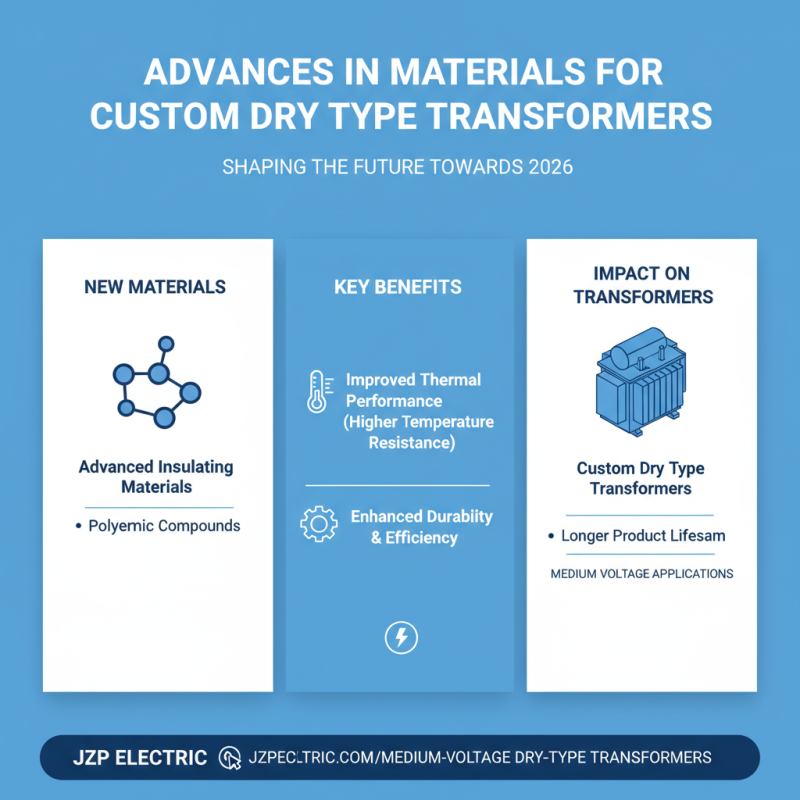
Innovations in materials are shaping the future of custom dry type transformers. As we move towards 2026, manufacturers are exploring advanced insulating materials. These innovations promote durability and efficiency. Medium Voltage Dry Type Transformers benefit significantly from such advancements. For example, new polymeric materials offer better thermal performance compared to traditional options. They withstand higher temperatures and contribute to longer product lifespans.

Another important aspect is the use of environmentally friendly materials. Manufacturers are under pressure to reduce their environmental impact. Innovative recycling processes are emerging, minimizing waste. Enhancements in construction techniques also contribute to overall reliability. However, not all advancements have clear benefits. Some new materials pose challenges in manufacturing consistency. This can lead to performance variability in real-world applications, prompting a need for ongoing evaluation.

Testing and verification remain crucial. While promising materials emerge, comprehensive testing is necessary to validate their performance. The industry often faces mismatches between laboratory results and field performance. Striking a balance between innovation and reliability is key for future developments. As custom dry type transformers evolve, the focus must remain on maintaining high standards, even amid rapid change.

Energy Efficiency Improvements in Transformer Designs

2026 Top Custom China Dry Type Transformers Factory Innovations?

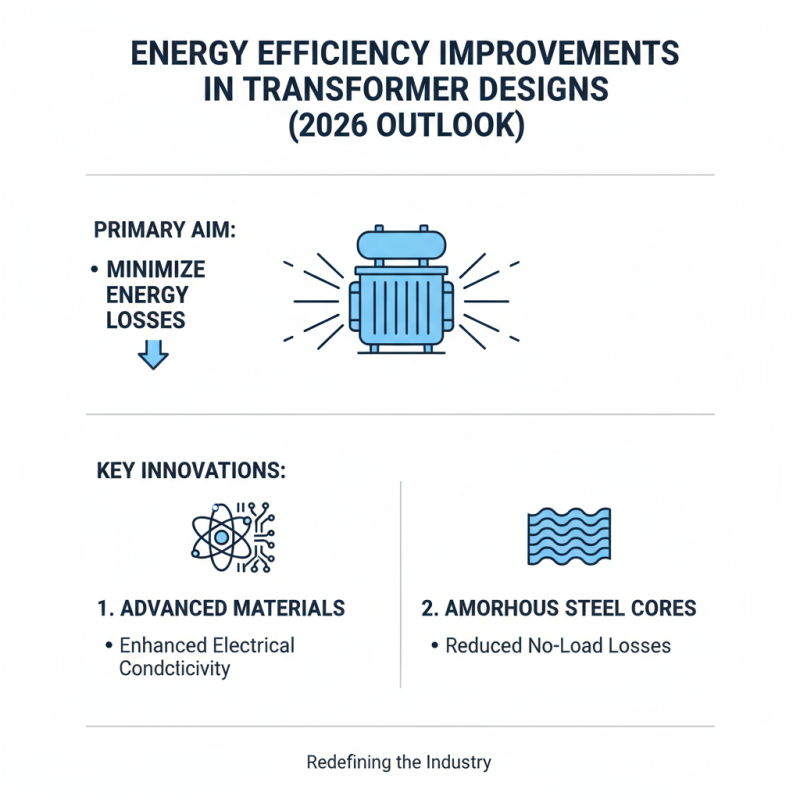
The design of transformers is evolving, focusing on energy efficiency. In 2026, several innovations will likely redefine the industry. One primary aim is to minimize energy losses. Advanced materials are being researched to enhance electrical conductivity. Innovations like amorphous steel cores could significantly reduce no-load losses.

Tips for improving energy efficiency: Consider upgrading older transformers to newer models. Regular maintenance checks can also prevent losses. Awareness of operational loads helps inform energy-saving strategies.

Another exciting development involves smart technology integration. Monitoring systems can optimize transformer performance in real time. These systems help detect inefficiencies early, allowing for timely interventions. Balancing efficiency with performance is complex. The industry faces challenges, such as cost and technology integration. Thus, ongoing research is vital for future enhancements.

Trends in Smart Transformer Integration and Automation

The integration of smart technology into transformer systems is shaping the future of energy management. Automation enables real-time monitoring and swift responses to system changes. One notable trend is the use of Epoxy Resin Cast Dry-Type Transformers due to their enhanced durability and reduced maintenance needs. Their design allows for efficient heat dissipation, making them ideal for various environments.

As the demand for reliable energy sources rises, integrating AI and IoT technologies in transformers becomes crucial. Smart transformers can communicate with other devices, allowing for better load management. User interfaces provide insights into performance metrics, empowering operators to make informed decisions. However, the implementation of such technologies can lead to complex challenges that require careful consideration.

Tips for successful integration include: ensure your team is well-trained in smart technologies. Regular maintenance is key to prolonging the life of your transformers. Keep up with industry trends to stay ahead of innovations. Embracing these advancements is essential, but challenges will arise. Reflecting on these hurdles helps improve future implementations.

Sustainability Practices in Transformer Production

In recent years, sustainability practices in transformer production have gained significant traction. The transformer industry is moving towards greener solutions, responding to global climate change concerns. A report by the International Energy Agency highlighted that energy-efficient transformers can reduce energy losses significantly, potentially saving up to 10% in energy costs.

Many factories are adopting eco-friendly materials. This includes using biodegradable insulating oils and recyclable metal components. Transitioning to low-impact production processes reduces carbon footprints. However, challenges remain, such as the higher initial costs associated with these innovations. The industry requires a careful balance between sustainability and economic viability.

Tips: Consider the life cycle of transformers. Engage in continuous eco-friendly practices even after production. Also, ensure your suppliers share the same commitment to sustainability. Regular audits of energy and material usage can reveal areas for improvement. Embracing these practices not only benefits the environment but enhances corporate reputation.

Key Players in the Custom Transformer Market in China

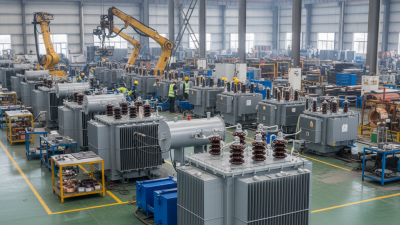
The custom transformer market in China is evolving rapidly. Key players are focusing on innovation to meet increasing demands. These players are investing in advanced technology to improve efficiency and reduce energy consumption. They aim to create transformers that can handle various power loads effectively.

In recent years, many companies have adopted smart manufacturing techniques. This shift enhances precision and lowers production costs. Despite these advancements, challenges remain in terms of quality control and reliability. Ensuring that each transformer meets stringent safety standards is crucial. Some manufacturers face difficulties in maintaining consistent product quality across large batches.

Collaboration within the industry is becoming a trend. Manufacturers are partnering with technology firms to develop smarter solutions. This collaboration helps in creating transformers with better monitoring capabilities. However, balancing innovation with traditional practices can be a struggle. Companies must not compromise on proven techniques for the sake of innovation. The future of custom transformers in China hinges on finding this balance.

2026 Top Custom China Dry Type Transformers Factory Innovations

Factory Location Annual Production Capacity (Units) Innovation Focus Key Technologies Used Market Share (%)
Beijing 15000 Eco-friendly Designs Digital Monitoring, Smart Grids 25%
Shanghai 20000 High Efficiency High-Temperature Superconductors 30%
Guangzhou 12000 Modular Solutions Modular Design, IoT Integration 18%
Shenzhen 18000 Slim Profile Transformers Compact Design, Advanced Cooling 22%
Chengdu 10000 Smart Monitoring AI Integration, Predictive Maintenance 5%

Future Directions for Dry Type Transformer Innovations

The future of Dry-Type Transformer innovations is approaching a watershed moment. As industries strive for energy efficiency, these transformers play an essential role. According to a report from the International Energy Agency, dry-type transformers show a significant reduction in losses, which can be up to 30%. This figure underscores why industries are pivoting towards these technologies to meet sustainability goals.

New materials and designs are emerging in the dry-type transformer sector. Advancements in insulation materials enhance thermal performance. This could lead to transformers with higher capacities that occupy less space. Observations in R&D indicate a trend towards eco-friendly components. Data reveals that green transformers not only support corporate social responsibility but can also decrease lifecycle costs. Companies are now exploring bespoke solutions, catering to specific operational needs.

However, there are challenges to contend with. The initial investment for modern dry-type transformers, such as the Transformers 33kva, may deter smaller firms. Installation and maintenance skills are another hurdle. Ensuring that staff are trained and ready is imperative for maximizing efficiency. Overall, while the innovations are promising, a careful strategy is needed to foster widespread adoption.

FAQS

: What are the benefits of energy-efficient transformers?

: They can reduce energy losses significantly, potentially saving up to 10% in energy costs.

How are factories becoming more sustainable?

Factories are using biodegradable materials and recyclable metals to lessen their environmental impact.

What challenges do companies face with eco-friendly innovations?

Higher initial costs and balancing sustainability with economic viability are major challenges.

How is quality control addressed in the custom transformer market?

Maintaining consistent product quality across large batches is a continuing struggle for manufacturers.

What role do dry-type transformers play in energy efficiency?

They can reduce losses by up to 30%, making them crucial for sustainability goals.

What advancements are being explored in dry-type transformers?

New insulation materials improve thermal performance and allow for higher capacity designs in smaller spaces.

Why might smaller firms hesitate to adopt modern transformers?

The initial investment can be a major deterrent for smaller companies looking to improve efficiency.

What is essential for maximizing the efficiency of new transformer technologies?

Ensuring staff are trained in installation and maintenance is crucial for success.

How are companies addressing the need for bespoke solutions?

Firms are exploring tailored designs to meet specific operational requirements and enhance efficiency.

What balance must companies maintain in transformer production?

Firms must balance innovation with proven traditional methods to ensure reliability and quality.

Conclusion

The article "2026 Top Custom China Dry Type Transformers Factory Innovations" explores the latest advancements in the manufacturing of dry type transformers. It highlights innovative technologies being integrated into production processes, which enhance efficiency and performance. Significant improvements in materials are also discussed, leading to more durable and energy-efficient transformer designs. The article emphasizes the trend towards smart transformer integration and automation, paving the way for a more connected and responsive energy infrastructure.

Additionally, sustainability practices in transformer production are examined, showcasing efforts to reduce environmental impact while maintaining high-quality standards. Key players in the Chinese custom transformer market are identified, shedding light on the competitive landscape. Finally, the article discusses future directions for dry type transformer innovations, illustrating a commitment to ongoing development in this critical sector.
Lila

Lila

Lila is a dedicated marketing professional at JEZOU POWER, a leading designer, manufacturer, and installer of power system solutions established in 1989. With an impressive facility spanning 200,000 square meters, Lila plays a pivotal role in showcasing the company's advanced design concepts and......
Previous 2026 Best Wholesale ODM High Voltage Oil Immersed Transformer Options?