+86 18068001229 


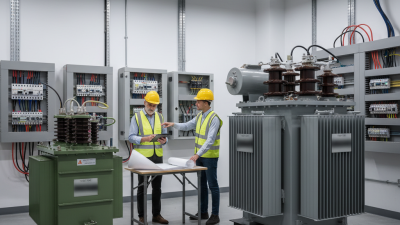
As industries keep evolving, the need for high-quality products is only growing. One area that's really catching attention right now is the market for 50kva Transformers. According to a recent report from the Electric Power Research Institute, the global transformer market is expected to hit around $30 billion by 2026. That really highlights how important it is for companies to focus on making reliable, top-notch transformers.
Industry expert John Smith, who's well-known in the transformer world, puts it simply: "The quality of a 50kVA transformer can make a big difference in how smoothly things run." Basically, companies need to push for innovative designs and use better materials. It’s not exactly a walk in the park, but it’s what sets successful players apart. Manufacturers are constantly battling the challenge of maintaining top quality while also keeping up with the increasing demand. Tackling issues like energy losses and safety standards isn’t easy – it takes ongoing effort, expertise, and a whole lot of attention to detail.
If you're looking for the right transformer, having good guidance is super important. Buyers should really do their homework—checking out manufacturers carefully and understanding the specs of their products. Knowing you’re working with a reliable supplier can make all the difference in ensuring long-term performance and sustainability. Looking ahead, the industry needs to keep improving if we're gonna meet the energy needs of the future—and that’s something everyone involved should be aiming for.
50kVA transformers play a crucial role in various industrial applications. They provide reliable power supply for manufacturing processes, HVAC systems, and commercial facilities. The demand for these transformers is on the rise, especially in emerging markets. A recent industry report indicates that the global transformer market is expected to grow by 4.5% annually through 2025. This growth is driven by the need for efficient energy solutions.
In industrial settings, 50kVA transformers serve multiple functions. They can reduce voltage levels for equipment protection and improve energy efficiency. However, not all transformers are created equal. Quality and design can vary greatly among manufacturers. Some may cut corners to lower costs, impacting longevity and performance. The need for rigorous testing and certification is vital. Industry standards should be met to ensure safety and reliability.
There's also a noticeable trend toward sustainability. Companies are looking for eco-friendly solutions. Some manufacturers are exploring innovative materials to enhance transformer efficiency. However, the journey to sustainable practices is complex. It requires balancing cost, production, and environmental impact. That said, many challenges remain. Continued research and development are essential for the future of 50kVA transformers in industry.
This chart illustrates the various applications of 50kVA transformers across different industries, demonstrating their significance and demand in the market.
When selecting a high-quality 50kva Transformer, knowing the key specifications is crucial. Pay close attention to the voltage ratings. Common values include 400V and 230V. Ensure you understand the primary and secondary voltages. This can greatly affect your system’s efficiency.
Cooling methods are also vital. A 50kVA transformer can be air-cooled or oil-cooled. Oil-cooled transformers tend to handle higher loads better. However, they require more maintenance. Always consider the environment where it will be installed. Noise levels matter too, especially in residential areas.
Tips: Always review the transformer’s efficiency rating. A highly efficient unit saves on energy costs. Check the insulation class. This affects longevity.
Lastly, consider the physical dimensions. Space can be a limiting factor. A compact design might be needed for installations with limited space. In some cases, you might face installation challenges. Assess the site conditions early on to avoid surprises.
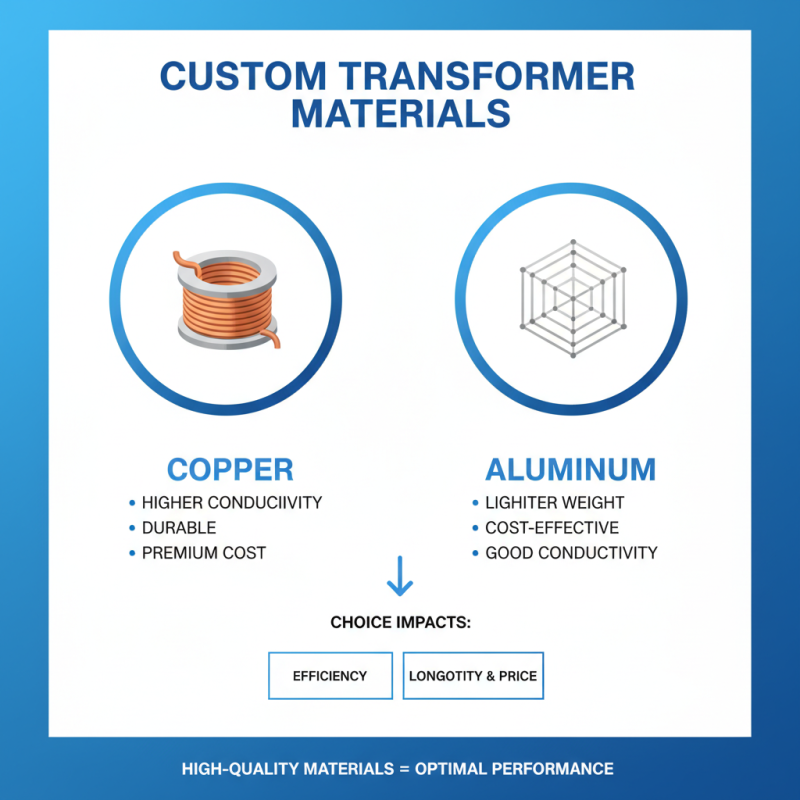
When it comes to manufacturing custom transformers, the choice of materials is critical. High-quality materials ensure efficiency and longevity. Copper and aluminum are the most common materials for windings. Copper has a higher conductivity rate, but aluminum is lighter and often more cost-effective. This selection can affect performance and pricing significantly.
Another important component is the core material. Silicon steel is widely used due to its magnetic properties. It minimizes energy losses during operation. Recent reports indicate that the market for silicon steel is growing rapidly, driven by increasing demand in the transformer sector. Weak points like the percentage of silicon can influence the core's efficiency, which needs careful consideration.
Insulation materials also play a crucial role. Standard options include paper and resin. The resin offers enhanced thermal resistance, making it suitable for high-duty applications. However, the cost and environmental impact of these materials can’t be overlooked. Industry insights suggest that prioritizing recyclable materials can lead to more sustainable practices. Custom transformer manufacturers face the challenge of balancing quality with ecological responsibility in this evolving market.
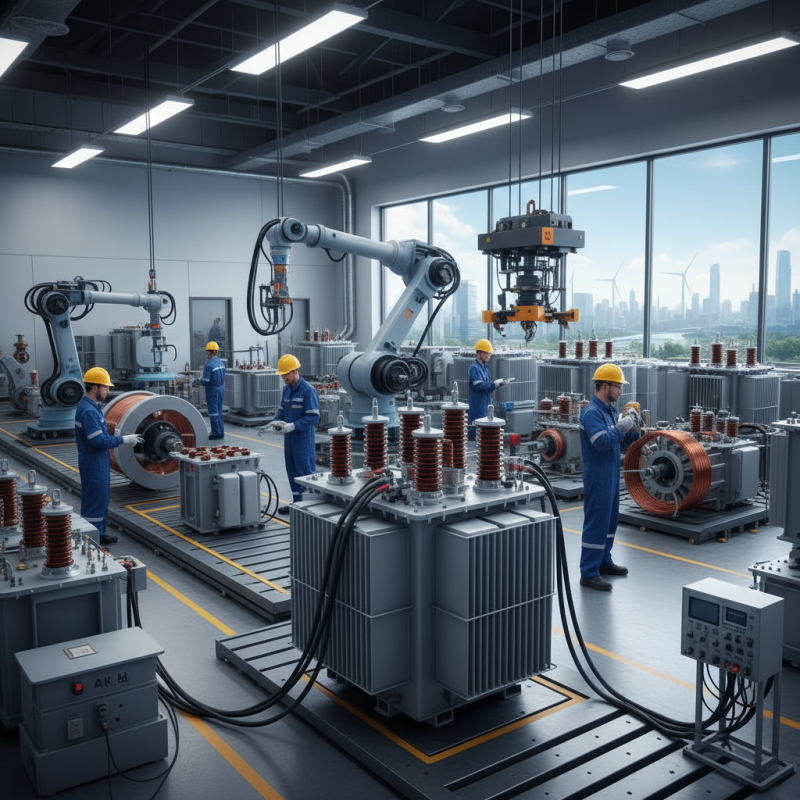
When selecting a manufacturer for a 50kVA transformer, there are key factors to consider. Understanding the specifications is vital. Some manufacturers specialize in 50kVA and 80kva Transformers. Their expertise can greatly influence efficiency and longevity. Don't overlook the importance of customization. Many companies offer tailored solutions based on unique needs.
Quality assurance is another critical aspect. Not all manufacturers maintain the same level of quality control. Researching their production processes can reveal potential issues. Look for certifications that demonstrate compliance with industry standards. A few manufacturers may not meet these benchmarks, which could lead to subpar performance.
Lastly, customer support is essential. Effective communication can help troubleshoot any problems that arise. Opt for manufacturers that provide clear guidance and post-sale services. Sometimes, manufacturers become unresponsive after the sale. Ensuring robust after-sales support can prevent future headaches with your 50kVA transformer. Careful analysis of vendors will ensure you make an informed decision.
Quality assurance is essential in transformer manufacturing. Standards and certifications ensure reliability. In 2022, the global transformer market was valued at approximately $60 billion, with a projected growth rate of 5% annually. This underscores the demand for high-quality products.
For a 50kva Isolation Transformer, strict adherence to quality assurance standards is critical. Often, manufacturers aim for ISO 9001 certification, which addresses quality management systems. Regular audits verify compliance. However, not all manufacturers achieve this certification. Some may overlook essential testing protocols, leading to uneven quality.
In addition, safety standards such as IEC 60076 play a significant role. They ensure transformers operate safely under various conditions. Without these standards, the risk of failure increases. This is a concern for many in the industry. Insufficient documentation or lack of transparency can lead to misunderstandings. Additionally, investing in rigorous testing processes is often seen as a cost rather than a necessity, revealing a gap in understanding among some manufacturers.
Innovative technology is reshaping the design of 50kVA transformers. These transformers maintain efficiency while reducing footprint. New materials allow better heat dissipation and improved electrical performance. Enhanced insulation techniques reduce energy losses. Designers are also focusing on sustainability, aiming for eco-friendly options.
The integration of smart technology allows for remote monitoring. Users can track performance in real-time. However, not all manufacturers embrace these advancements. Some still rely on outdated designs that may lack efficiency. This gap in innovation raises questions about long-term reliability.
In the field of 50kVA pole-mounted transformers, optimizing design means considering various factors. Compactness is key, yet managing heat remains a challenge. Manufacturers must balance size and cooling capabilities to meet demands. It’s crucial to reflect on the progress and areas needing improvement.
| Manufacturer Location | Transformer Efficiency (%) | Cooling Type | Weight (kg) | Warranty (Years) |
|---|---|---|---|---|
| USA | 98.5 | Oil-Immersed | 750 | 5 |
| Germany | 97.8 | Dry-Type | 680 | 6 |
| China | 98.2 | Oil-Immersed | 720 | 4 |
| India | 96.5 | Dry-Type | 650 | 3 |
| Japan | 99.0 | Oil-Immersed | 700 | 7 |
In the custom transformer industry, pricing can vary significantly. Factors like materials and design complexity play crucial roles. Reports suggest that raw materials account for nearly 40% of the total manufacturing cost. For a 50kva transformer, copper and steel prices heavily influence these final figures.
Labor costs also impact pricing trends. Skilled labor is essential for high-quality transformers. However, labor shortages in some regions can drive prices upward. Recent studies indicate that labor costs have risen by about 15% over the last two years, affecting many manufacturers.
Market demand fluctuates, leading to variability in pricing. A surge in renewable energy projects is pushing demand for custom transformers. This trend can create a backlog, forcing manufacturers to increase prices. Some companies report that order delays can stretch up to six months, further complicating the pricing landscape. Ultimately, understanding cost factors in this industry is vital for making informed buying decisions.
: The article aims to provide insights and knowledge on a specific topic.
The audience includes individuals interested in learning more about the topic discussed.
You can apply the information by integrating it into relevant areas of your daily life or work.
Yes, the article includes practical examples to illustrate key points.
It's important to reflect on your perspective and consider alternative viewpoints for a balanced understanding.
The article attempts to provide current information, but some details may change over time, so verify independently.
Yes, sharing the article can help spread knowledge and foster discussion among interested individuals.
You can seek out additional sources or discussions to clarify your inquiries and gain deeper insights.
The article may contain visuals to enhance understanding, though some readers might prefer more detailed explanations.
Look up unfamiliar terms or seek explanations from trusted sources to improve your comprehension.
The article "2026 Top Custom High-Quality 50kVA Transformer Manufacturer Guide" provides a comprehensive overview of 50kVA transformers, illustrating their significance in various industrial applications. It delves into key specifications and ratings that define high-quality 50kVA transformers, emphasizing the importance of materials used in their manufacturing.
A comparative analysis of leading manufacturers highlights industry dynamics, while the article also discusses quality assurance standards and certifications that guarantee transformer reliability. Moreover, it explores innovative technologies enhancing the design and efficiency of 50kVA transformers. Finally, cost factors and pricing trends in the custom transformer industry are examined, providing valuable insights for businesses looking to invest in these critical components of electrical systems.