Leave Your Message
0%

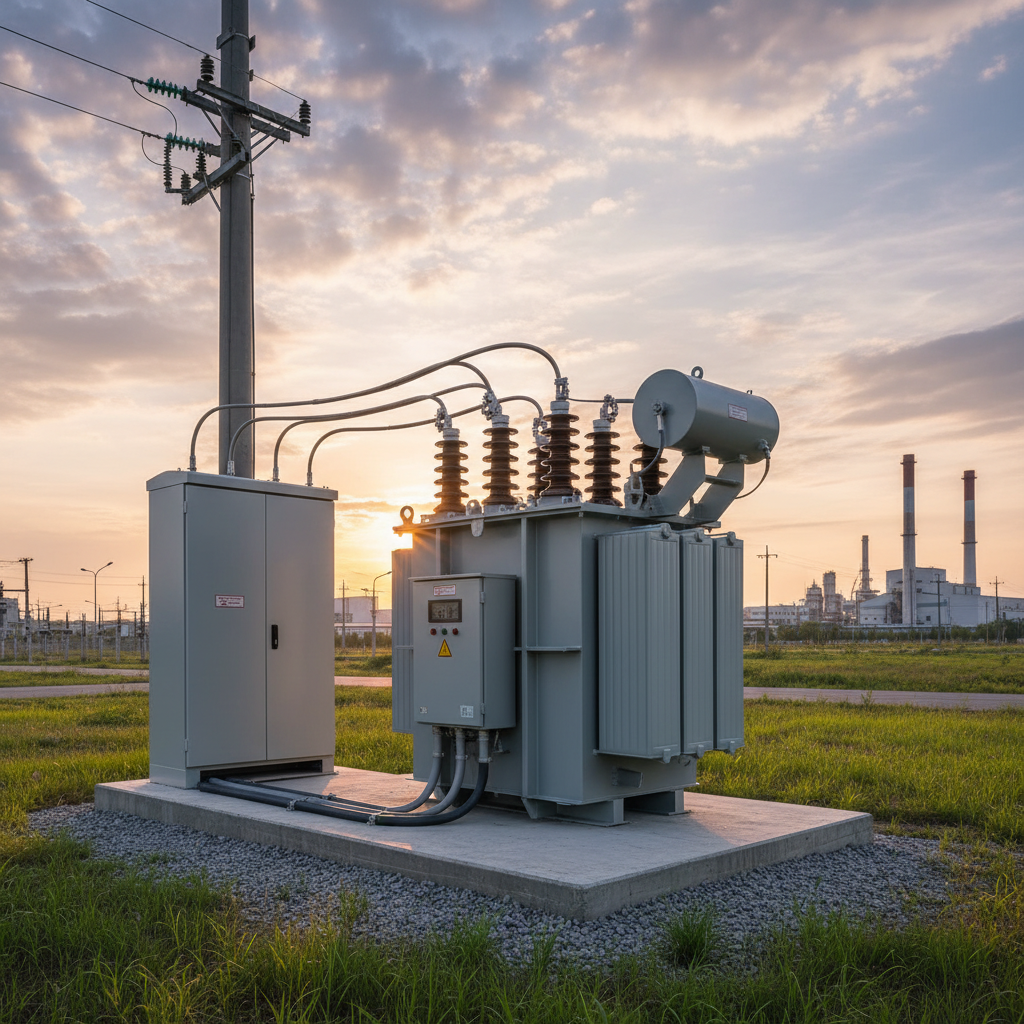
In today’s world of energy management, picking the right transformer for your power needs isn’t just a technical choice — it’s a pretty big deal when it comes to keeping things running smoothly and reliably. The 315kva Transformer is actually a solid pick if you're trying to strike a good balance between power outputand keeping energy costs in check. And did you know? Industry forecasts show that the demand for efficient Power Transformers is set to surge — with an expected growth rate of over6% annually over the next ten years. That’s mainly because energy infrastructure needs an upgrade, and sustainability is more important than ever.
How to Choose the Right 315kVA Transformer for Your Power Needs

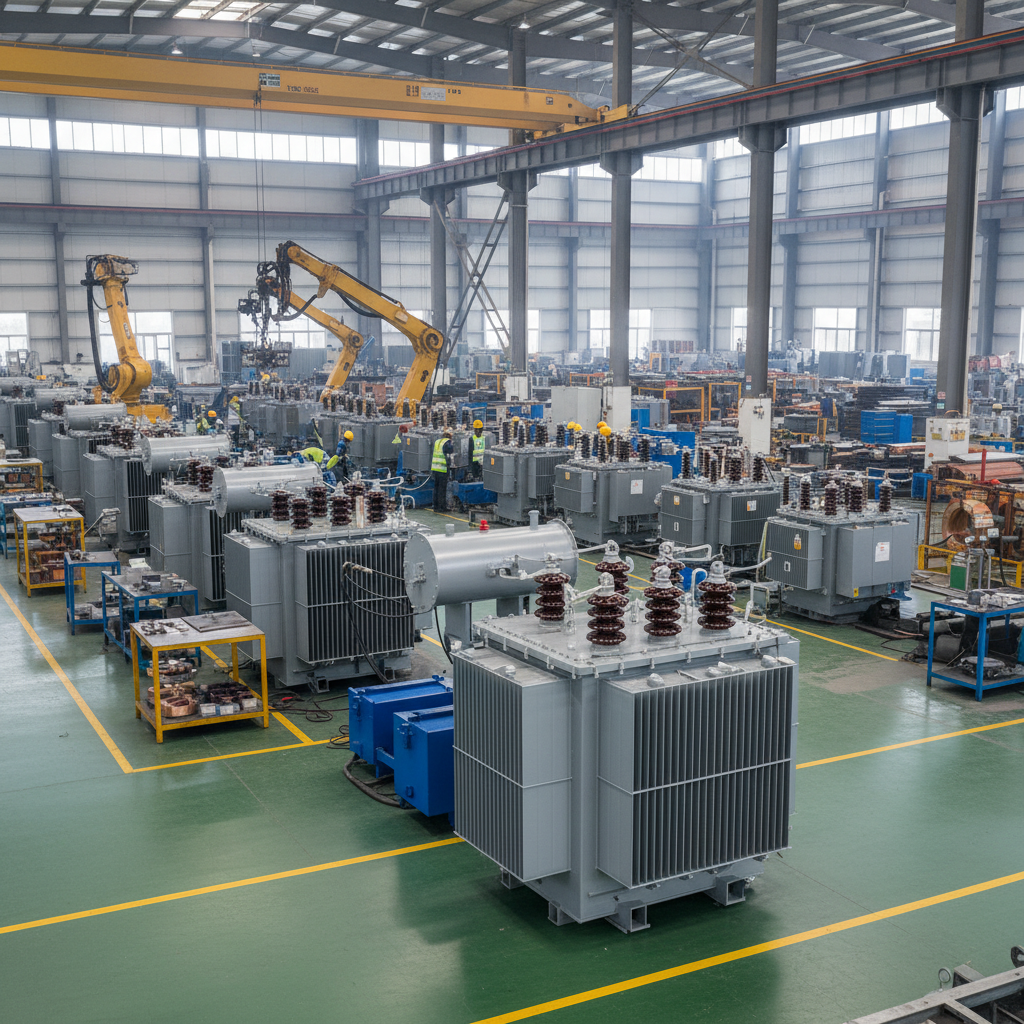
Here at JZPE POWER TRANSFORMER (JIANGSU) CO., LTD., also known as JEZOU POWER, we've been leading the way in power system solutions since 1989. We mix cutting-edge design with strict quality control to make sure our products stand the test of time. Our manufacturing plants cover over 200,000 square meters and are well-equipped to serve clients all over the globe. When you're thinking about a 315kVA Transformer, it’s a good idea to really consider things like your load demands, environmental factors, and making sure you’re following all the relevant standards. This little guide is here to help you figure out how to pick the perfect transformer for your specific needs — all while drawing on JEZOU POWER’s years of industry know-how.

Understanding Transformer Ratings and Specifications for Power Needs

When selecting a 315kVA transformer, understanding the ratings and specifications is crucial for meeting your power needs. Transformers are rated based on their voltage levels, frequency, and kVA capacity, which indicates the maximum load they can handle. According to the Institute of Electrical and Electronics Engineers (IEEE), factors such as temperature rise, efficiency, and load type significantly influence a transformer's performance. For instance, a properly rated transformer ensures minimal losses and optimizes energy efficiency, crucial for reducing operational costs.

Tips: Always assess the load requirements accurately; including potential future expansions. It is advisable to consult standards set by the National Electrical Manufacturers Association (NEMA) to help select suitable transformers that comply with local codes and safety regulations. Doing so not only enhances system reliability but also prolongs the lifespan of electrical installations.

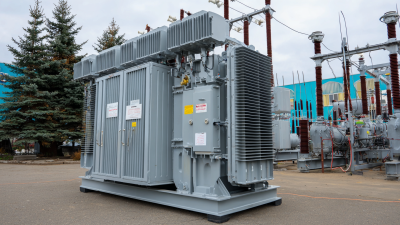
Moreover, consider the cooling methods of a transformer, as they are vital in maintaining optimal performance. The American National Standards Institute (ANSI) classifies transformers based on their cooling types—such as oil-immersed or dry-type—which can have significant impacts on installation and maintenance costs. A proper understanding of these specifications ensures that the chosen transformer can effectively handle both current and future loads, thereby facilitating sustained operational efficiency.

How to Choose the Right 315kVA Transformer for Your Power Needs

Specification Details
Power Rating 315 kVA
Voltage Primary 11 kV
Voltage Secondary 415 V
Frequency 50 Hz
Cooling Type ONAN (Oil Natural Air Natural)
Impedance Voltage 5% to 6%
Temperature Rise 40K
Weight Approx. 2000 kg
Dimensions (L x W x H) 1400 mm x 800 mm x 1100 mm

The Importance of Load Calculations in Selecting a 315kVA Transformer

When opting for a 315kVA transformer, precise load calculations are paramount. These calculations ensure that the transformer aligns with the specific energy demands of your application. As highlighted in recent trends, the global transformer market, valued at approximately $5.1 billion as of 2024, is on a significant growth trajectory. This underscores the necessity of understanding load requirements to avoid inefficiencies that could hinder operational performance and increase costs.

Incorrect load assessments can lead to severe consequences, including overheating, increased wear on electrical components, and even transformer failure. Reports from the industry indicate that around 1.3 million transformer failures occur annually in some regions due to issues like unbalanced loading and external factors. Therefore, conducting thorough load calculations not only helps in selecting the appropriate transformer but also extends its lifespan and optimizes energy usage, ensuring a reliable power supply for any given application.

Evaluating Transformer Efficiency and Regulatory Compliance Standards

When selecting a 315kVA transformer, evaluating its efficiency and ensuring adherence to regulatory compliance standards are critical factors. Transformer efficiency directly impacts operational costs and energy consumption, and understanding the efficiency ratings can help in selecting a model tailored to your needs. Look for transformers with high efficiency percentages, as these will minimize energy losses during operation, ultimately providing better long-term savings.

Additionally, understanding regulatory compliance standards is paramount for any electrical installation. Different regions may have specific requirements regarding energy efficiency, safety, and environmental impact. It is vital to familiarize yourself with local regulations to ensure that the transformer you select meets or exceeds these standards. Compliance not only enhances safety but can also lead to potential tax incentives or grants for energy-efficient equipment.

**Tips:** Always verify the efficiency ratings provided by the manufacturer and consider transformers with a high efficiency level that comply with local regulations. Additionally, consulting with a professional to assess your specific power needs can guide you in making an informed decision that balances performance and compliance effectively.

315kVA Transformer Efficiency Analysis

Assessing Installation Requirements and Space Considerations for Transformers

When selecting the right 315kVA transformer, one critical aspect that cannot be overlooked is the assessment of installation requirements and space considerations. According to the International Electrotechnical Commission (IEC), proper placement and spacing of electrical equipment can significantly influence operational efficiency and safety. A transformer of this size typically requires designated space that adheres to local regulations, including adequate clearance for maintenance and ventilation. For example, maintaining a distance of at least 1 meter from walls or other equipment can prevent overheating and ensure optimal airflow.

Furthermore, environmental factors must also be taken into consideration. Transformers should ideally be installed in a clean, dry environment to minimize the risk of dust and moisture ingress, which can lead to premature failure. Reports from the Electric Power Research Institute (EPRI) indicate that transformers operating in less-than-ideal conditions can experience up to a 30% decrease in lifespan. This underscores the importance of thorough planning during the selection and installation process. At JEZOU POWER, we emphasize advanced design concepts and strict quality control to ensure our transformers not only meet but exceed industry standards, making us a reliable choice in your power solution journey.

Comparing Cost-Effectiveness: Initial Investment vs. Long-Term Savings

How to Choose the Right 315kVA Transformer for Your Power Needs

When selecting a 315kVA transformer, it's crucial to evaluate the cost-effectiveness by understanding the balance between initial investment and long-term savings. The initial outlay for a high-quality transformer can range from $15,000 to $25,000, depending on specifications and manufacturer. However, outdated or lower-quality transformers can lead to increased energy losses, costing businesses significantly over time. According to the U.S. Department of Energy, energy losses in transformers account for nearly 2% of all electricity consumption in the nation. This makes investing in an efficient model pivotal for both budget and sustainability.

**Tips:** When considering your investment, prioritize transformers that offer high efficiency ratings, such as those meeting the DOE's efficiency standards. This might mean a higher upfront cost but can lead to substantial energy savings over the transformer’s lifecycle. Additionally, look for models with low maintenance requirements, as they can considerably reduce total ownership costs.

Moreover, factor in the potential for software and IoT integration. A transformer equipped with smart technology can provide real-time monitoring and diagnostic capabilities, enhancing operational efficiency. A 2021 market report highlighted that companies utilizing advanced power management systems saw energy costs decrease by 10-15% annually, underscoring the benefits of investing wisely in a 315kVA transformer.

Recognizing Brands and Manufacturers that Meet Industry Standards for Transformers

When selecting a 315kVA transformer, understanding the reputation of brands and manufacturers is crucial to ensure reliability and compliance with industry standards. Not all transformers are created equal, and opting for established brands can significantly impact the efficiency and longevity of your electrical systems. Brands that prioritize quality and adhere to international safety standards are typically more reliable. Look for manufacturers that have certifications such as ISO 9001, which indicates a commitment to quality management systems, and IEC standards that ensure safety and performance.

**Tips:** Always consider the manufacturer's track record in the industry. Research customer reviews and case studies to gauge their product performance. Additionally, inquire about warranty and after-sales support; reputable manufacturers often provide reliable service and support, which is essential for maintenance and troubleshooting.

Moreover, transparency in specifications and component sourcing is a hallmark of reputable brands. Opt for companies that openly share technical data and test results for their transformers, demonstrating their adherence to industry standards. This transparency not only builds trust but also helps you make informed decisions regarding your power needs. Remember, investing in a quality transformer from a respected manufacturer can lead to long-term savings and improved energy efficiency.

Harnessing the Power: Insights from Recent Industry Reports on 138kV and 132kV Power Transformer's Role in Modern Energy Systems

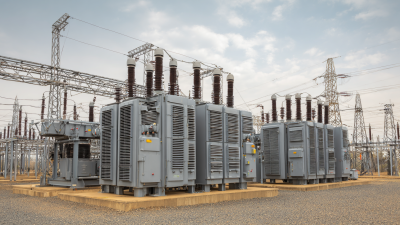
In the evolving landscape of modern energy systems, the significance of high-voltage power transformers, particularly those rated at 132kV and 138kV, cannot be overstated. According to recent industry reports, these transformers are pivotal in ensuring the efficient transmission and distribution of electricity across vast distances. They help in minimizing energy losses while maintaining the integrity and reliability of power supply, crucial for supporting increasing energy demands.

These transformers typically feature a range of primary voltage ratings, including 132kV and 138kV, catering to diverse applications within the energy sector. Additionally, their secondary voltage ratings, such as 11kV, 10.5kV, and 6.6kV, offer flexibility in meeting the specifications of various utility and industrial projects. With high-voltage tap ranges of ±8×1.25%, these transformers allow for adaptive operations under varying load conditions, enhancing performance stability. Furthermore, many modern designs utilize connection types like YNd11, which facilitate effective phase transformation and balance, thus optimizing power transmission.

Oil-Immersed Transformers are prevalent in this category, providing effective cooling and insulation properties essential for high-performance applications. As industries shift towards more sustainable energy practices, understanding the role of these 132kV and 138kV transformers is crucial for adopting innovative solutions that align with modern energy demands. The insights from recent industry reports highlight the ongoing advancements and the critical role these transformers play in the global energy infrastructure.

FAQS

: Why are load calculations important when selecting a 315kV

transformer?

What can happen if load assessments are incorrect?

Incorrect load assessments can lead to overheating, increased wear on electrical components, and even transformer failure, with reports indicating that around 1.3 million transformer failures occur annually due to these issues.

What installation requirements should be considered for a 315kVA transformer?

It's important to assess installation space, maintain a distance of at least 1 meter from walls or other equipment, and ensure adequate clearance for maintenance and ventilation to promote operational efficiency and safety.

How do environmental factors affect transformer lifespan?

Transformers should be installed in clean, dry environments to minimize dust and moisture ingress, as operating in less-than-ideal conditions can lead to up to a 30% decrease in lifespan.

What is the cost range for purchasing a 315kVA transformer?

The initial investment for a high-quality 315kVA transformer typically ranges from $15,000 to $25,000, depending on specifications and manufacturer.

How do energy losses in transformers affect costs?

Energy losses in transformers account for nearly 2% of all electricity consumption in the U.S., which means that investing in energy-efficient models can significantly reduce long-term operational costs.

What features should be prioritized when selecting a transformer for cost-effectiveness?

Look for transformers with high efficiency ratings, low maintenance requirements, and potential for software and IoT integration to enhance operational efficiency and reduce total ownership costs.

How can smart technology in transformers lead to savings?

Transformers equipped with smart technology allow for real-time monitoring and diagnostics, leading to energy cost reductions of 10-15% annually, according to a 2021 market report.

Conclusion

Choosing the right 315kVA transformer is crucial for optimizing power needs in various applications. Understanding transformer ratings and specifications helps in identifying the best fit for your specific requirements. Load calculations play a vital role in this selection process, ensuring that the transformer can handle the anticipated electrical demand efficiently. Additionally, evaluating the efficiency and compliance with regulatory standards is essential for long-term reliability and performance.

Installation considerations, including space requirements and cost-effectiveness, further influence the decision-making process. Comparing the initial investment against potential long-term savings can provide valuable insights into the overall profitability of the transformer. Moreover, it is important to recognize reputable brands like JEZOU POWER, a leader in the industry since 1989, known for its advanced design concepts and stringent quality control, ensuring that your 315kVA transformer meets the highest standards.
Lila

Lila

Lila is a dedicated marketing professional at JEZOU POWER, a leading designer, manufacturer, and installer of power system solutions established in 1989. With an impressive facility spanning 200,000 square meters, Lila plays a pivotal role in showcasing the company's advanced design concepts and......
Previous Navigating the 2025 Technology Trends in Electrical Engineering Through Best Three Phase Dry Type Transformers