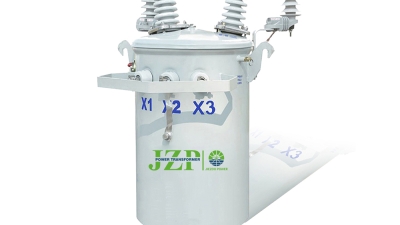
Nowadays, in the world of industry, picking the right equipment isn’t just a tick on the checklist — it’s a big deal for keeping operations smooth and efficient. And when it comes to transformers, the right choice really matters. A 315kva Transformer, for example, is pretty much a cornerstone for reliable power distribution, especially with the energy needs of modern facilities constantly growing. I was reading recently that, according to Markets and Markets, the global transformer market is expected to hit nearly $72 billion by 2026, mainly fueled by industrial expansion and new infrastructure projects. Companies like JZPE Power Transformer (Jiangsu) Co., Ltd. have really stepped up, thanks to their innovative designs and strict quality controls. They've been around since 1989 and sit on a massive 200,000 square meters — talk about some serious size! JZPE Power focuses on power system solutions that are tailored to a bunch of different industrial needs, making sure businesses can get the most out of their equipment — including the all-important 315kVA transformers.
Understanding the Basics: What is a 315kva Transformer?
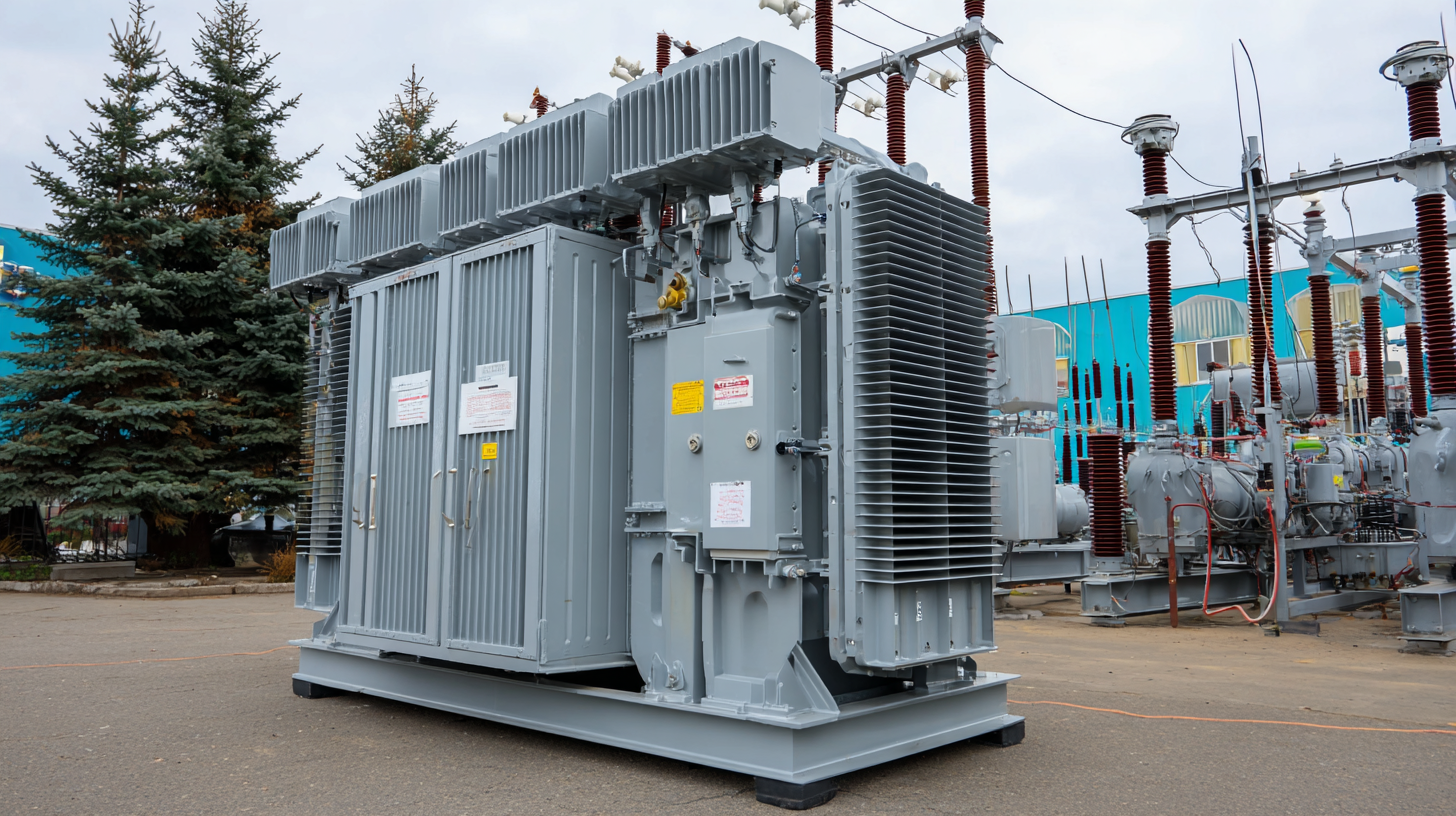
A 315kVA transformer is pretty much a key player in industrial setups. It’s what helps move electricity efficiently across different machines and systems. Basically, with a rating of 315 kilovolt-amperes, these transformers are mostly used to step down those super high voltages from power lines into levels that machinery can actually use without anything blowing out. According to a report by the International Electrotechnical Commission (IEC), having a transformer of this size is pretty much a must-have in sectors like manufacturing and mining — places where consistent, reliable power is absolutely crucial for smooth operations.
Getting what a 315kVA transformer does can be pretty simple. It’s all about understanding its voltage and current limits. For example, if it has a primary voltage of around 11kV, it can deliver roughly 315 amps of current on the secondary side when stepping down to about 400V. This kind of transformation is super important because it keeps the machines running smoothly without risking overloads or damaging sensitive equipment. As industries grow and change, having a dependable transformer isn’t just about keeping things running; it also helps cut down on energy losses. Modern designs can even bump up efficiency to around 98%, which is a pretty big deal when it comes to saving energy and costs.
Key Factors to Consider When Selecting a Transformer for Industrial Applications
Picking out the right 315kVA transformer for your industrial projects isn’t just about matching numbers — there are quite a few things to keep in mind to make sure it performs well and stays reliable. First off, you gotta get a feel for how much power you really need. The market offers a wide range of options, from tiny ones under 1 KVA all the way up to big guys over 5 KVA. That just shows how different industries have different energy needs. And here’s something pretty interesting: the North American transformer market is expected to grow at a CAGR of about 7.3% from 2025 to 2034 — a clear sign that everyone’s really focused on finding smarter, more efficient energy solutions.
Another thing to consider is what you actually plan to use the transformer for. Like, a transformer for audio gear needs completely different specs compared to one used in heavy industrial machinery. Industry reports mention something called coil-winding machines—they’re super important because they make sure coils are top-notch and precise, which is crucial for transformers and lots of other electrical parts. Plus, it’s good to understand the ins and outs of insulation materials—whether solid or liquid—since that can seriously impact how well a transformer performs over time, especially in tough environments. So, whether you’re just shopping around or really trying to nail down the perfect fit, it’s smart to check out both the technical specs and the conditions it’ll be working in before making a final decision.
Transformer Efficiency Ratings for Industrial Applications
Comparing Different Types of 315kva Transformers: Advantages and Disadvantages
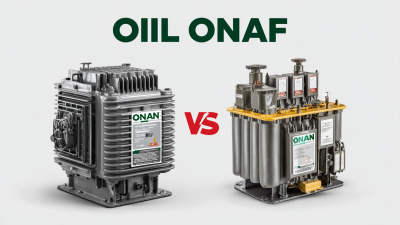
When you're on the hunt for a 315kVA transformer for your industrial setup, it's really important to check out all the different types available out there. Honestly, each kind has its own pros and cons that can make a pretty big difference in how smoothly things run. For example, liquid-filled transformers are pretty popular because they’re sturdy and tend to be energy-efficient. But, they can be a bit more high-maintenance. On the flip side, Dry-Type Transformers are much easier to install and manage, though they might not be able to handle really heavy loads as effectively. So, it’s all about weighing what's more important for your specific needs.
Industry-wise, things are looking pretty promising. The global market for transformers is expected to hit around $330 billion by 2032, growing at roughly 10% annually from 2024 onwards. That really highlights how crucial it is to be smart about your choices now. A good tip? Think about your actual load demands, consider any environmental factors that might impact performance, and don’t forget to factor in maintenance costs over the long run.
Also, it’s a smart move to keep an eye on market forecasts. Some recent predictions suggest that we might shift from facing semiconductor shortages to Potential Transformer shortages in the near future. So, grabbing transformers that match the coming energy needs could help keep your operations steady and avoid interruptions. And whenever you're in doubt, don’t hesitate to chat with a knowledgeable supplier — they can really help cut through the confusion and guide you in picking the best option for your setup.
How to Choose the Right 315kva Transformer for Your Industrial Needs
| Transformer Type | Advantages | Disadvantages | Best Application |
| Oil-Immersed Transformer | High reliability, good insulating properties | Requires more maintenance, sensitive to environmental conditions | Heavy industrial applications, utilities |
| Dry-Type Transformer | Less maintenance, safe for indoor use | Lower efficiency in high-load applications, larger size | Commercial buildings, residential areas |
| Cast Resin Transformer | Excellent fire safety, robustness | Higher initial cost, limited capacity range | Industrial plants, renewable energy systems |
| Auto-Transformer | Compact size, cost-effective | Less isolation between primary and secondary circuits | Voltage regulation, starter for induction motors |
Efficiency Matters: How to Evaluate Transformer Performance
So, when you're picking out a 315kVA transformer for industrial use, one of the biggest things to keep in mind is efficiency. It’s not just about the specs — you’ve really gotta understand things like how much energy gets lost as heat, what kind of load it can handle, and how hot it might get during operation. A good-quality transformer will keep energy waste to a minimum, which means it runs more efficiently overall. That’s a win because it can cut down your energy bills and also helps out the environment. Basically, choosing a transformer that scores well on these points is pretty much a smart move.
At JZPE Power Transformer (Jiangsu) Co., Ltd., we’re all about cutting-edge design and strict quality control to make sure our transformers are reliable and efficient. We’ve been around since 1989, and with our massive 200,000 square meter facility, we use the latest tech to build products you can count on. We put a lot of effort into adding innovative features that boost performance, so our customers get solutions tailored just for their needs. Going with a transformer from JZPE Power not only guarantees good performance but also helps support a more sustainable future thanks to energy-efficient design choices.
Cost Analysis: Balancing Initial Investment and Long-Term Savings
So, when you're picking out a 315kVA transformer for industrial use, one of the big things you really want to look into is the overall cost. It’s not just about how much you pay upfront, but also about how much you'll save in the long run. A good quality transformer can make a huge difference — it can cut down on energy costs, run more efficiently, and reduce waste as time goes on. Basically, understanding the total cost of ownership — including installation, maintenance, and how much energy it consumes — is super important to make a smart financial choice.
Yeah, the fancy, high-end transformers might cost a bit more initially, but they often pay off with lower energy bills and less maintenance needed in the long haul. Plus, with more industries getting serious about sustainability these days, choosing a transformer that supports renewable energy sources — like solar power — isn't just good for the planet, but it can also save you some cash and help make your operations more eco-friendly. So, doing thorough research and crunching the numbers upfront is key to making sure your investment is both solid performance-wise and financially smart in the end.
Expert Recommendations: Choosing the Right Brand and Specifications
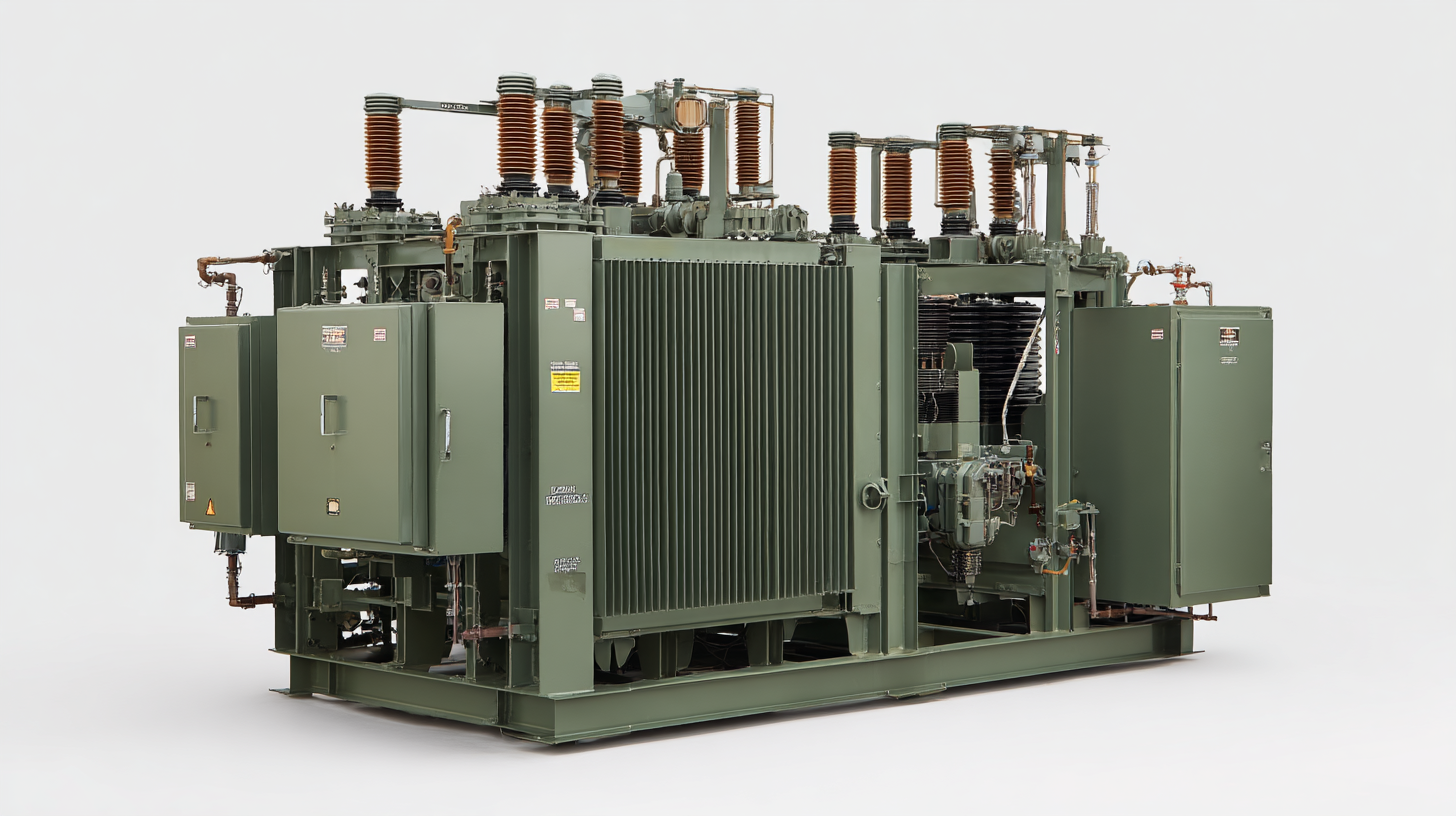
When you're shopping for a 315kVA transformer for industrial use, it’s pretty important to pay attention not just to the specs, but also to the brand’s reputation. I mean, according to the IEC (International Electrotechnical Commission), a high-quality transformer can actually boost energy efficiency by up to 98%. So, choosing a brand known for reliability and good performance standards really makes a difference. The top manufacturers tend to stick closely to IEC 60076 standards, which means their stuff is built to last and perform well—even in tough conditions.
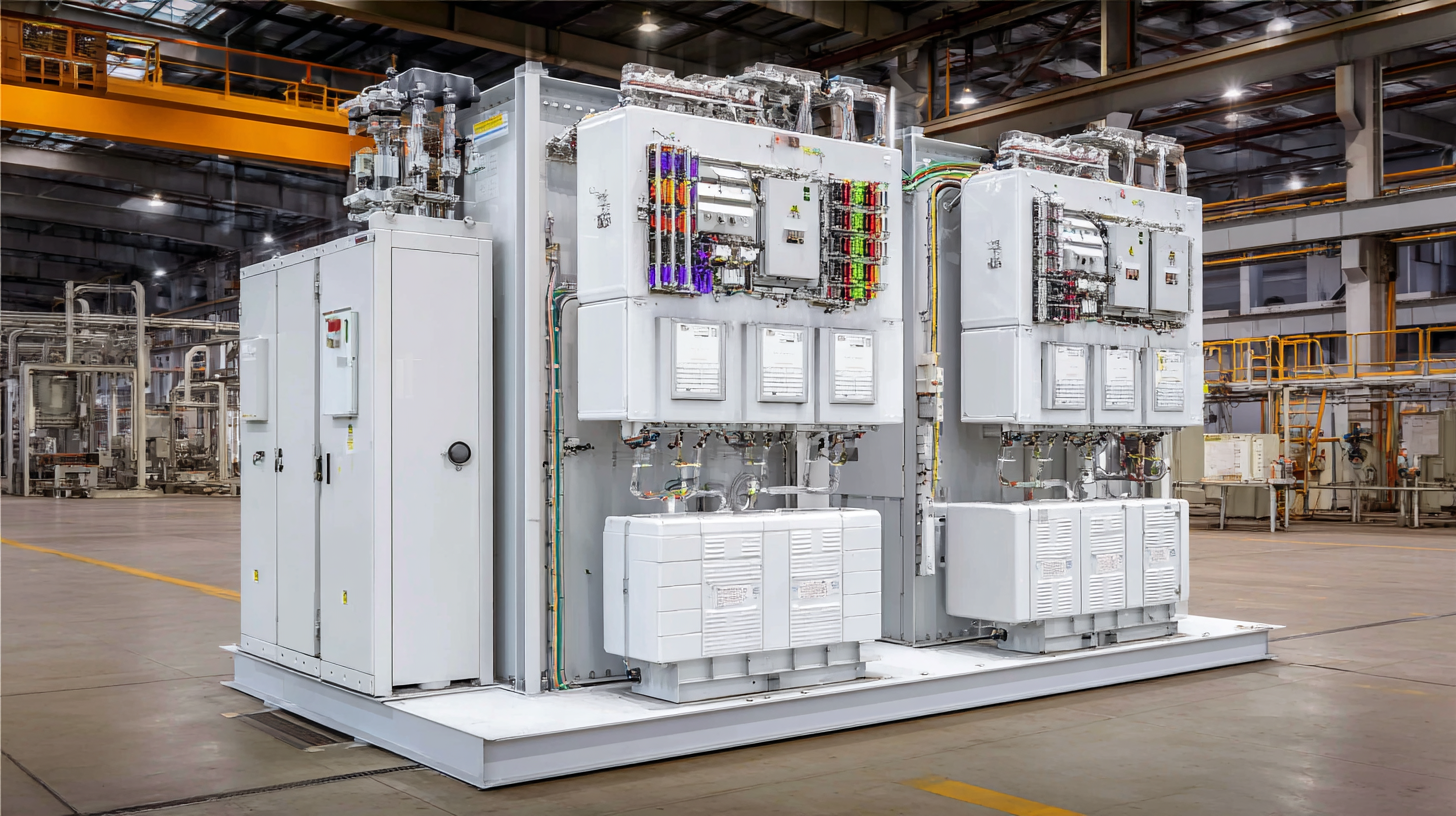
Plus, getting the right specs is super key. Things like voltage ratings, frequency, and cooling methods need to fit your facility’s power setup. The IEEE (Institute of Electrical and Electronics Engineers) even suggests that matching your transformer’s specs to your actual load can help cut down on losses and keep your system running smoothly. If you pick a transformer that ticks all these boxes, you’ll not only get better efficiency but also extend the life of your electrical system overall. So, doing a bit of homework and listening to expert advice really pays off if you want your industrial operations to run seamlessly.
Maximizing Efficiency and Reliability: The Cooper Oil Immersed Transformer for High Frequency Applications
In the realm of high-frequency applications, efficiency and reliability are paramount. The Cooper Oil Immersed Transformer stands out as a leading solution, specifically designed to meet these demands. With an impressive range from 15kVA up to 500kVA, this transformer family supports both step-up and step-down configurations, making it versatile for various industrial settings. According to a recent industry report, transformers like these are essential for minimizing losses during energy conversion, helping to achieve efficiency ratings of over 98%. This is particularly crucial in applications where every watt counts, such as in renewable energy systems and high-performance electrical grids.
The oil-immersed design not only provides superior cooling capabilities, but also enhances the reliability of the transformer. Oil serves as an excellent insulator while efficiently dissipating heat generated during operation. In high-frequency applications that typically induce thermal stresses, the Cooper transformer’s design mitigates the risk of overheating, thus extending the lifespan of the unit. Data from the Electrical Power Research Institute indicates that modern transformers, including oil-immersed types, can operate effectively under fluctuating loads and varying frequency conditions, making them ideal for today’s dynamic electrical environments.
Moreover, with electrical grids increasingly integrating renewable energy sources and varying load demands, the adaptability of the Cooper Oil Immersed Transformer is a crucial factor for system stability. As reported by the International Energy Agency, the ability to handle higher frequency operations without compromising performance ensures reliable energy distribution. With options ranging from 15kVA to 500kVA, the Cooper Oil Immersed Transformer equips businesses with the flexibility and reliability needed to thrive in a rapidly evolving energy landscape.
FAQS
: Key factors include understanding power capacity requirements, the specific application of the transformer, and the properties of insulation materials. It's essential to assess both technical specifications and operational conditions.
Understanding power capacity requirements is crucial, as transformers are available in various power capacities, and industries need models that meet their specific energy demands while maximizing efficiency.
Liquid-filled transformers offer durability and energy efficiency but require more maintenance, while dry-type transformers are easier to install and operate but may not handle higher loads as effectively.
Efficiency can be evaluated by examining key parameters such as energy loss during operation, load capacity, and temperature rise. A high-quality transformer minimizes energy dissipation, maximizing operational efficiency.
It's crucial to consider long-term maintenance costs alongside initial purchase prices, as different transformer types have varying requirements for upkeep that can impact overall operational costs.
Current market trends indicate a growing demand for transformers, with projections suggesting potential shortages in the near future. Staying informed about these trends can help in making timely and informed purchasing decisions.
Choosing an energy-efficient transformer reduces energy costs and minimizes environmental impact, contributing to a more sustainable operational approach.
Knowledgeable suppliers can provide valuable insights and guidance on the complexities of selecting a transformer that aligns with specific application needs and market conditions.
The choice of insulation materials, both solid and liquid, significantly affects the long-term performance of transformers, especially in harsh environments.
The global transformer market is projected to reach $330.3 billion by 2032, growing at an annual rate of 10.4% from 2024, highlighting the increasing emphasis on effective energy solutions.
Conclusion
So, you're thinking about getting a 315kva transformer for your industrial setup? It's actually pretty important to understand the basics and what this powerhouse does. Basically, this kind of transformer is crucial for distributing electrical power smoothly — no disruptions, no hiccups — making sure your operations keep running just how you want. When you're choosing one, think about your specific needs, what types are available out there, and weigh their pros and cons. Doing a little homework on efficiency and costs upfront can really pay off in the long run, helping you strike a good balance between what you spend now and how well everything functions later.
Most experts recommend sticking with trusted brands like JEZOU POWER—these guys have been designing and making power system solutions since 1989. They incorporate the latest design ideas and strict quality checks to make sure your 315kva transformer performs reliably and keeps your industrial processes running smoothly. It’s all about choosing a quality product that you can depend on, right from the start.

 +86 18068001229
  Contact Phone
 Contact Email