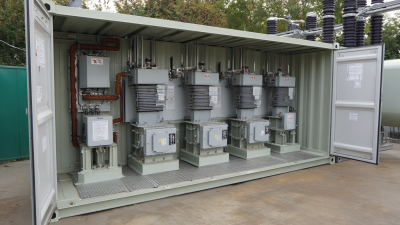
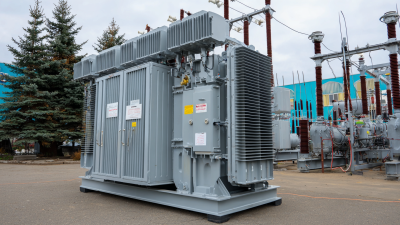
In today's electrical systems, the efficiency of transformers like the 50kVA and 80kVA models really makes a big difference when it comes to saving energy and cutting down costs. According to the folks at the International Electrotechnical Commission (IEC), a well-made transformer can actually hit efficiencies over 98%, which means way less energy gets lost during Power Distribution—a win for everyone.JZPE POWER TRANSFORMER (JIANGSU) CO., LTD., a pretty big name in the power industry since back in 1989, covers a massive 200,000 square meters. They've built a solid reputation for making high-quality transformers, including those popular 50kVA and 80kVA units, using cutting-edge design and manufacturing techniques. Thanks to strict quality checks, JEZOU POWER is all about delivering reliable, top-notch solutions that fit the needs of modern energy consumption while also keeping sustainability in mind. Knowing how these transformers work efficiently really helps underline just how important they are for creating a more dependable and eco-friendly energy system.
Efficiency Ratings: Comparing 50kVA and 80kVA Transformers in Industry Applications
The 50kva Transformer is pretty much a must-have in today's power distribution setups. It’s got a lot of advantages that really boost efficiency and keep things running smoothly. One of the biggest perks? Its compact size. That makes it a lot easier to install, especially in busy urban areas where space is tight. Because it’s smaller, utilities can slip these transformers right into existing infrastructure without having to do a bunch of heavy lifting or making costly modifications. So, it saves both time and money, which is definitely a win.
And let’s not forget that 50kVA transformers are super efficient. They usually run at high efficiency levels, so they waste less energy during the conversion process. That not only means lower electricity bills but also helps out with sustainability goals by cutting down the carbon footprint. Plus, these transformers are pretty solid when it comes to handling different load levels. They keep delivering a steady power supply, even during those crazy peak times when everybody’s pulling electricity. All in all, using 50kVA transformers really helps make modern power systems more reliable and flexible — it’s like having a power upgrade that you can count on.
Efficiency Comparison of 50kVA and 80kVA Transformers
This chart illustrates the efficiency ratings of 50kVA and 80kva Transformers based on various industry applications. The efficiency values are hypothetical but reflect common performance metrics within the electrical systems.
Load Factor Analysis: Optimal Usage of 50kVA vs 80kVA Transformers
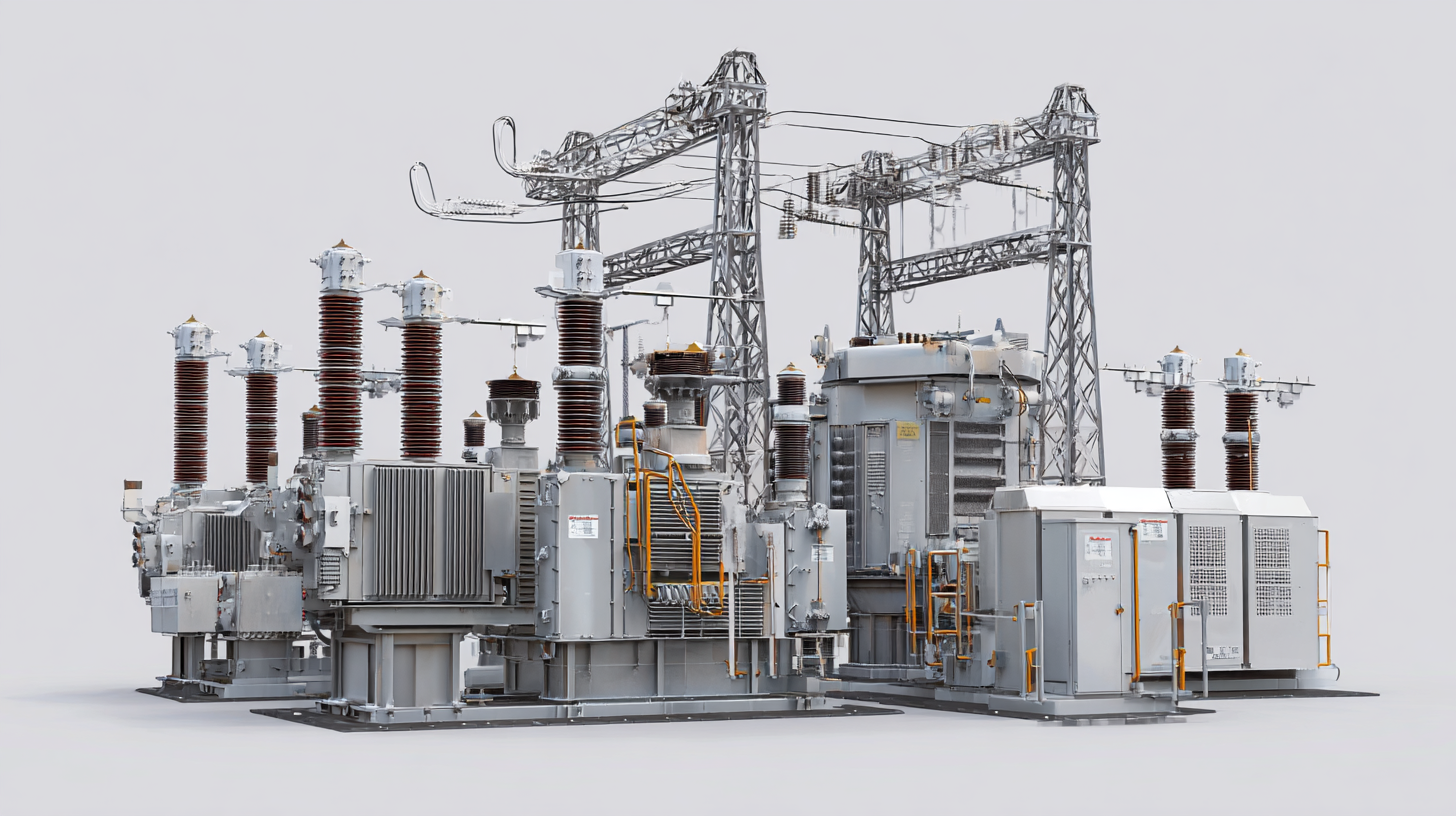 When you're looking into the efficiency of 50kVA and 80kVA transformers, doing a load factor analysis is honestly pretty key to figuring out the best fit for your modern electrical setup. A 50kVA transformer might do the trick if your loads are generally on the smaller side, but if you foresee needing more juice down the line or your demand fluctuates, an 80kVA unit offers that extra breathing room. It’s really important to think about your expected load patterns and how your system will operate — this way, you can get the most energy savings and cut down on running costs.
And here’s a little tip: keep an eye on your load factor regularly. When you keep it in check, your transformer runs more efficiently, and it actually lasts longer, which means fewer costly repairs or replacements down the road.
At JZPE POWER TRANSFORMER (JIANGSU) CO., LTD., we know just how big of a deal it is to pick the right transformer for your specific needs. With over 30 years of experience behind us, we’re committed to using cutting-edge design ideas and strict quality standards to make sure every transformer we build — whether it’s 50kVA or 80kVA — performs reliably and to the highest standards. Making the right choice here can seriously impact your energy costs and how smoothly your whole system runs.
And one more thing — it's always a good idea to chat with a professional to get a clear picture of your actual power needs. That way, you can make smarter choices about what transformer to go with and how to set up your system for the best results.
Energy Loss Metrics: Understanding No-Load and Load Losses in Transformers
In today's electrical systems, understanding how energy gets lost in transformers is pretty important if you want things to run efficiently. There are mainly two types of losses you should know about: no-load losses and load losses. No-load losses, sometimes called core losses, happen when the transformer is turned on but not actually delivering power to anything. Most of these losses come from the magnetization of the core material. Recent industry reports suggest that no-load losses can make up around 10 to 15% of a transformer's total operating costs over its lifetime — which is why choosing the right core material really matters. Using higher-grade silicon steel or amorphous steel can make a noticeable difference and cut down these losses compared to standard options.
Then there are load losses—also known as copper losses—which happen when the transformer is actually supplying power to a load. These losses are due to the resistance in the windings and tend to grow bigger when the load gets heavier. In fact, some data shows that load losses can account for as much as 40% of the energy lost when the transformer is pushed near its maximum capacity. So, things like better winding design and using materials with higher conductivity, like copper, can really help minimize these losses. When engineers and facility managers understand these different metrics, it becomes easier to pick the right transformer and keep it maintained properly.
All of this adds up to a more efficient electrical system overall, which is what we really want, right?
Cost-Benefit Breakdown: Initial Investment and Long-Term Savings of 50kVA vs 80kVA
When you're trying to decide between a 50kVA and an 80kVA transformer for your electrical setup, it's all about balancing the upfront costs with what you'll save in the long run. Usually, the 50kVA units are cheaper initially, so they might seem like the smarter choice if you're running a smaller operation or just working with a tight budget. But on the flip side, the 80kVA transformers tend to be more efficient and have a bigger capacity, meaning they can handle heavier loads without overheating or breaking down. Over time, that can really add up in energy savings, especially if you're dealing with larger-scale setups.
Don't forget to think about maintenance and operational costs down the line, too. While an 80kVA transformer might cost a bit more to run at first — using more energy and possibly needing more upkeep — its durability and efficiency can potentially save you a bunch on electricity bills and reduce the number of replacements you’ll need over the years. Companies like JZPE Power Transformer (Jiangsu) Co., Ltd. focus on cutting-edge design and manufacturing, which makes their transformers both reliable and cost-effective in the long run. All in all, choosing between a 50kVA and an 80kVA really comes down to weighing the initial investment against what you'll gain in efficiency and savings over time.
Environmental Impact: Evaluating Energy Efficiency Standards for Modern Transformers
You know, in today’s electrical setups, people are really paying more attention to how Power Transformers—like the50kVA and 80kVA ones—impact the environment. It’s pretty eye-opening to learn from the U.S. Department of Energy that these transformers can waste anywhere from 2 to 3% of the total energy flowing through the system. That might not sound like a lot, but when you think about huge grids, those losses really add up! Because of this, there's a real push to make transformer designs more efficient. Improving efficiency isn’t just about saving on energy bills; it also means cutting down on greenhouse gases, which is huge.
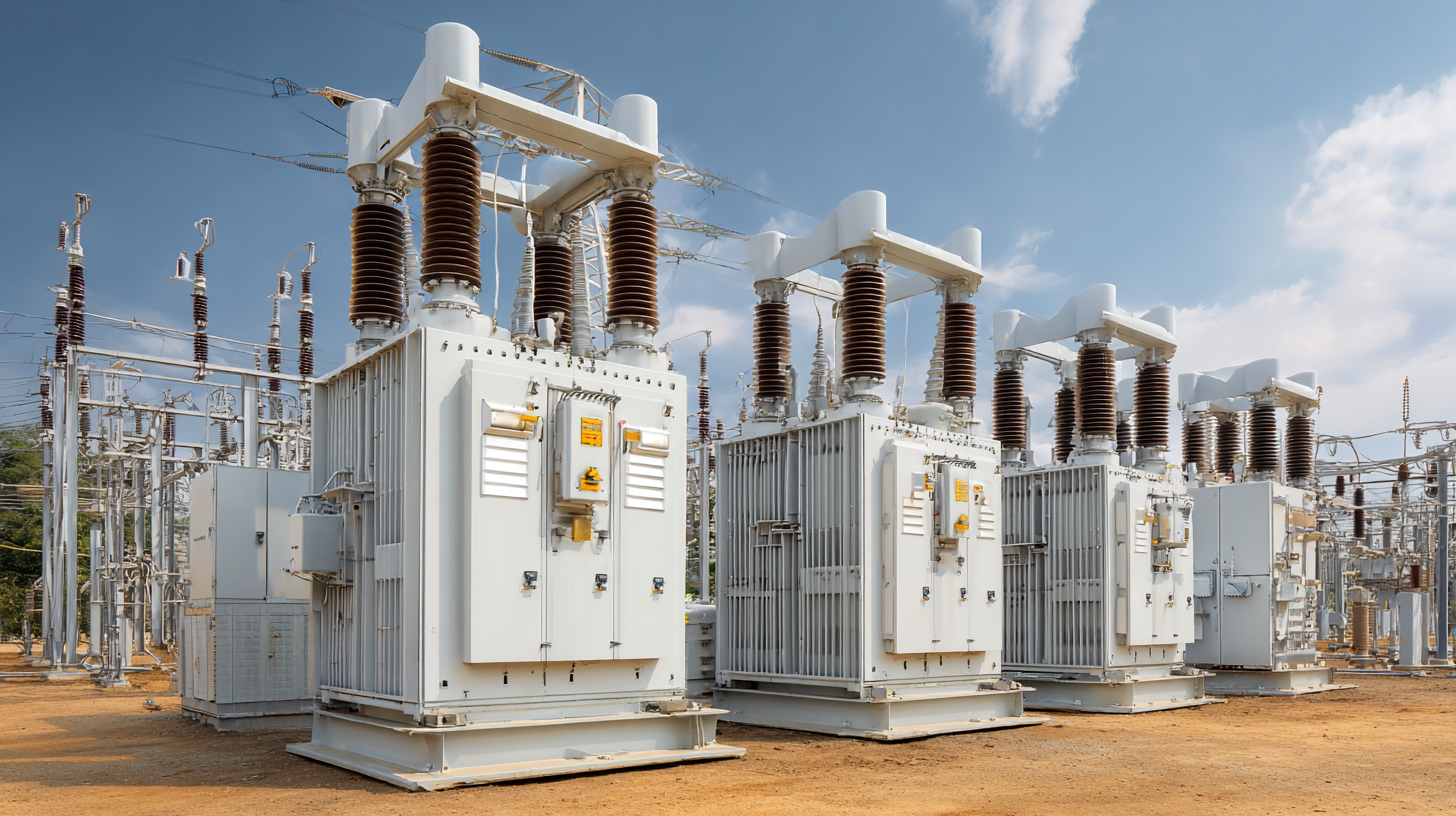
Lately, new standards have come into play, setting pretty clear performance benchmarks for these devices. For example, the IEEE Std 1147-2010 recommends that a 50kVA transformer should hit at least 98.5% efficiency, and an 80kVA one should be at 98.8%, especially under full load. Following these standards isn’t just regulatory stuff—it actually helps save money over time and supports a greener planet. Thanks to smarter materials and better manufacturing tricks, like using amorphous steel cores, the industry is moving toward transformers that are not only more efficient but also kinder to our environment. It’s pretty exciting to see how these advancements are helping us shift toward more sustainable tech solutions.
Future Trends: Innovations in Transformer Technology for Enhanced Performance
As transformer technology keeps evolving, innovation is really what drives better performance and efficiency—especially when we're talking about systems using 50kVA and 80kVA transformers. Looking ahead, it seems like the future of this tech is all about automation, new materials, and smarter systems that harness AI. These upgrades aren’t just about making things run smoother; they’ll also cut down on maintenance costs, which is a big deal given how much modern electrical systems rely on reliable power delivery.
When we think about what’s next, AI-driven solutions are set to change the game for monitoring and diagnosing transformer performance. Thanks to advanced computing tricks like predictive analytics, operators will be able to spot potential issues early on and take action before problems even pop up. Plus, advances in material science are making transformers more durable and energy-efficient—better thermal management means they last longer and use less power.
Take JZPE POWER, for example. They’re really leading the way with innovative designs that tackle the challenges of tomorrow’s energy needs. And they don’t compromise on quality either—strict manufacturing standards ensure their transformers are built to last in today’s demanding environment.
Understanding the Efficiency of 50kva and 80kva Transformers in Modern Electrical Systems
| Transformer Type | Rated Power (kVA) | Typical Efficiency (%) | Primary Voltage (V) | Secondary Voltage (V) | Cooling Method | Future Trends |
| 50 kVA Transformer | 50 | 95.5 | 400 | 230 | Dry Type | Smart Monitoring Systems |
| 80 kVA Transformer | 80 | 96.5 | 400 | 230 | Oil Immersed | Eco-friendly Materials |
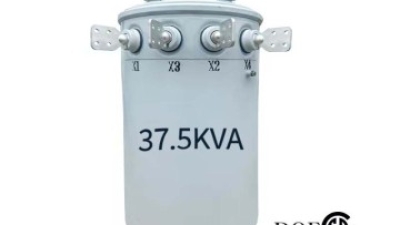
Enhancing Electrical Distribution Efficiency with Single Phase Pole Mounted Transformer - 37.5 kVA Solutions
In today's rapidly evolving energy landscape, the demand for efficient electrical distribution systems has never been higher. The implementation of Single Phase Pole Mounted Transformers, particularly the 37.5 kVA solutions, is instrumental in enhancing electrical distribution efficiency. With primary voltage ratings ranging from 2.4 to 34.5 kV and multiple secondary voltage options including 120/240V and 240/480V, these transformers are designed to meet diverse utility needs while ensuring reliable performance.
The versatility of these transformers is further underscored by their high voltage tap range of 2280-36225V, which accommodates various application requirements. According to IEEE C57.12.20 and ANSI C57.12 standards, these transformers not only deliver efficacy in distribution but also provide the reliability that utilities demand. With a BIL rating of 30-150kV, they are well-equipped to handle surge conditions, ensuring uninterrupted service in the face of operational challenges. Furthermore, compliance with DOE 2016 regulations and CSA standards reinforces their suitability for modern distribution systems, making them an ideal choice for utilities aiming to optimize infrastructure and enhance service delivery.
Beyond technical specifications, the integration of Single Phase Pole Mounted Transformers contributes significantly to energy efficiency initiatives. A report by the U.S. Department of Energy indicates that improving transformer efficiency can lead to substantial energy savings, reducing operational costs and minimizing environmental impact. As the industry moves towards more sustainable practices, adopting advanced transformer solutions will play a crucial role in achieving both economic viability and ecological responsibility in electrical distribution.
FAQS
: The efficiency of transformers typically ranges from 95% to 98%.
50kVA transformers often exhibit slightly higher efficiency ratings, with an average of around 97.5%, compared to 96.5% for 80kVA transformers, primarily due to lower magnetizing current and reduced core losses.
A 50kVA transformer is preferable for applications with lower or variable loads, as it may reduce energy loss over time, especially when the load does not consistently reach the maximum capacity.
The load factor is a measure of the efficiency of a transformer in relation to its capacity. Regularly monitoring the load factor can enhance efficiency and prolong the life of the transformer, ultimately reducing maintenance costs.
Organizations should conduct detailed assessments of their operational needs and energy savings opportunities to select the transformer that best matches their specific application and minimizes operational costs.
Future trends include automation, advanced materials, and the integration of smart systems leveraging artificial intelligence to optimize efficiency and reduce maintenance costs.
AI-enabled solutions can reshape transformer performance monitoring and diagnostics, allowing operators to foresee potential failures and implement proactive measures through predictive analytics.
Advancements in materials science enhance the durability and efficiency of transformers by improving thermal management and energy conservation.
Consulting with a professional helps in accurately assessing power needs, leading to more informed decisions regarding transformer selection and system design, which can significantly impact energy consumption and overall efficiency.
Conclusion
The article titled 'Understanding the Efficiency of 50kVA and 80kVA Transformers in Modern Electrical Systems' really dives deep into how these transformers perform in today’s industries. It’s a pretty thorough look at where each size shines—comparing efficiency ratings and exploring scenarios where a 50kVA or 80kVA transformer might be the best fit. Plus, it gets into the nitty-gritty details like load factors and energy losses, including no-load and load losses, to help folks figure out the best way to use them. There’s also a clear breakdown of costs versus benefits, so you can see how investing upfront compares to saving money down the line. And the article doesn’t stop there—it's also taking a look at how these transformers impact the environment, especially with energy efficiency standards in mind. Looking ahead, it even touches on some of the cool future trends in transformer tech that could boost performance even more.
At JZPE POWER TRANSFORMER (JIANGSU) CO., LTD., we’re all about staying ahead with cutting-edge design and production techniques. We’re constantly adapting to the industry’s changing needs, making sure our clients get the latest innovations in transformer technology. For anyone trying to get the most out of their electrical systems—especially when deciding between a 50kVA and an 80kVA model—these insights are super valuable to help you make smarter choices and promote sustainability.

 +86 18068001229
  Contact Phone
 Contact Email