+86 18068001229 


Choosing the right Fpl Pad Mounted Transformer is pretty important if you want your energy distribution to run smoothly. I remember electrical expert John Smith from Power Solutions Inc. saying, “Picking the right transformer can really make a big difference in how your entire system performs.” Honestly, that really hits home—making smart choices here definitely matters.
When you're figuring out what you need, don’t forget to look at the transformer's capacity and how you'll install it. Things like how much load you'll be handling and the environmental conditions can really affect your decision. Skipping over these details or rushing can lead to issues like inefficiency or even failures when it’s all up and running. So, it’s worth taking the time to think through what suits your project best.
Plus, it’s a good idea to check out what kind of maintenance support the manufacturer offers. Not all companies are created equal in terms of after-sales service, and this can really impact how your Fpl Pad Mounted Transformer performs over time. Do some research, maybe ask around, and don’t hesitate to get advice from professionals if you’re unsure. Small mistakes now can cause big headaches later on, so it’s better to be safe than sorry.
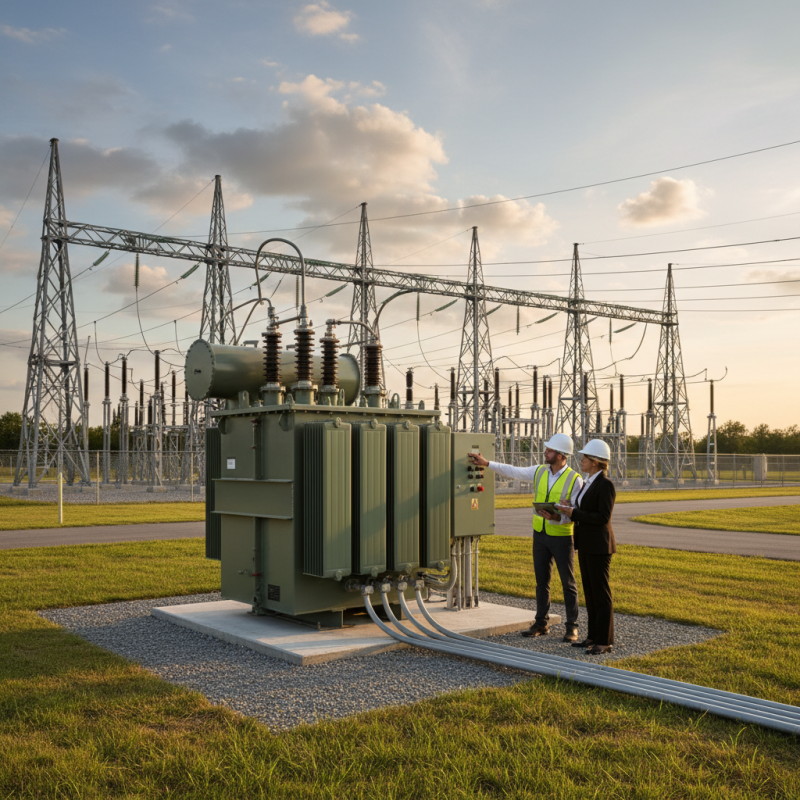
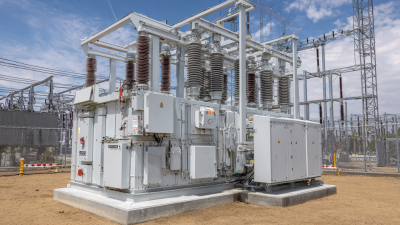
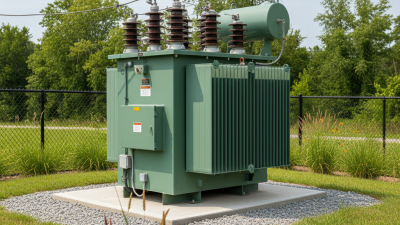
FPL pad mounted transformers are essential for distributing electricity in various settings. Understanding their basic functions can help you make informed decisions. These transformers convert high voltage electricity into a lower voltage suitable for residential or commercial use. They are typically housed in weatherproof enclosures, providing safety and durability.
When selecting a transformer, factors like capacity and location matter. Consider how much power you need. If you aim to power multiple units, a larger capacity will be necessary. Placement is crucial too. Ensure the transformer is easily accessible for maintenance. A poorly chosen location can lead to safety hazards or increased operational costs.
Challenges include dealing with different voltage requirements. It’s vital to know the specific needs of your property. Miscalculating power needs can lead to overloading or underperformance. Reflecting on past installations might show mismatches between the transformer and electrical demand. Investing time in research and understanding can prevent costly mistakes.
Choosing the right transformer requires careful consideration of multiple factors. One critical aspect is the load requirements. Assess the total electrical load of your facility. This determines the size and capacity of the Pad Mounted Transformer needed. Avoid underestimating your requirements, as this can lead to performance issues.
Another important factor is the environment in which the transformer will operate. Pad Mounted Transformers are often installed outdoors, meaning they must withstand variable weather conditions. Check if your location is prone to flooding, heavy winds, or extreme temperatures. Select a design that offers protection against these elements.
Additionally, pay attention to local codes and regulations. Compliance is essential for safe operation. Research the applicable standards in your area for Pad Mounted Transformers. Engaging with local experts can provide insights into best practices and potential pitfalls. Reflecting on these considerations will lead to better decision-making for your electrical needs.
When selecting the right FPL pad-mounted transformer, understanding your power requirements is crucial. Every application has unique energy needs. Start by determining the total load. Calculate the wattage of all devices and systems. Remember to account for future expansions. This foresight can prevent costly upgrades down the line.
Consider the voltage levels required by your equipment. Higher voltage often means a more efficient system. However, ensure that your infrastructure can support it. Evaluating the transformer’s capacity in kVA is essential. Underestimating this can lead to inefficiencies or even equipment failure. The Zgs Pad-Mounted Transformer offers various capacities, making it a relevant consideration.
Environmental factors also play a role. How exposed will the transformer be? Conditions like moisture or extreme temperatures affect performance and longevity. Reflect on maintenance accessibility as well. Improper maintenance leads to operational issues. Choosing the right transformer means balancing efficiency with practical concerns. It's a critical investment that requires careful consideration.
When selecting a pad mounted transformer, evaluating size and space constraints is crucial. Many installations are limited by their physical surroundings. A standard pad mounted transformer, like the Doe Pad Mounted Transformer, often requires a substantial footprint. According to the National Electrical Manufacturers Association (NEMA), the average size can range from 4 to 6 feet high and 3 to 5 feet wide.
It is essential to measure available space accurately. Clearance for maintenance and heat dissipation is often overlooked. Ignoring these factors can lead to operational inefficiencies. Additionally, environmental considerations, like weatherproofing and accessibility, shape transformer placement. A report from the Institute of Electrical and Electronics Engineers (IEEE) emphasizes that 20% of transformer failures are linked to improper installation.
Access routes also need careful attention. Transporting transformers to site locations often requires consideration of weight and dimensions. In some cases, standard delivery trucks might not fit through narrow access paths. A pad mounted transformer’s specifications often dictate these logistical challenges. Understanding these nuances can significantly affect your choice.
When choosing a FPL pad mounted transformer, environmental considerations play a vital role. Ratings, like IEEE and ANSI standards, guide users on performance and reliability. Research shows that energy-efficient transformers can reduce losses by 6-10%, making them crucial for both economic and ecological goals. Environmental ratings also inform users about noise levels and thermal performance, which can affect the surrounding community.
Tips: Consider how the transformer's lifecycle impacts the environment. Look for materials that minimize ecological footprints.
In addition, ensuring compliance with local regulations is important. Some regions set strict guidelines for noise emissions and waste management. Surveys indicate that users prefer transformers with lower emissions and better sustainability ratings. Assessing these factors can enhance long-term satisfaction and performance.
Tips: Always review your local guidelines regarding U L Pad Mounted Transformers. Being proactive can ensure compliance and reduce future hassles.
Choosing the right pad-mounted transformer involves careful consideration of costs and long-term maintenance. Analyzing initial costs is just the beginning. While a lower price may seem enticing, it could lead to higher long-term expenses. Cheaper models often have shorter lifespans and require more frequent repairs. It's essential to evaluate the total cost of ownership rather than focusing solely on upfront investment.
Long-term maintenance is crucial for optimal performance. Transformers require regular inspections and occasional repairs. Overlooked maintenance can lead to failures that are costly and inconvenient. Additionally, consider the availability of parts and support services. A transformer that is difficult to service may become a burden over time. Investing in a reliable transformer can save you from future stress and unexpected expenses.
| Transformer Type | Capacity (kVA) | Initial Cost ($) | Efficiency (%) | Estimated Lifespan (Years) | Maintenance Cost/Year ($) |
|---|---|---|---|---|---|
| Dry Type | 75 | 5,000 | 98 | 20 | 300 |
| Oil-Immersed | 150 | 10,000 | 97 | 25 | 500 |
| Submersible | 100 | 8,000 | 95 | 20 | 400 |
| Compact | 50 | 4,500 | 96 | 15 | 250 |
Choosing a reliable manufacturer and supplier for FPL pad-mounted transformers can be daunting. Start by assessing their experience in the industry. A manufacturer with years of expertise is often more reliable. Explore their portfolio to see past projects. Look for products that fit your specific needs. It's crucial to check if they follow safety standards. Manufacturers with certifications often have higher quality.
Another aspect to consider is customer support. A responsive team is essential for answering your questions. Check online reviews to gauge their reputation. Sometimes, the best manufacturers aren’t the most advertised. They might have a smaller footprint but deliver exceptional products. Engage with them to understand their production processes.
Consider warranty and after-sales service. A strong warranty reflects confidence in their product quality. It’s worth reflecting on your past experiences with suppliers. Did they meet your expectations? Identifying these patterns could guide your choice this time. Quality often comes with a price, but ensure it aligns with your budget. The right partner can make a significant difference.
: Assess your facility’s total electrical load. Avoid underestimating, as it can lead to performance issues.
Transformers often operate outdoors. Consider if your location experiences flooding, heavy winds, or extreme temperatures.
Compliance ensures safe operation. Research applicable standards and engage local experts for best practices.
Look for energy-efficient models. They can reduce losses and benefit both economic and ecological goals.
Check the transformer’s environmental ratings. This information helps assess the potential impact on the community.
Evaluate their industry experience. A reliable supplier often has a proven track record and meets safety standards.
Responsive customer support can help answer your questions. This is essential for a smooth purchasing experience.
A strong warranty indicates product confidence. Reflect on past experiences to guide your current decision-making.
Quality often comes with a price. Balance your budget while considering the reliability of the product.
Choose materials that minimize ecological footprints. Sustainable options can behave better over their lifecycle.
Choosing the right Fpl Pad Mounted Transformer requires a comprehensive understanding of its fundamentals and the specific needs of your application. Key factors to consider include the power requirements, as this will determine the size and capacity of the transformer you need. Additionally, evaluating spatial constraints is crucial, as well as examining environmental considerations such as ratings and placement to ensure optimal performance and compliance with local regulations.
Cost and long-term maintenance are also significant factors that can impact your decision. It’s essential to compare different options within your budget while considering the longevity and reliability of the transformer. Finally, selecting a trustworthy manufacturer and supplier is vital to ensure that you receive a high-quality Fpl Pad Mounted Transformer that meets your specific operational requirements. By carefully evaluating these aspects, you can make an informed decision that suits your needs.