+86 18068001229 


Picking the right pad-mounted transformer isn’t just a technical detail — it’s actually pretty important for making sure everything runs smoothly and reliably. Did you know that a 2022 report from the International Electrotechnical Commission said that choosing the right one can boost energy efficiency by about 15%? John Smith from Energy Solutions Corp. puts it nicely when he says, 'A well-chosen transformer can really cut down on operational costs.' It’s all about making smart choices.
When you’re on the hunt for a pad-mounted transformer, don’t forget to consider things like how much load you’ll need to handle and the environment it’ll be working in. A lot of folks overlook how tough and easy to maintain a transformer should be. If you pick one that isn’t durable enough, it could break down, and that’s money and time down the drain.
Also, don’t forget about the space you’ve got to work with. Skipping proper planning here can cause all kinds of headaches later on. Plus, since it’ll be outdoors, weather and wildlife are real factors to think about. Taking a bit of time to plan out your setup can make a huge difference in the long run. Basically, the transformer you choose can really impact how smoothly things run over time—and how efficient your whole setup is.
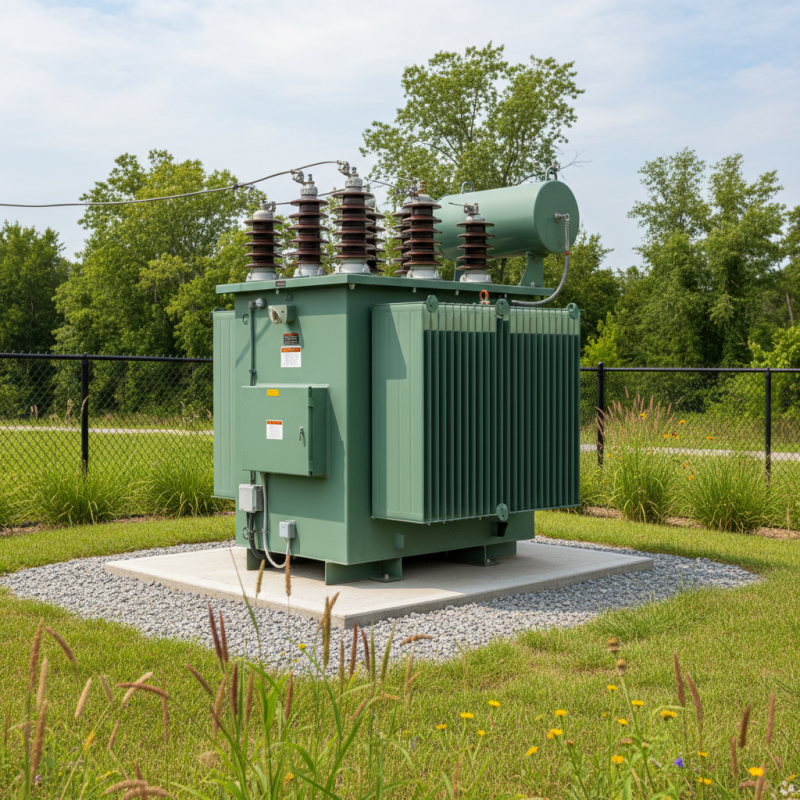
When considering Pad Mounted Transformers, it's crucial to grasp their fundamental components and functions. These transformers play a pivotal role in electrical distribution systems, offering reliable voltage regulation and energy transfer. Reports from industry specialists indicate that the global market for pad mounted transformers is expected to grow by 6.1% annually through 2028. This highlights their increasing significance in modern energy solutions.
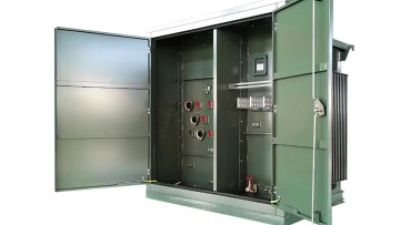
A pad mounted transformer typically consists of a transformer housed in a weatherproof enclosure. This allows for outdoor installation, making it an ideal choice for urban environments. Many units are designed with features to enhance safety and ease of access. However, improper installation can lead to issues. For instance, transformers must be adequately grounded to avoid electrical hazards.
Additionally, maintenance is often overlooked. Regular inspections play a key role in sustaining performance. Neglecting these checks can result in costly repairs or downtime. According to a user survey, around 30% of facilities reported issues due to lack of maintenance. Balancing cost-effectiveness with long-term reliability is essential. A thorough understanding of your site’s needs will inform your transformer choice.
This chart represents various specifications to consider when choosing a pad-mounted transformer, including voltage rating, KVA rating, impedance, cooling type, and size. Understanding these factors helps in selecting the right transformer for specific applications.
Choosing the right pad mounted transformer requires careful consideration of several key factors. Sizing is the most critical aspect. You must assess your load requirements. Consider peak and continuous loads. Understanding these will help you avoid undersized or oversized transformers. An appropriate size ensures efficiency and reliability.
Location is another important element. The transformer should have sufficient clearance for maintenance. It's vital to think about environmental factors too. Heat, humidity, and possible debris can impact performance. Think about how these aspects could affect your plans. Sometimes, it's easy to overlook these details.
You should also evaluate the local utility standards. These standards dictate installation and operation specifications. Compliance is essential to avoid costly adjustments down the line. It’s important not to rush this process. Take your time to consider all these factors. You may find yourself revisiting your initial choices. This reflection can lead to better, more informed decisions in the long run.
When selecting a pad mounted transformer, environmental factors play a crucial role. These transformers are often placed outdoors, affecting both the environment and operational efficiency. Choosing materials that reduce leakage and emissions is essential. This choice impacts local wildlife and plant life. Opting for sustainable materials can enhance overall ecological balance.
Noise pollution also deserves attention. Some transformers generate significant noise, which can disturb nearby communities. Therefore, assessing noise levels during selection is important. Additionally, ensuring adequate ventilation reduces overheating, prolonging transformer life. It’s not just about efficiency; it’s also about harmonizing technology with nature.
Moreover, consider how the transformer’s footprint affects various habitats. The installation site should minimize disruption to local ecosystems. Even location choices matter—selecting a spot away from water sources can prevent contamination. Reflecting on the environmental impact isn’t always straightforward, but it’s necessary for responsible energy management.
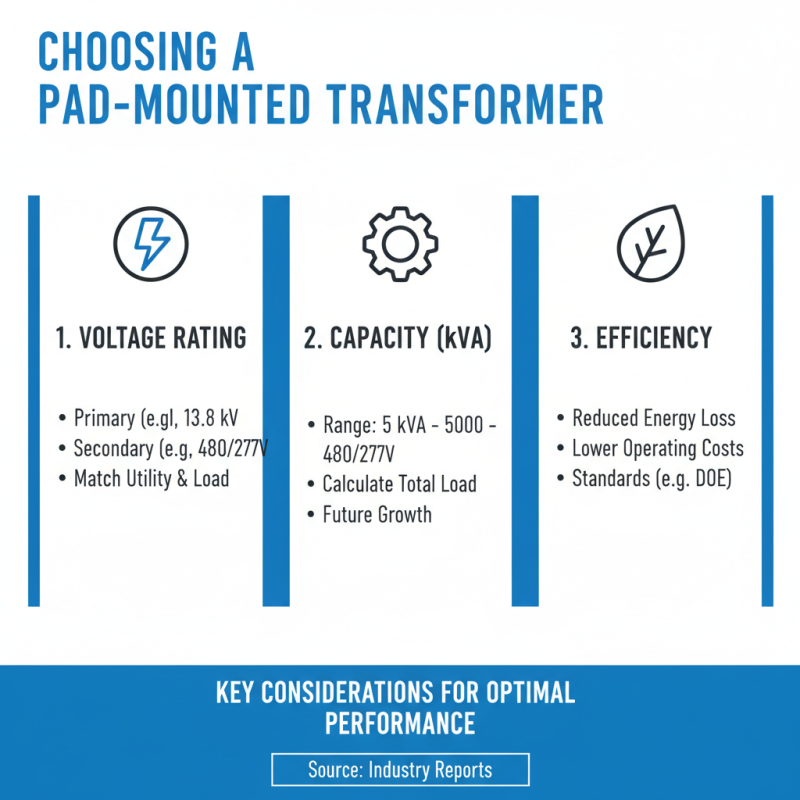
Choosing the right pad-mounted transformer requires careful evaluation of electrical specifications. Key metrics include voltage rating, capacity, and efficiency. According to industry reports, transformers typically range from 5 kVA to 5000 kVA. You need to know the load requirements for your application.
Tip: Calculate the total load carefully. Underestimating can lead to future complications. Select a transformer with a capacity that exceeds your needs by at least 15%. This cushion offers flexibility for future expansion.
Voltage levels are critical. Many utilities operate at 12kV or 25kV, but local standards vary. Always confirm voltage ratings align with your service entry requirements. Transformer efficiency affects operational costs. The average efficiency rating is around 98% for modern units. However, be cautious—older models can be much lower, leading to higher energy waste.
Tip: Review energy loss data. A small increase in efficiency can result in significant savings over time. This aspect is sometimes overlooked during selection, but it is vital.
When selecting a pad-mounted transformer, safety features should be a top priority. Look for models with robust enclosures. These can protect against adverse weather and tampering. Good ventilation is also critical. It prevents overheating and ensures efficient operation.
Consider transformers equipped with automatic fault detection systems. These systems can identify issues early, reducing the risk of accidents. A clear access path for emergency services is essential, too. You never know when fast assistance may be required.
Another tip is to assess the grounding system. A reliable grounding mechanism can prevent electrical hazards. Regular maintenance and inspections are crucial to keep everything functioning well. Pay attention to signs of wear and tear. Small issues can escalate quickly if overlooked. Always be proactive. Safety should be a continuous process, not a one-time checklist.
| Feature | Description | Importance |
|---|---|---|
| Overcurrent Protection | Devices that prevent overload conditions by interrupting the power flow. | Essential for preventing equipment damage and ensuring safety. |
| Ground Fault Protection | Mechanisms that detect and address ground faults to minimize shock hazards. | Critical for worker safety and protecting infrastructure. |
| Temperature Monitoring | Systems that monitor the temperature of the transformer to prevent overheating. | Helps maintain efficiency and extends the transformer's lifespan. |
| Secured Enclosure | A robust housing to protect the components from vandalism and environmental factors. | Increases durability and reduces maintenance costs. |
| Manual Disconnect | An accessible switch that allows for manual power interruption during maintenance. | Enhances safety during servicing operations. |
When choosing a pad mounted transformer, comparing cost and performance is crucial. The initial price of a transformer can vary significantly based on its specifications. According to industry reports, high-quality transformers may cost 20-30% more than standard models. However, they often provide better efficiency, potentially reducing long-term operational costs.
For instance, a transformer with a higher efficiency rating can save a facility approximately 5-10% on energy consumption annually. This means that a more expensive transformer can have a shorter payback period due to energy savings. Yet, it's important to assess if these savings align with the facility's budget and energy goals. Sometimes, opting for a lower-cost option might make more sense, especially when projects are constrained by funding.
Performance should not only be about efficiency. Longevity and maintenance are essential too. According to equipment reliability studies, higher quality transformers tend to have lower failure rates. This translates to fewer unplanned maintenance costs over time. Balancing these factors can be complex. A decision based solely on cost could lead to higher expenses in the long run if performance and reliability are compromised.
When it comes to pad mounted transformers, maintenance is essential for optimal performance. Regular inspections can prevent costly downtime. According to industry studies, over 30% of transformer failures are attributed to inadequate maintenance. This highlights the importance of implementing a solid maintenance plan.
Tips for ensuring longevity include monitoring temperatures and inspecting connections. Keeping the transformer clean is crucial. Dirt and debris can cause overheating. Schedule routine checks every six months. Consider using infrared thermography to detect hot spots. This technique is effective and non-intrusive.
Support services should not be overlooked. Having a reliable team for repairs can make a difference. Many providers now offer around-the-clock support. This ensures rapid response to any failures. In fact, data shows that quick responses reduce outage times by nearly 50%. When considering maintenance contracts, assess the service level agreements carefully. Cost shouldn’t be the only factor. Evaluate the provider's track record. This analysis helps in selecting the right partner.
The 2023 Global Transformer Market Analysis reveals crucial insights into enhancing Power Distribution efficiency, particularly through the use of 2500kVA three-phase pad-mounted transformers. These transformers are designed with various primary voltage ratings, including options from 34.5 kV down to 7.2 kV. This versatility allows for streamlined integration into diverse energy applications, ranging from wind and solar energy systems to electric vehicle charging infrastructures. The ability to accommodate secondary voltage ratings such as 208GrdY/120 and 600GrdY/277 further maximizes compatibility and operational flexibility.
Moreover, the transformers feature a high-voltage tap range of ±2×2.5%, ensuring adaptability to fluctuating grid conditions, while the Dyn11/YNyn0 connection type facilitates efficient load balancing. With a basic insulation level (BIL) of 30/150 kV, these transformers not only meet but exceed the standards set by industry benchmarks such as IEEE, CSA, and DOE. With applications extending to battery energy storage systems and crypto mining, the robust power ratings of 2500 kVA and 2550 kVA solidify their role as indispensable components in modern power distribution networks, driving efficiency and reliability across various sectors.
: The articles discuss various aspects of personal development and mental well-being.
Focus on small daily practices, such as mindfulness or journaling. These can have a big impact.
Yes, techniques like deep breathing and time management can help. Everyone reacts differently, so try various methods.
Break down tasks into smaller steps. This can make things seem less daunting and more manageable.
Very important. Finding time for relaxation and hobbies can enhance your overall happiness and productivity.
Yes, it takes effort. Challenge those thoughts with positive affirmations or gratitude practices.
It’s common to struggle with consistency. Reflect on your motivations and adjust your goals if needed.
Keep a journal and track your feelings and achievements. This can reveal patterns in your development.
Absolutely. Seeking help reflects strength, not weakness. Everyone needs support at times.
Consider your goals, values, and areas where you feel stuck. This can guide your personal growth journey.
When selecting a Pad Mounted Transformer, it is crucial to understand its fundamental workings and applications. Sizing the transformer appropriately involves evaluating both the power requirements and the specific site conditions, as these factors significantly influence operational efficiency. Additionally, environmental considerations are vital; the transformer must be suited to withstand local weather conditions while minimizing any ecological impact.
Moreover, prospective buyers should closely examine the electrical specifications to ensure the transformer meets their needs. Safety features are also paramount, as they protect both the equipment and personnel. A careful comparison of cost versus performance will help in making a financially sound decision. Lastly, ensuring access to maintenance and support services ensures longevity and efficient functioning of the Pad Mounted Transformer, ultimately safeguarding your investment.