 +86 18068001229
 Leave Your Message
- Contact WhatsApp
-
 Contact Phone
 -
 Contact Email
In today's fast-changing energy scene, picking the right Pad Mounted Transformer is pretty important for businesses that want to run more smoothly and reliably. Industry reports say the global transformer market might hit around $60 billion by 2026, and that's mainly because of the rising demand for electricity and the need to upgrade power infrastructure. 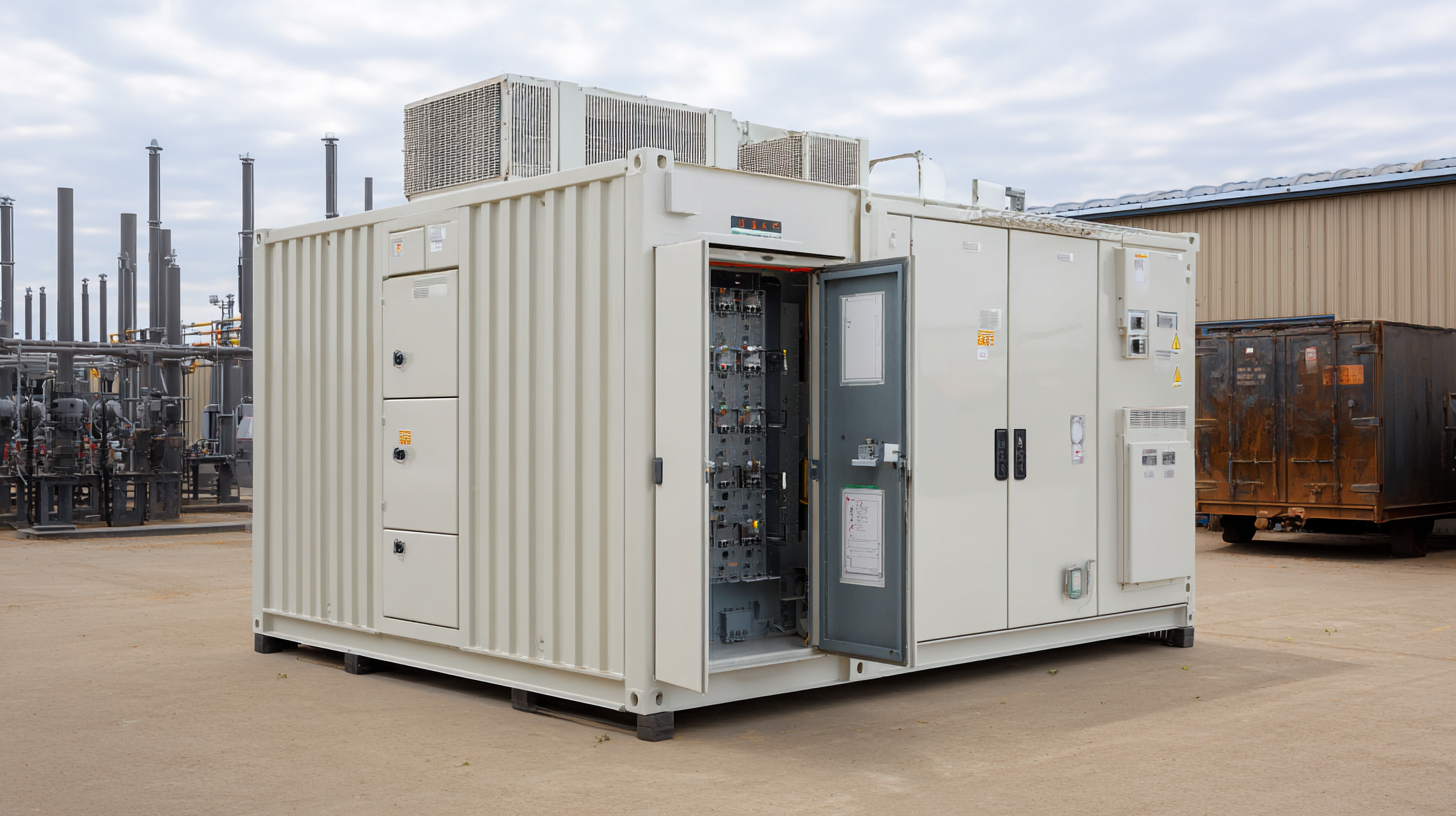 As someone who designs, manufactures, and installs power system solutions, JZPE POWER TRANSFORMER (JIANGSU) CO., LTD., JEZOU POWER, has been around since 1989. They've really set themselves apart with innovative design ideas and strict quality control—stuff that's crucial to keeping up with modern energy needs. Choosing the right transformer isn’t just about fitting in; it can make a big difference in how efficiently you use energy, how much you spend on operations, and how well you’re set up for the future. So, it's super important for businesses to understand what factors really matter when making this decision.
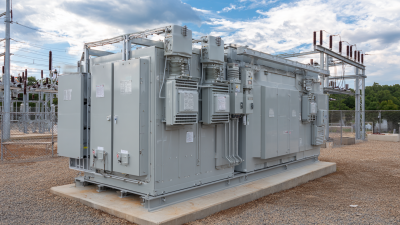
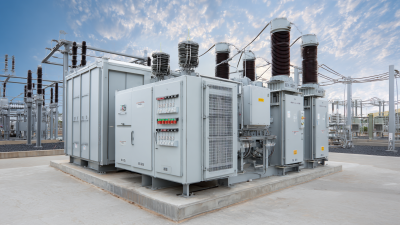
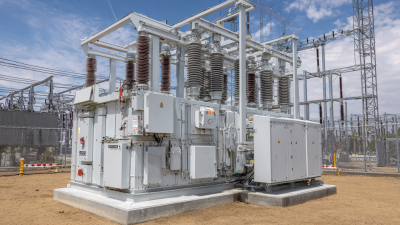
If you're looking to boost how smoothly your business runs, getting to know pad-mounted transformers is actually pretty important. These little guys are essential for reliably delivering power while taking up less space—perfect for a bunch of different commercial setups. When choosing one, keep an eye on things like capacity, cooling type, and voltage ratings because all those little details really influence how well it performs and how dependable it is. Picking the right model that matches your specific energy needs can really make a difference in your overall energy bills.
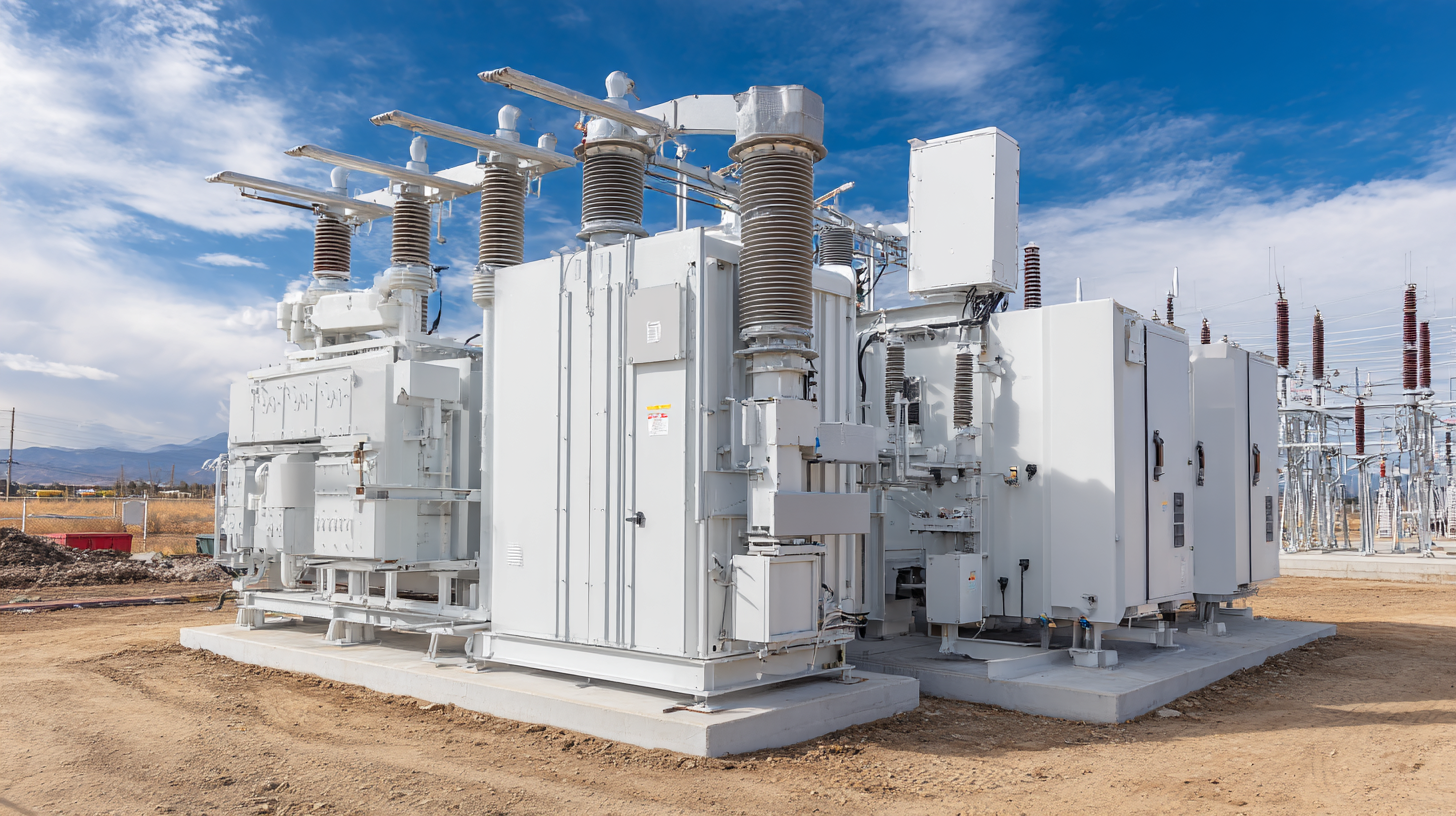
Here’s a tip — make sure you honestly assess how much power you’ll need before you buy. Take a good look at your current and future energy demands so the transformer can keep up with you. Also, think about where you’ll be installing it. For outdoor spots, it pays to go for a transformer that's weatherproof and well-insulated — you definitely don’t want environmental factors messing things up.
Another thing to keep in mind is how easy it is to do maintenance. It’s best to choose a design that allows quick access for inspections and repairs. That way, you save time and avoid those costly outages that slow down your business. And don’t forget to check the manufacturer’s reputation — a trusted brand usually means better quality and reliability in the long run, which just keeps your operations running smoothly.
: A pad mounted transformer is a device used for reliable power distribution, typically installed outdoors, designed to minimize its footprint while supplying energy to various commercial applications.
Accurately assessing energy requirements ensures that the transformer can adequately support current and future energy loads, which can significantly influence overall energy costs and operational efficiency.
It's important to choose a transformer with robust weatherproofing and insulation to prevent operational disruptions caused by environmental factors if installed outdoors.
Choosing a pad mounted transformer design that allows for easy access for inspections and repairs can save time during maintenance and reduce costly downtimes, enhancing overall operational efficiency.
A well-established brand often signifies quality and reliability, which can contribute to better long-term operational efficiency and minimize risks for your electrical systems.
Pad mounted transformers must comply with standards set by organizations such as the Institute of Electrical and Electronics Engineers (IEEE) and the American National Standards Institute (ANSI), covering design, construction, performance metrics, and energy efficiency.
Ensuring that the transformer meets regulatory standards mitigates risks, enhances system longevity and reliability, and contributes to smoother operations within your business.
Consider the transformer's capacity, cooling method, voltage ratings, and compliance with industry standards to support efficient energy management and safety protocols.
The cooling method can affect the performance and reliability of the transformer, influencing its overall efficiency in distributing power.
Familiarity with varying regulatory requirements ensures that the transformer meets necessary legal standards, which can influence safety and operational efficiency.
When you're picking out a pad-mounted transformer for your business, it's really important to understand what features actually matter for keeping things running smoothly. This blog's got you covered—it’s all about how to analyze your load needs because choosing the right size can make a huge difference in how well your system performs. And don’t forget about efficiency ratings—they’re super helpful in balancing the initial cost against the long-term savings on energy, especially if you’re thinking about going for energy-efficient models.
Plus, let's not overlook the cooling systems. Good cooling can really extend the life of your transformer and keep it working at its best. And of course, making sure you’re up to date with all the regulatory requirements is key—no one wants to run into safety issues or compliance headaches. With over 30 years of experience under their belt, JZPE Power Transformer (Jiangsu) Co., Ltd. really knows their stuff. They bring cutting-edge designs and strict quality checks to help you pick the right pad-mounted transformer—so you can save energy and boost your overall efficiency without the fuss.