The Oil Type Transformer Onan Onaf plays a pretty important role in many industries, making sure power gets distributed smoothly and efficiently. If you're a manufacturer or just someone using these transformers, understanding what the wholesale CE certification means is super important. Basically, it’s your way of knowing the product meets European safety and environmental standards, which honestly boosts trust and credibility.
In today’s super competitive market, lots of companies are after that certification for their oil-filled transformers. But here’s the thing: not everyone manages to check all the boxes. That’s because the whole certification process can be pretty complex and tricky to navigate without the right know-how. Sometimes, chatting with experts who understand the ins and outs can really make things easier, helping you stay compliant and avoid headaches.
On top of that, the certification process isn’t just a walk in the park. A lot of manufacturers tend to underestimate the amount of paperwork or testing required. Coming prepared can save you a lot of trouble down the line. Taking the time to really get to grips with what’s involved in certifying the Oil Type Transformer Onan Onaf is worth it — it means better products, safer operations, and fewer surprises. Looking back at past hurdles can actually give you good ideas for how to improve moving forward.
Understanding Wholesale CE Certification for Oil Type Transformer Onan Onaf
CE certification is essential for oil type transformers, specifically the Onan Onaf models. This certification ensures that these transformers meet safety and environmental standards. According to a report by the International Electrotechnical Commission, over 70% of transformers in Europe are required to have CE marking. This marking is particularly crucial in wholesale markets to ensure compliance and trust.
Despite its importance, many manufacturers struggle to navigate the CE certification process. A lack of understanding can lead to costly mistakes. For instance, improper documentation can delay certification by weeks or even months. Additionally, the performance testing phase can reveal shortcomings. A recent study found that nearly 25% of tested transformers failed to meet the required standards, highlighting the risks of underestimating this process.
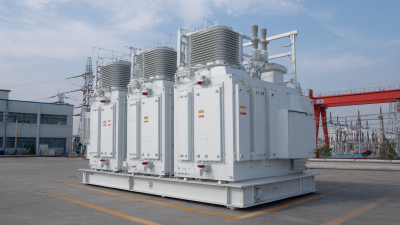
The Double Split Cooling Substation Onan Onaf arrangement provides an efficient solution for transformer cooling. However, achieving CE certification for this cooling method presents challenges. Manufacturers must ensure that their cooling systems comply with rigorous testing standards. Addressing these issues could streamline the certification pathway, making it easier for transformers to enter the market successfully.
Importance of CE Certification in Electrical Equipment Market
CE certification holds significant weight in the electrical equipment market, especially for products like the Oil Type Oil Immersed Transformer. This certification signifies compliance with European health, safety, and environmental protection standards. According to a recent industry report, over 40% of manufacturers noted that CE marking greatly impacts consumer trust and purchasing decisions. The absence of CE certification can lead to potential market entry barriers, limiting sales opportunities.
Furthermore, CE certification also enhances product reliability and performance. For example, transformers that meet CE requirements are subjected to rigorous testing, ensuring they can operate efficiently in various environments. Reports indicate that 65% of users prefer certified equipment due to lower failure rates and improved lifespan. On the other hand, some manufacturers face challenges in understanding the certification process. This can result in delays or failed certification, highlighting the need for expert guidance.
An inconsistent approach to CE certification may result in market confusion and mistrust. Some manufacturers struggle with documentations and testing complexities. This often leads to costly setbacks, emphasizing the importance of comprehensive knowledge of certification standards. As the electrical equipment market evolves, obtaining CE certification is not just beneficial, but essential for success.
Key Specifications for Oil Type Transformers: Onan vs Onaf
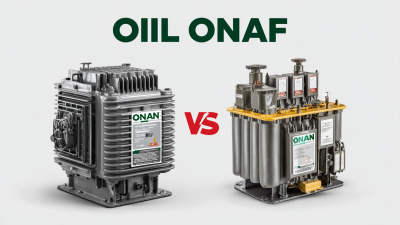
When discussing oil type transformers, two key specifications emerge: ONAN and ONAF. These acronyms stand for different cooling methods. ONAN means Oil Natural Air Natural, while ONAF refers to Oil Natural Air Forced. These cooling techniques significantly impact transformer performance.
ONAN transformers use natural circulation for both oil and air. They rely on the heat generated within the unit to create adequate cooling. This design is simpler and often more reliable. However, it may not be sufficient for larger units or those operating under high load conditions. In contrast, ONAF transformers enhance cooling efficiency by forcing air across heat exchange surfaces. This method allows for higher thermal capacity, making it suitable for larger electrical loads. Yet, increased complexity and maintenance can be downsides.
Attention to these specifications is crucial for ensuring optimal performance. Users must examine the operational environment and load requirements before choosing a transformer type. Each approach has its unique strengths and weaknesses. Failure to consider these elements might lead to inefficiencies. Balancing cost, efficiency, and maintenance needs is often a complicated task that requires thoughtful consideration.
Understanding Wholesale CE Certification for Oil Type Transformer Onan Onaf
| Specification | Onan | Onaf |
| Cooling Method | Oil natural air natural | Oil natural air forced |
| Rated Power | Up to 200 MVA | Up to 300 MVA |
| Temperature Rise | 60°C | 65°C |
| Insulation Class | Class A | Class B |
| Noise Level | | |
The Certification Process for Oil Type Transformers: Steps and Requirements
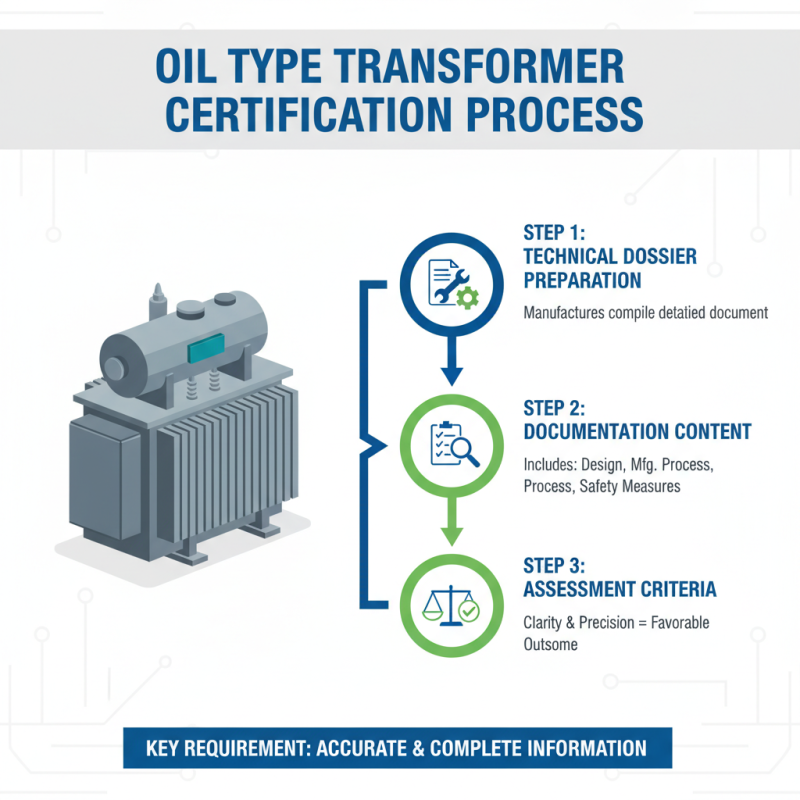
The certification process for Oil Type Transformers involves several critical steps. To begin, manufacturers must prepare a comprehensive technical dossier. This document should detail the design, manufacturing processes, and safety measures taken for the oil type transformer. Clarity and precision in documentation are essential, as they directly influence the assessment outcome.
Next, testing is a crucial part of the certification. This includes performance tests, safety tests, and environmental assessments. Each test must adhere to strict international standards. It is not uncommon for transformers to fail initial testing. Manufacturers need to address any discrepancies before resubmission. This iterative process fosters improvement and quality assurance.
After passing the tests, a review by certifying bodies occurs. They evaluate the paperwork, results, and compliance with regulations. Gaining certification is not simply a checkbox; it reflects a commitment to safety and reliability. The oil type transformer must demonstrate resilience and efficiency in real-world applications. Each stage of certification builds trust in the final product. Achieving this trust is a continuous journey, encouraging manufacturers to refine their practices further.
Testing Standards and Safety Regulations for Onan Onaf Transformers
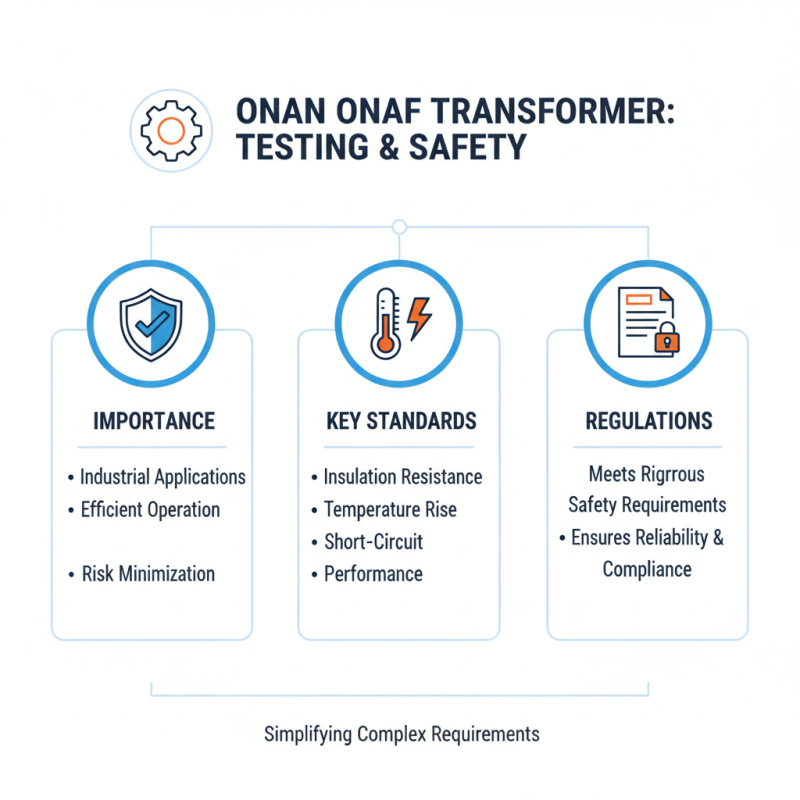
When it comes to Onan Onaf transformers, understanding testing standards and safety regulations is essential. These transformers, often used in various industrial applications, must meet rigorous safety requirements. This ensures they operate efficiently while minimizing risks. The testing standards cover aspects such as insulation resistance, temperature rise, and short circuit performance.
One critical regulation is the IEC 60076 series. This standard outlines several tests for transformers, including dielectric tests and load tests. These tests determine how well a transformer can handle stress and maintain safety. Also, transformers should comply with local regulations. Each region may have different requirements and compliance processes. Ensuring adherence to these standards is paramount for manufacturers and users alike.
Despite the existing protocols, challenges can arise. Some transformers may pass initial tests but fail under real operating conditions. This highlights the need for continuous monitoring and evaluation. Over time, aging and wear can affect performance. Regular inspections and maintenance are key for long-term reliability. This emphasizes the importance of being proactive in safety measures and relying on proven testing standards.
Impact of CE Certification on Wholesale Trade and Export Opportunities
CE certification plays a critical role in the wholesale trade of oil type transformers like Onan and Onaf. This certification signifies that products comply with European Union safety standards. It opens doors for easier access to EU markets, which are among the largest in the world. As per industry reports, over 30% of Oil Transformers exported are now CE certified, reflecting a growing trend among manufacturers.
The impact of CE certification on export opportunities cannot be overstated. Certified products often attract a premium price. They also foster customer trust. A survey by the International Electrotechnical Commission found that 75% of buyers consider certification crucial when making purchasing decisions. However, obtaining CE certification can be time-consuming and expensive. Small manufacturers might struggle with the complexities of compliance, which can limit their expansion into lucrative markets.
Nonetheless, the potential benefits outweigh these challenges. In 2022, the global market for oil type transformers reached $4 billion, with CE certified products making up a growing share. Those manufacturers who prioritize CE certification are positioning themselves strategically in an increasingly competitive landscape. However, the journey to certification can be fraught with obstacles. Manufacturers must navigate regulatory requirements, and not all succeed on the first try.
Impact of CE Certification on Wholesale Trade Opportunities for Oil Type Transformers
Common Challenges in Obtaining CE Certification for Oil Type Transformers
Obtaining CE certification for oil type transformers, such as the 5mva Oil Type Transformer, can present several challenges. One significant hurdle is ensuring compliance with stringent safety and efficiency standards set by the European Union. According to a recent industry report, up to 70% of manufacturers face difficulties in meeting the essential requirements. This compliance is not just a bureaucratic box to check; it has real implications for product safety and marketability.
Documentation requirements pose another challenge. Collecting and presenting comprehensive technical files can overwhelm manufacturers. Data shows that nearly 60% of companies struggle with inadequate documentation strategies. Ensuring clear and organized records can greatly enhance the certification process. Each piece of documentation must highlight how the transformer meets required safety and performance metrics.
Tip: Regular audits can help identify gaps in compliance documentation early on. Continuous training for your technical teams is essential.
Quality testing and verification is critical. Often, manufacturers overlook this step, leading to unexpected delays. A significant number of firms—over 40%—encounter setbacks due to insufficient testing. Invest time in robust testing protocols to avoid costly rework and ensure faster certification approval.
Tip: Collaborate with certified testing organizations to streamline the testing process. Building these partnerships early can save time and resources.
FAQS
: CE certification ensures compliance with safety and environmental standards. It builds consumer trust and influences purchasing decisions.
Certified products undergo rigorous testing. This results in lower failure rates and improved lifespan, valued by 65% of users.
Many struggle with complex documentation and compliance requirements. Up to 70% of manufacturers face difficulties meeting safety standards.
Proper documentation shows compliance with safety metrics. Nearly 60% of companies struggle due to inadequate documentation strategies.
Regular audits and continuous training help identify compliance gaps. Robust testing protocols can prevent costly setbacks and streamline approval.
CE certification enhances access to EU markets. Products gain customer trust and often sell at premium prices, boosting potential sales.
They should ensure thorough compliance, maintain organized documentation, and invest in quality testing to avoid unexpected delays.
Without CE certification, companies may face market entry barriers and lose sales opportunities. It can limit their expansion potential.
Many may struggle with compliance complexities. They should seek expert guidance to navigate the challenges effectively.
Manufacturers must navigate various regulatory requirements. Not all succeed on their first attempt, leading to potential setbacks.
Conclusion
The article "Understanding Wholesale CE Certification for Oil Type Transformer Onan Onaf" explores the significance of CE certification within the electrical equipment market, particularly focusing on oil type transformers, including Onan and Onaf models. CE certification is crucial for ensuring compliance with safety and performance standards, which ultimately facilitates smoother trade and export opportunities for manufacturers.
The piece details the essential specifications that differentiate Onan from Onaf transformers, outlines the certification process, and highlights necessary testing standards and safety regulations that govern these products. Additionally, it addresses the common challenges faced by manufacturers in securing CE certification, emphasizing the impact such certification has on enhancing market access and fostering confidence in the quality and safety of oil type transformers in wholesale transactions.

 +86 18068001229
  Contact Phone
 Contact Email